
Christian Eriksen collapsed during Denmark's friendly match against Ukraine and was subsequently taken to hospital for further examinations.
The incident has once again drawn attention to cardiac arrest, warning signs, and the crucial role played by defibrillators, according to The Sun.
Christian Eriksen collapsed during the match

Christian Eriksen suddenly fell to the ground during Denmark's friendly against Ukraine after clutching his chest.
He briefly lost consciousness before regaining awareness.
Also read: Researchers removed from diabetes conference after criticizing research policy
Teammates and opponents gathered around him

Players from both teams formed a circle around Eriksen while doctors and medical staff rushed onto the pitch to assist him.
Taken to hospital

Following the incident, Eriksen was transported to hospital, where he underwent further examinations to determine the cause of the collapse.
Internal defibrillator believed to have helped
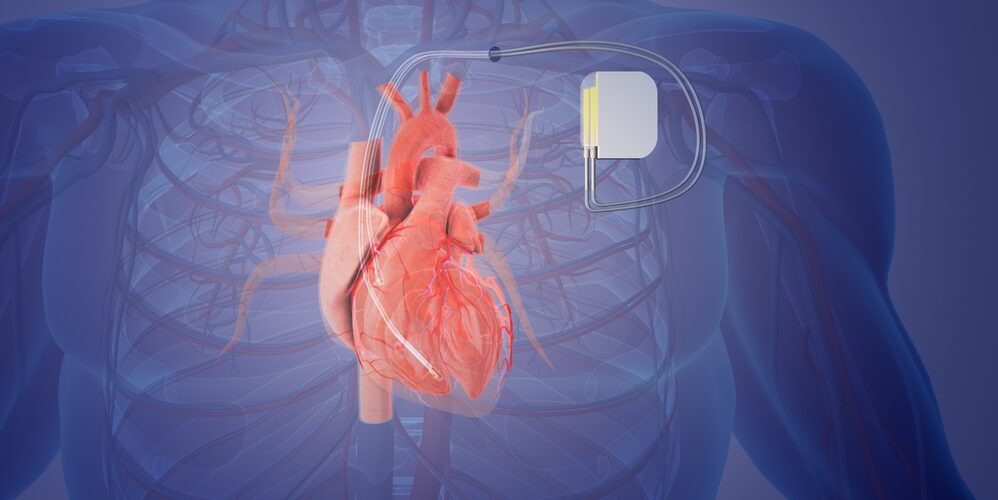
It is believed that the implanted cardioverter-defibrillator Eriksen received after suffering cardiac arrest in 2021 played an important role during the incident.
Suffered cardiac arrest at Euro 2021

During Denmark's European Championship match against Finland in 2021, Eriksen suffered a cardiac arrest and his heart stopped for approximately five minutes.
Also read: First case of flesh-eating parasite confirmed
What an ICD does
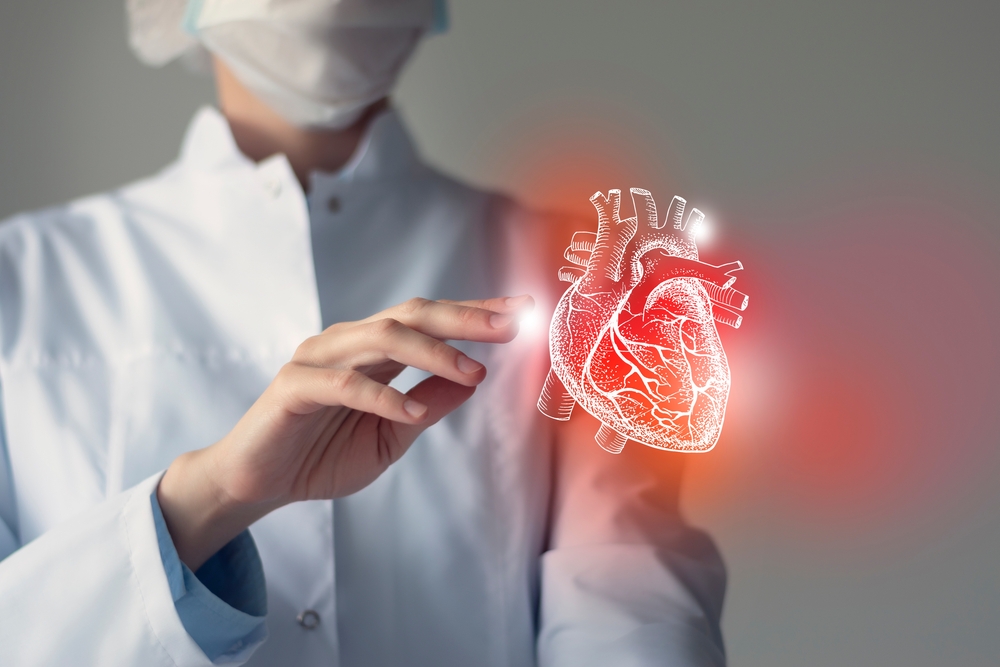
An implantable cardioverter-defibrillator (ICD) is a battery-powered device placed beneath the skin.
It monitors the heart's rhythm and can deliver electrical shocks if it detects dangerous rhythm disturbances.
Team doctor praised the device's performance
Denmark national team doctor Morten Boesen stated that the internal defibrillator responded as intended and that Eriksen was able to walk off the pitch on his own.
Defibrillators can restore heart rhythm

A defibrillator analyses the heart's rhythm and can deliver electrical shocks to help restore a normal heartbeat.
Also read: Mosquitoes have favorites - here’s why you’re one of them
Found in many public places
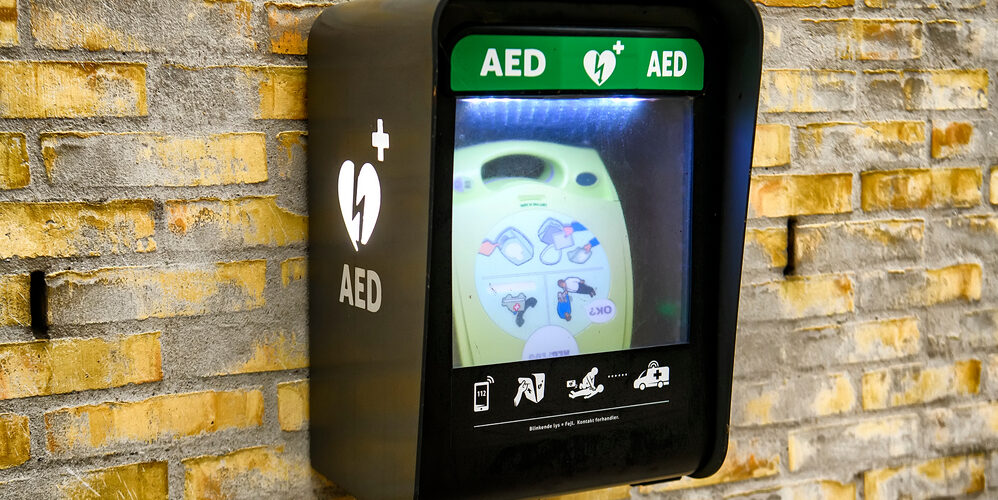
Defibrillators are not only used by people with heart conditions. They can also be found in workplaces, schools, gyms, and other public locations.
Rapid response is critical

Defibrillators are most effective when used within minutes of a cardiac arrest. For that reason, acting quickly is essential.
Can be used without medical training
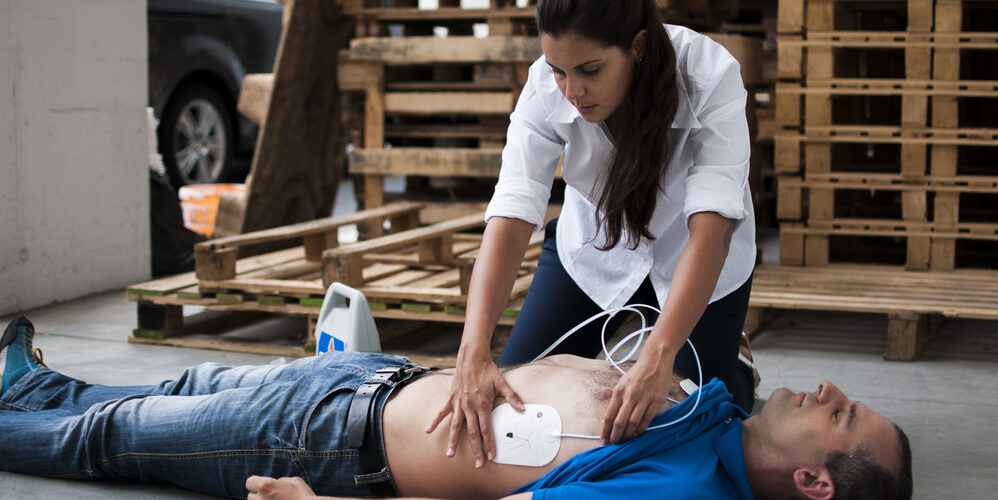
These devices are designed so that people without a medical background can use them in emergencies by following the built-in instructions.
How to use a defibrillator
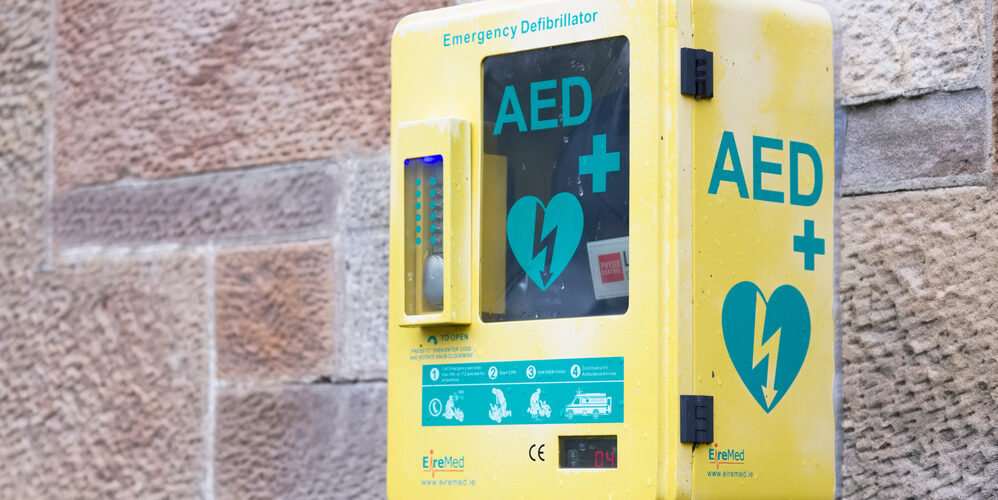
If a person is unconscious and not breathing normally, emergency services should be called immediately while cardiopulmonary resuscitation (CPR) is started.
Also read: Doctors warn: These symptoms could point to ovarian cancer
The defibrillator should then be switched on and its instructions followed.
Four possible warning signs before cardiac arrest

Some people experience symptoms before the heart stops pumping blood.
These warning signs may include chest discomfort, shortness of breath, weakness, and heart palpitations.
Cardiac arrest and heart attack are not the same

During a heart attack, a person is often conscious and breathing.
Also read: New discovery could give doctors a five-year head start against lung cancer
In a cardiac arrest, the person typically collapses suddenly, becomes unconscious, and stops breathing normally.
Certain heart conditions increase the risk

Some forms of heart disease can increase the risk of sudden cardiac arrest.
The most common cause is a serious heart rhythm disturbance known as ventricular fibrillation.
Source: The Sun.
This article is made and published by Ida-Marie Palm Varbæk, who may have used AI in the preparation.