
Carbohydrates do not need to be eliminated from the diet if the goal is to reduce body fat.
According to dietitian Jared Meacham, the key is to choose filling, nutrient-rich foods while keeping overall calorie intake under control, according to Healthline.
Legumes help you feel full
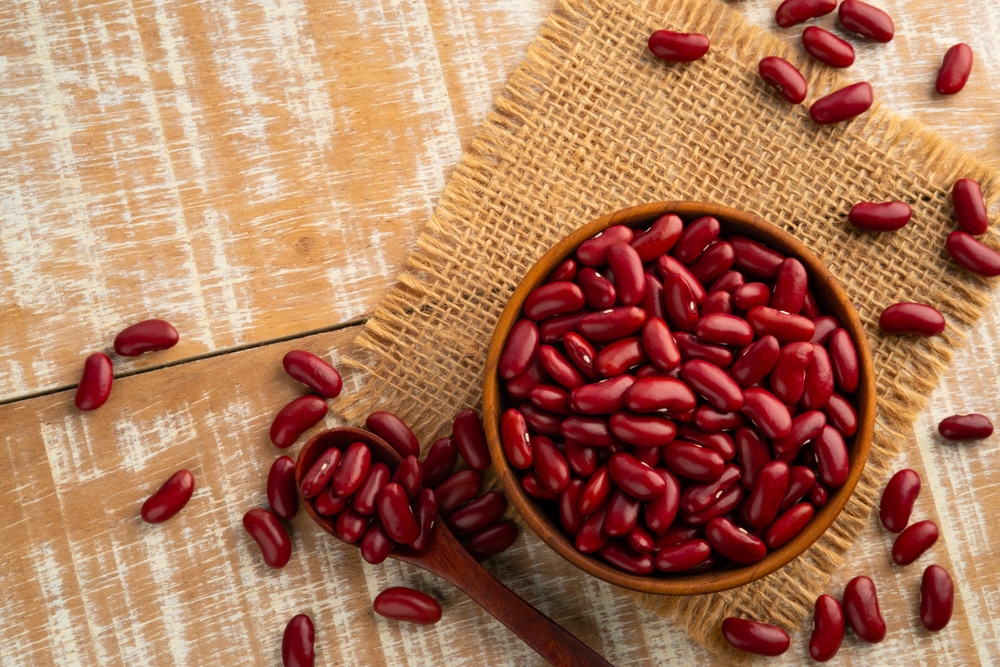
Beans, lentils, chickpeas and peas provide both fibre and protein. This combination can help promote fullness and provide steady energy, while the fibre also supports gut health.
Potatoes can be filling
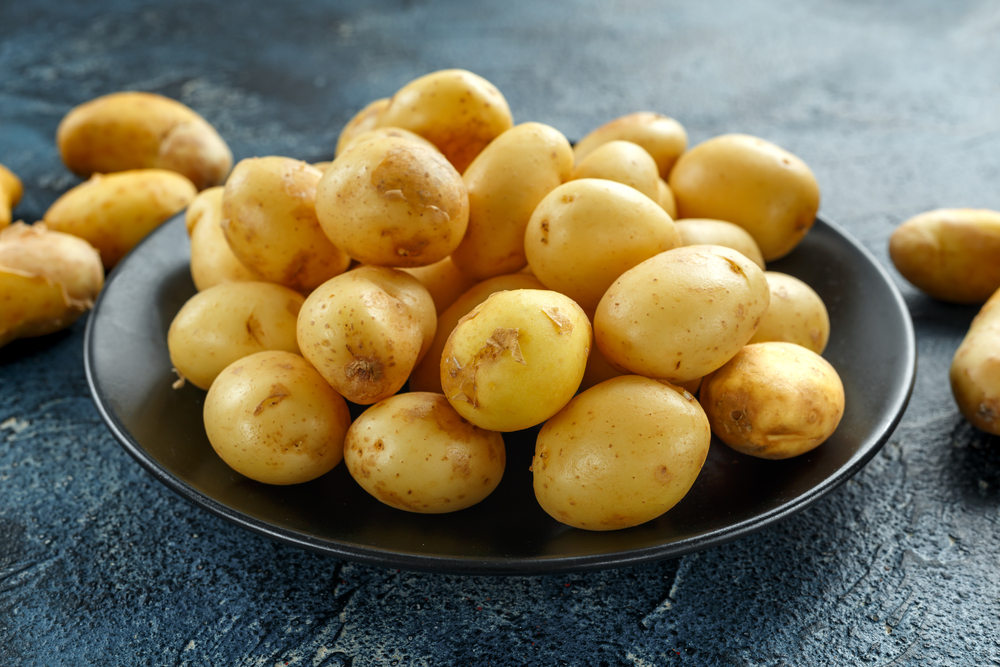
Potatoes can be very filling while providing relatively few calories, especially when boiled or baked.
Also read: A single blood test could catch 50 cancers before symptoms show
Preparation is important, as French fries and high-calorie toppings can quickly increase the calorie content of the meal.
Oats are rich in fibre

Oats contain soluble fibre, among other nutrients, and Meacham describes them as very filling.
They can be combined with foods such as Greek yoghurt, cottage cheese, nuts, seeds or fruit.
Whole grains provide nutrients
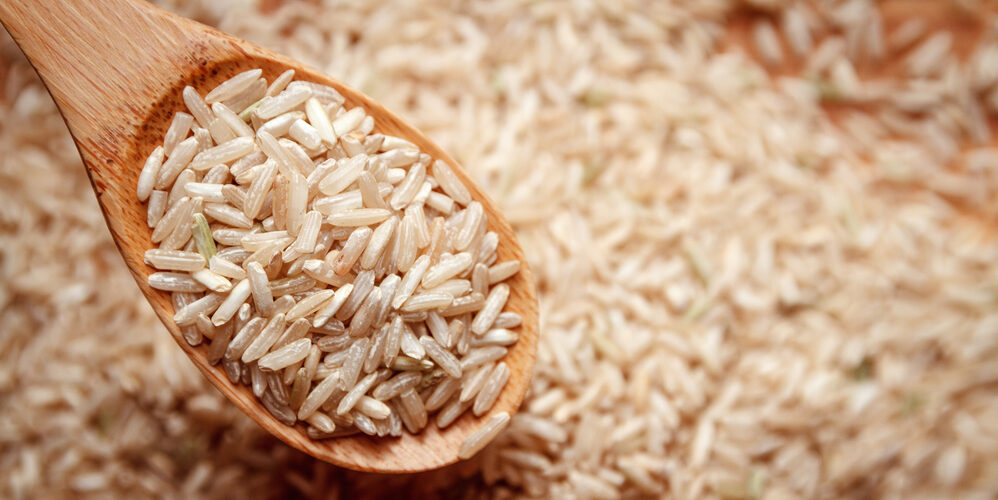
Brown rice, quinoa, barley, bulgur, buckwheat and amaranth provide carbohydrates, fibre and micronutrients.
Also read: Your waist measurement may reveal how vulnerable you are to everyday air pollution
Meacham recommends choosing whole grains over refined grains whenever possible.
Whole fruits
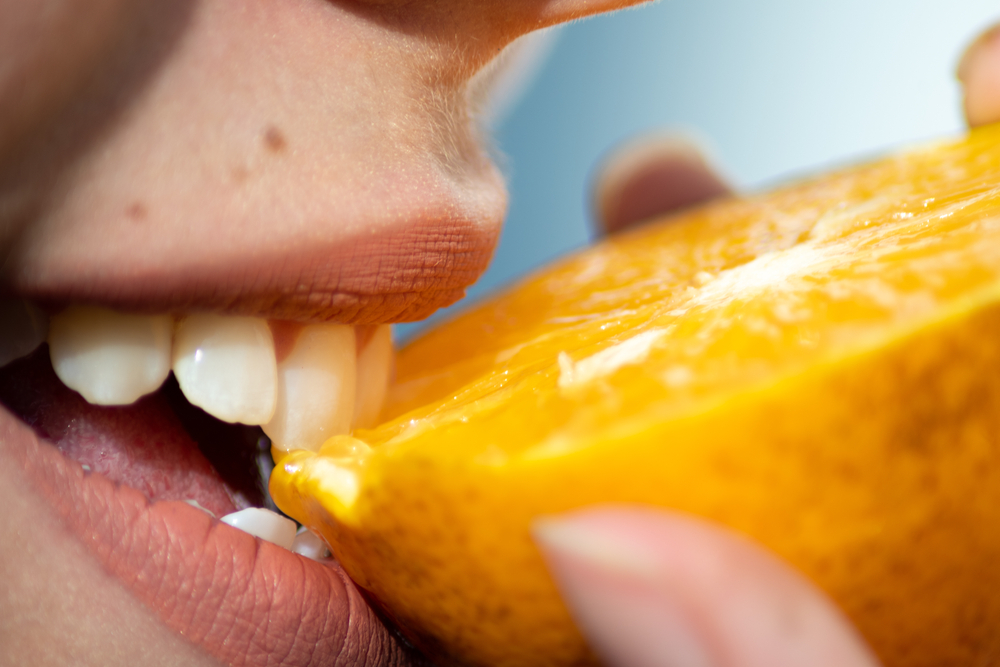
Fruit contains carbohydrates along with water, fibre, vitamins and minerals.
Apples, oranges and bananas, for example, can be eaten as a simple snack or as part of a meal.
Sweet potatoes
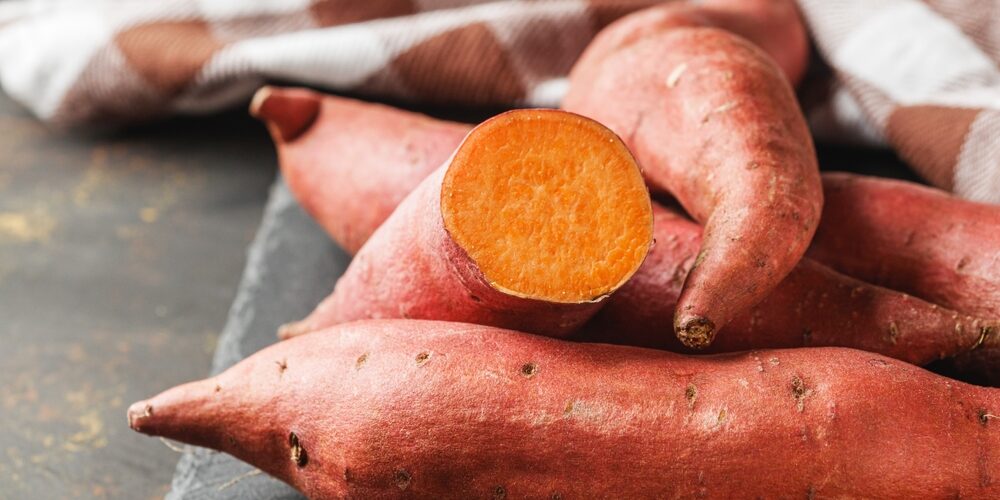
Sweet potatoes provide carbohydrates as well as vitamins and minerals.
Also read: How your weekly egg habit may quietly shape your Alzheimer's risk after 65
Meacham recommends eating the skin to get the most out of their nutritional content.
Popcorn as a snack

Air-popped popcorn can provide a large serving for a relatively modest number of calories.
However, portion sizes and toppings should be kept under control, as butter, oil and cheese can increase the calorie content.
A calorie deficit is key

According to Meacham, maintaining an overall daily calorie deficit is more effective for fat loss than simply restricting carbohydrates.
Also read: Whether you are the oldest or youngest sibling may shape which diseases you develop
Carbohydrates can therefore remain part of the diet during weight loss.
These carbs should be limited
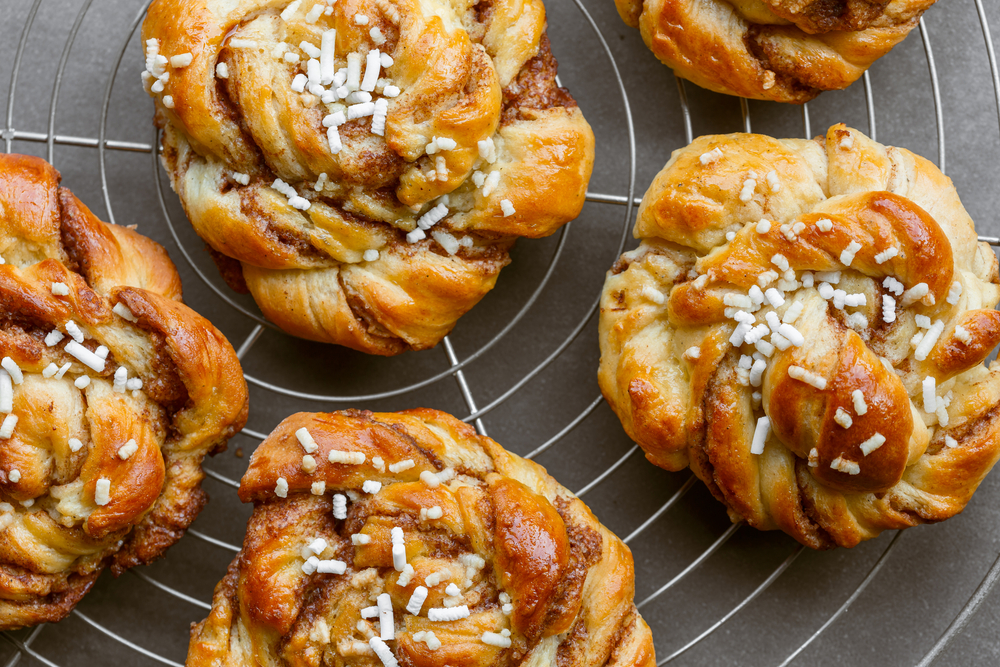
Soft drinks, sweets, cakes, biscuits, crisps and highly processed snacks should be consumed in moderation.
The same applies to large portions of refined foods such as pasta, rice and white bread.
Avoid liquid calories

Meacham particularly highlights calories from beverages. Soft drinks, sweetened tea and certain energy drinks can provide many calories without producing a corresponding feeling of fullness.
Also read: These celebrities kept their cancer diagnoses out of the public eye
Build a balanced meal
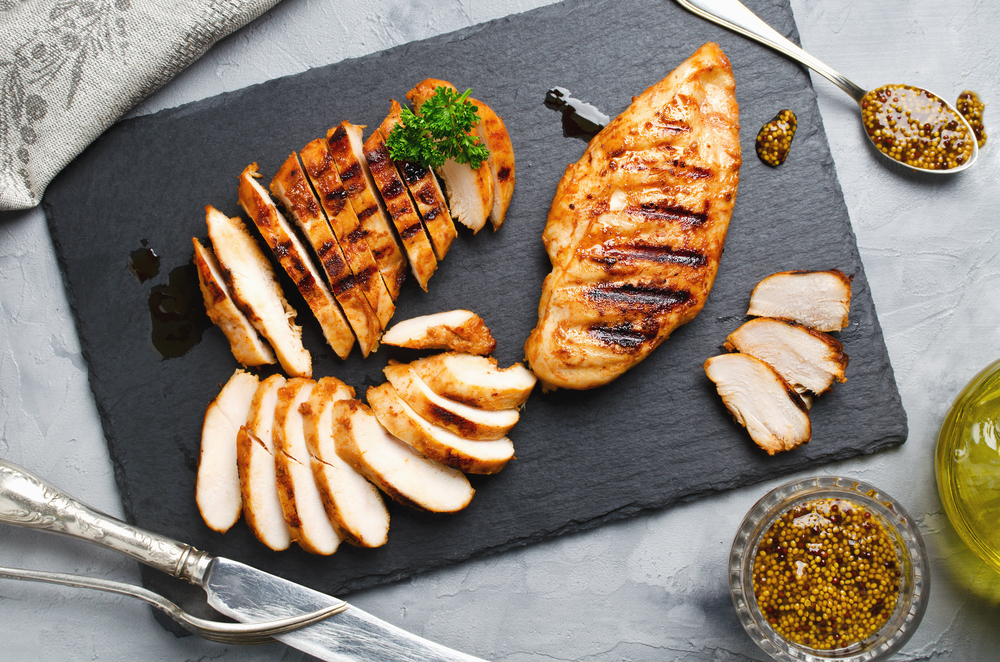
Carbohydrates can be combined with protein and fibre-rich foods to create a more balanced meal.
Healthline mentions examples including oats with Greek yoghurt and berries, as well as baked potatoes with chicken and vegetables.
Choose simple drinks

Water, unsweetened tea and black coffee are recommended as alternatives to high-calorie beverages. This can make it easier to keep overall calorie intake down.
Get moving after meals

Regular physical activity can complement dietary changes.
A walk or another short activity after a meal is mentioned as a simple way to incorporate more movement into your daily routine.
This article is made and published by Ida-Marie Palm Varbæk, who may have used AI in the preparation.