
Dementia is most commonly associated with memory loss and language difficulties. However, the condition can also manifest through a range of physical changes that are not always immediately linked to cognitive decline. A US geriatrician highlights several signs that may signal the disease.
Balance and walking may be affected

Difficulty walking steadily or maintaining balance can be an early warning sign. According to Dr Stephanie Nothelle, a geriatrician and associate professor at Johns Hopkins School of Medicine in Baltimore, smooth and coordinated movement requires significant cognitive control. Changes in this ability, particularly alongside other symptoms, may indicate dementia.
Physical symptoms often appear later

Many of the more noticeable physical changes tend to occur in the later stages of dementia. Nevertheless, certain mobility issues can emerge earlier in the progression of the disease.
Swallowing difficulties can develop

Dementia may impair essential motor functions involved in swallowing. This can cause food or liquids to go down the wrong way during meals.
Also read: Health experts warn against excessive bubble tea intake
Risk of food entering the lungs

When food passes into the airways instead of the oesophagus, it can become lodged in the lungs. This may lead to serious health complications.
Pneumonia is more common in later stages

If bacteria from food enter the lungs, it can result in aspiration pneumonia. For this reason, pneumonia is relatively frequent among people in the advanced stages of dementia.
Loss of bladder control
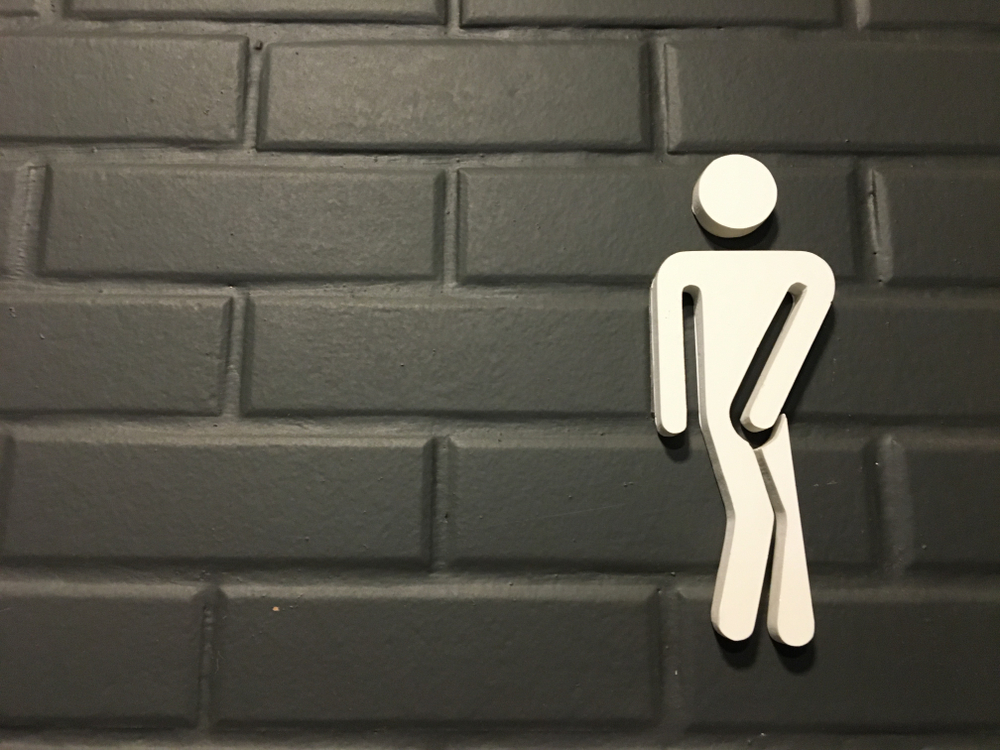
As the condition progresses, control over bodily functions can weaken. Incontinence can therefore become a symptom of dementia.
Nerve degeneration affects bladder function

Dr Nothelle explains that incontinence occurs because the nerves responsible for controlling the bladder gradually deteriorate as dementia advances.
Also read: Scientists develop antibody against virus linked to MS and cancer
Shuffling gait in Lewy body dementia

In dementia with Lewy bodies, cognitive symptoms typically appear before physical ones. Once physical changes develop, posture may worsen and walking can become slower and more shuffling.
Protein deposits in the brain

Lewy body dementia develops when clusters of proteins accumulate in nerve cells in the brain. According to Dementia UK, this type accounts for around 10 to 15 percent of dementia diagnoses, and possibly up to 20 percent.
Rigidity and freezing episodes

Common signs of Lewy body dementia include slowed movement, difficulty walking, shuffling steps, stiffness, and episodes where a person suddenly freezes mid movement.
Changes in smell and taste

Alterations in the senses of smell and taste are also associated particularly with Lewy body dementia.
Also read: Heart surgeon suffers heart attack after ignoring these warning signs
Increased drooling

The condition may lead to greater saliva production, making a person more prone to drooling.
Disrupted sleep cycle

Dementia can interfere with the brain’s ability to distinguish between day and night, disrupting the natural sleep wake cycle.
Restless nights and more daytime sleep

According to the Alzheimer’s Society, people with dementia may struggle to fall asleep, wake frequently during the night, and sleep more during the day due to physical changes occurring in the brain.
Sources: LADbible and Alzheimer's Society
Also read: She cut out sugar for a month: Here is what changed
Also read: Study finds COVID-19 and flu differ in long-term brain effects