
Kidney disease can be difficult to detect because the symptoms are often mild and nonspecific, according to Prevention.
As a result, the condition is often discovered late, even though it is widespread and serious.
The symptoms are often very subtle

Signs of kidney damage are usually so mild that they are only noticed at a late stage, when significant damage may already have occurred.
You can lose most of your kidney function without noticing
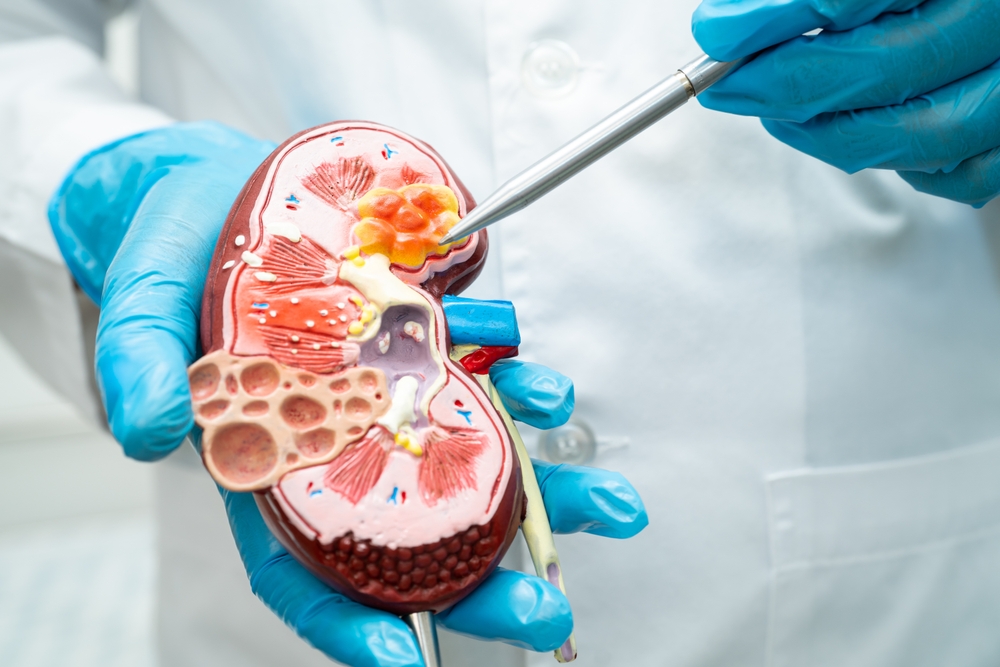
It is possible to lose up to 90 percent of kidney function without clear symptoms, making early detection difficult.
Also read: Common drugs show new promise against fatty liver
Several important functions

The kidneys filter the blood, regulate blood pressure, contribute to strong bones, and support the production of red blood cells.
Diabetes and high blood pressure increase the risk

The two most common causes of kidney disease are diabetes and high blood pressure, and a large proportion of patients with these conditions develop kidney problems.
Regular blood tests

An annual blood test can reveal elevated levels of the waste product creatinine, which may lead to further examinations such as urine tests or scans.
Certain types of medication can harm the kidneys

Some medications can be harmful to the kidneys, including certain painkillers, antibiotics, and drugs containing lithium or iodine.
Also read: Your bedtime may increase the risk of heart disease
Swollen ankles

If the kidneys are not functioning properly, fluid can build up in the body and cause swelling, especially in the feet, ankles, and legs.
Reduced urination

When fluid is retained in the body, it can lead to urinating less than usual, even if fluid intake remains the same.
Fatigue

Kidney problems can affect hemoglobin levels and lead to anemia, which can cause fatigue and weakness.
Nausea and reduced appetite

A buildup of waste products in the body can cause symptoms such as nausea, vomiting, and a lack of appetite.
Also read: Cocaine residues in water cause salmon to change behavior, new study shows
High blood pressure
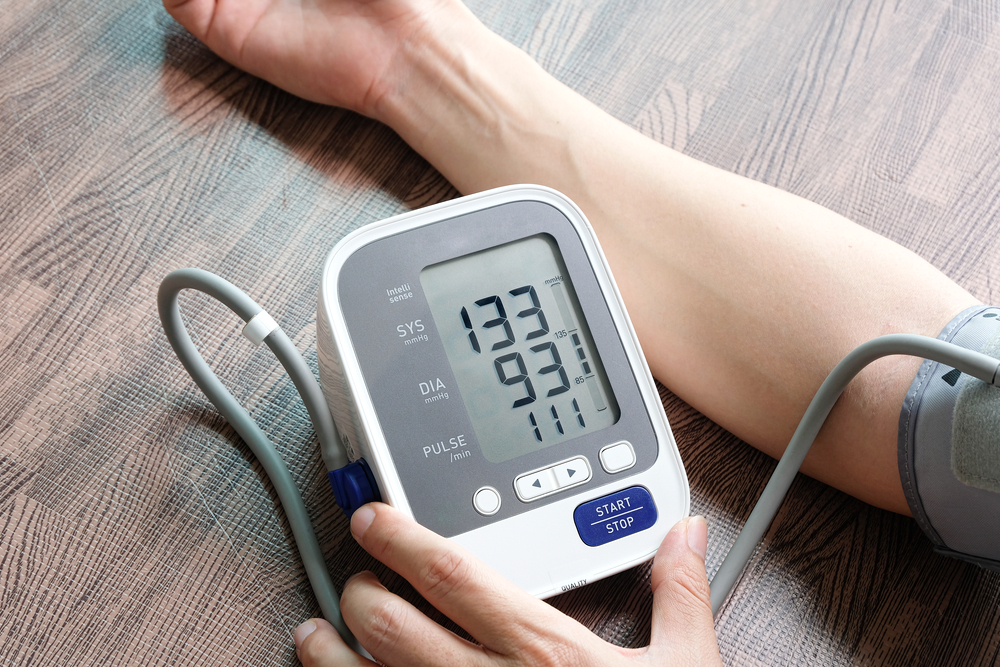
Damaged kidneys have more difficulty regulating blood pressure, and at the same time, high blood pressure can worsen kidney damage.
Heart palpitations

A buildup of potassium in the body can lead to an irregular or rapid heart rhythm.
Difficulty concentrating

Waste products in the blood can affect the brain and lead to problems with memory, focus, and clear thinking.
Sources: Prevention.
Also read: How to find the best chicken in the supermarket
Also read: How ramen noodles can affect your body if you eat them every day
This article is made and published by Ida-Marie Palm Varbæk, who may have used AI in the preparation.