
Noticing memory lapses or confusion in someone close to you can be unsettling. While occasional forgetfulness is part of aging, consistent cognitive changes may require a thoughtful approach.
Talk With Trusted People First

Before acting, consult others close to your loved one to see if they have noticed similar behaviors. This helps avoid misinterpretations and ensures you are not acting alone.
Choose the Right Time and Place

Timing is everything. Make sure you talk when both of you feel calm and relaxed, in a comfortable, private setting without distractions.
Use Personal Examples Carefully

Bring up specific instances that raised your concern, but avoid overwhelming them with lists. Keep the tone caring and non-accusatory.
Avoid Using Labels

Steer clear of words like “dementia” in the initial conversation. Focus on the changes you’ve noticed and express concern for their well-being.
Focus on Support, Not Criticism

Reassure them that your goal is to offer support and explore ways to make their life easier—not to criticize or control them.
Suggest Medical Consultation

Encourage them to see a doctor, focusing on the benefits of understanding what’s happening. Offer to accompany them if they feel nervous.
Understand That Denial Is Common
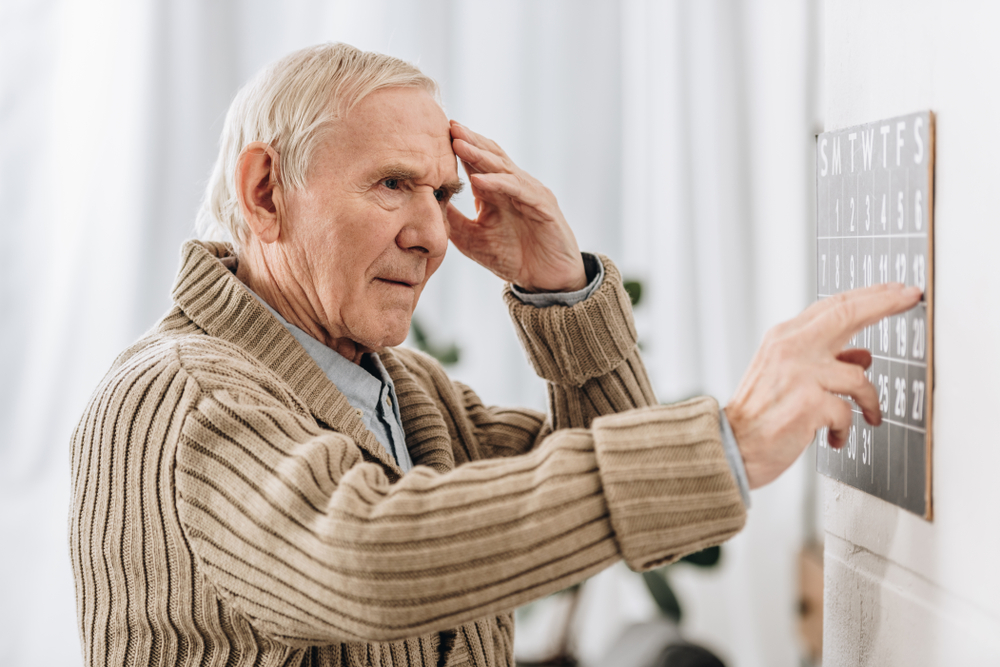
Be prepared that they might not see the changes themselves or could deny any issues. Patience is key in these situations.
Prioritize Safety Concerns

If their behavior raises serious safety concerns, like unsafe driving or misuse of medication, it may be necessary to act more urgently.
Seek Professional Guidance If Needed

If they continue to refuse help, consider contacting their doctor to discuss your observations. This step should be taken carefully, ideally with their consent.
Remember Your Own Well-Being

Supporting someone with cognitive challenges can be emotionally taxing. Take care of your own mental health and seek support when needed.
This article is based on information from Healthline
This article is made and published by Mie Hermansen, who may have used AI in the preparation.