
Summer often tempts us to linger in the sun without proper protection. But even a single sunburn can set off damage that stays with your skin for life. Here’s a timeline of what happens to your skin after a sunburn – from the very first minutes to many years later.
15 minutes
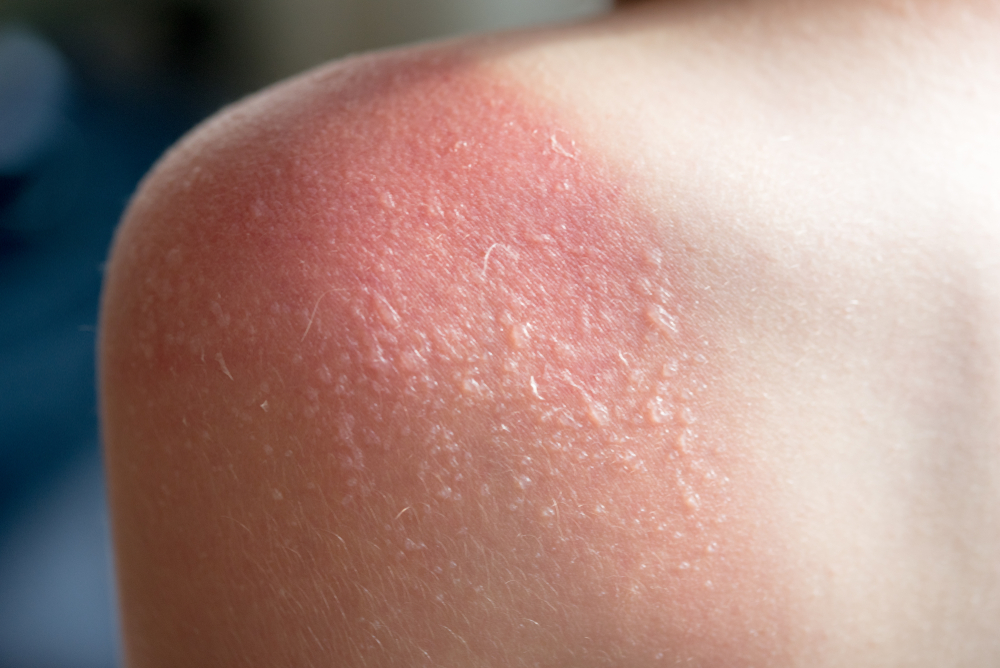
UV rays penetrate the outer layers of the skin, triggering an inflammatory response from the immune system that dilates blood vessels. You won’t feel it yet, but the damage has already begun.
After 2 hours
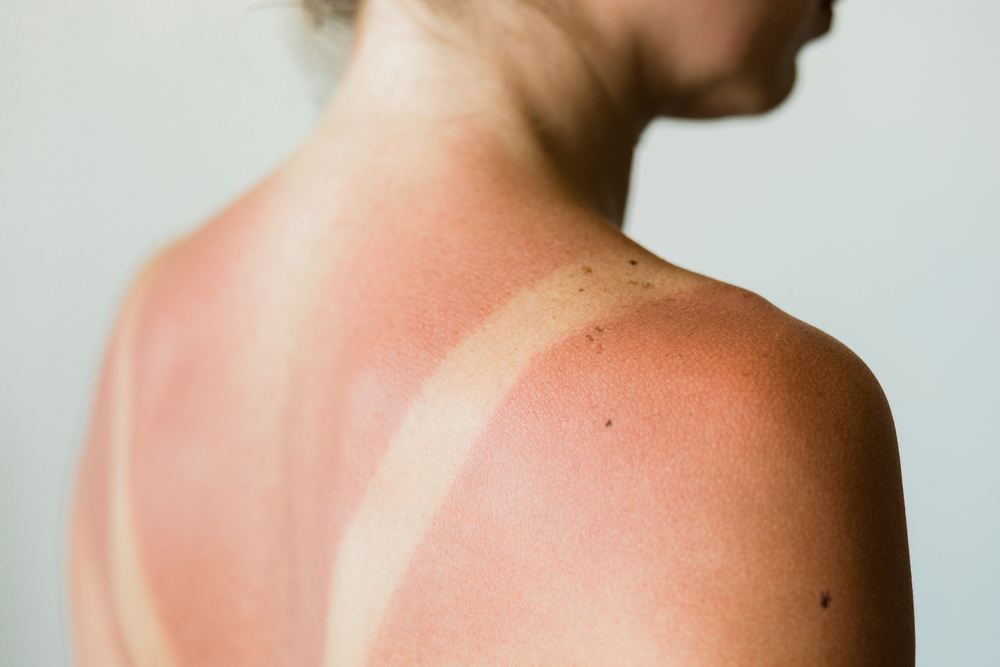
The skin feels warm, tender, and swollen as inflammation continues. Nerve cells become stimulated, causing pain. In severe cases, blisters can form, signaling dead skin cells.
After 6 hours
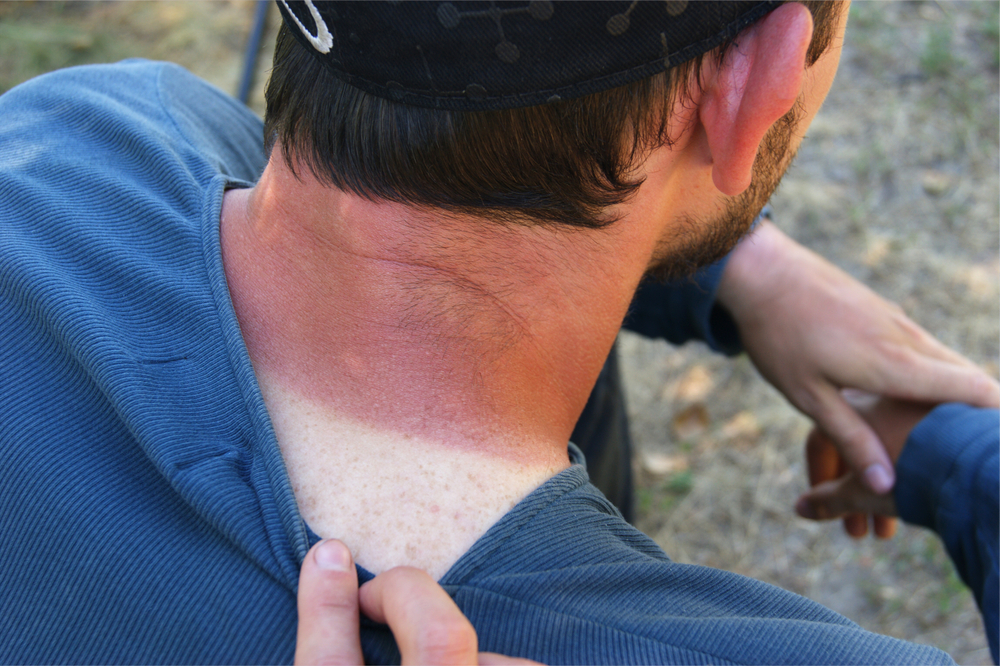
Redness typically peaks, and the skin may feel tight. The immune system is working at full capacity to limit damage, but DNA in many cells is already affected.
Also read: Replace Unhealthy Favorites With These Better Options
After 24 hours

Pain can be intense, and the skin may feel like it’s burning. A severe burn can trigger flu-like symptoms such as fever and chills.
After 48 hours
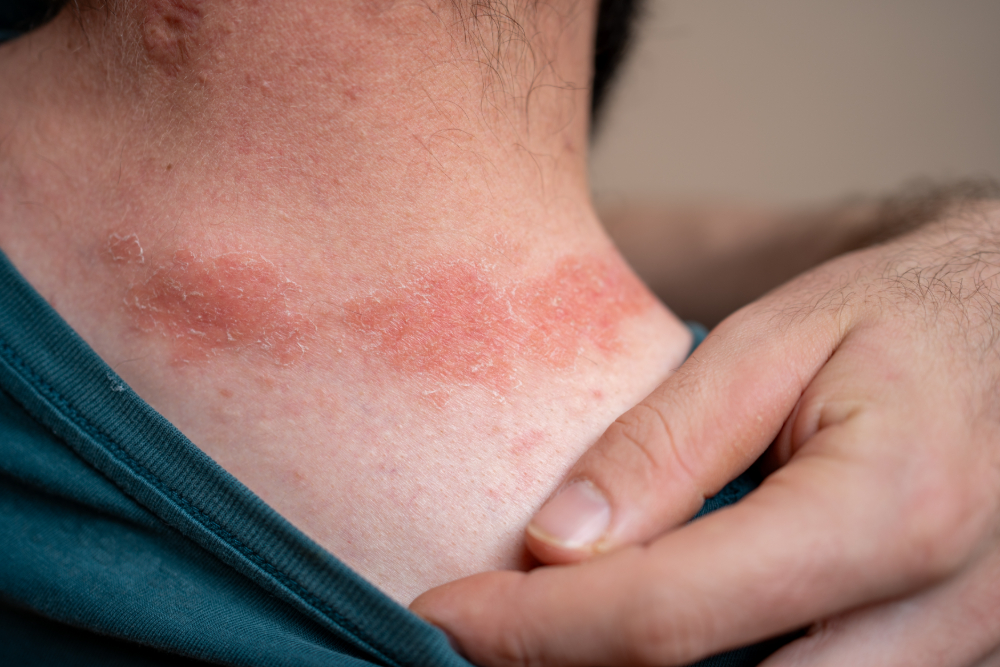
The upper layer of skin begins to peel away as the body sheds cells that are too damaged to repair. Itching is a common symptom at this stage.
After 72 hours
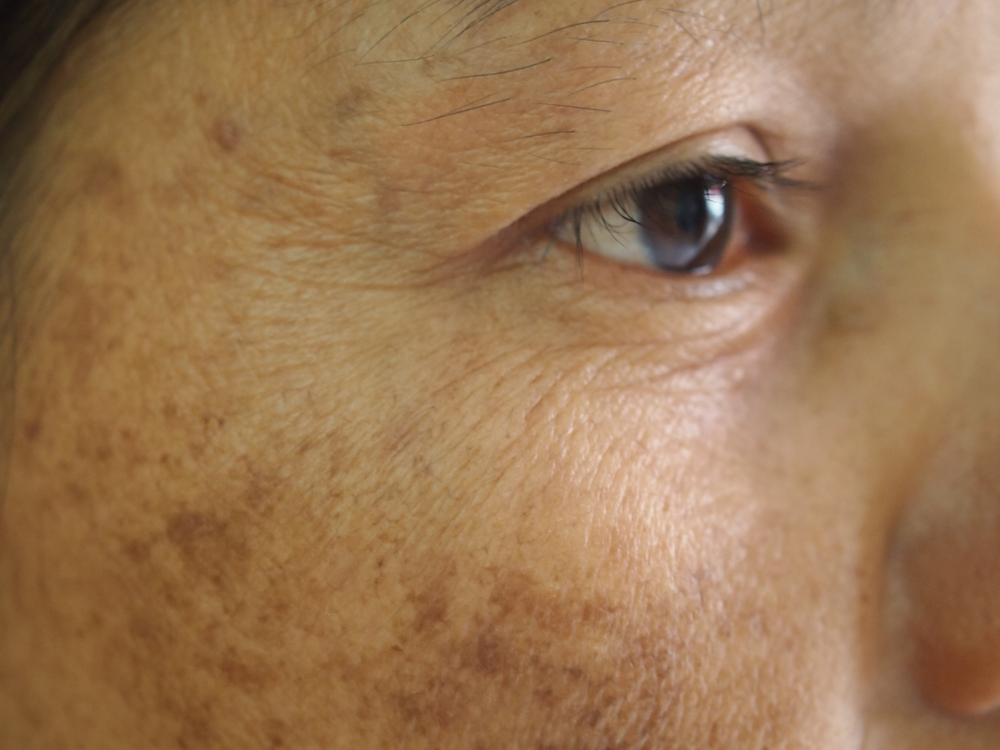
Swelling subsides, but pigmentation changes may begin to appear. Freckles or dark spots can develop and, in some cases, become permanent.
After 1 month
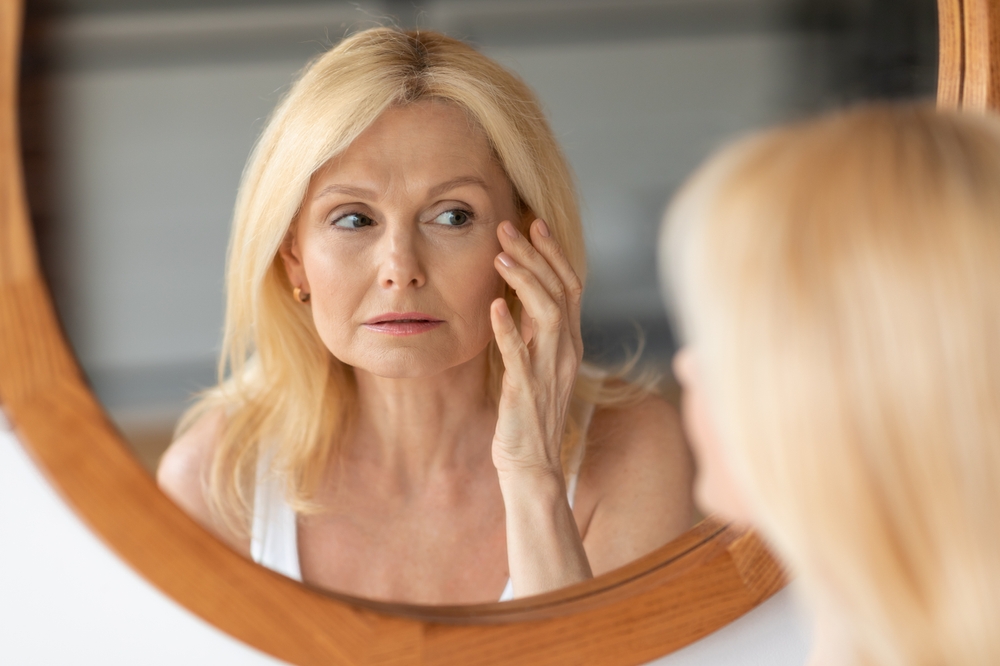
Even if the skin looks healed, it’s still repairing deeper damage. The structure of connective tissue may be weakened, which can eventually lead to fine lines.
Also read: Experts Agree: Olive Oil Is the Best Choice for Your Health
After 1 year
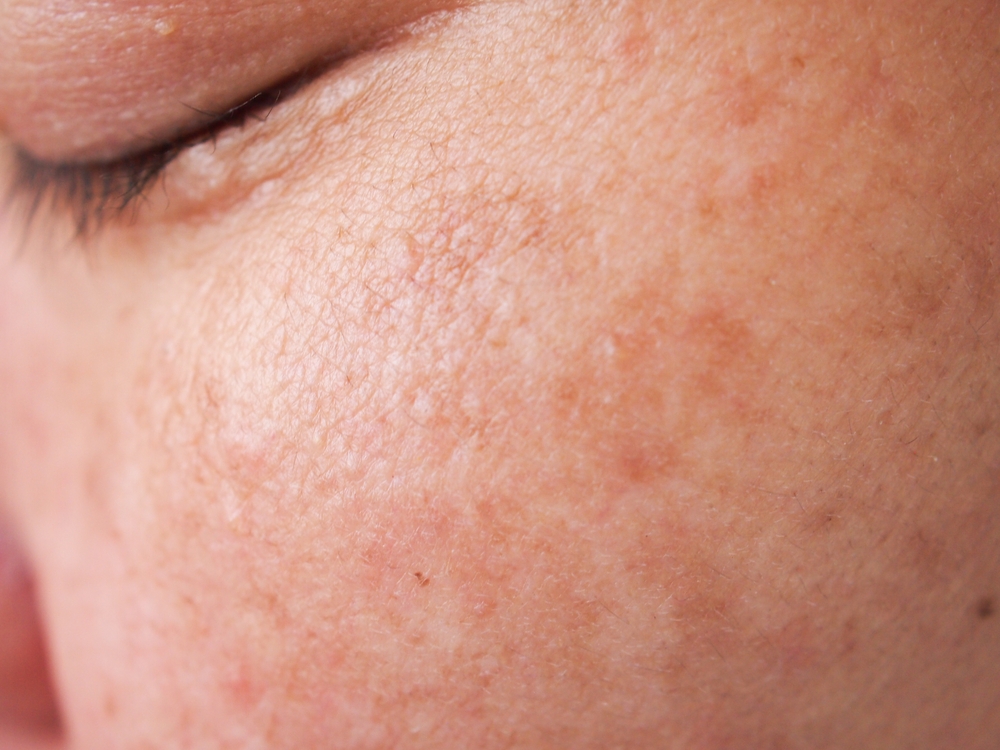
Previous sunburns may have left lasting marks such as pigmentation spots, wrinkles, or looser skin. The damage can also increase the risk of skin diseases, including cancer.
After 5 years

Cumulative sun damage starts to build up, and mutations in skin cell genes can develop into precancerous changes, often without visible signs.
After 10 years

The accumulated UV damage can result in skin cancers, including melanoma. Eyes may also be affected, with an increased risk of cataracts after years of overexposure.
This article is based on information from the B.T.
Also read: What Really Happens to Your Body After Two Weeks Without Sugar
Also read: Experts Reveal: The Best Tricks to Fall Asleep in Minutes
This article is made and published by Mie Hermansen, who may have used AI in the preparation.