
Writer Sian Ferguson from Verywell Mind decided to cut out added sugar for a month to explore how it would affect mood, energy, and mental clarity.
The experiment led to several noticeable changes in habits, emotions, and overall energy levels.
First week brought new eating habits

At the beginning, the challenge was mostly about changing behavior.
Sian Ferguson started reading food labels and quickly discovered how many products contain added sugar, including foods often considered healthy.
Also read: Investigation of 2,800 sunscreens raises concerns – only 20 percent meet requirements
Surprising discoveries
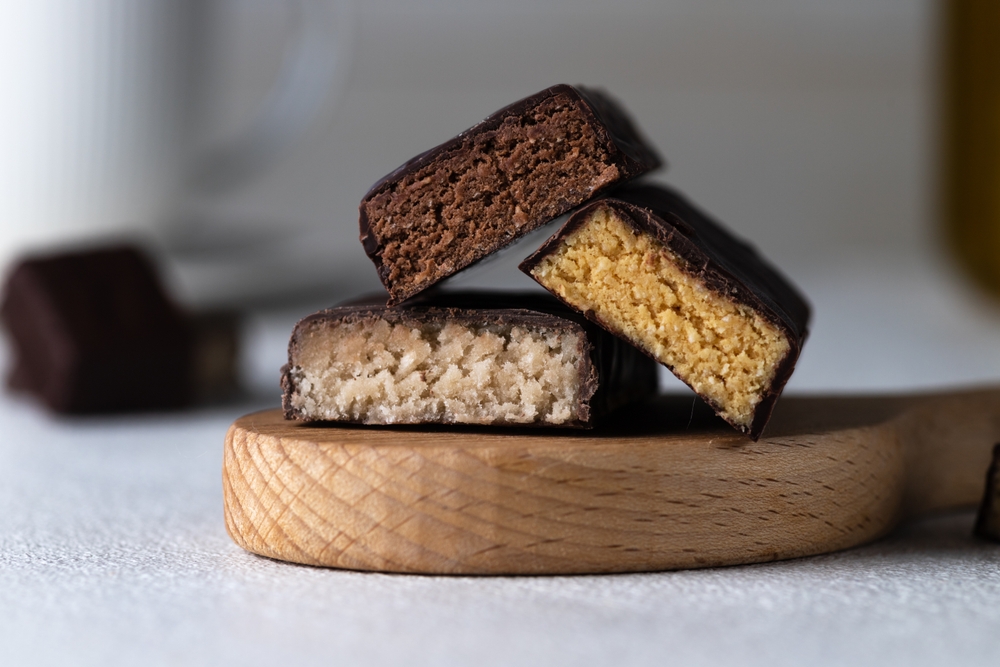
Several savory meals and snacks turned out to contain sugar. Protein bars, wraps, and tomato-based dishes were among the most surprising products during the experiment.
Eating out became more difficult

Dining at restaurants proved challenging because menus rarely specify which dishes contain sugar. As a result, choosing meals became more complicated.
No major withdrawal symptoms at first

Although many people experience headaches, fatigue, and mood swings when cutting out sugar, Sian Ferguson did not notice strong withdrawal symptoms during the first week.
Mood began changing after ten days

After about a week and a half, energy and mood started to feel more stable. The dramatic highs and lows following sugar consumption gradually disappeared.
Also read: These three celebrities were diagnosed with colorectal cancer – here are their stories
Emotional eating became more obvious

Sian Ferguson became more aware of how sweet treats had previously been used as comfort or rewards in everyday life.
Journaling replaced snacking

On the recommendation of a therapist, Sian Ferguson began writing about emotions instead of eating to cope with them. This provided greater insight into personal reactions and habits.
Improved mental clarity became noticeable

By the third week, Sian Ferguson experienced less brain fog and felt mentally sharper throughout the workweek without the crashes that often followed sugar intake.
Mood became more stable

There were fewer periods of irritability and emotional fluctuations. Sian Ferguson described feeling calmer and more balanced.
Also read: Researchers warn about the effects of junk food on children
Sugar-free alternatives worked well

Nuts, dark chocolate, and fruit were used as alternatives to sugary snacks. They felt satisfying without causing the same energy crashes afterward.
Sleep and energy improved

By the end of the month, Sian Ferguson felt more rested, and energy levels remained steadier throughout the day.
Sugar cravings decreased

Although cravings for sweets did not disappear completely, the need for sugar became significantly smaller after four weeks without added sugar.
The experiment increased self-control

Sian Ferguson felt more confident in personal choices after completing the challenge and described being more disciplined about eating habits.
Also read: Scientists raise alarm over children’s brain health
Researchers link sugar to mood problems

Research published in Scientific Reports suggests that high amounts of sugar may be linked to depression, anxiety, and mood swings.
Refined sugar affects the body differently

According to experts from Verywell Mind, refined sugar causes rapid spikes and drops in blood sugar levels, which can lead to fatigue, irritability, and difficulty concentrating.
Natural sugar was still allowed

During the experiment, Sian Ferguson continued eating fruit and dairy products because natural sugars are absorbed more slowly due to fiber and nutrients.
Experts recommend moderation rather than extreme rules

Dietitians told Verywell Mind that complete abstinence from sugar is not necessarily the best solution for everyone. Instead, they recommend balance and conscious choices.
Also read: These preservatives may increase the risk of heart disease
Small changes can make a difference

According to Sian Ferguson, the experiment showed that even small dietary adjustments can improve focus, sleep, energy, and mood.
Sources: Verywell Mind and Scientific Reports.
This article is made and published by Ida-Marie Palm Varbæk, who may have used AI in the preparation.