
According to a new study from University College Cork, diets high in fat and sugar early in life may affect the brain well into adulthood. Researchers also found that certain gut bacteria and fibers could help reduce some of the long term effects, reports Science Daily
Early junk food exposure may affect the brain

Researchers found signs that unhealthy eating habits during childhood can change how the brain regulates appetite and eating behavior.
The effects may continue into adulthood

Even after switching to a healthier diet and returning to a normal weight, changes in eating behavior were still observed.
Sugar and fat played a major role
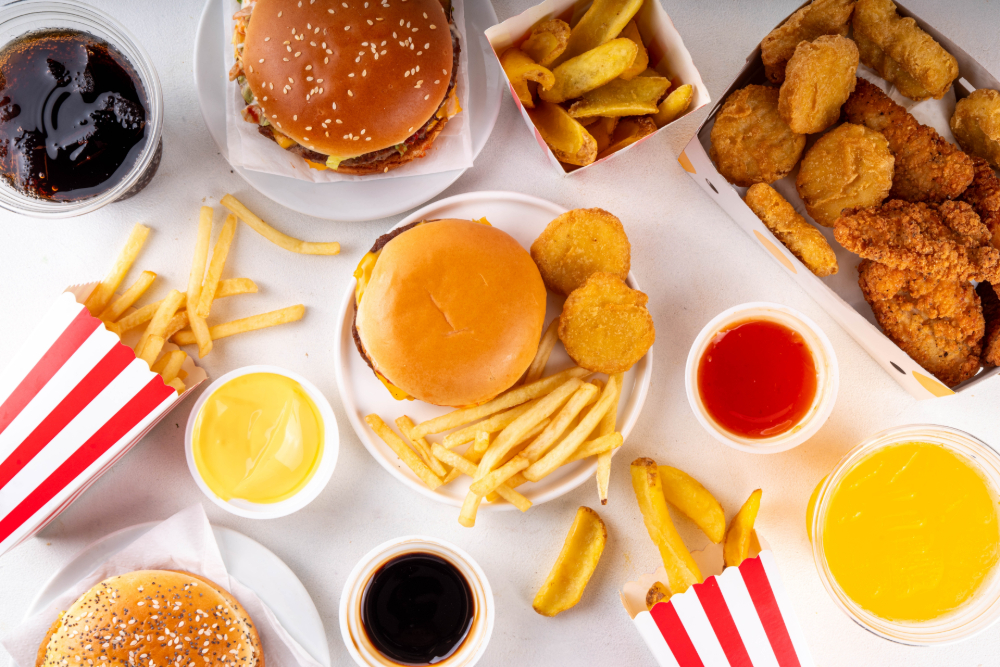
The study focused on diets high in sugar and fat, which researchers linked to the behavioral changes.
Also read: Scientists raise alarm over children’s brain health
Brain regions linked to appetite may be altered

Researchers connected the changes to the hypothalamus, an area of the brain involved in appetite and energy balance.
Many children are exposed to junk food early

The researchers noted that heavily processed foods are widely available and often marketed directly toward children.
Sugary and fatty foods are common in daily life

According to the study, these types of foods are often present at birthday parties, school events, and sports activities.
Food preferences may develop early

The findings suggest that children can form long lasting preferences for certain foods from an early age.
Also read: These preservatives may increase the risk of heart disease
The risk of obesity may increase later in life

Researchers believe the brain changes linked to unhealthy diets could raise the likelihood of obesity in adulthood.
Gut bacteria may play an important role

The study also explored whether the gut microbiome could help counter some of the lasting effects.
One bacterial strain showed promising results
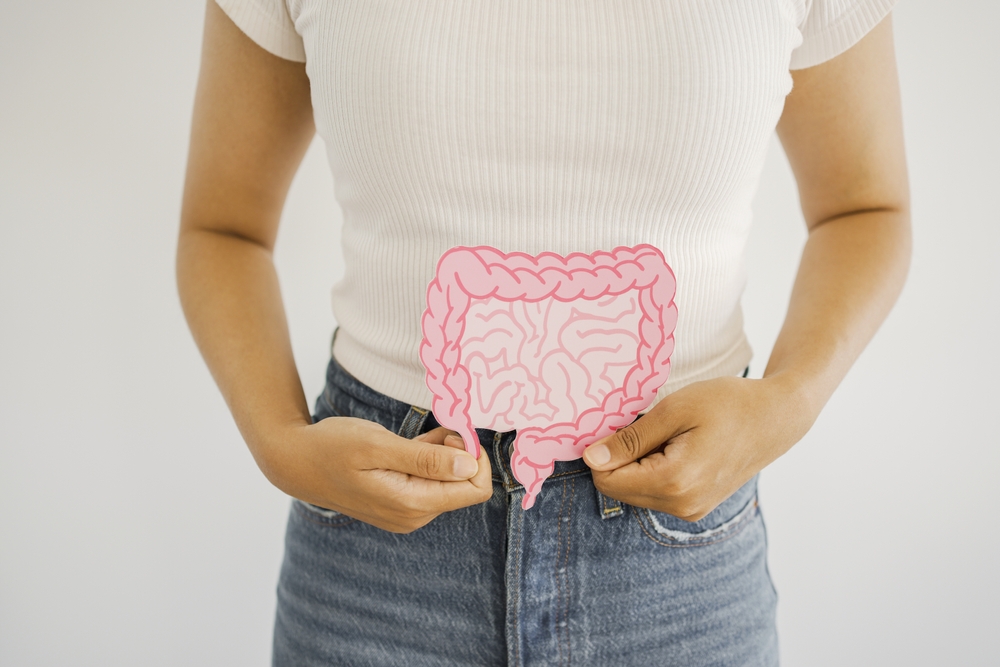
Researchers highlighted the strain Bifidobacterium longum APC1472, which improved feeding behavior in the study.
Fibers were also part of the research

The team tested prebiotic fibers such as FOS and GOS, which are naturally found in foods like onions, garlic, and bananas.
Also read: Around one in five gained full control of sleep apnea in trial
The findings may open new possibilities
Researchers believe the study could lead to future treatments that use the gut microbiome to support healthier eating behaviors.
Also read: Why you should never put eggs with shells in the microwave
This article is made and published by Mie Hermansen, who may have used AI in the preparation.