
Beets are nutrient-rich and known for supporting blood pressure and circulation. At the same time, they contain oxalates, which can influence kidney stone risk in some individuals. Here are the key takeaways from experts, reported by EatingWell
Beets are rich in nutrients
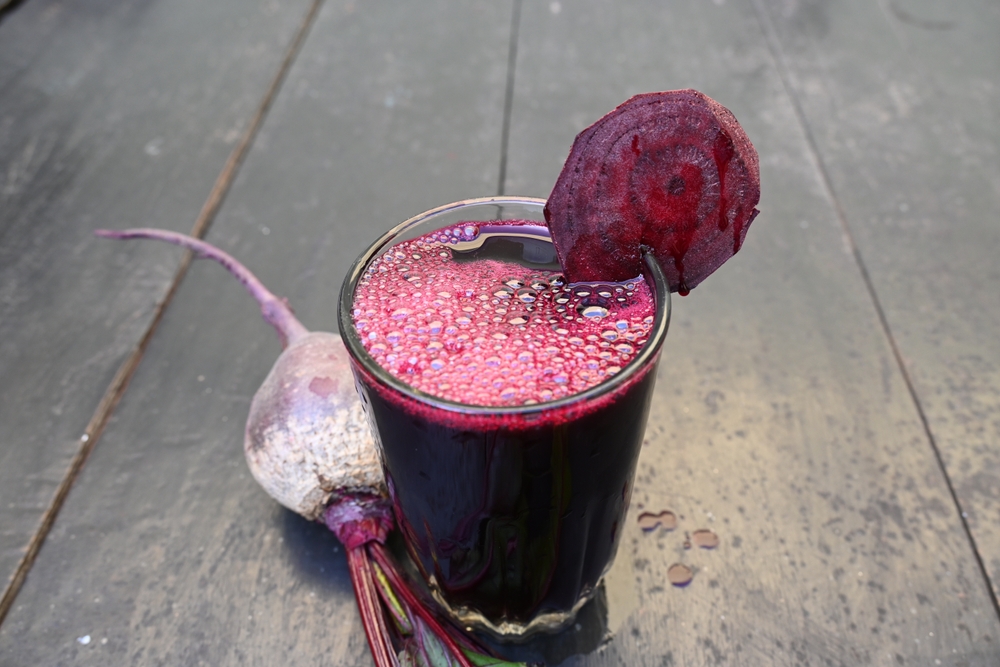
Beets provide fiber, folate, potassium and natural nitrates that support overall body function and health.
They can improve blood flow

The nitrates in beets are converted into nitric oxide, which helps blood vessels relax and improves circulation.
They may support healthy blood pressure

Lower blood pressure can reduce strain on the kidneys and help maintain proper kidney function.
Also read: Have you had a urinary tract infection? It may increase your risk of dementia
Blood pressure directly affects the kidneys

Damage to blood vessels caused by high blood pressure can impair the kidneys’ ability to filter blood efficiently.
They should be part of a balanced diet
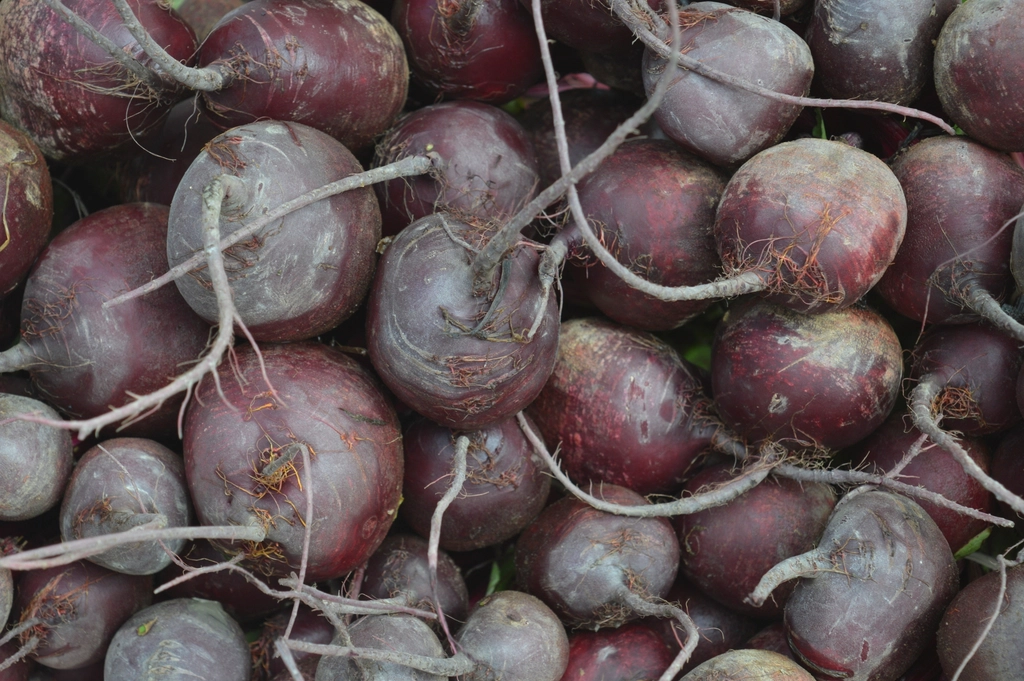
Beets work best when included in a diet with vegetables, fruits and adequate fluid intake.
Beets contain oxalates
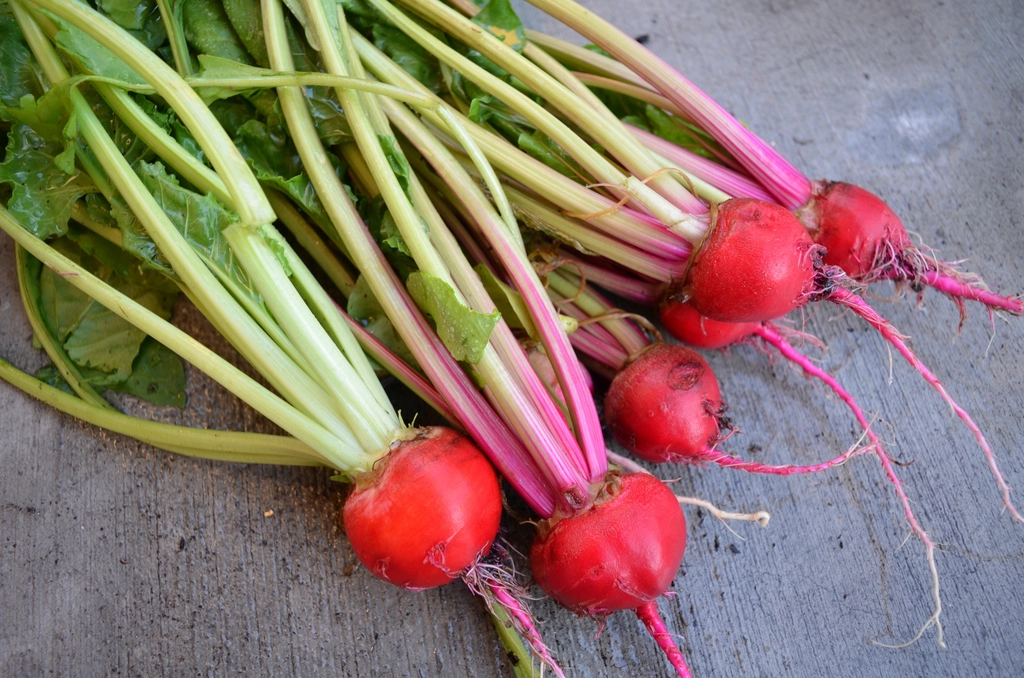
Oxalates can bind with calcium in the kidneys and form calcium oxalate stones, the most common type of kidney stone.
The risk is low for most people
Eating typical portions of beets does not significantly increase kidney stone risk in people without a history of stones.
Also read: Menstrual pad could help detect disease early
Those with kidney stones should be cautious
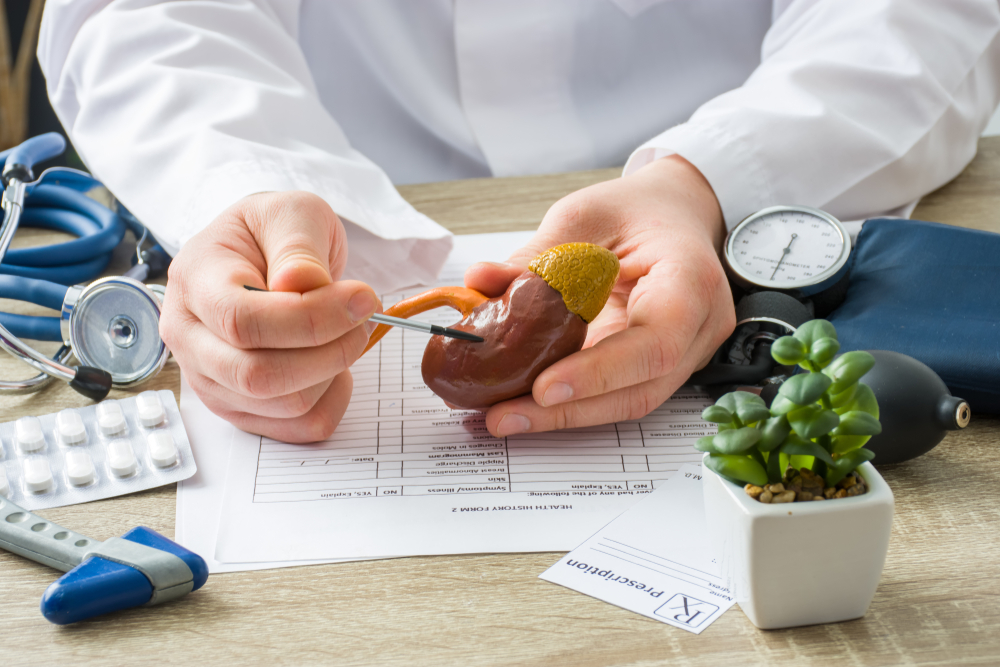
A high intake of oxalate-rich foods may increase risk in individuals who have previously had kidney stones.
Beets can turn urine red

Pigments in beets can cause urine to appear pink or red, a condition known as beeturia.
The color change is temporary

This effect is harmless and usually disappears within a day.
Whole beets are better than juice

Beet juice contains more concentrated oxalates, while whole beets also provide fiber.
Also read: Psychologist reveals clear signs that you are emotionally mature
Preparation and hydration matter
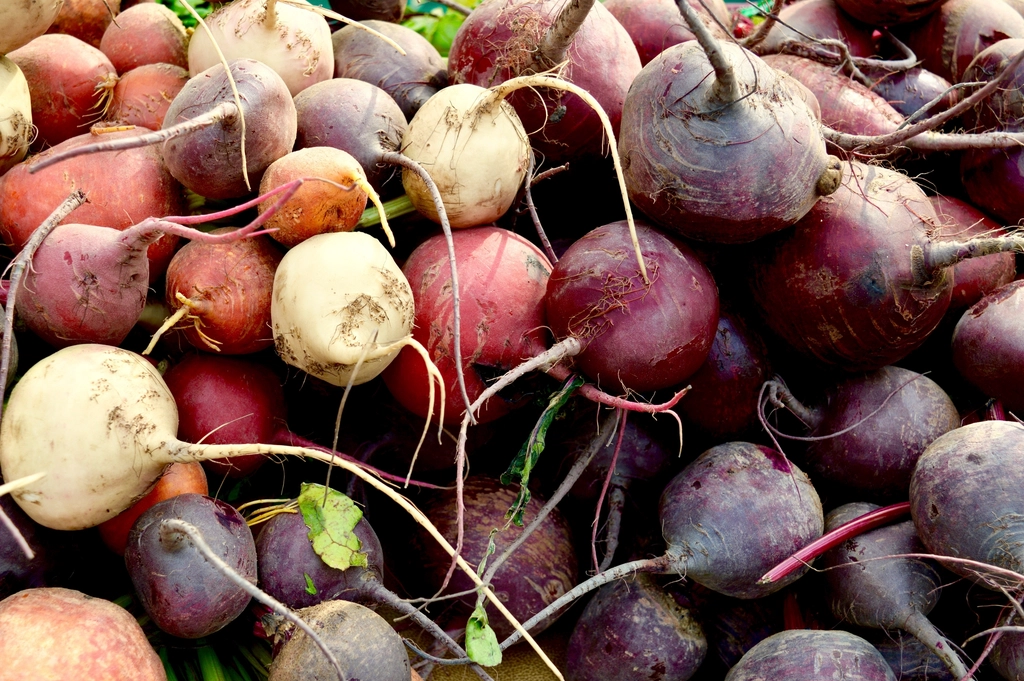
Boiling can reduce oxalates, and adequate fluid intake helps lower the risk of kidney stones by diluting substances in urine.
Also read: Researchers develop a new way to whiten teeth without damaging them