
Cabbage is low in calories but packed with nutrients that support several important functions in the body. From vitamins and minerals to fiber and plant compounds, this cruciferous vegetable offers a wide range of potential health benefits when eaten regularly.
A nutrient-rich vegetable with few calories
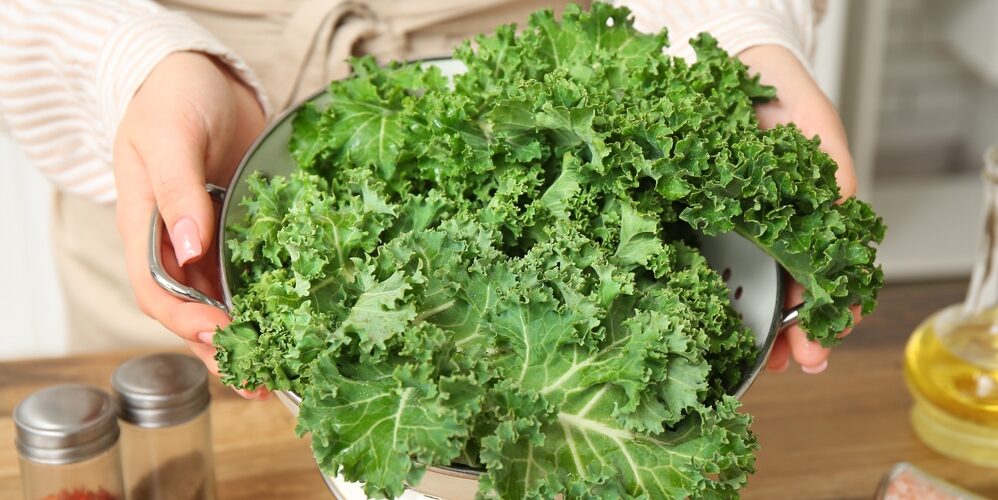
Despite its low calorie content, cabbage provides fiber, vitamins, minerals, and small amounts of protein. This combination makes it a nutritious addition to everyday meals.
Fiber is one of its biggest strengths

One of cabbage's main nutritional advantages is its fiber content. Fiber promotes fullness, supports digestive health, helps relieve constipation, contributes to healthy cholesterol levels, and can assist with blood sugar control.
It provides key vitamins your body needs
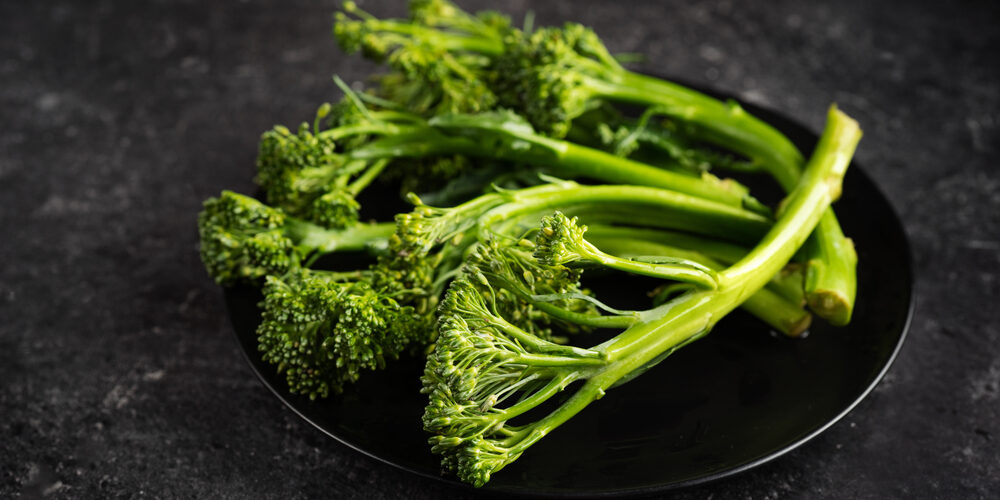
Cabbage is a good source of both vitamin C and vitamin K. Vitamin C supports the immune system, collagen production, and iron absorption from plant foods, while vitamin K is essential for healthy bones and normal blood clotting.
Also read: Could humans live to 200? Scientists have a new answer
Potassium adds another health benefit
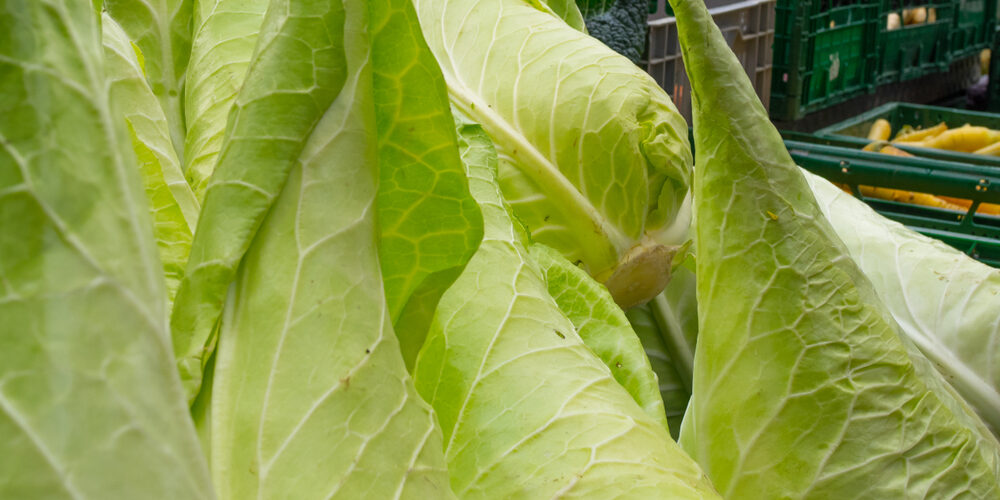
The vegetable also supplies potassium, a mineral involved in nerve function, muscle contractions, and maintaining a regular heartbeat. Potassium can also help balance the effects of sodium on blood pressure.
It may support heart health in several ways

Research has linked higher intakes of cruciferous vegetables, including cabbage, with a lower likelihood of changes in blood vessels associated with future heart problems. Its fiber content also fits well into a heart-healthy eating pattern.
Natural plant compounds may help protect cells
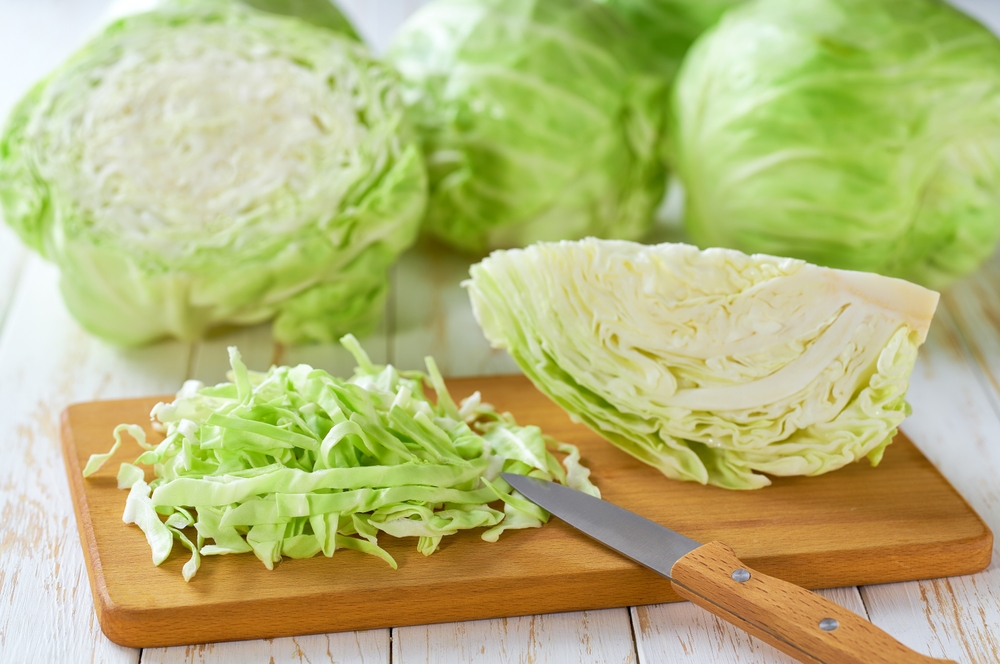
Cabbage contains isothiocyanates, antioxidant compounds that have been associated with lower levels of inflammation and protection against cellular damage.
Scientists continue to study its cancer-related potential

Another group of natural compounds found in cabbage, called glucosinolates, is broken down during digestion into substances that researchers believe may have cancer-fighting properties. More research is needed, and cabbage should not be viewed as a way to prevent cancer on its own.
Also read: Study questions whether protein powder works after 65
Red cabbage offers something extra
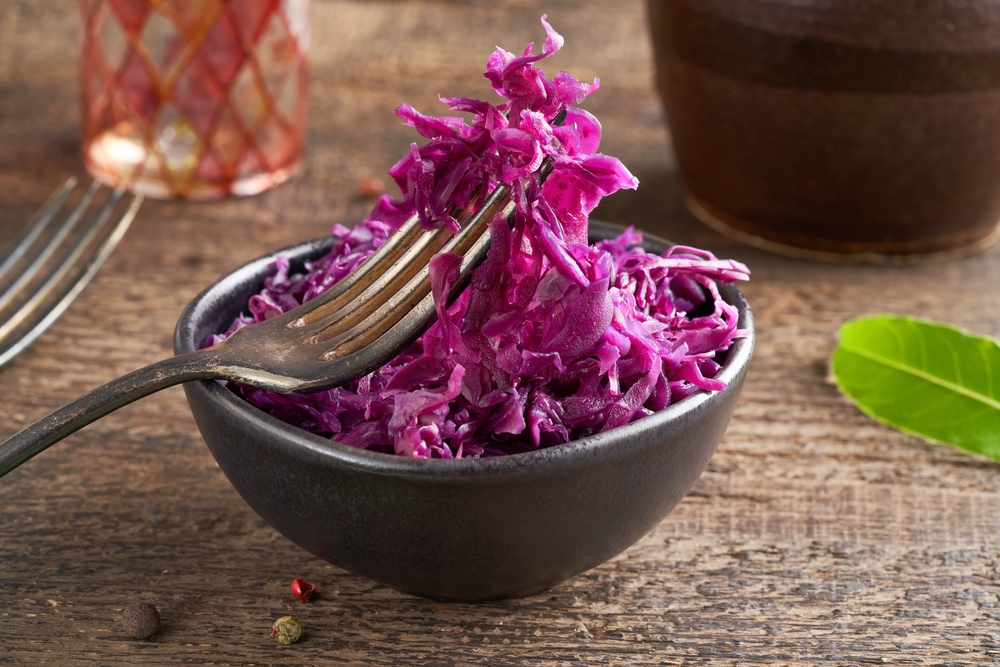
Compared with green varieties, red cabbage contains higher amounts of anthocyanins, natural pigments known for their antioxidant and anti-inflammatory properties.
It may make weight management easier
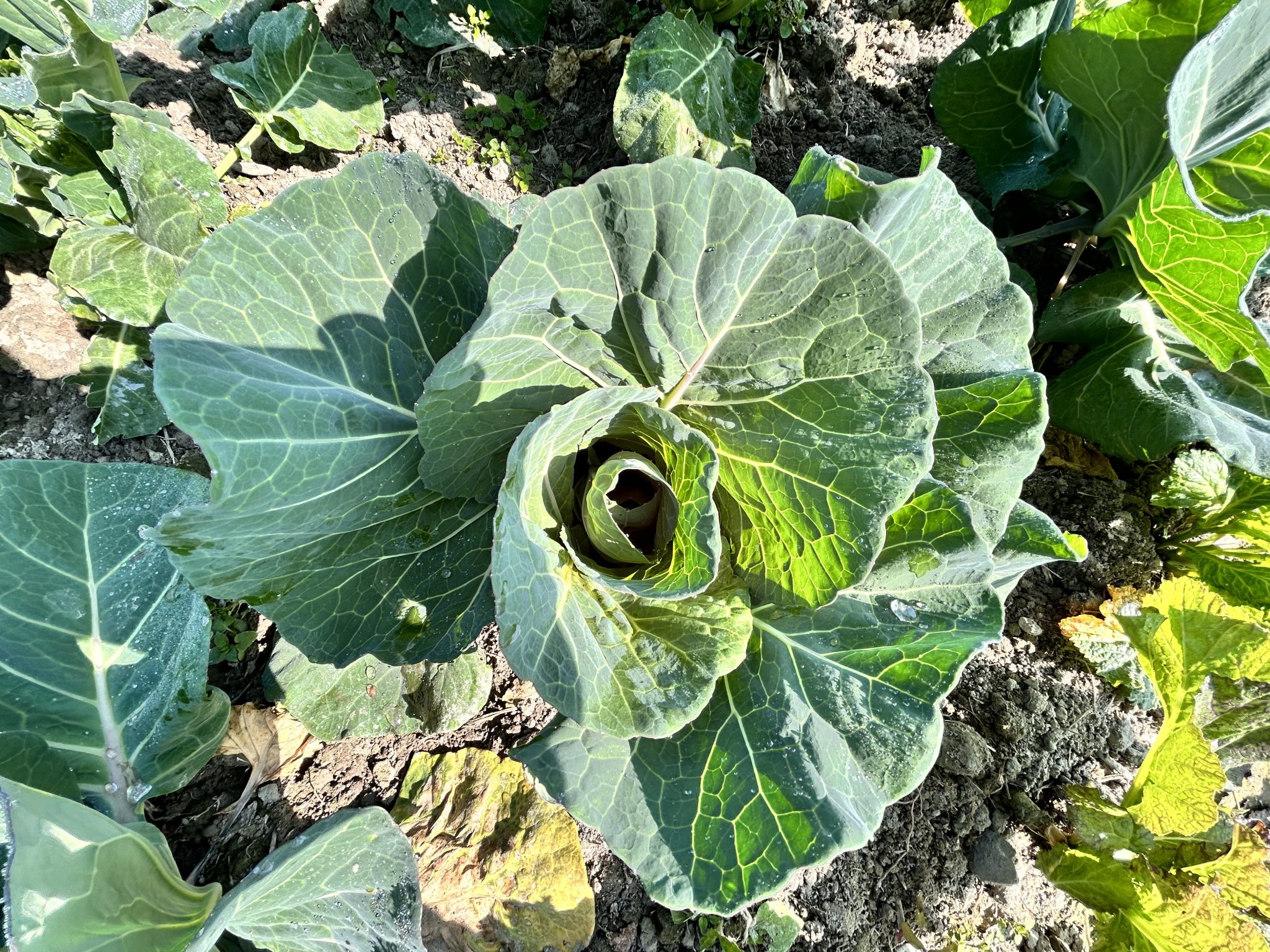
Because cabbage is filling without being high in calories, it can be a practical choice for people trying to lose weight or maintain their current weight.
Most people can enjoy cabbage safely
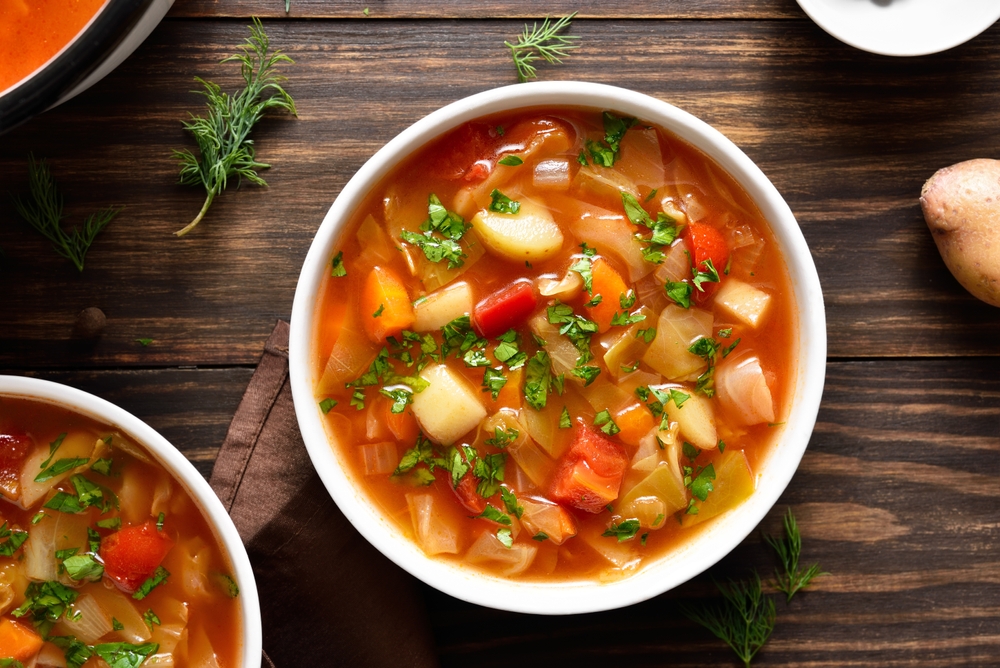
Cabbage is considered safe for most people. However, individuals with a mugwort allergy may experience allergic reactions, including itching, hives, difficulty breathing, or, in severe cases, anaphylaxis.
Some people should take extra care
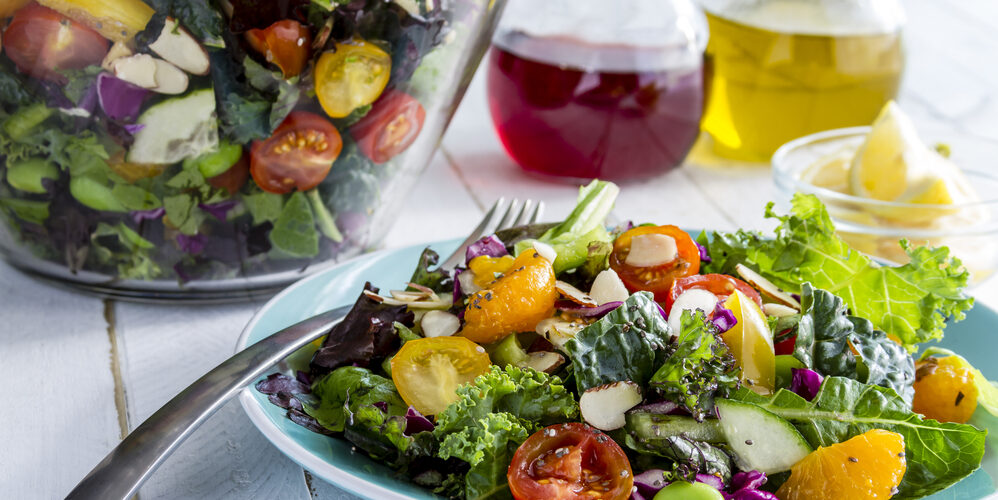
Anyone taking blood-thinning medication such as warfarin should consult a healthcare provider before significantly increasing their cabbage intake, as its vitamin K content may reduce the medication's effectiveness.
Also read: Do You Really Need 8 Glasses of Water a Day? Here Is What the Evidence Says
Introduce it gradually if you're eating more fiber

Eating large amounts of cabbage after a low-fiber diet may cause bloating, gas, or stomach cramps. Increasing your intake gradually can help your digestive system adjust.
It works well in a variety of dishes

Cabbage can be eaten raw or lightly cooked. It can be added to pasta sauces, salads, sandwiches, stir-fries, tacos, or made into coleslaw. Cooking it for only a short time helps preserve more of its nutrients.
Also read: Sitting More Than 8 Hours a Day Carries a Mortality Risk on Par With Obesity and Smoking
This article is made and published by Mie Hermansen, who may have used AI in the preparation.