
Cashews are often considered a nutritious addition to a balanced diet. Research suggests they may provide antioxidants, support heart health, and contribute to overall well-being.
They contain essential nutrients
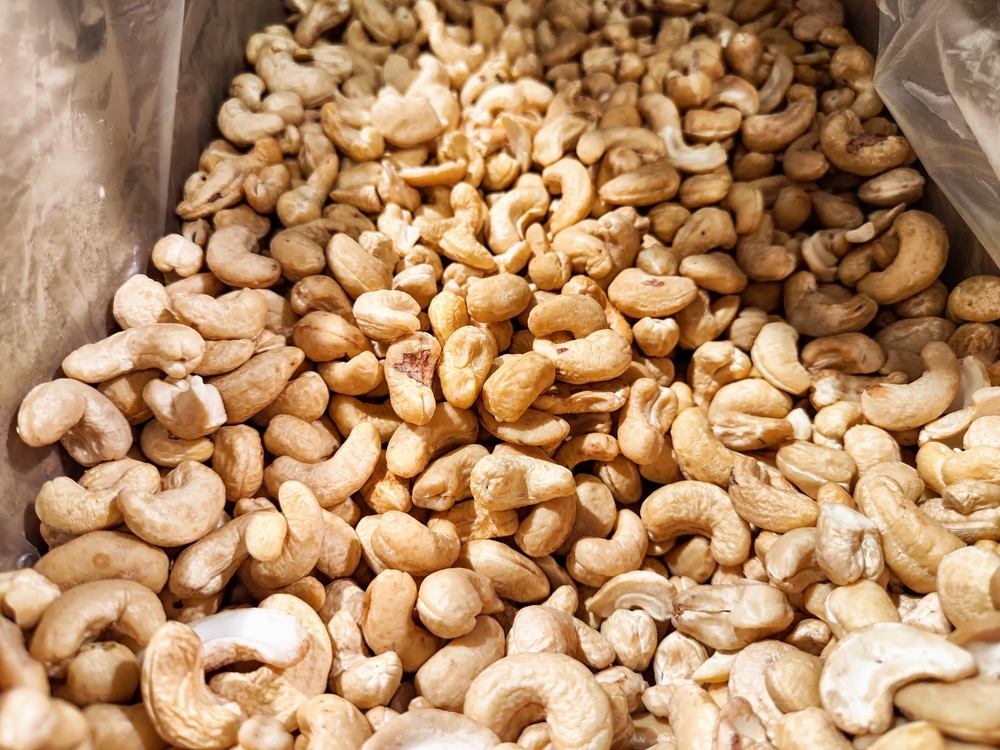
Cashews provide protein along with several important vitamins and minerals. These include vitamin K, magnesium, copper, iron, zinc, and phosphorus. A serving of about 1 ounce provides roughly 4.3 grams of protein.
A rich source of copper
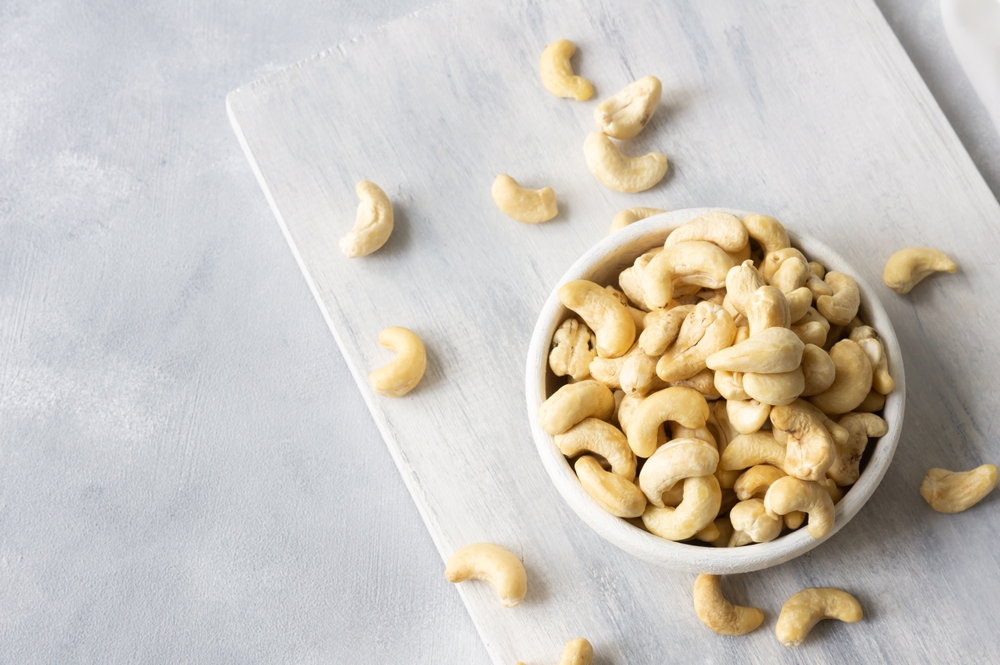
A small handful of dry roasted cashews can supply nearly 70 percent of the recommended daily intake of copper. This mineral plays an important role in supporting the nervous system and immune function.
They supply antioxidants
Cashews contain compounds such as polyphenols and carotenoids. These substances are known for their antioxidant properties, which help protect cells.
Also read: Common signs linked to high blood pressure
May help reduce oxidative stress
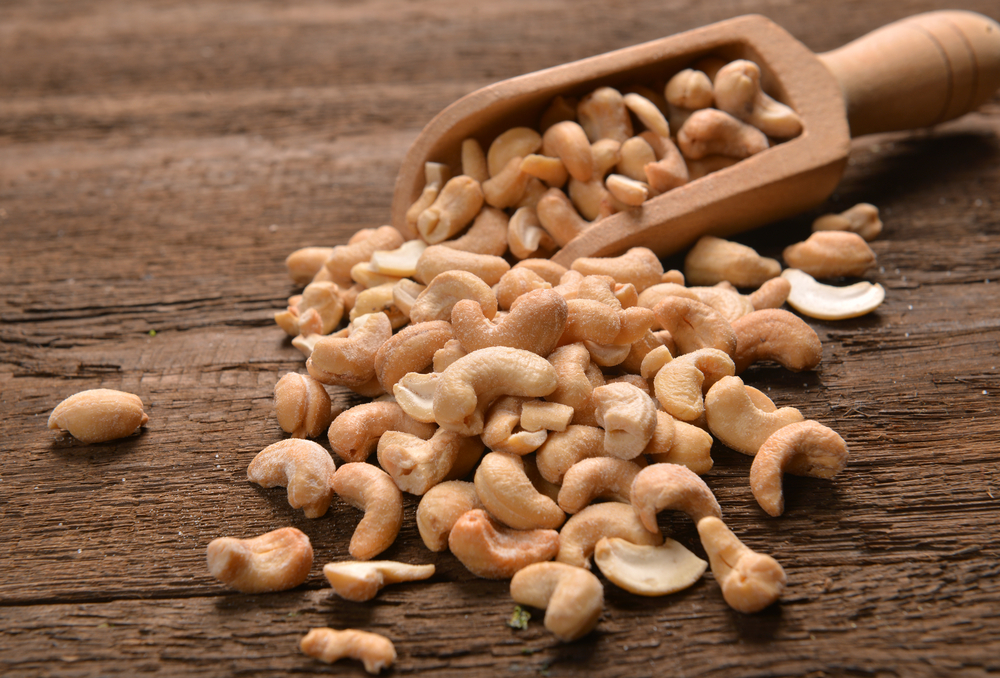
The antioxidants found in nuts may help counter oxidative stress in the body. This process is linked to inflammation and the development of certain chronic diseases.
Roasted cashews may have stronger antioxidant activity
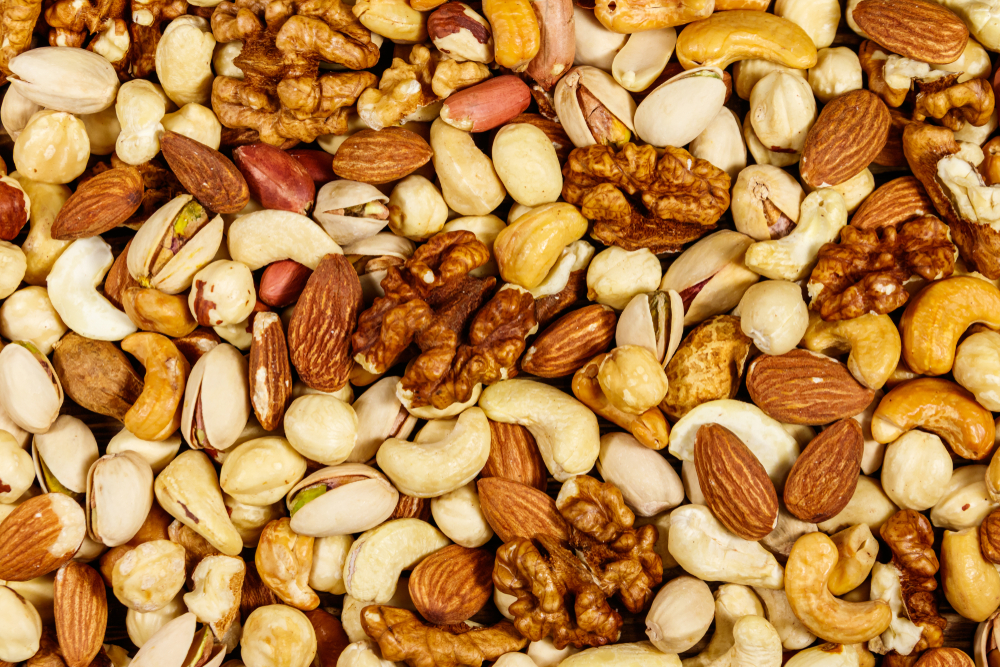
Some early research suggests roasted cashews could provide higher antioxidant activity than raw ones. However, more studies are needed to confirm this finding.
Contain fats that support heart health
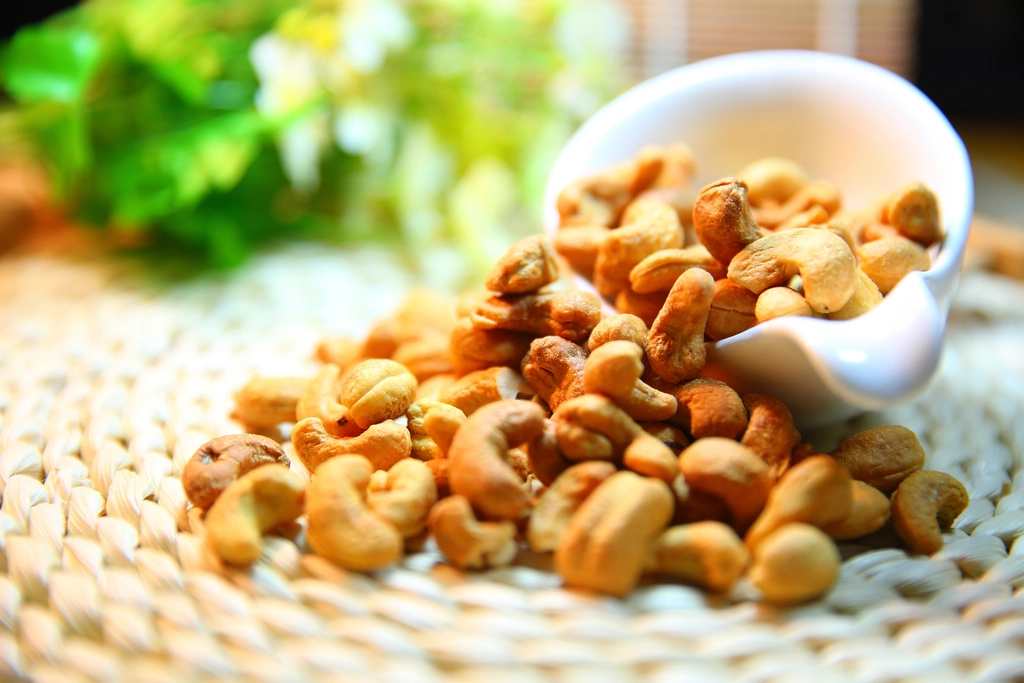
Cashews include both monounsaturated and polyunsaturated fatty acids. These types of fats are commonly associated with positive effects on heart health.
May help lower cholesterol

Research indicates that replacing carbohydrate rich snacks with cashews may help improve levels of LDL cholesterol and triglycerides.
Also read: Up to one in five strokes linked to heart disease
Linked to a lower risk of heart disease

Studies suggest that people who eat more nuts overall tend to have a lower risk of heart disease and a reduced risk of death related to stroke.
May support weight management

Cashews contain dietary fiber, which can help increase feelings of fullness and reduce hunger for longer periods.
Associated with less weight gain over time

Research has found that replacing snacks like processed foods or red meat with nuts may be linked to less weight gain and a lower risk of obesity.
May benefit people with type 2 diabetes

People with type 2 diabetes who consume cashews may experience better insulin control, improved HDL cholesterol levels, and lower systolic blood pressure.
Also read: New pill reduces LDL cholesterol by up to 60 percent
May help stabilize blood sugar

The combination of healthy fats, fiber, and relatively low carbohydrate content may help keep blood sugar levels more stable.
Easy to add to your meals
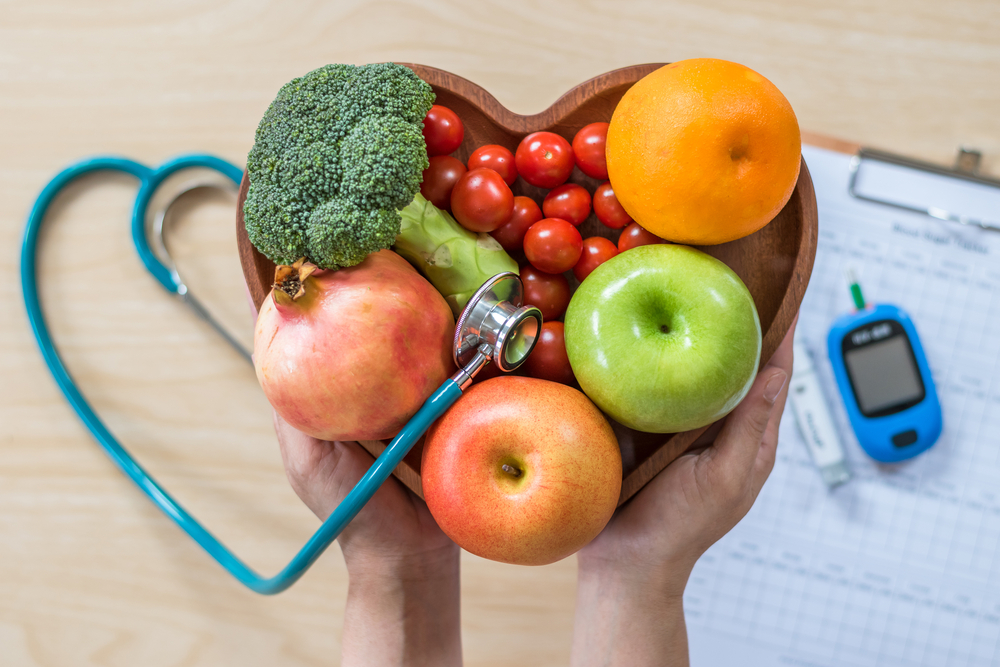
Cashews can be eaten alone as a snack, added to foods like oatmeal or yogurt, cooked in dishes such as stir fries or chicken meals, or used in products like cashew milk and cashew butter.
Recommended to keep portions moderate
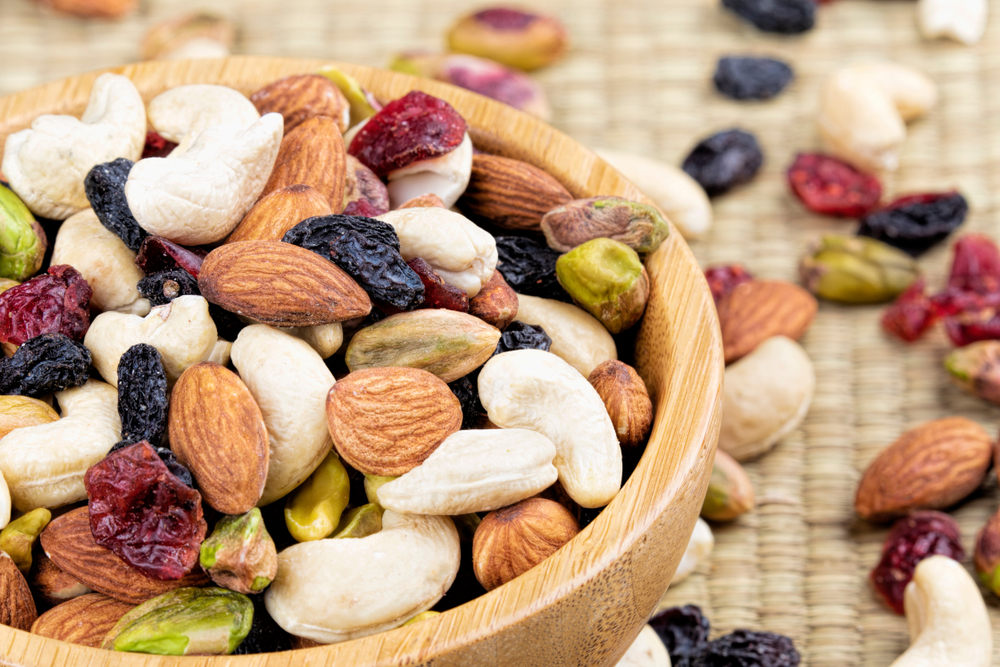
A daily portion of about 1 ounce, roughly a small handful, is generally recommended. It is also advisable to choose varieties without added oil, sugar, or salt.
Sources: Verywell Health and MDPI
Also read: How chia seeds can affect your body if you eat them every day
Also read: A walk is not enough: How to stay strong after 60