
Chia seeds have become a popular part of a healthy diet, and research suggests they may also benefit blood pressure. However, their effects appear to be greatest when combined with other heart healthy habits, reports Health.
Results take time
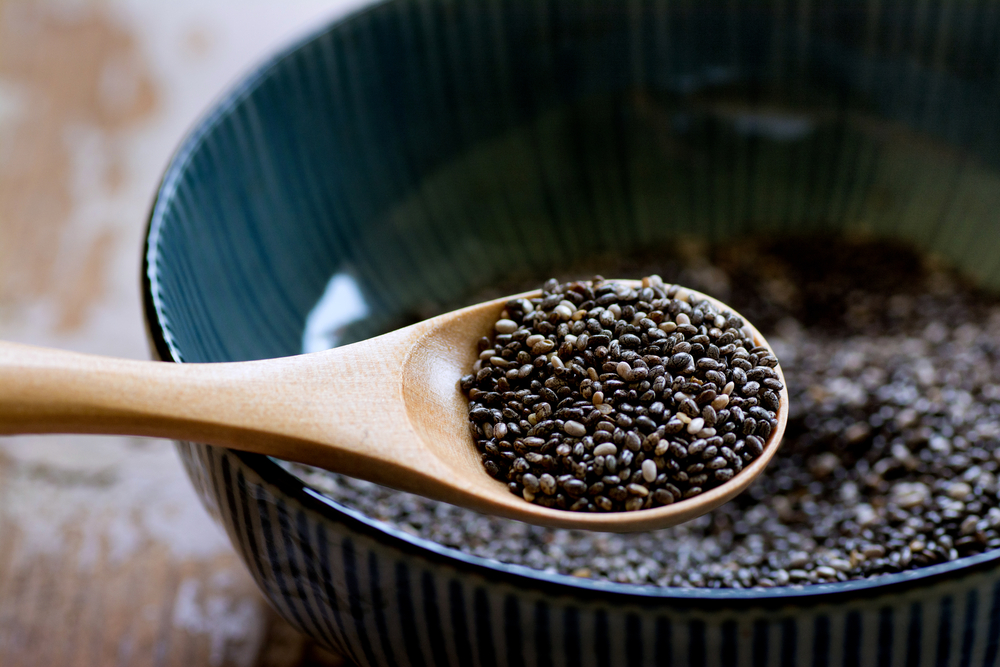
Experts say it typically takes 8 to 12 weeks of daily consumption before any potential changes in blood pressure are likely to be noticeable.
The amount matters
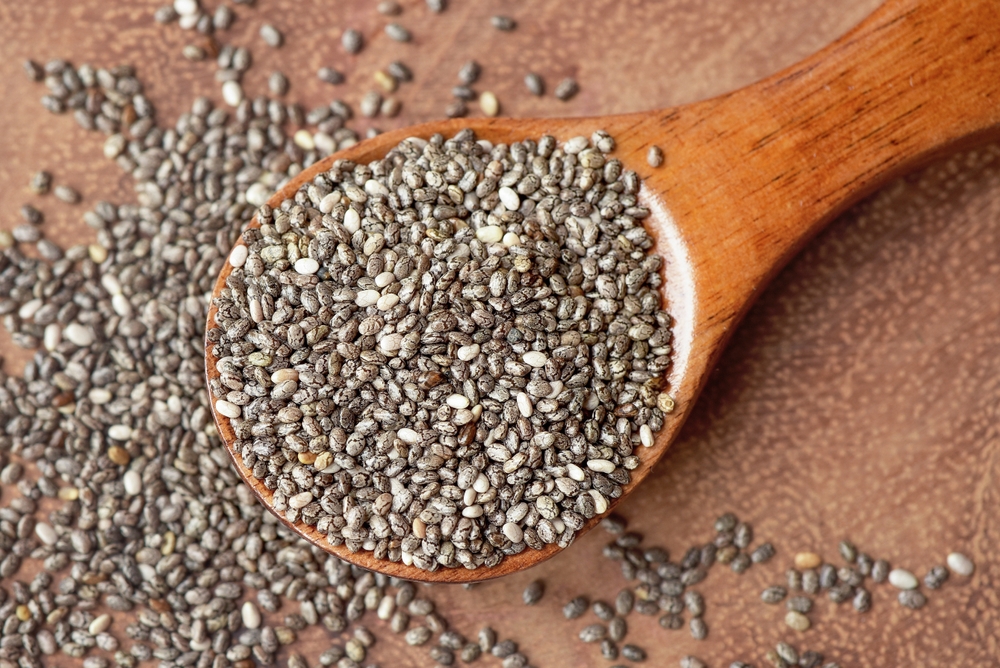
Most studies have used a daily intake of 2 to 3 tablespoons of chia seeds, while some have examined amounts of up to 4 tablespoons.
Research found a modest reduction
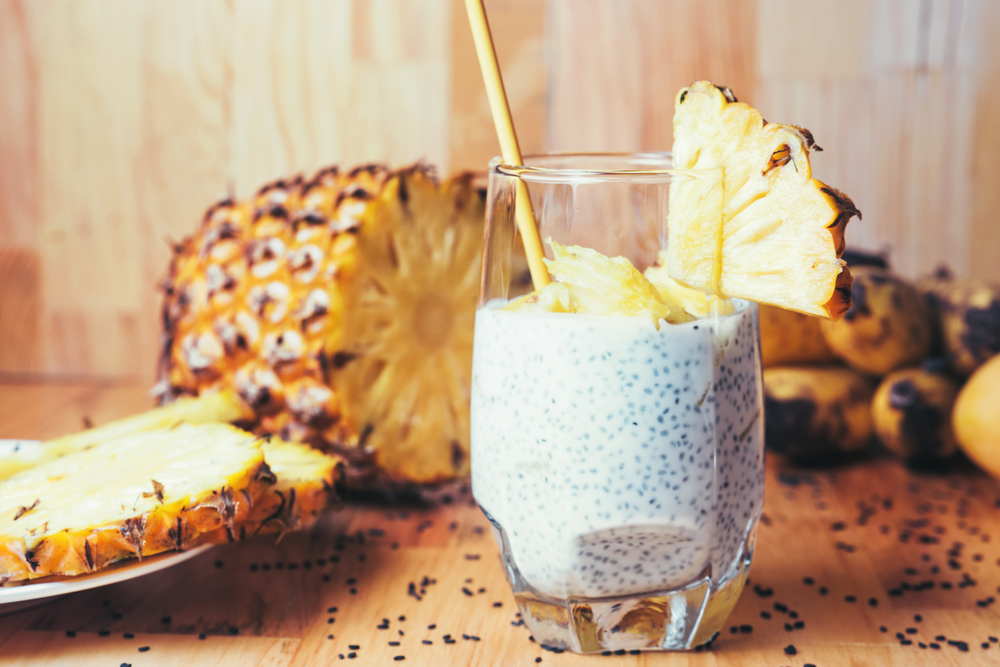
A 2025 meta analysis found that overweight adults with diabetes or high blood pressure experienced an average reduction of 3 to 7 mm Hg in systolic blood pressure after consuming chia seeds.
Also read: New finding: Birth control pill use linked to healthier brains
Even a small drop can make a difference
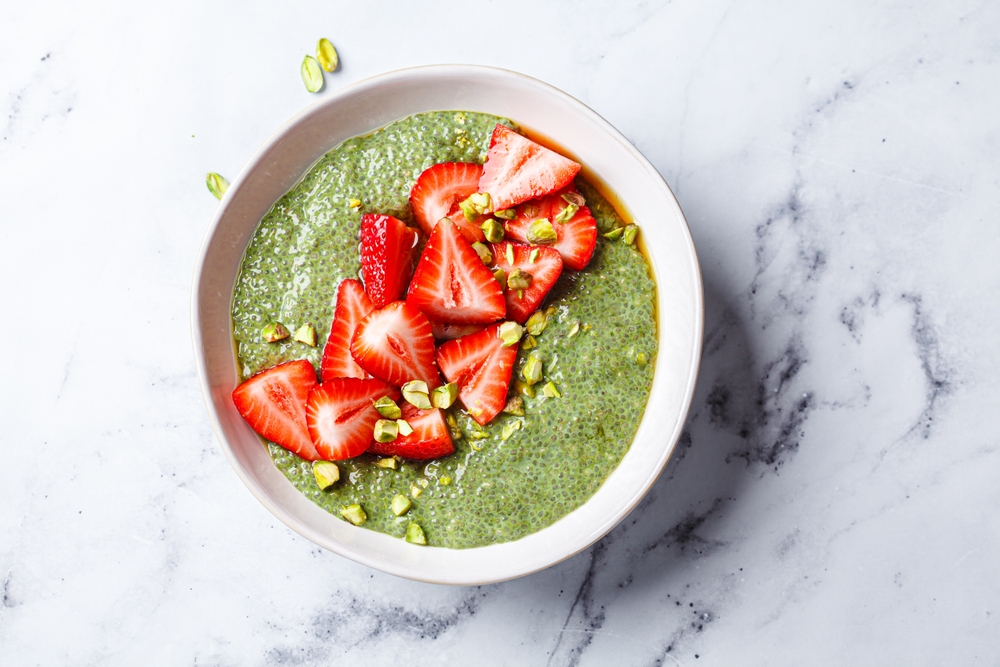
A modest reduction in systolic blood pressure may help lower the risk of heart attack and stroke.
Healthy habits are still essential
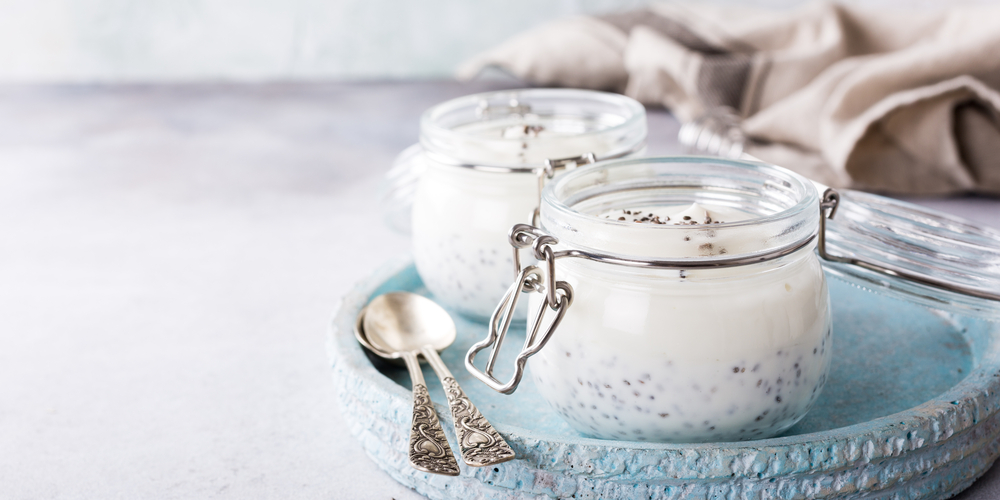
Experts emphasize that chia seeds cannot make up for an unhealthy diet or lack of exercise. They work best as part of an overall heart healthy lifestyle.
They are not a replacement for medication
Current evidence does not show that chia seeds can replace blood pressure medication for people who need medical treatment.
Omega 3 may help protect blood vessels
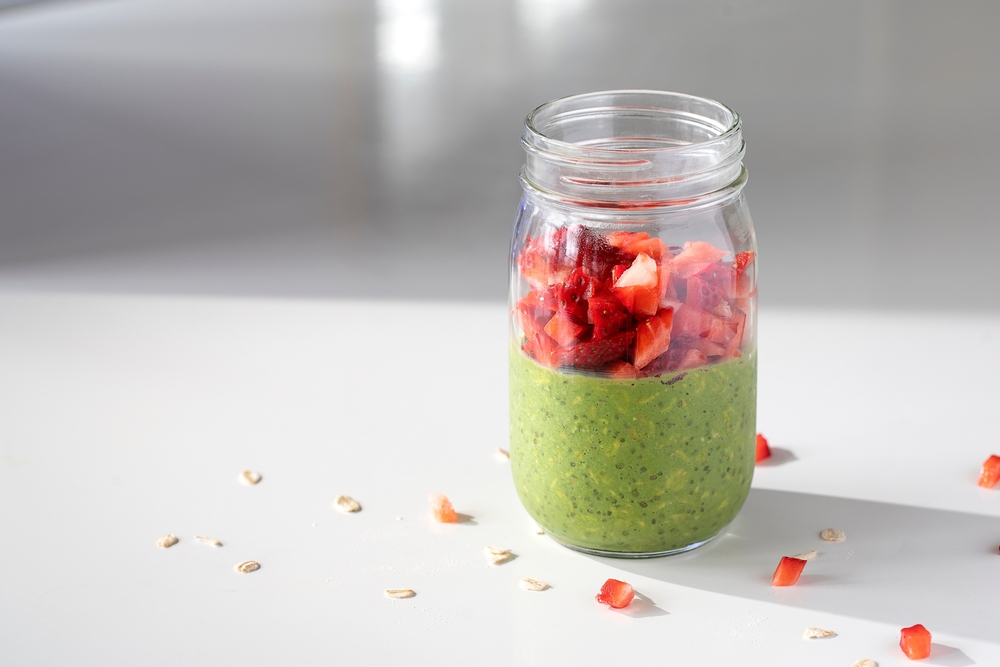
Chia seeds provide omega 3 fatty acids, which may help reduce inflammation, limit plaque buildup, and decrease artery stiffness.
Also read: Europe swelters: Hundreds of deaths linked to the heat
Minerals support healthy circulation
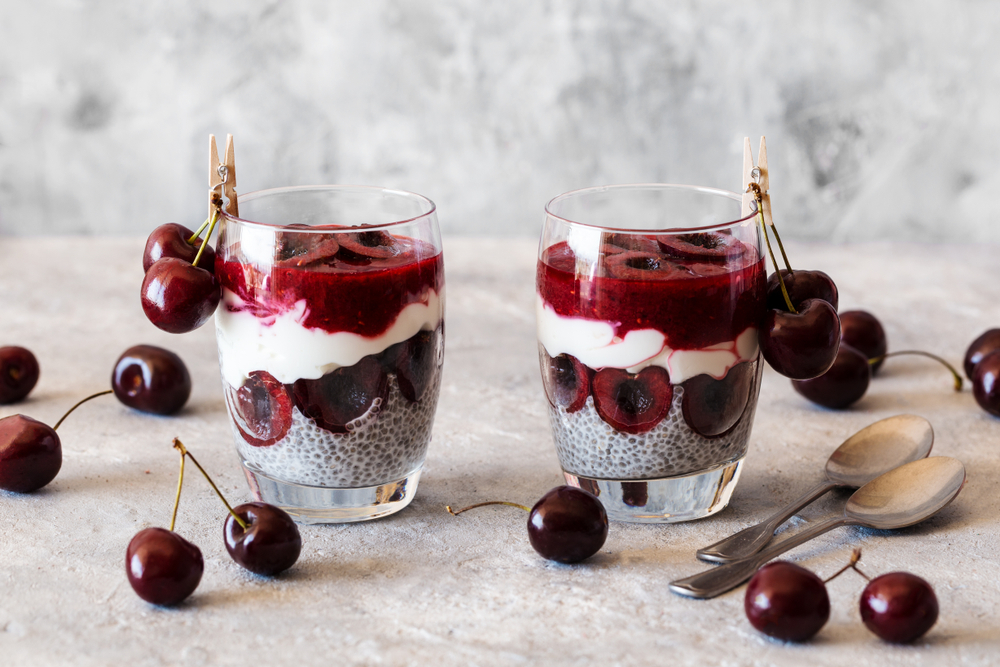
Potassium and magnesium found in chia seeds may help relax blood vessels and improve blood flow.
Antioxidants help protect the arteries

Chia seeds are rich in antioxidants that may help protect blood vessels from damage caused by free radicals.
Some people may benefit more than others

Most research has focused on people with high blood pressure, type 2 diabetes, or overweight, suggesting these groups may experience the greatest benefits.
Preparation may influence nutrient absorption

Some studies suggest that ground chia seeds may improve nutrient absorption, while there is still limited research on soaked chia seeds.
Also read: Her cat wouldn't leave her side - then came the diagnosis
Start with a small serving
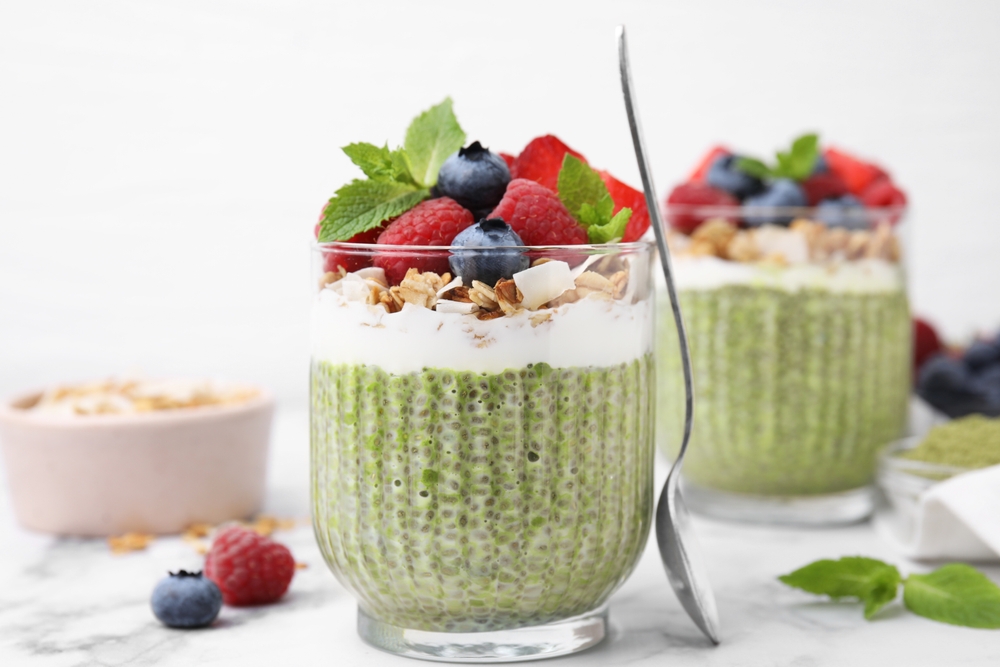
Because chia seeds are high in fiber, experts recommend starting with a small amount and gradually increasing your intake. People with digestive issues should consult a doctor before making significant dietary changes.
Also read: What science says about the olive oil and lemon trend
This article is made and published by Mie Hermansen, who may have used AI in the preparation.