
Diet soda does not appear to harm the liver in the same way as alcohol or certain medications. However, research suggests that drinking large amounts may still influence liver health through several indirect mechanisms, although the evidence remains mixed, reports Verywell Health.
Diet soda is not considered a direct cause of liver damage
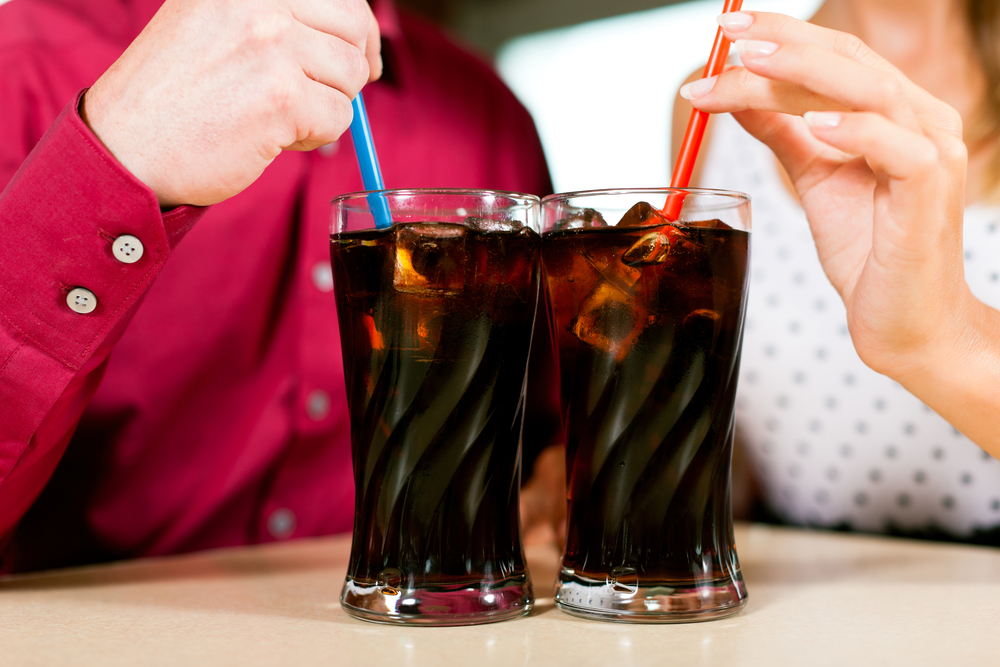
Unlike alcohol, viral hepatitis, or certain toxic drugs, diet soda is not known to directly injure the liver. Any potential effects appear to be linked to changes in metabolism rather than direct toxicity.
High intake has been linked to fatty liver disease

Some studies have associated frequent consumption of sugar-free soft drinks with a higher likelihood of developing metabolic dysfunction-associated steatotic liver disease (MASLD).
Artificial sweeteners may play a role
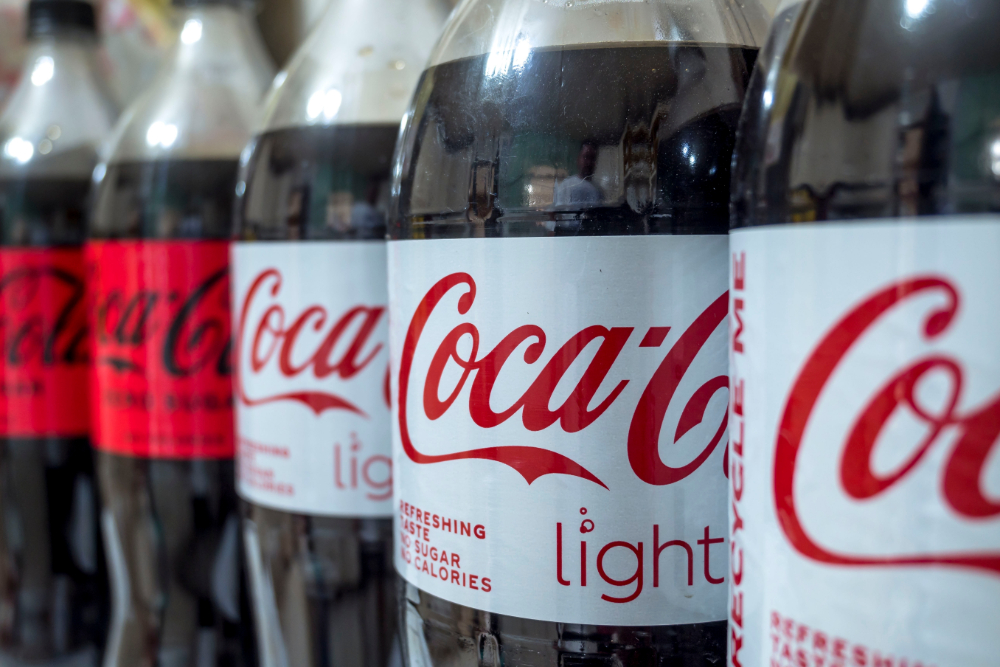
Researchers believe sweeteners such as aspartame, sucralose, and saccharin could contribute to some of the biological changes linked to liver health.
Also read: New sugar patterns may help detect cancer earlier
Changes in gut bacteria may affect the liver
Excessive intake of artificial sweeteners may alter the balance of gut bacteria. This can allow inflammatory substances to enter the bloodstream and eventually reach the liver.
Insulin function may become less effective
Artificial sweeteners may influence insulin release in some people. Over time, this has been linked to insulin resistance, although more research is needed.
Insulin resistance increases liver strain
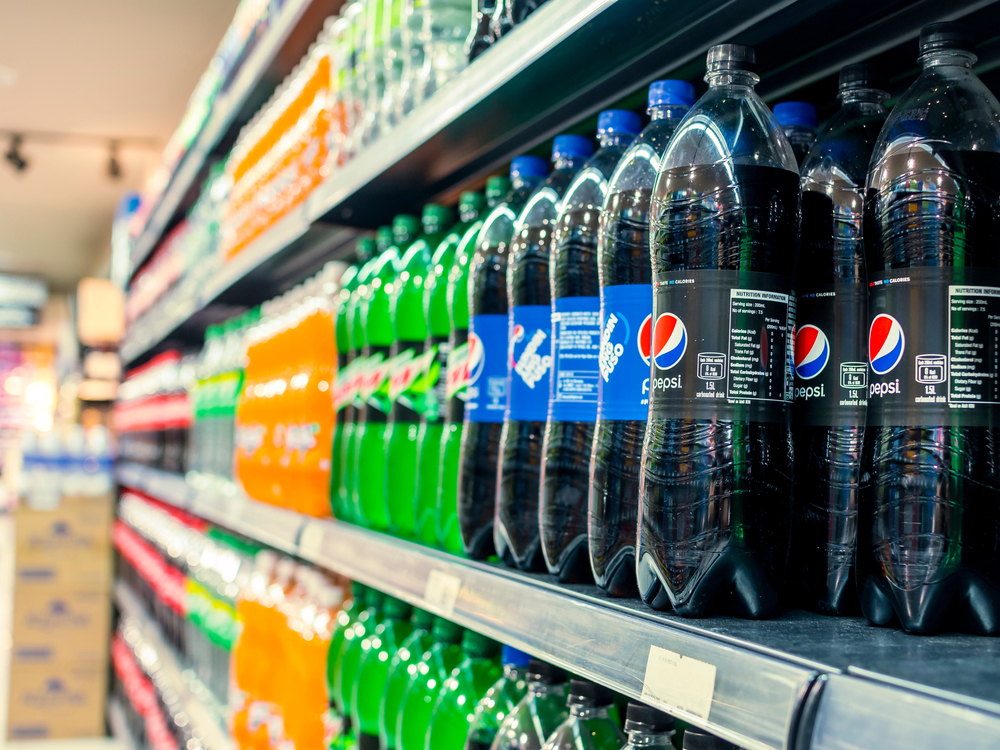
As the body becomes less responsive to insulin, elevated blood sugar levels may encourage fat to build up in the liver.
Appetite may increase over time

Some researchers suggest that artificially sweetened drinks may leave the brain less satisfied, making some people more likely to consume additional calories.
Also read: New study finds hidden advantage in red hair genes
Eating habits could explain part of the risk

People who drink several diet sodas each day often consume more processed foods. These broader dietary habits may contribute to obesity, insulin resistance, and fatty liver disease rather than diet soda alone.
Research findings are not consistent

Scientists have not reached a clear conclusion about the relationship between artificial sweeteners and MASLD. Some people may be more susceptible than others.
Diet soda may still be preferable to regular soda
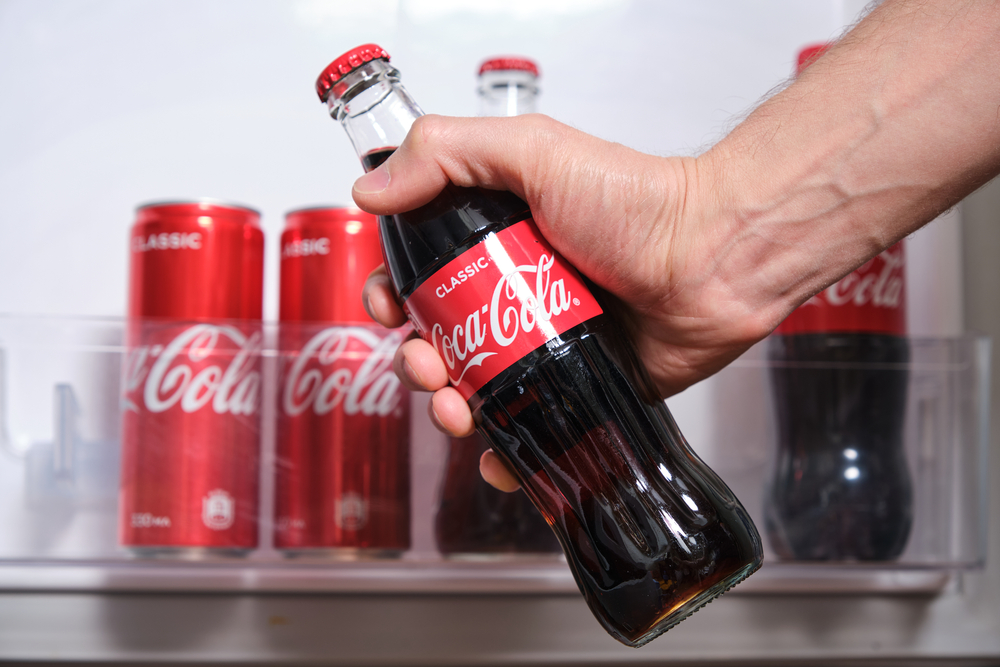
Regular soft drinks sweetened with high-fructose corn syrup place a greater burden on the liver because fructose is rapidly converted into fat. Diet soda does not have this effect.
Moderate consumption appears to pose little risk
Current evidence suggests that drinking one can of diet soda per day is associated with minimal risk to liver health. People with obesity, uncontrolled diabetes, or existing liver disease should discuss appropriate intake with their healthcare provider.
Also read: Experts warn of fake Wegovy pills entering the market – here are the warning signs
More human research is needed

While several studies point to possible links between diet soda and liver health, researchers say further studies in people are needed to better understand the relationship.
Also read: These oils can replace expensive olive oils in the kitchen
This article is made and published by Mie Hermansen, who may have used AI in the preparation.