
Beet juice has been linked to several interesting effects on blood pressure, although the results may vary from person to person, reports Eatingwell.
Beet juice may help blood vessels relax
Beet juice contains inorganic nitrate, which the body converts first into nitrite and then into nitric oxide. Nitric oxide helps blood vessels relax and widen, improving blood flow and potentially reducing resistance within the vessels.
Systolic blood pressure may decrease
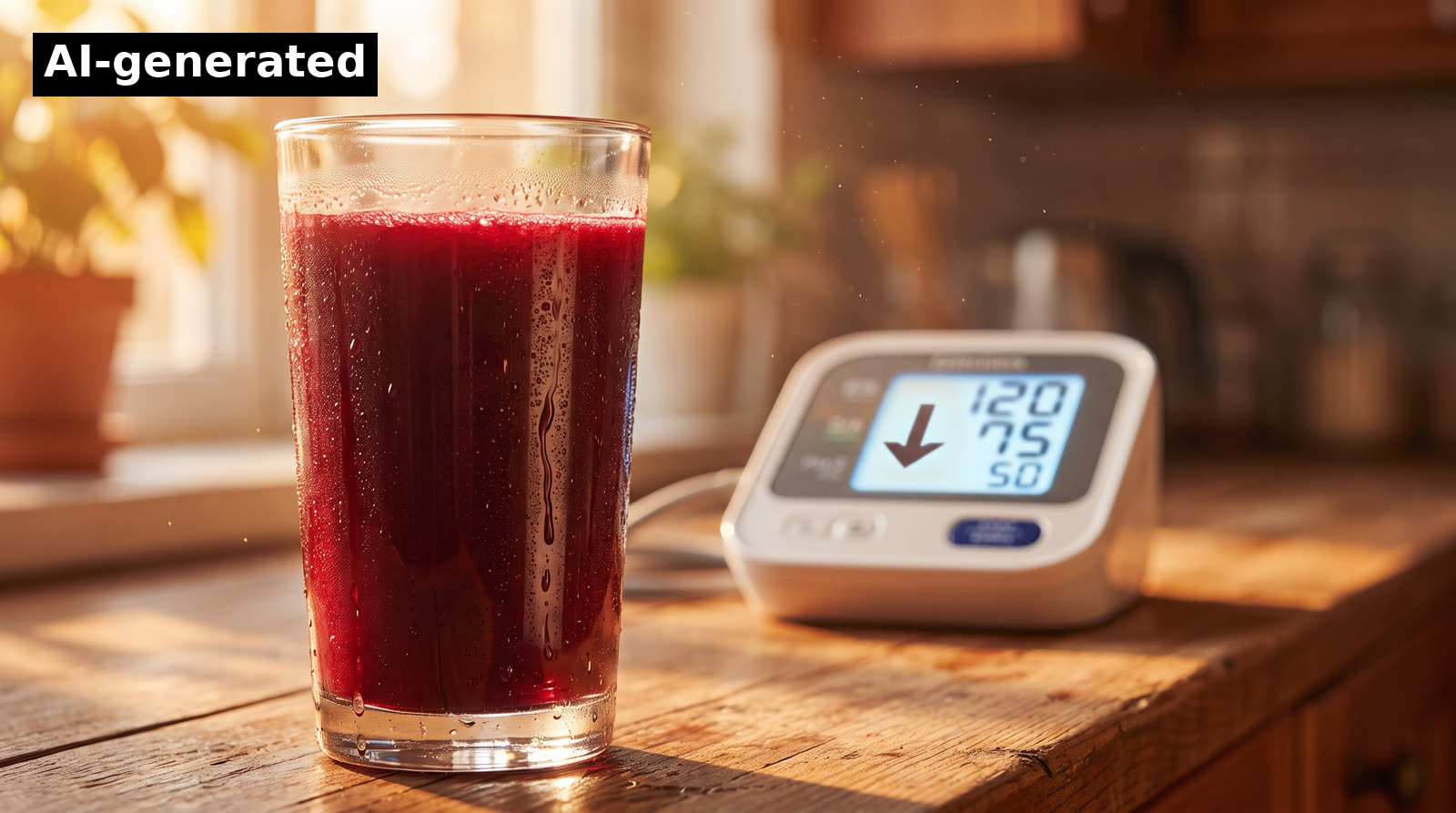
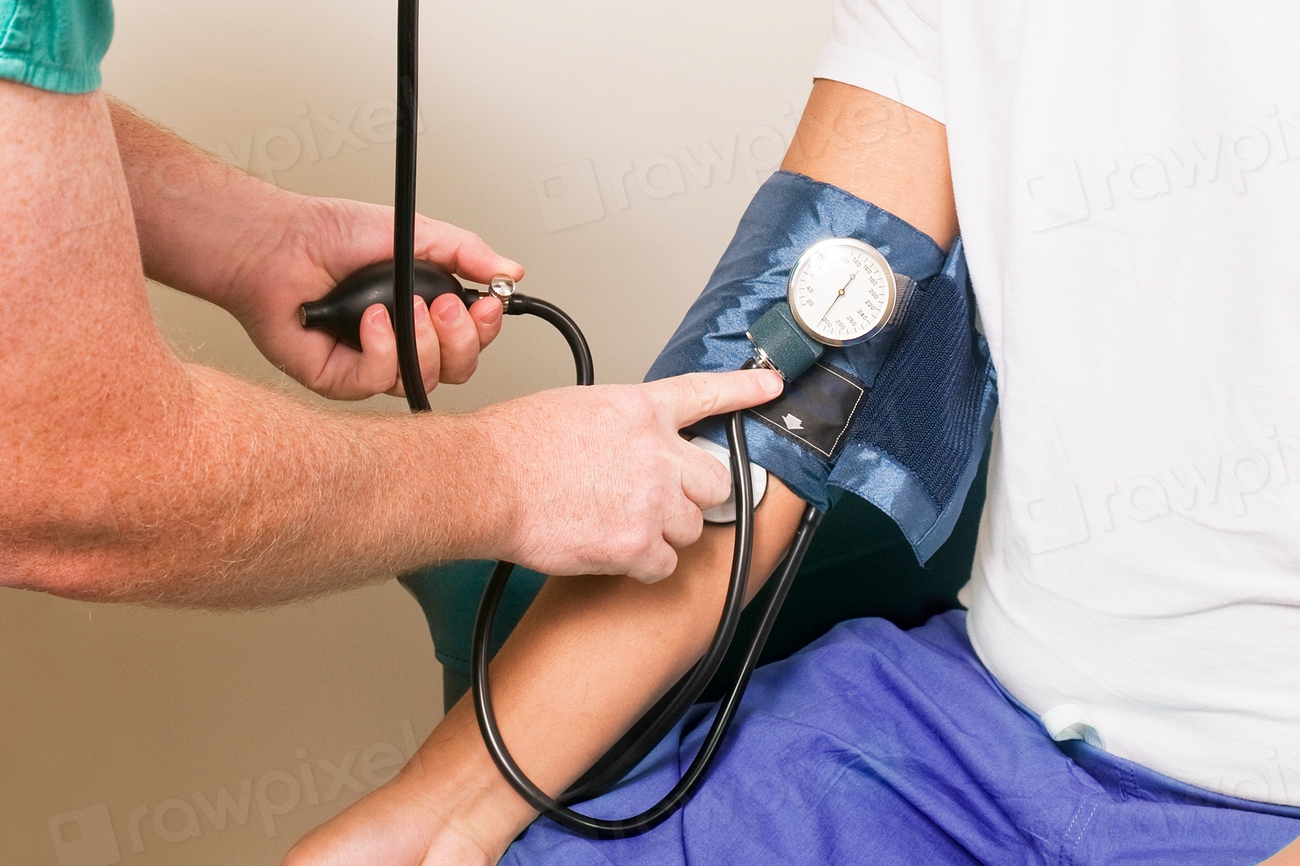
A systematic review and meta analysis of randomized controlled trials found that nitrate rich beet juice was associated with a significant reduction in systolic blood pressure among adults with hypertension.
Daily consumption may make a measurable difference

Another meta analysis found that drinking nitrate rich beet juice daily reduced clinical systolic blood pressure by around 5 mm Hg in adults with hypertension. This suggests that beet juice may have a noticeable effect for some people.
Also read: Women who stay fit in midlife may cut their dementia risk by nearly 90%
The effect is not the same for everyone

Research findings are not entirely consistent. One placebo controlled study involving older adults who were being treated for hypertension found no significant improvement in blood pressure compared with placebo. Beet juice therefore does not necessarily have the same effect on everyone.
Beet juice contains antioxidants
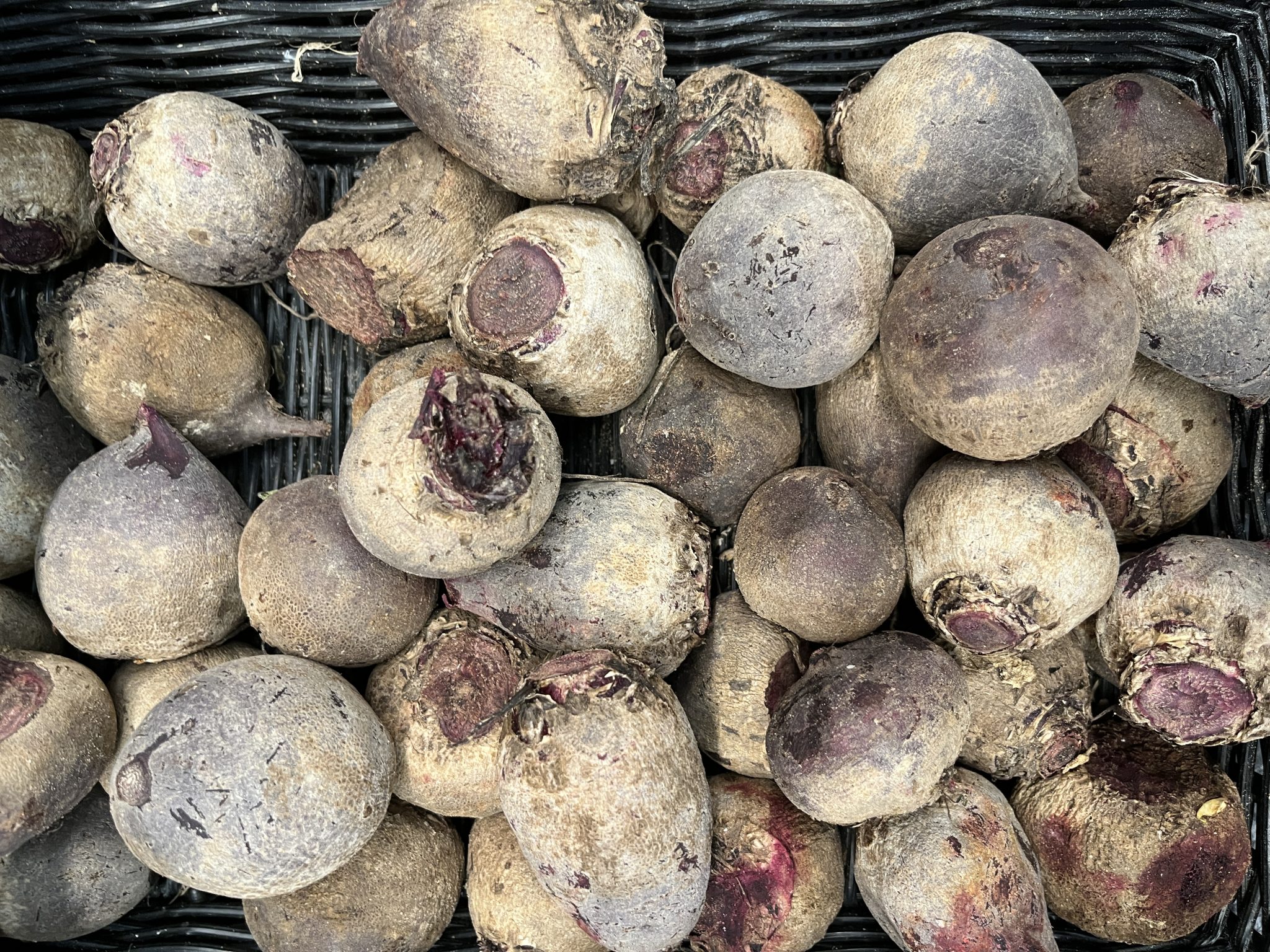
Beets get their distinctive red color from pigments called betalains, while beet juice also contains polyphenols. These compounds have antioxidant and anti inflammatory properties that may help support healthy blood vessel function over time.
Nitrate appears to play the main role

Although betalains and polyphenols may provide additional support, the strongest evidence from human studies points to nitrate as the main reason beet juice may have a beneficial effect on blood pressure.
Exercise may feel a little easier

Beet juice may also support healthy blood pressure indirectly by making physical activity feel slightly more manageable. Research suggests it may provide small improvements in aerobic endurance, time to exhaustion and lactate tolerance in certain groups.
Also read: Your metabolism may not be why you gain weight after 40 - here is the real reason
Beet juice can easily be added to your diet
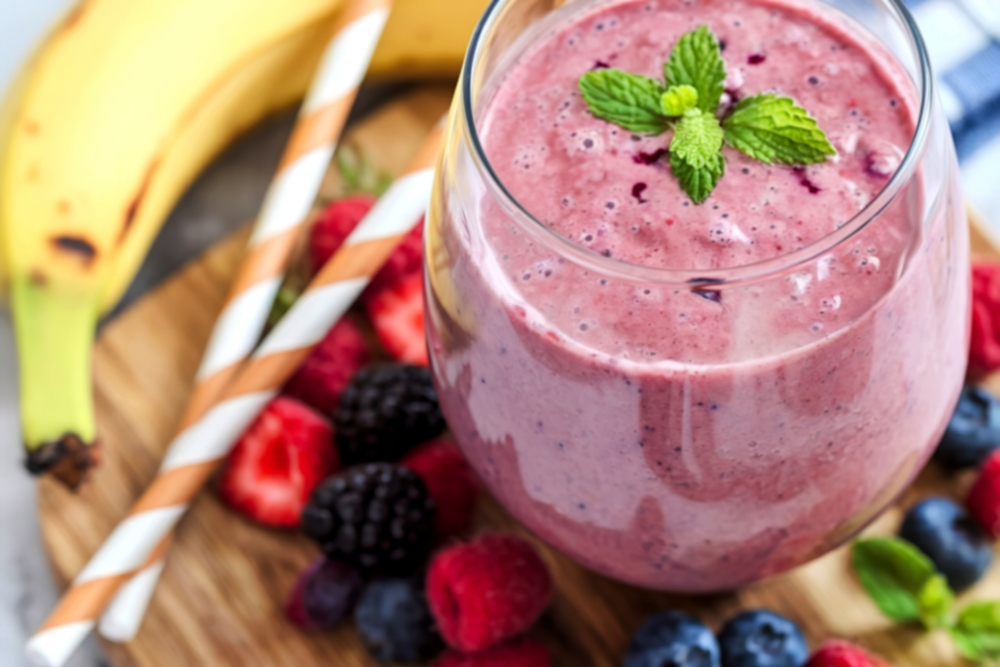
Beet juice can be enjoyed on its own or blended into a smoothie with ingredients such as berries, apple or ginger. It can also be added to homemade salad dressing or soups, or mixed with sparkling water and a squeeze of lemon or lime.
Whole beets and beet juice are different
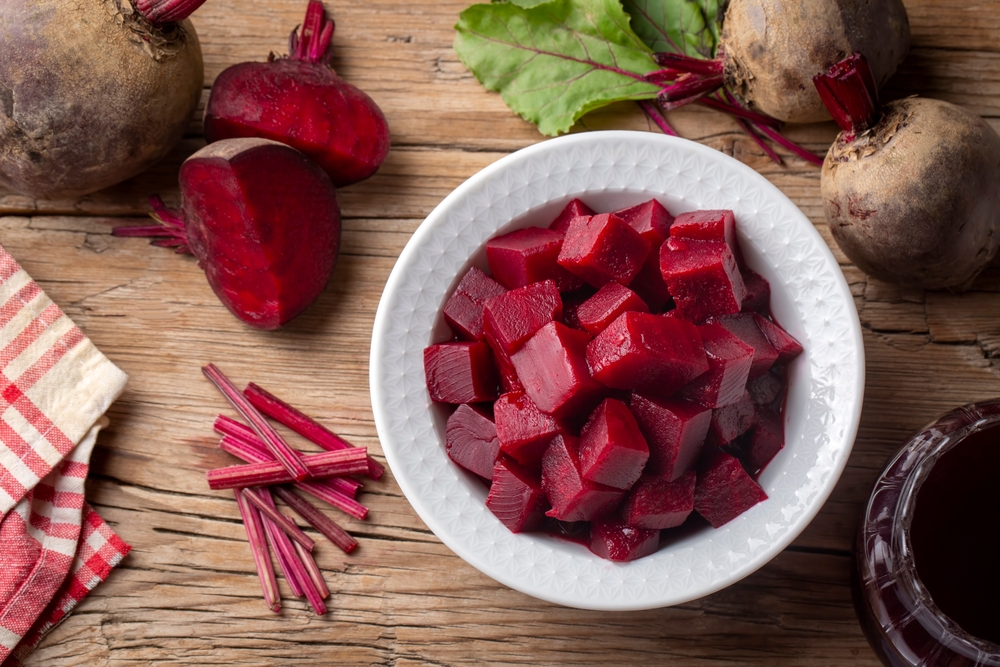
Whole beets provide more fiber than beet juice. Juice, however, tends to contain a more concentrated amount of the nitrate associated with its potential effects on blood pressure.
The amount of nitrate varies
Research has generally involved beet juice providing around 200 to 800 milligrams of nitrate per day, but there is no universal dose. Beetroot powders and supplements are another option, although their nitrate content can vary considerably between products.
Red or pink urine is usually harmless
Some people may notice that their urine turns red or pink after drinking beet juice. This phenomenon is known as beeturia and is generally considered harmless.
Also read: How eating more fruit every day may protect your lungs from air pollution
Other habits also matter for blood pressure
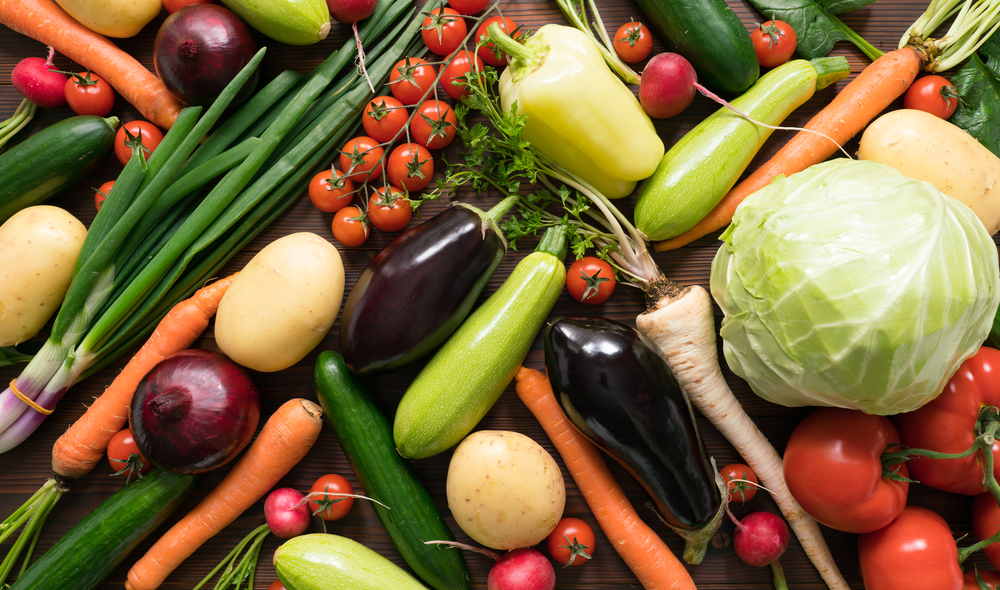
Beet juice is best viewed as one part of a broader lifestyle. Regular exercise, consuming less sodium, eating more potassium rich foods such as fruits, vegetables and legumes, getting enough sleep, managing stress and limiting alcohol are all highlighted as ways to support healthier blood pressure.
Also read: New treatment could make minerals in whole grains easier to absorb
This article is made and published by Mie Hermansen, who may have used AI in the preparation.