
Kimchi is a traditional Korean dish made from fermented vegetables.
It is known for its distinctive flavor and is associated with a range of potential health benefits, although research is still ongoing, according to ZOE.
What is kimchi?
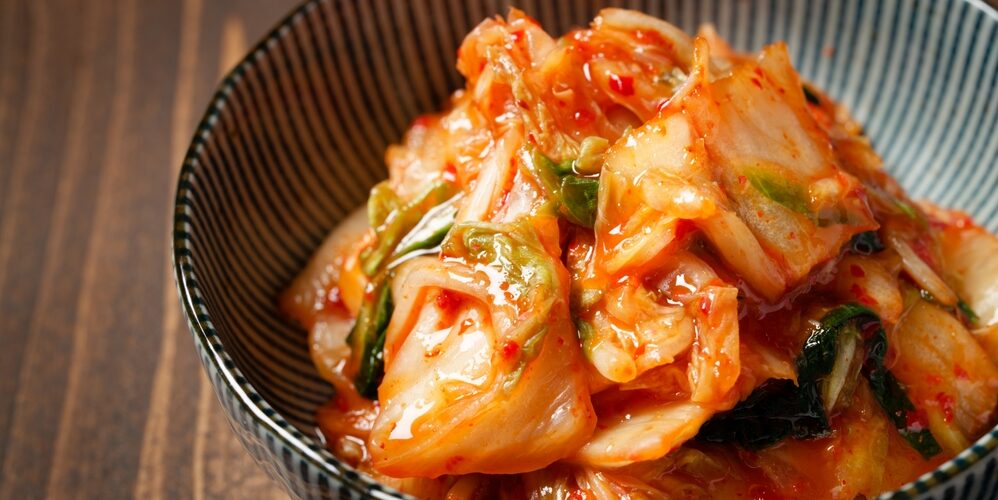
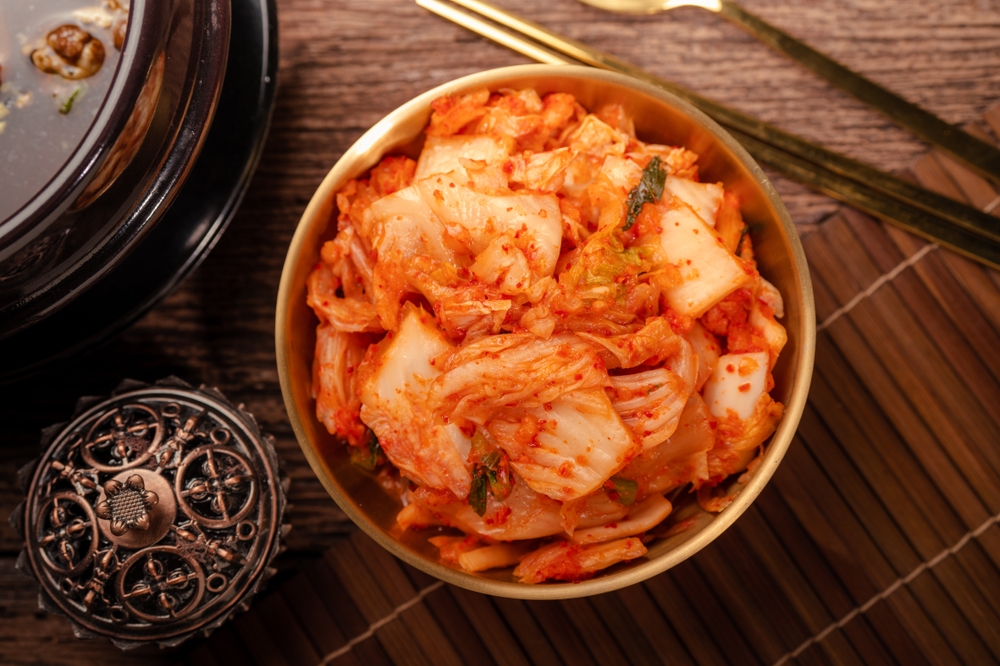
Kimchi is a Korean dish made from salted and fermented vegetables.
The most well-known version is made with napa cabbage, but it can also be prepared with other vegetables and, in some cases, fruit.
Also read: Expert explains how to exercise safely in hot weather
Which ingredients are used?
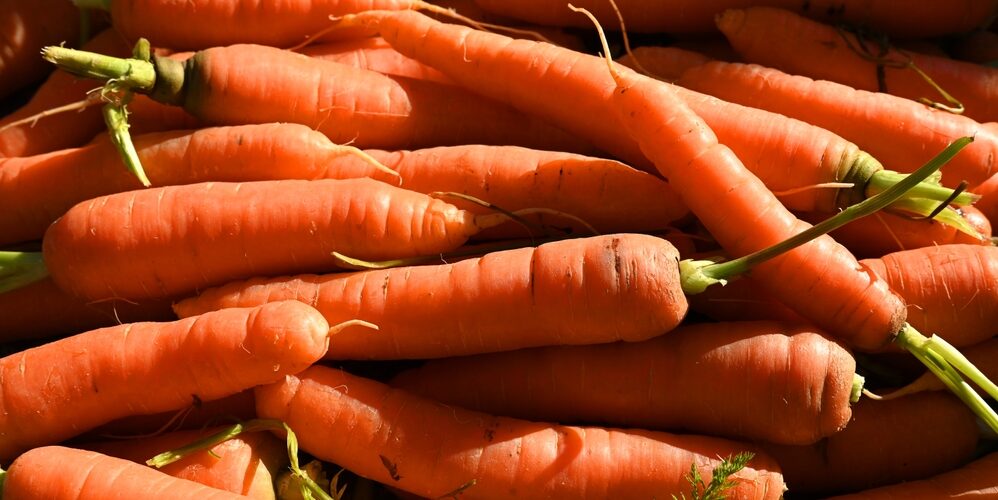
In addition to cabbage, kimchi often contains radishes, spring onions, carrots, garlic, ginger, and Korean chili flakes.
Some recipes also include fish sauce or salted shrimp, while vegan versions may use miso.
How kimchi is made
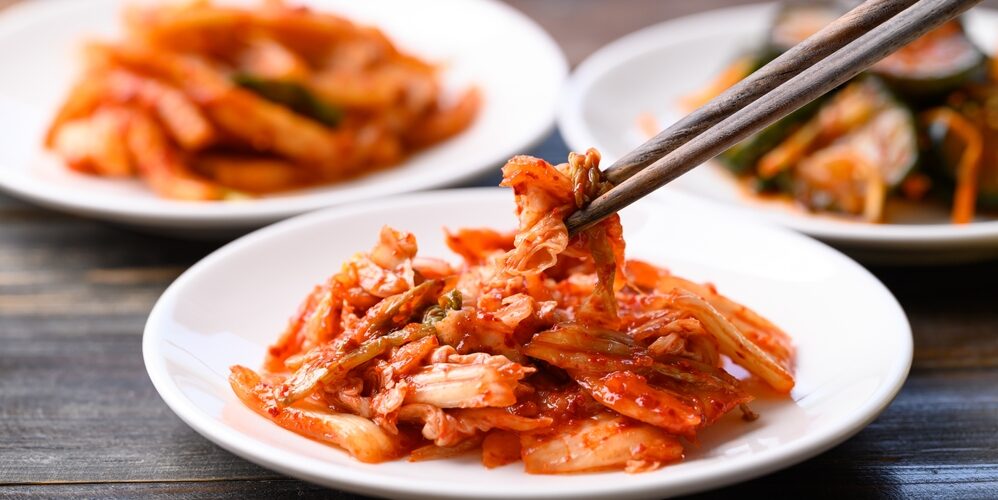
The cabbage is cut into quarters and salted to draw out excess moisture.
It is then coated with a spicy paste and packed tightly into an airtight container, where fermentation begins.
Also read: World’s growing chicken production may increase the spread of diarrhea-causing bacteria
Fermentation creates the flavor
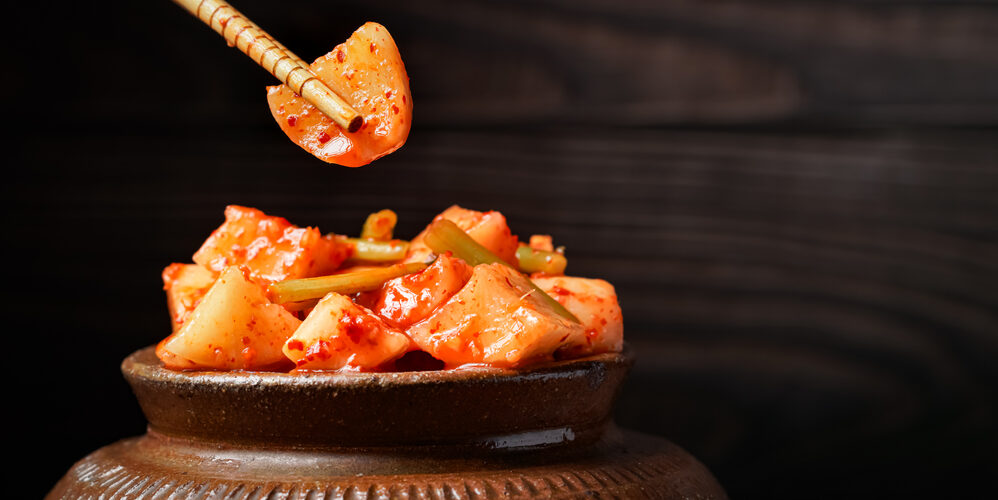
Fermentation occurs when bacteria break down food into new compounds.
This process gives kimchi its tangy flavor and is primarily driven by lactic acid bacteria that naturally occur on the vegetables.
The flavor changes over time
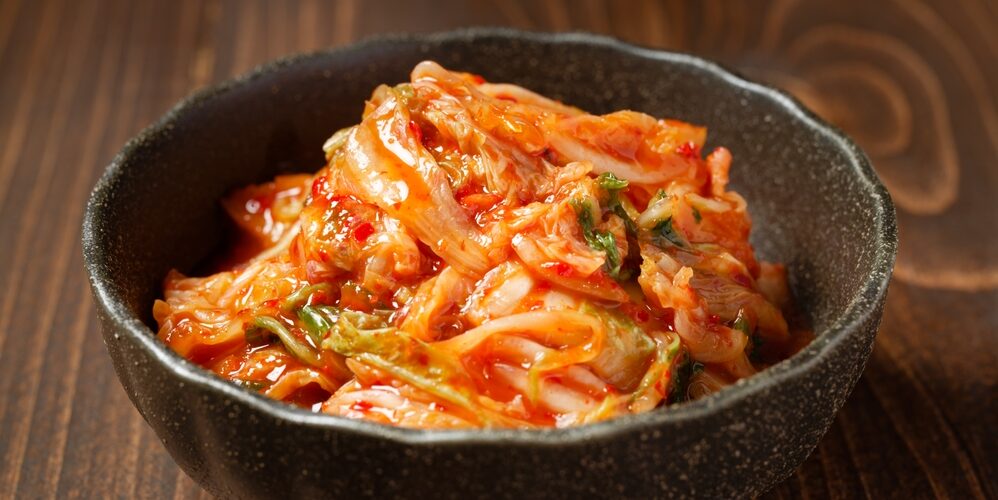
Kimchi is typically fermented for one to two days at room temperature or for several days in the refrigerator.
Its flavor continues to develop over time, often becoming tangier as fermentation progresses.
Also read: How often should you brush your hair? It depends on your hair type
Live bacteria are an important part
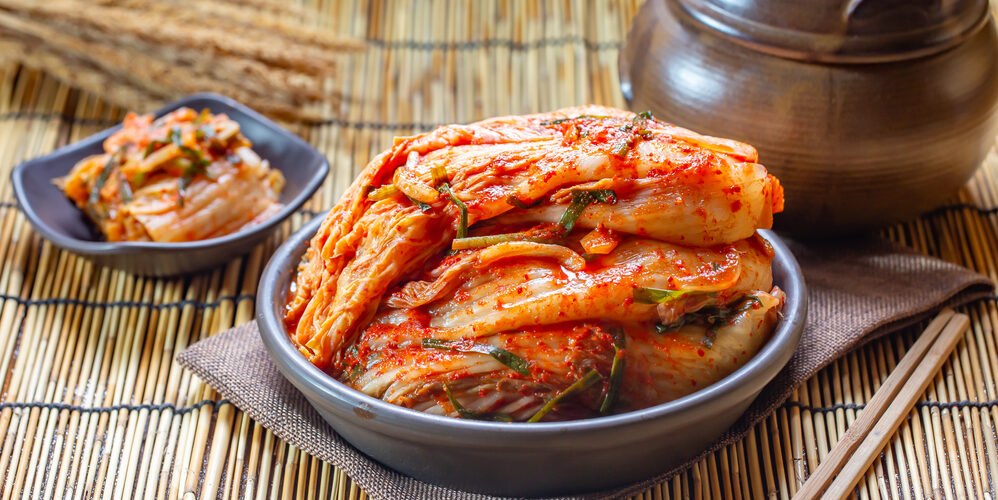
Kimchi contains live probiotic bacteria if the product has not been pasteurized.
These bacteria are linked to several of the health-related properties for which kimchi is well known.
May support a healthier gut microbiome

Research published in Cell suggests that fermented foods such as kimchi may contribute to greater diversity of beneficial bacteria in the gut microbiome, an important factor in overall health.
Rich in nutrients
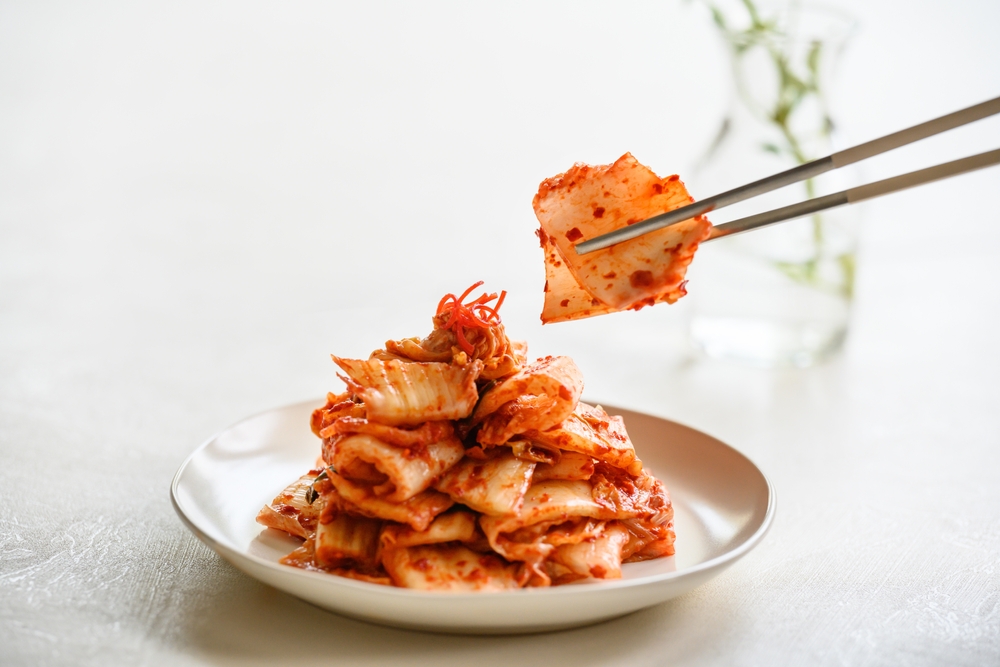
Kimchi is high in dietary fiber as well as vitamins A, B, C, and K.
Also read: These habits can help children eat more vegetables
It also provides minerals including calcium, iron, phosphorus, and selenium while remaining low in calories.
Keep the salt content in mind
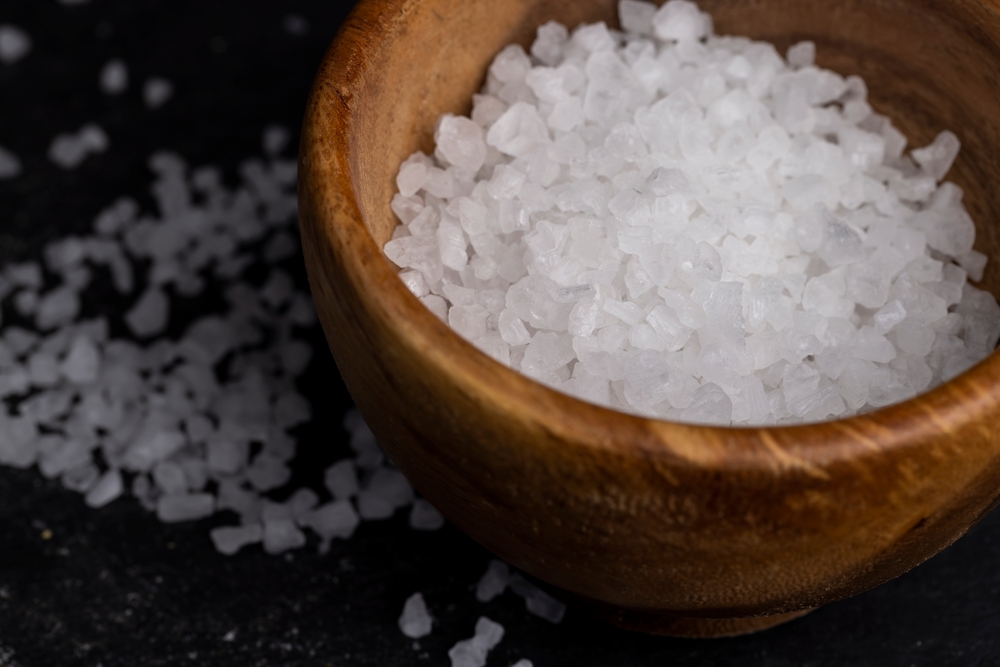
Kimchi contains a relatively high amount of salt.
People who need to limit their sodium intake may therefore need to eat it in moderation.
Studies suggest potential benefits
Small studies published in journals including the Journal of Functional Foods suggest that eating kimchi daily may help reduce certain digestive symptoms and could have a positive effect on cholesterol levels.
Also read: Fresh research examines creatine’s impact on hair health
However, researchers emphasize that more studies are needed before firm conclusions can be drawn.
Research on stomach health

A study published in the Journal of Clinical Biochemistry and Nutrition involving people with Helicobacter pylori found changes in the gut microbiome and lower markers of stomach inflammation after the daily consumption of fermented kimchi.
However, other studies have reported more mixed results.
How to store kimchi

Once opened, kimchi should be kept refrigerated.
Bubbles inside the jar are a sign that the live bacteria are still fermenting.
If you notice mold on the surface, the product should be discarded.
Ways to enjoy kimchi
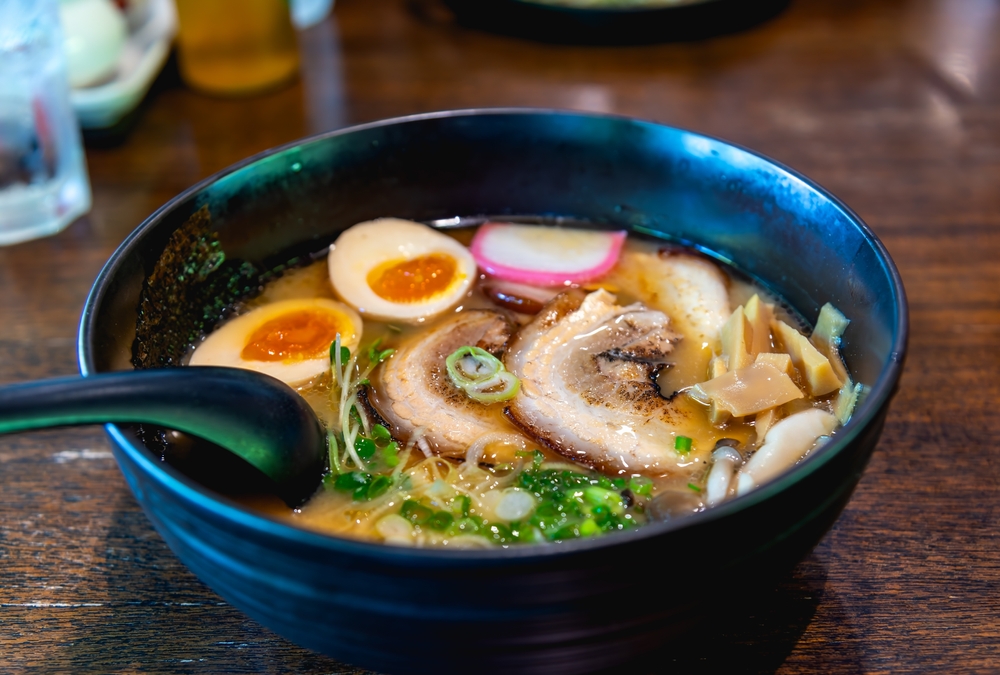
Kimchi is traditionally served as a side dish, but it can also be added to rice dishes, noodle dishes, soups, stews, dumplings, sandwiches, pasta dishes, and a variety of vegetable-based meals.
This article is made and published by Ida-Marie Palm Varbæk, who may have used AI in the preparation.