
The sun is an important source of vitamin D, but spending too much time in the sun without protection increases the risk of both sunburn and skin cancer.
How long you can safely stay in the sun depends on both your skin type and the UV index, according to Netdoktor.
The sun can be healthy in moderation
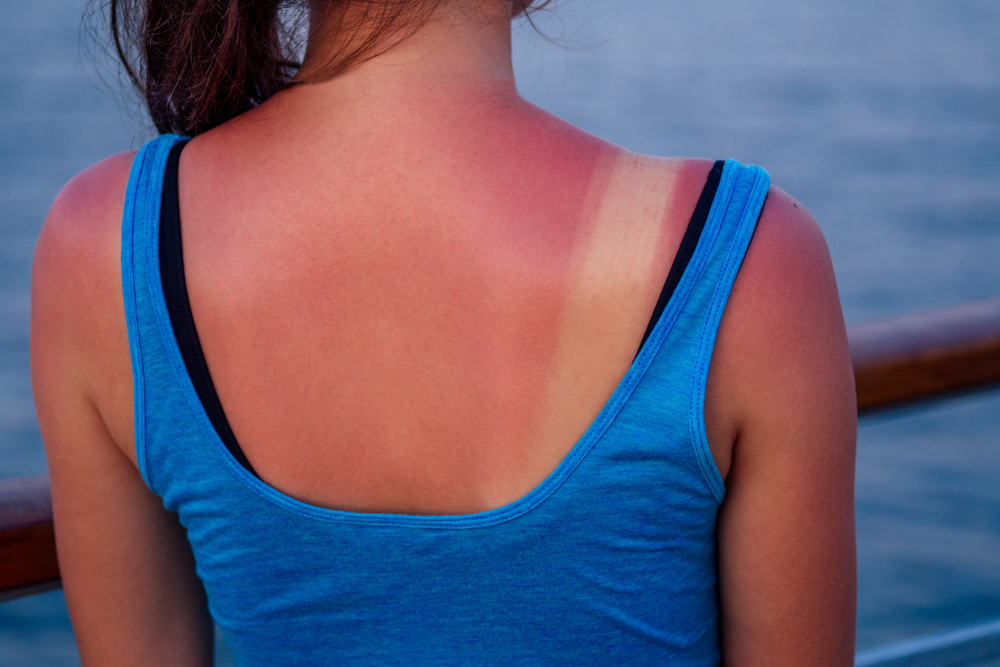
The sun helps the body produce vitamin D, but it is important not to get too much sun exposure.
A lack of protection can lead to sunburn and increase the risk of skin cancer.
Also read: Rare tick-borne illness sees unusual increase across the U.S.
Your skin type makes a big difference
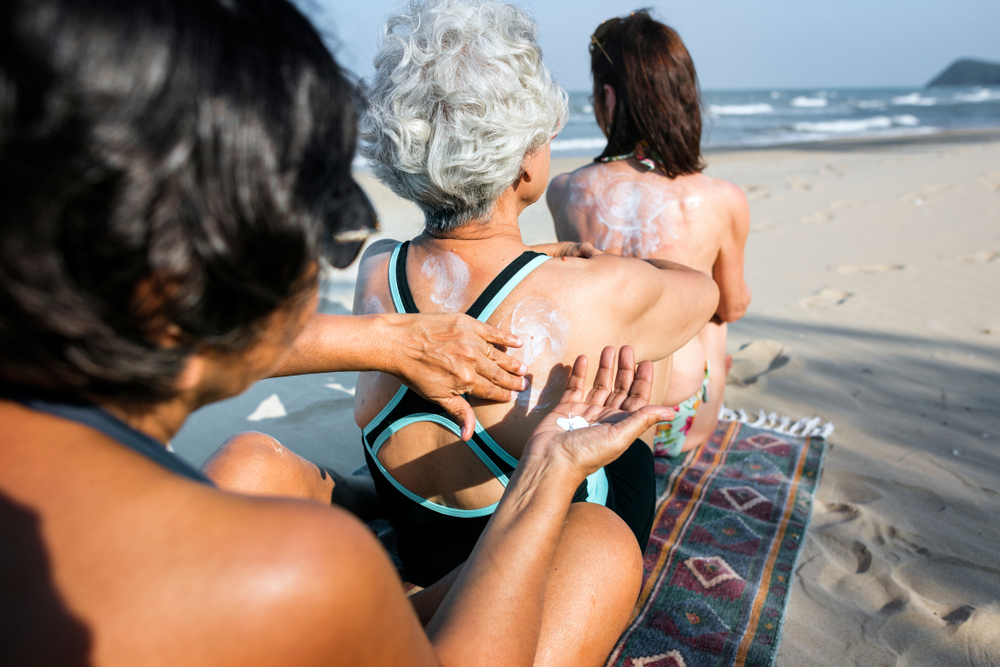
The amount of time you can spend in the sun depends on your skin type.
Skin types are classified based on how easily the skin becomes sunburned.
Skin type 1 is very sensitive
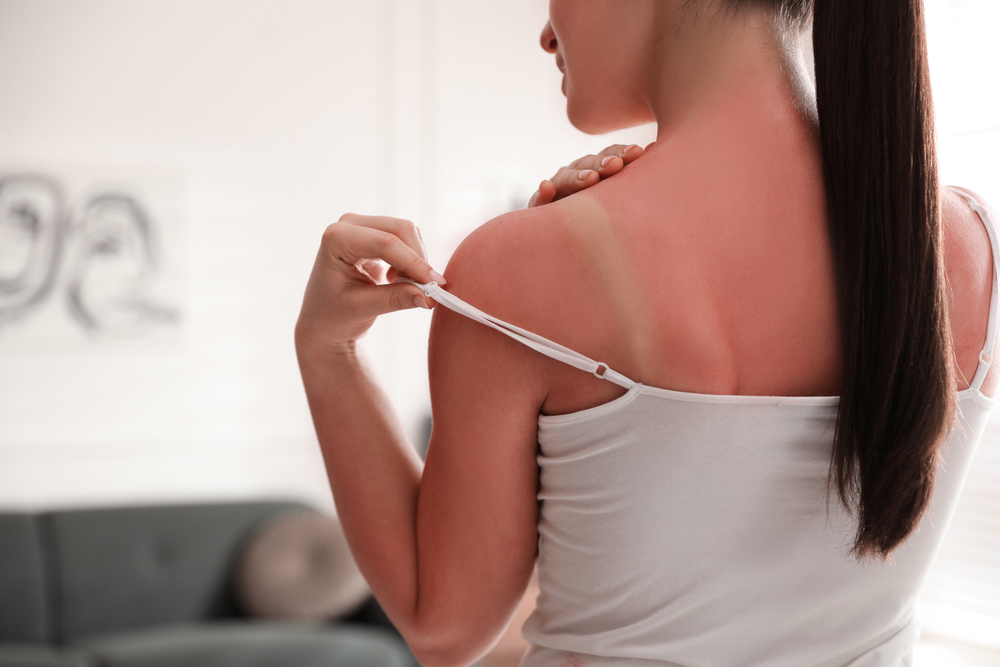
People with skin type 1 always get sunburned and almost never develop a tan.
Skin type 2 burns easily
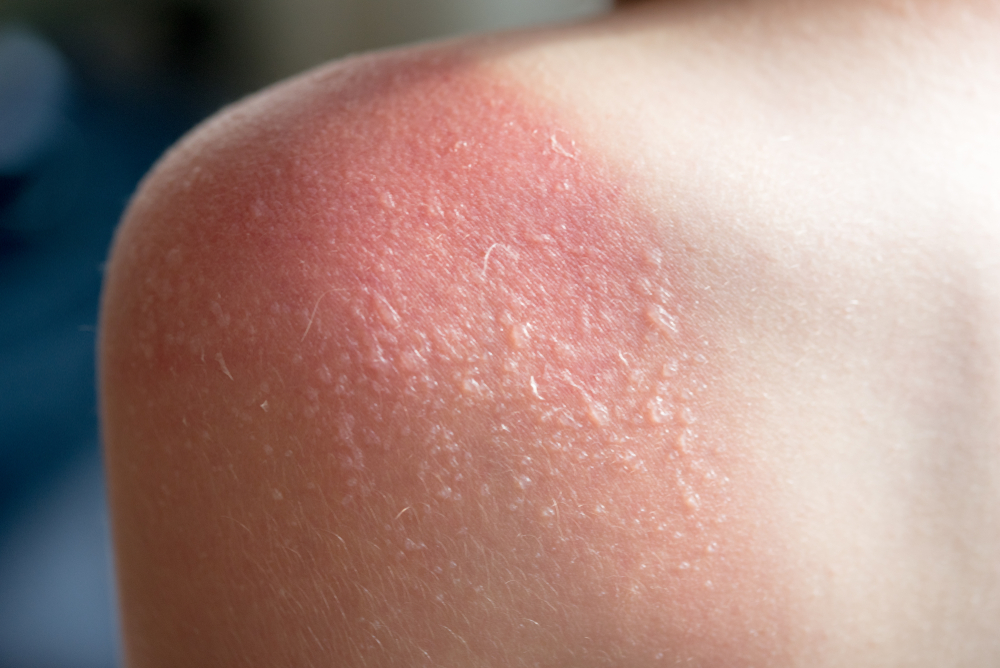
People with skin type 2 burn easily, but their skin is also capable of tanning.
Also read: Research: Sugar-free soft drinks are not necessarily a healthier alternative
Skin type 3 can develop a moderate tan
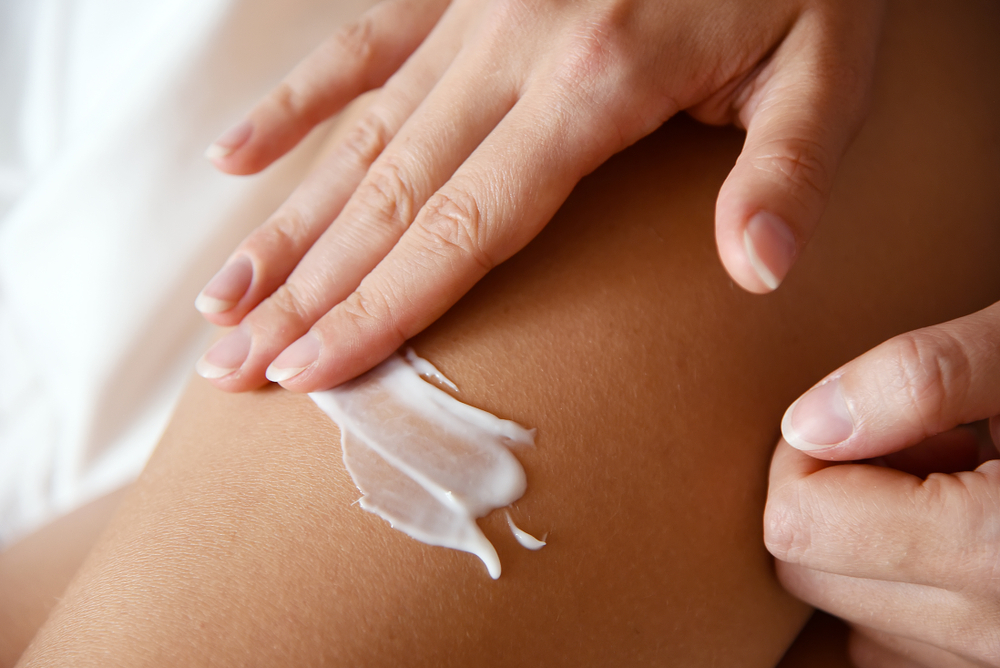
This skin type tans relatively easily but can still become sunburned if proper care is not taken in the sun.
Skin type 4 tolerates more sun

People with skin type 4 can tolerate a significant amount of sun and, according to Netdoktor, do not get sunburned after one hour of sun exposure.
After seven days of sun exposure, the skin develops a deep tan.
Skin types 5 and 6 have very dark pigmentation
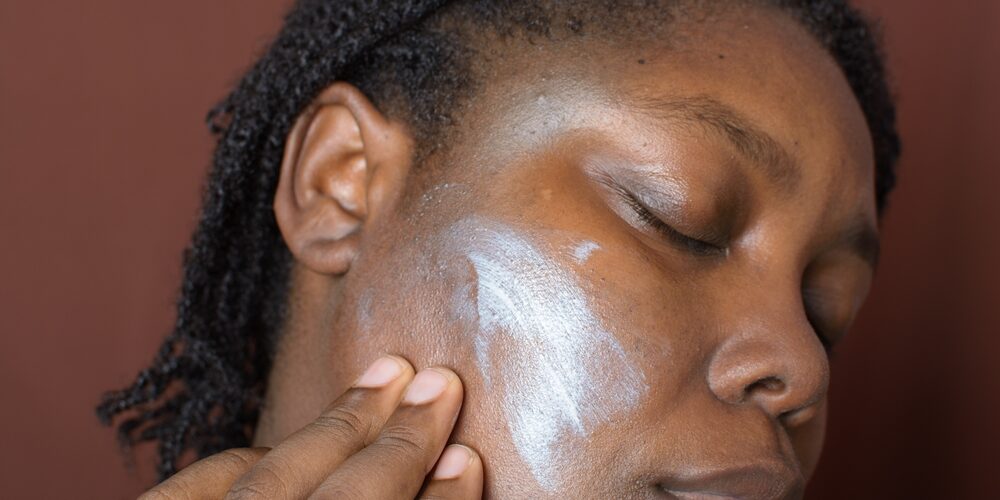
Skin types 5 and 6 are characterized by very dark pigmentation and, according to Netdoktor, do not get sunburned.
Also read: Why are people left- or right-handed? New study offers a answer
The UV index affects how long you can stay in the sun
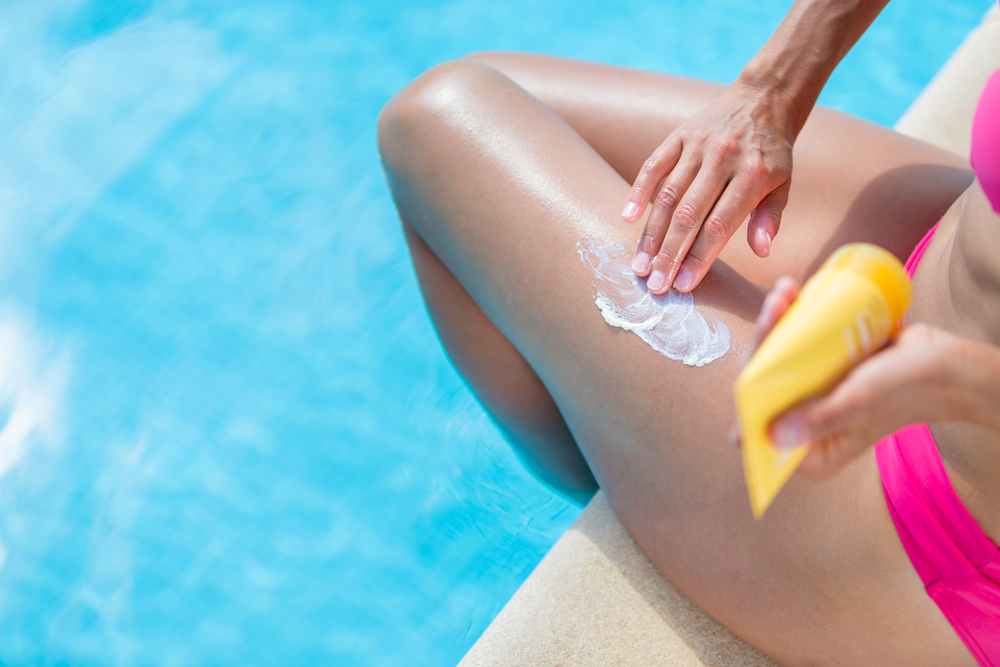
The amount of time your skin can tolerate without protection depends on both your skin type and the UV index.
The times listed below apply to a UV index of 7.
Skin type 1

At a UV index of 7, people with skin type 1 can stay in the sun without protection for approximately 15 minutes.
Skin type 2
People with skin type 2 can stay in the sun without protection for around 20 minutes at a UV index of 7.
Also read: Early puberty may raise the risk of depression
Skin type 3
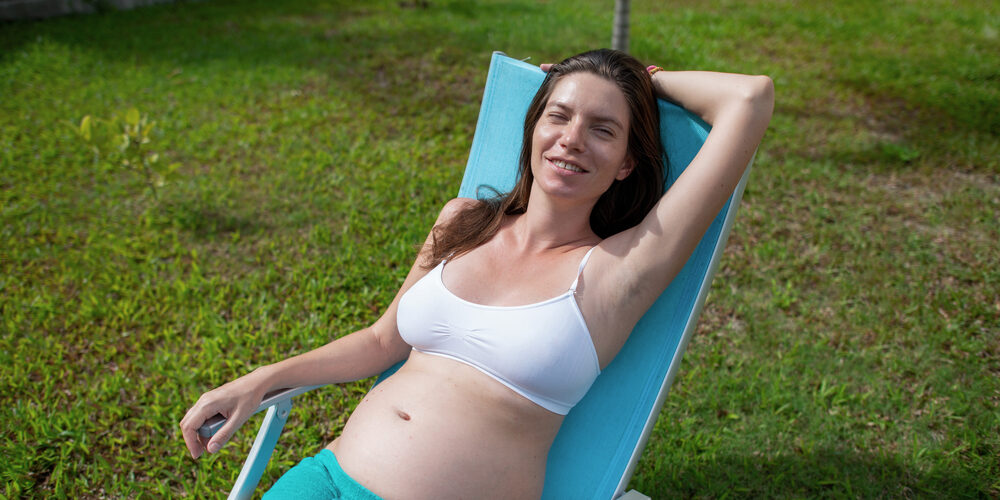
For skin type 3, the recommended maximum time without protection is 25 minutes at a UV index of 7.
Skin type 4
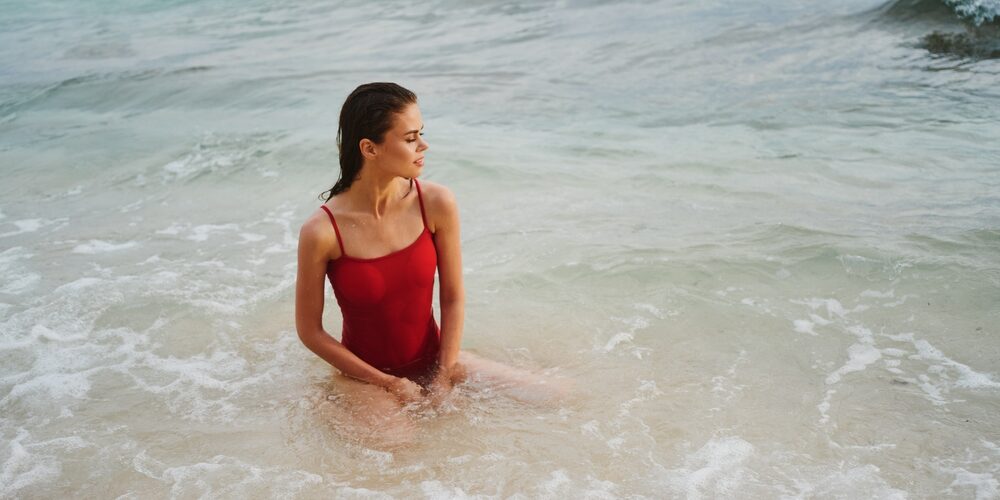
People with skin type 4 can stay in the sun without protection for approximately 40 minutes at a UV index of 7.
Skin types 5 and 6
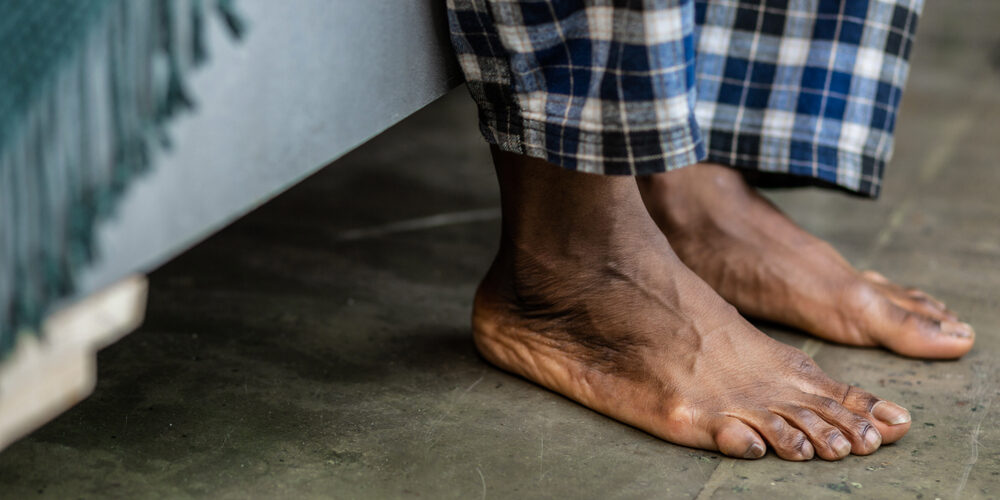
People with skin types 5 and 6 can stay in the sun without protection for up to 55 minutes at a UV index of 7.
Dark skin also requires care

Although people with skin types 4 to 6 typically do not get sunburned and have a lower risk of skin cancer and melanoma, it is still not healthy to spend long periods in direct sunlight.
Also read: Danny Glover's daughter reveals the first signs before his Alzheimer's diagnosis
Netdoktor also emphasizes that direct sun exposure causes just as many wrinkles in these skin types as it does in skin types 1 to 3.
This article is made and published by Ida-Marie Palm Varbæk, who may have used AI in the preparation.