
Caffeine is a daily ritual for many, but do you know exactly how much you’re consuming? Whether it’s a morning coffee, an afternoon tea, or an energy drink before the gym, caffeine intake can vary greatly.
Understanding the amount in each drink can help you make better choices for your energy levels, sleep, and overall well-being.
Coffee: The strongest caffeine source
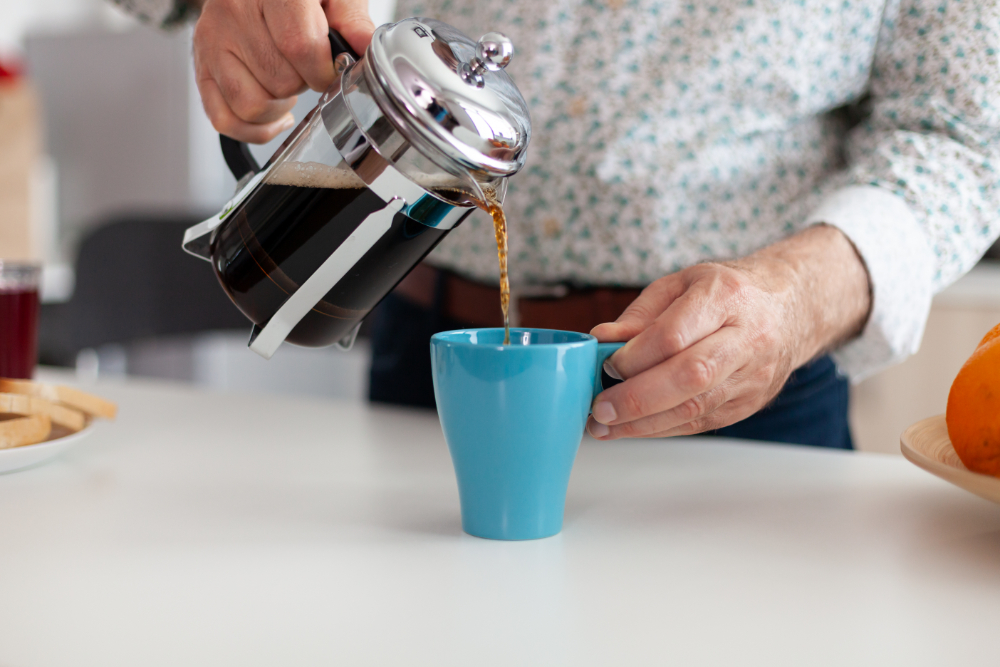
A standard cup (8 oz) of brewed black coffee contains around 125 mg of caffeine. Depending on the brewing method and roast level, the amount can fluctuate, but coffee remains the most caffeine-packed option.
Tea: A milder alternative
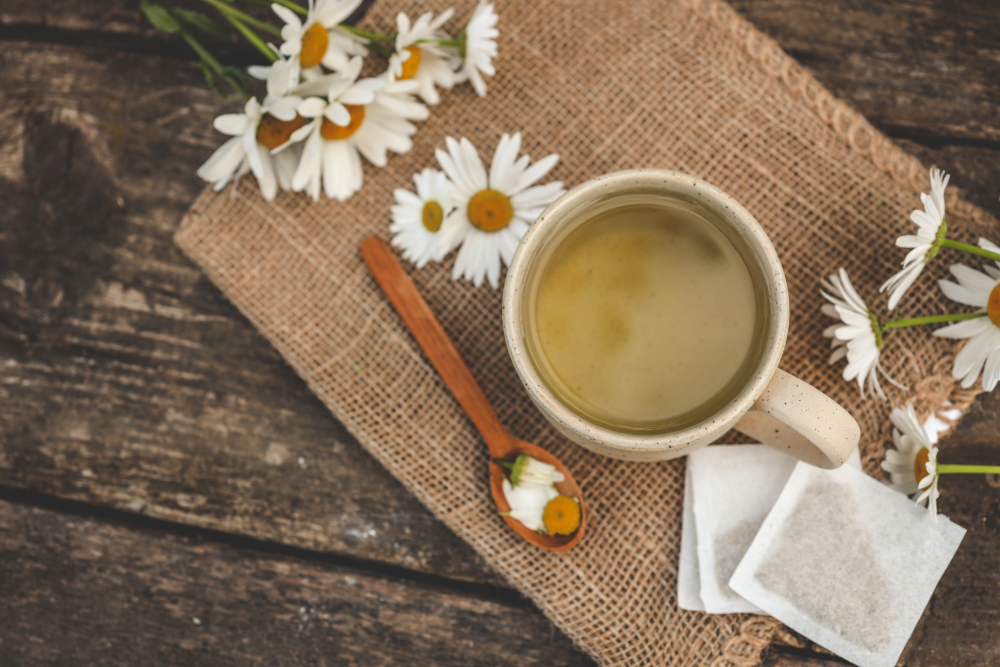
Black tea offers about 40 mg of caffeine per cup, while green tea has even less, typically around 25 mg. Herbal teas, such as chamomile or peppermint, are completely caffeine-free.
Energy drinks: A quick boost with a downside
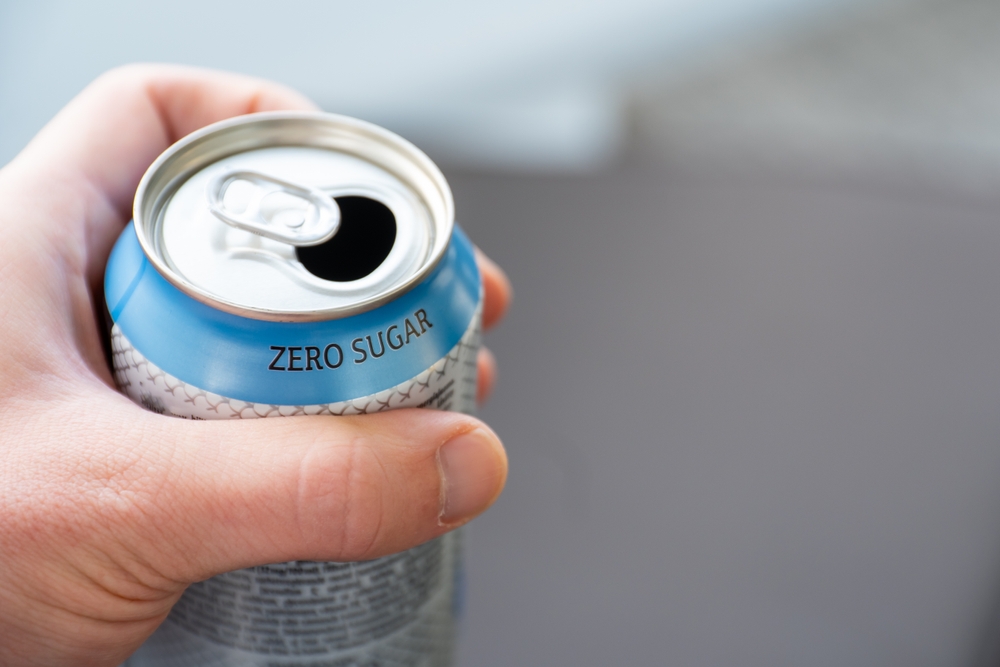
A typical energy drink (8 oz) contains around 80 mg of caffeine, often combined with other stimulants like taurine and guarana. While they provide a rapid energy boost, they can also lead to crashes and disrupt sleep patterns.
Caffeine’s impact on sleep
Caffeine stays in your system for hours, affecting sleep quality. Experts recommend avoiding caffeinated drinks at least six hours before bedtime to prevent restlessness and insomnia.
How much caffeine is too much?
Health experts suggest a daily limit of 400 mg of caffeine for adults, equivalent to about four cups of coffee. Exceeding this amount can lead to jitteriness, headaches, and an increased heart rate.
Caffeine’s hidden sources
Apart from coffee, tea, and energy drinks, caffeine is also found in chocolate, sodas, and even certain medications. Be mindful of these hidden sources to manage your intake.
Caffeine and hydration: A common myth

Contrary to popular belief, moderate caffeine consumption does not dehydrate you. However, excessive intake can have a mild diuretic effect, so balancing with water is essential.
Can caffeine be good for you?

Studies suggest that moderate caffeine consumption may have health benefits, such as improved brain function and a lower risk of certain diseases. However, these benefits depend on individual tolerance levels.
Should you switch to decaf?

For those sensitive to caffeine, switching to decaf coffee or caffeine-free herbal teas can provide comfort without the stimulating effects. Decaf still contains small traces of caffeine but in much lower amounts.
The best time to drink caffeine
Experts recommend consuming caffeine in the morning or early afternoon. Drinking it too late in the day can interfere with your natural sleep cycle and lead to fatigue the next morning.
The article is based on information from Senior News
This article is made and published by Mie Hermansen, who may have used AI in the preparation.