
Fat is an essential part of the brain's structure and function. If your diet doesn't provide enough of the right types of fat, it may affect concentration, memory, mood, and long term brain health, reports EatingWell.
Your brain needs fat
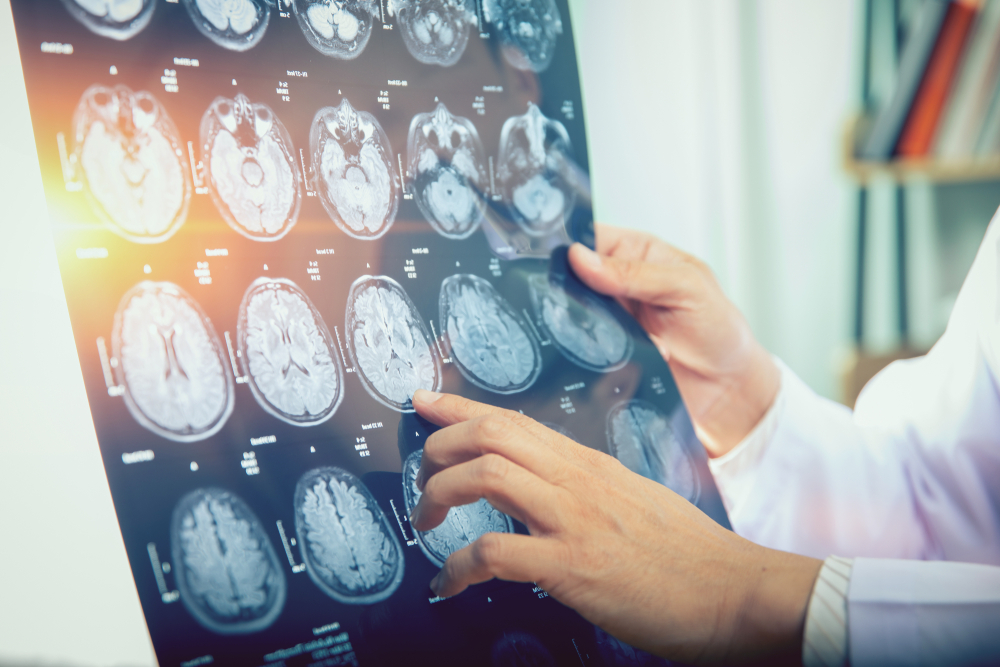
About 60 percent of the brain's weight consists of fat. It forms part of brain cell membranes and is essential for efficient communication between nerve cells.
The right types of fat matter
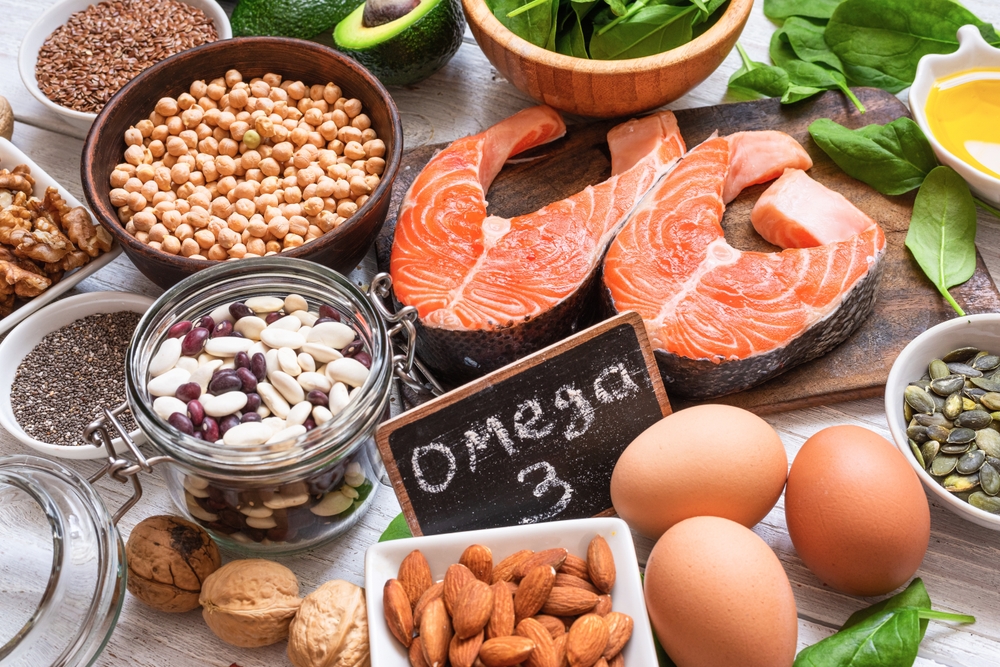
Not all fats have the same effect on the body. The brain benefits most from unsaturated fats and essential fatty acids, while saturated and trans fats should be limited.
How much fat is recommended?

According to the Dietary Guidelines for Americans, fat should provide 20 to 35 percent of your daily calorie intake. On a 2,000 calorie diet, that equals approximately 44 to 78 grams of fat per day.
Also read: Your daily vitamin D dose may be buying you nearly 3 years of biological time
Too little fat can reduce focus

A lack of fat may impair communication between brain cells, making it more difficult to stay focused, think clearly, solve problems, and make decisions.
Memory may be affected

A low intake of essential fatty acids may affect the hippocampus, the part of the brain closely linked to memory. This can make it harder to store and recall recent information.
Mood can be impacted

Very low fat intake may increase the risk of deficiencies in vitamin D and essential fatty acids. These nutrients play a role in serotonin related processes that help regulate mood.
The risk of dementia may increase

Healthy fats can help reduce inflammation and support heart function. In turn, this may improve blood flow to the brain and help lower the risk of cognitive decline and dementia with age.
Also read: One weekly workout could reduce belly fat
Fatty fish Is an excellent source of omega 3

Salmon, sardines, and mackerel are rich in the omega 3 fatty acids EPA and DHA. These nutrients support brain cell structure and may help reduce inflammation.
Plant based sources also contribute
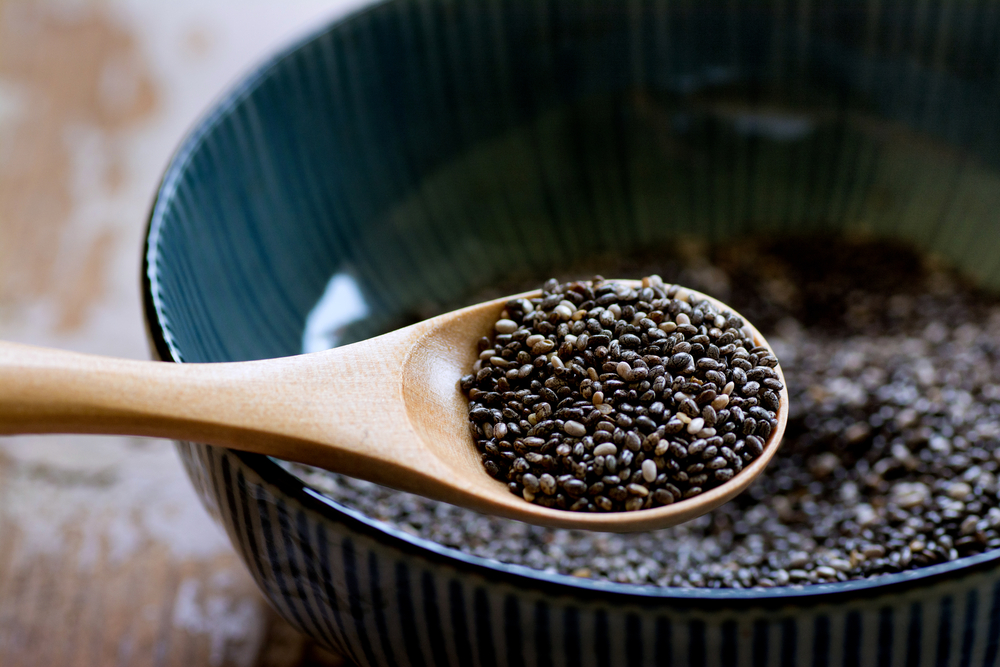
Walnuts, chia seeds, flaxseeds, and perilla seeds provide the plant based omega 3 fatty acid ALA, making them good options for people who do not eat fish.
Olive oil and avocados support brain health

Extra virgin olive oil and avocados are rich in monounsaturated fats, which support healthy blood flow that is important for memory and concentration.
Seaweed provides additional nutrients

Seaweed contains small amounts of omega 3 along with iodine, both of which are important for normal brain function and can be included as part of a plant based diet.
Also read: Cutting carbs or cutting fat both work for your heart - but only if you get this right
Healthy fats support the brain throughout life
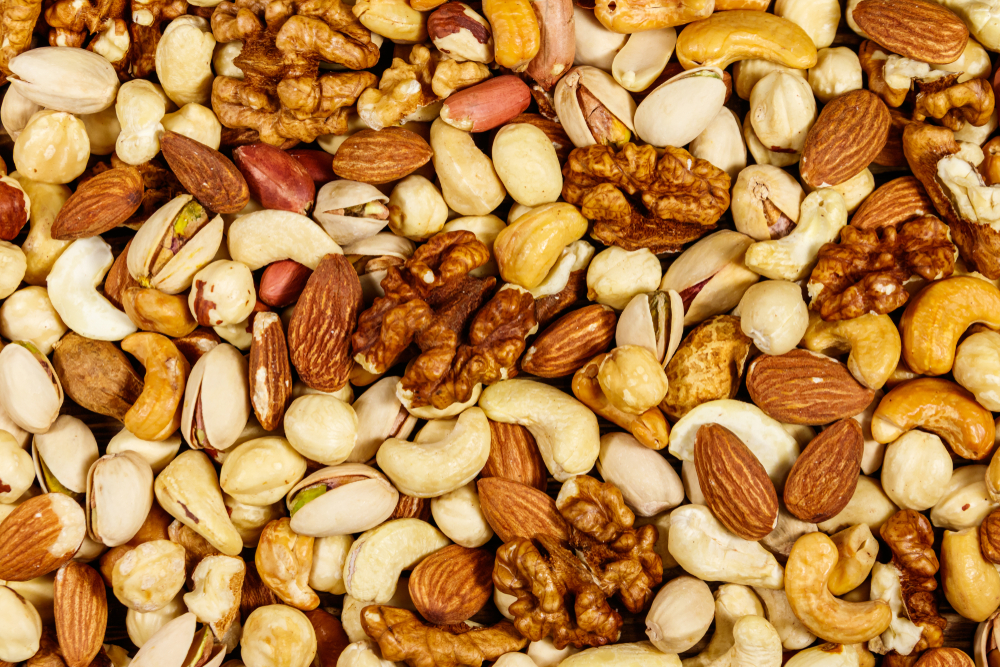
Getting enough unsaturated fats may help support focus, memory, and mood. Foods such as fatty fish, olive oil, nuts, seeds, and avocados may also contribute to healthy brain aging.
Also read: The hygiene habits flight attendants wish passengers would stop
This article is made and published by Mie Hermansen, who may have used AI in the preparation.