
Pineapple can be a kidney friendly choice, but eating it every day may require extra attention for some people, reports Verywell Health.
Why pineapple can fit into a kidney friendly diet

Pineapple is relatively low in potassium and also contains low amounts of sodium and phosphorus. These are nutrients that may need to be monitored when kidney function is impaired.
Your kidneys may have more difficulty filtering your blood

Chronic kidney disease can reduce the kidneys’ ability to filter substances such as potassium, phosphorus, and salt from the blood. If these substances build up, they can affect the muscles, bones, blood vessels, and heart.
A small portion may be enough
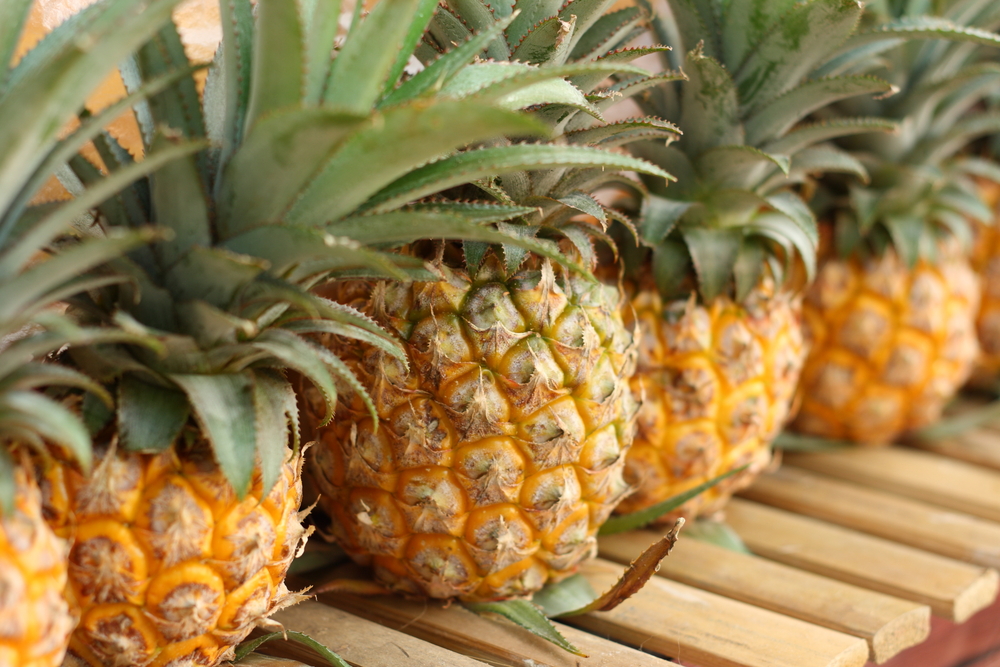
Portion size matters when pineapple is eaten regularly. According to nutritionist Diana Guevara, around half a cup of fresh pineapple should generally be able to fit into a kidney friendly diet.
Also read: Less than seven hours a night: What it does to your heart, brain, and hormones
Pineapple provides more than potassium

Pineapple also provides vitamin C, manganese, fiber, water, and plant bioactives. This combination makes it a nutritious option for most people.
Pineapple is relatively low in phosphorus
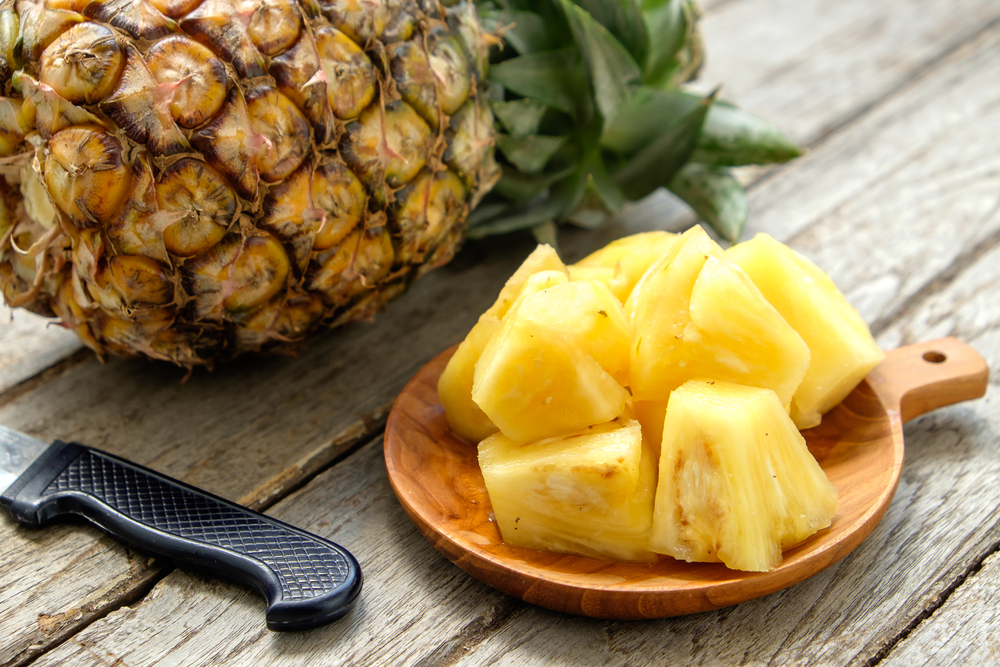
Phosphorus is one of the nutrients that healthcare providers commonly monitor when kidney function is impaired. Because pineapple is low in phosphorus, it may be suitable for a diet in which phosphorus intake needs to be monitored.
It is also naturally low in sodium

Pineapple naturally contains little sodium. This is another reason it may work well in a kidney friendly diet, since sodium is among the nutrients that may need to be monitored when kidney function is impaired.
Your total potassium intake matters

Although pineapple is not particularly high in potassium, it still contributes to your daily intake. If other foods have already accounted for your potassium limit for the day, you may need to reduce or temporarily avoid pineapple.
Also read: New research: Working from home may harm our health
Kidney disease does not necessarily mean giving up pineapple

Having kidney disease does not automatically mean pineapple needs to be removed from your diet. Whether potassium needs to be restricted depends on factors including kidney function, blood potassium levels, medications, and other health conditions.
Blood tests can influence dietary recommendations

People with chronic kidney disease do not necessarily have the same nutritional requirements. Dietary recommendations should therefore be individualized and can depend on laboratory results.
Diet can matter when you have chronic kidney disease

People with chronic kidney disease may need to prioritize certain foods while limiting others. Making appropriate dietary choices can help slow the progression of the condition.
Too much potassium can cause serious symptoms

High potassium levels in the blood can be associated with an irregular heartbeat, chest pain, shortness of breath, weakness, fainting, severe nausea, and vomiting. The source article notes that consuming too much of potassium containing foods can be a concern for people with chronic kidney disease who are on dialysis.
Also read: Fitness trainer gained 13 kilos in one month: Died weeks late
You may not notice that your potassium is high

High potassium levels do not always cause noticeable symptoms. People with kidney disease therefore should not manage their potassium intake based only on how they feel. A healthcare provider or registered dietitian can help tailor dietary choices to individual needs.
Also read: These common food preservatives may be raising your blood pressure
This article is made and published by Mie Hermansen, who may have used AI in the preparation.