
Dancing combines movement, music, memory, creativity and social interaction.
According to neuroscientists, several parts of the brain are activated when we dance, and dancing regularly can have a range of positive effects, according to Real Simple.
The brain is activated before the dancing even begins
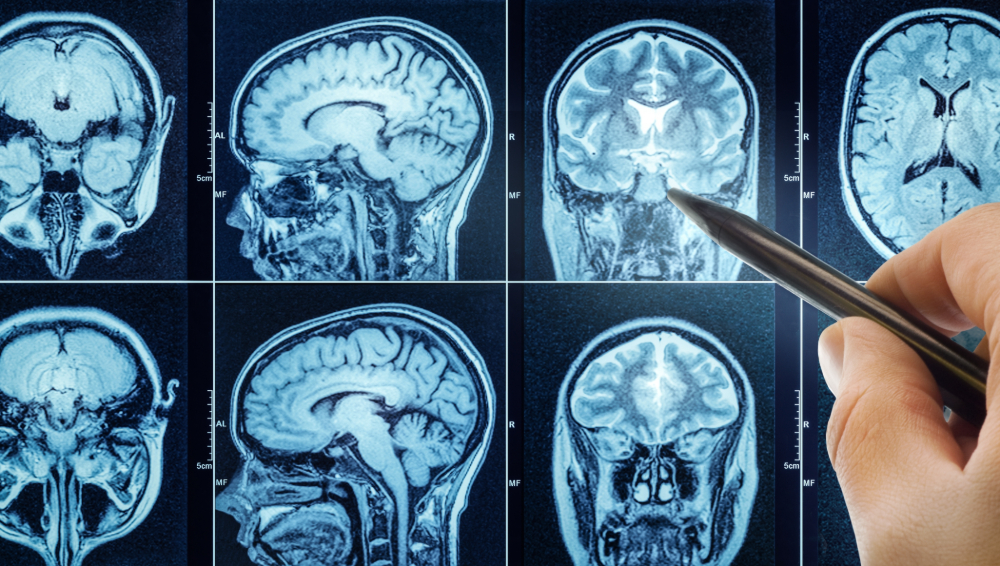
When you enter a dance studio, your brain is already getting to work.
The hippocampus registers your surroundings, while the dopamine system is activated in anticipation of the class beginning.
Also read: 8 early warning signs of heart failure most people write off as being out of shape
Mirror neurons contribute to a sense of community
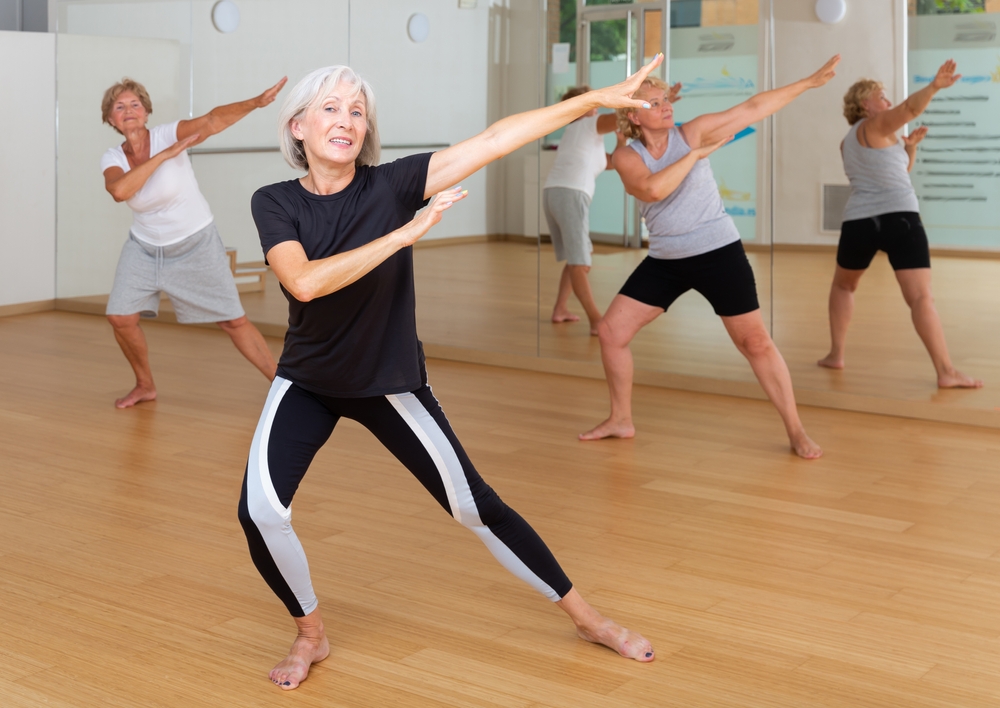
When you watch other people stretch or move, the brain's mirror neurons are activated.
According to neuropsychologist Wilfred G. van Gorp, this can help create a sense of social connection.
The amygdala assesses the situation
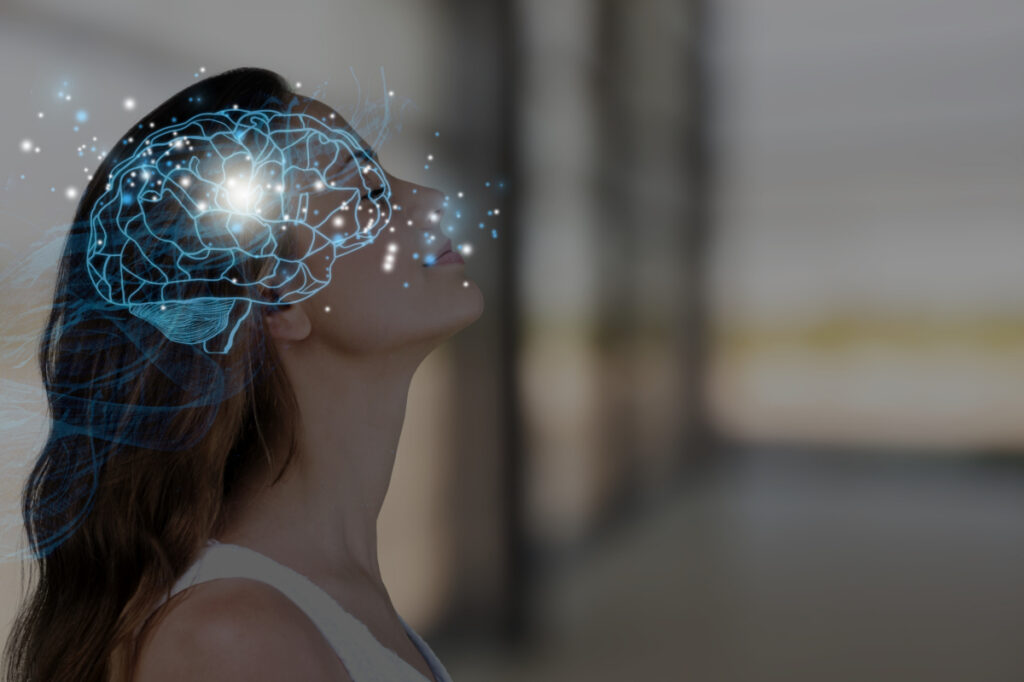
The amygdala is also active when you are in the dance studio.
Among other things, this part of the brain helps assess whether the surroundings feel safe and how you feel about being watched by others.
Also read: One daily bowl of oatmeal may lower your LDL cholesterol, and the FDA agrees
Warming up gets the body going
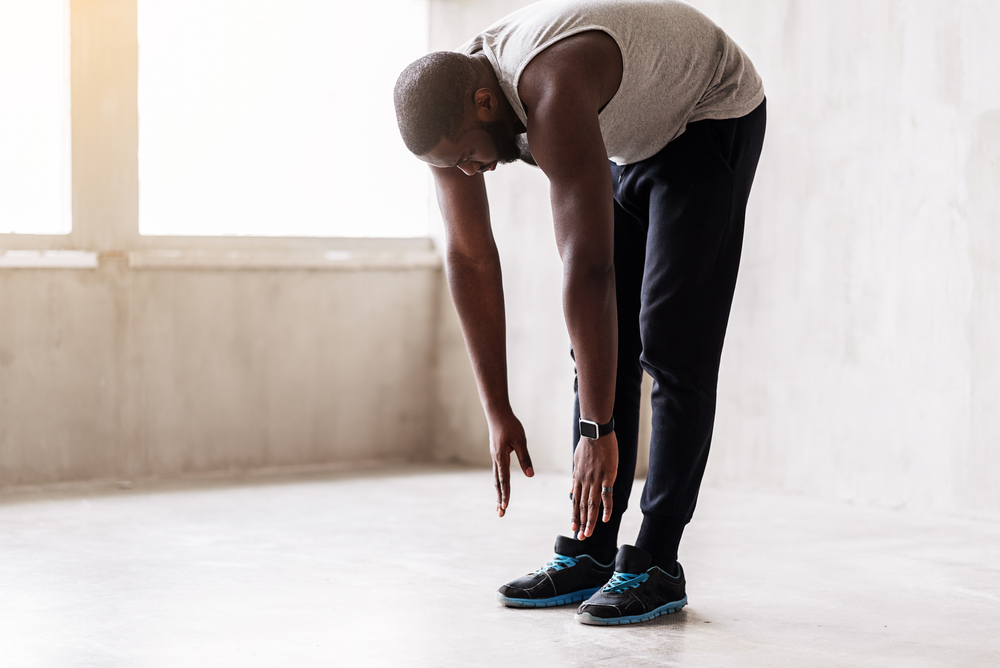
During the warm-up, your heart rate increases and blood flow improves.
At the same time, the cerebellum and motor cortex become more active, while the vagus nerve helps the body reach a state in which it feels energised without feeling threatened.
More neurotransmitters are released
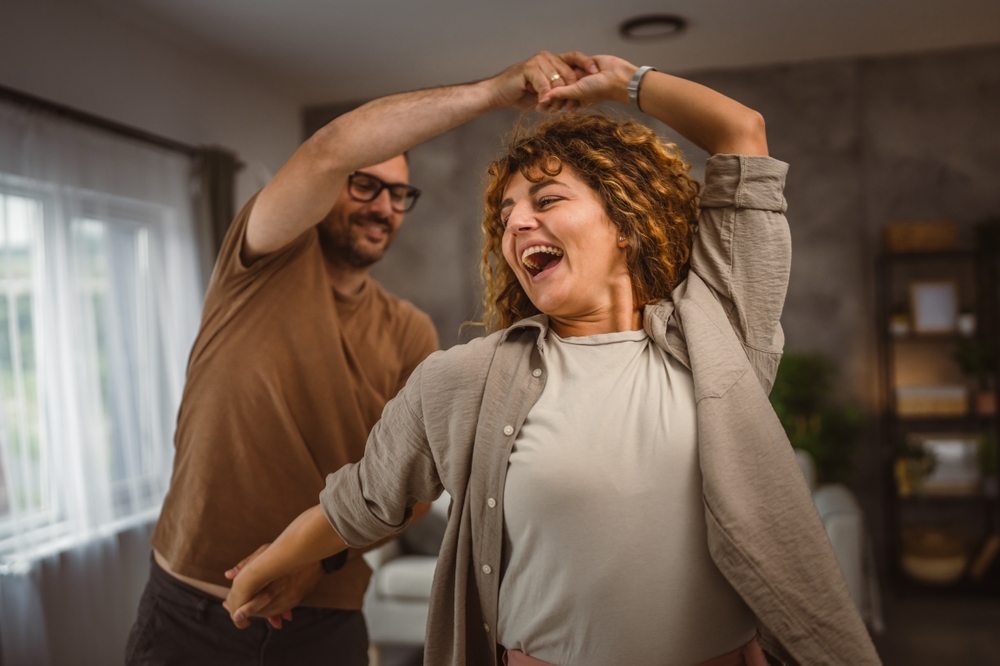
Movement, music and social interaction can lead to the release of neurotransmitters including dopamine, serotonin, endorphins and oxytocin.
According to neuroscientist Dave Rabin, this can help people feel happier and more comfortable in their bodies.
Also read: Morning or bedtime for your blood pressure pill? What the biggest trial actually found
Several parts of the brain work together
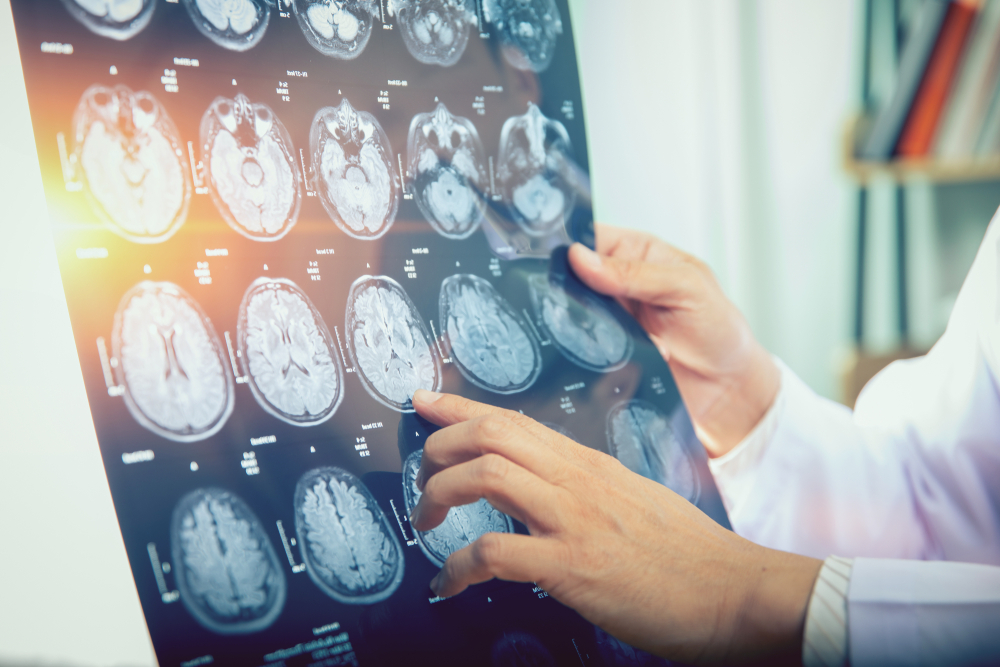
When you learn choreography, different parts of the brain have to work together.
The prefrontal cortex is involved in processing the movements, while the limbic system responds to the music.
Repetition makes movements easier
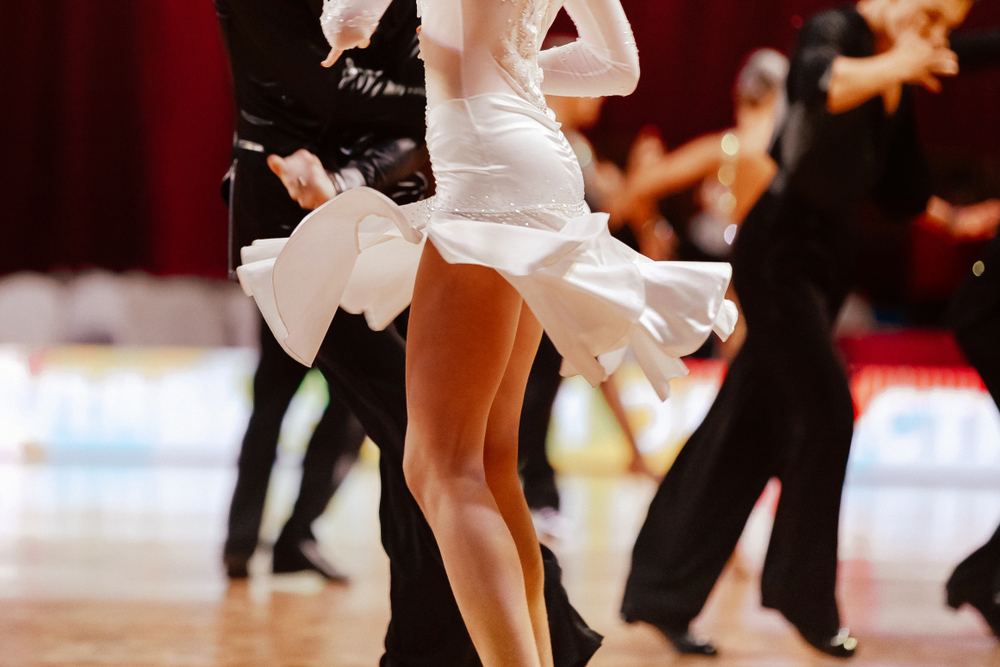
When a dance sequence is repeated, the basal ganglia and cerebellum help gradually automate the movements.
This means you do not need to devote as much attention to each individual step.
Also read: What chronic stress quietly does to your heart, immune system and brain
There is more room for expression
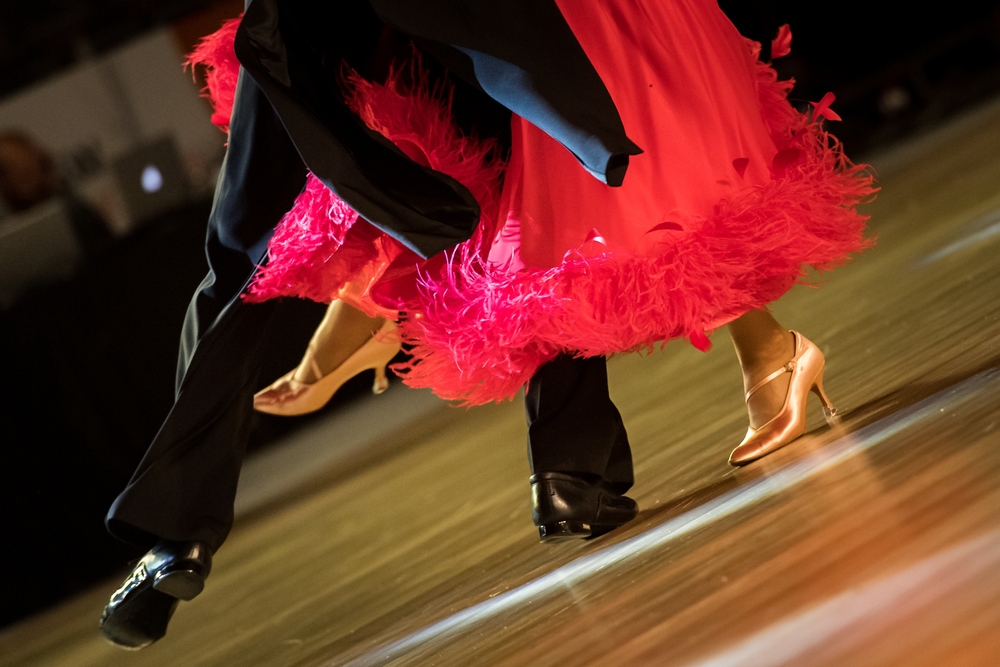
As the movements become more automatic, more attention can be devoted to artistic and emotional expression.
With practice, the physical and emotional aspects of dancing therefore become more closely connected.
The brain keeps working after dancing
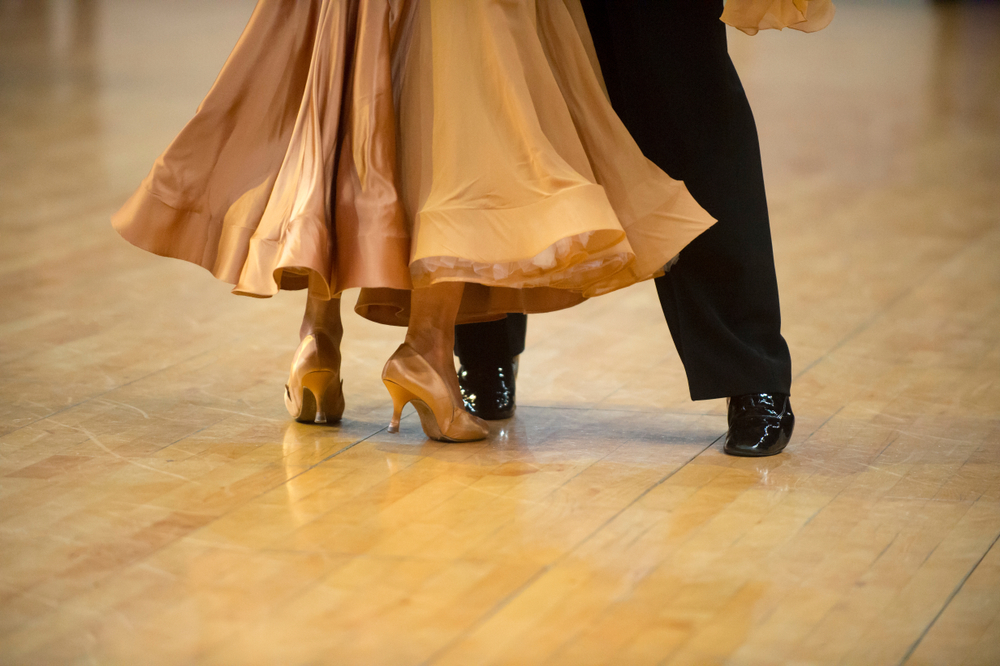
The brain's processes do not necessarily stop when the dance class ends. According to Dave Rabin, the brain continues to process the experience, and cortisol levels may decrease while mood often improves.
Dancing can build courage
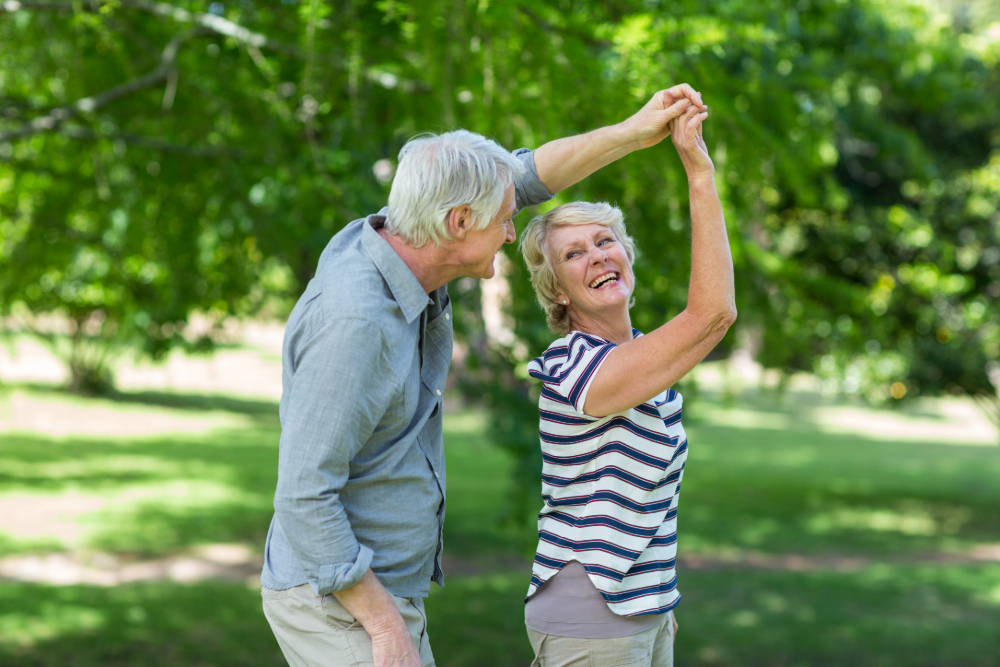
Dancing is not only about learning movements and improving coordination.
It also involves moving and expressing yourself in front of others, which, according to Dave Rabin, means that dancing can also help build courage.
Memory may improve
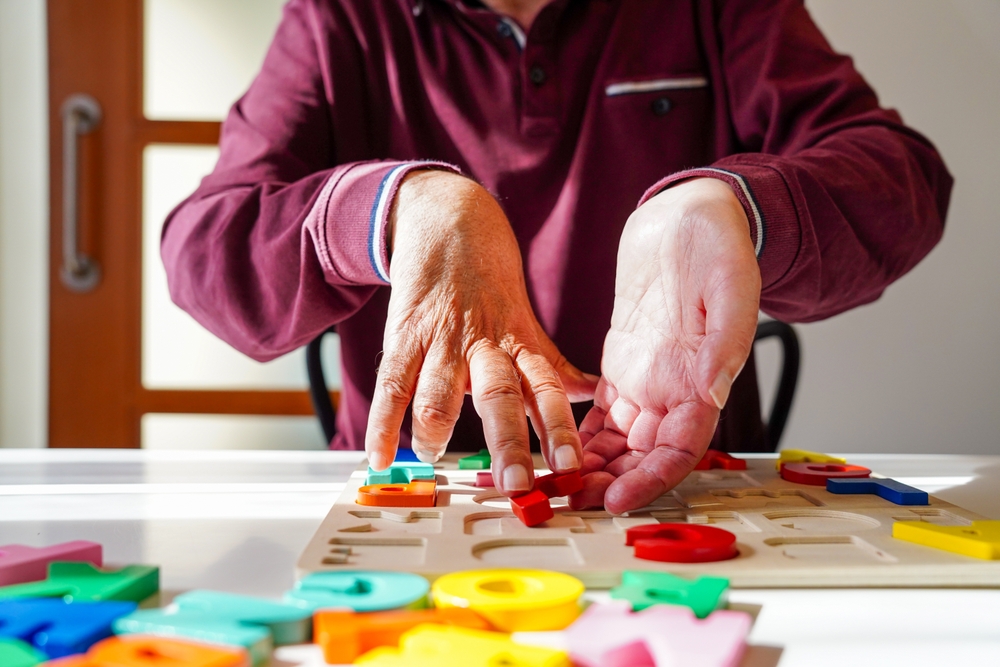
According to Dave Rabin, dancing regularly over a longer period can improve memory.
The brain continually adapts to the demands of learning new choreography and remembering movements that have already been learned.
Balance and coordination may improve
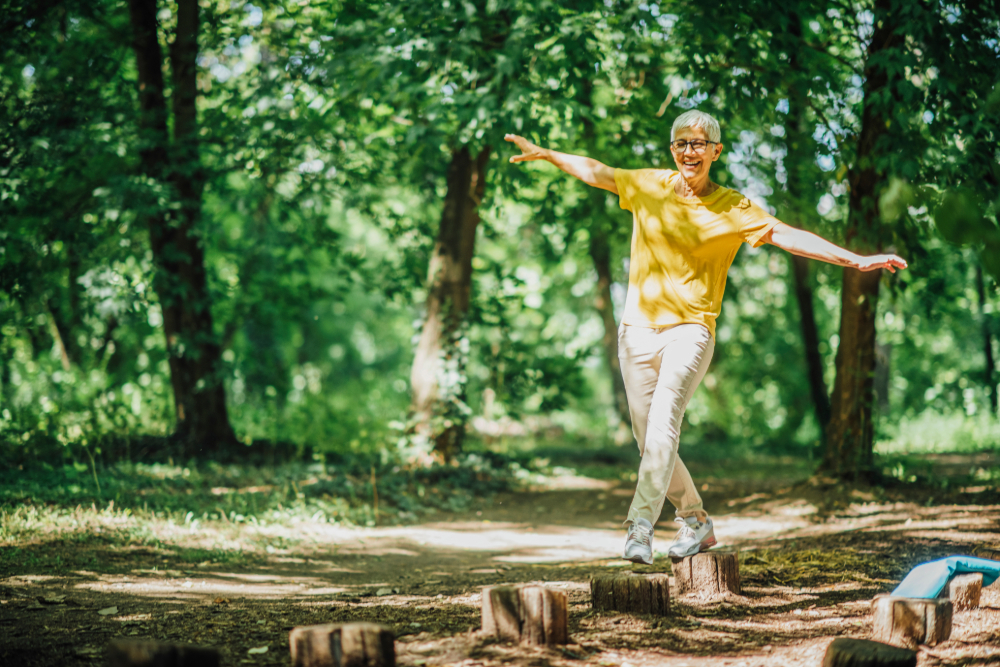
Over time, dancing can improve both balance and coordination. At the same time, a sense of rhythm and body awareness can develop through regular practice.
New choreography may become easier to learn
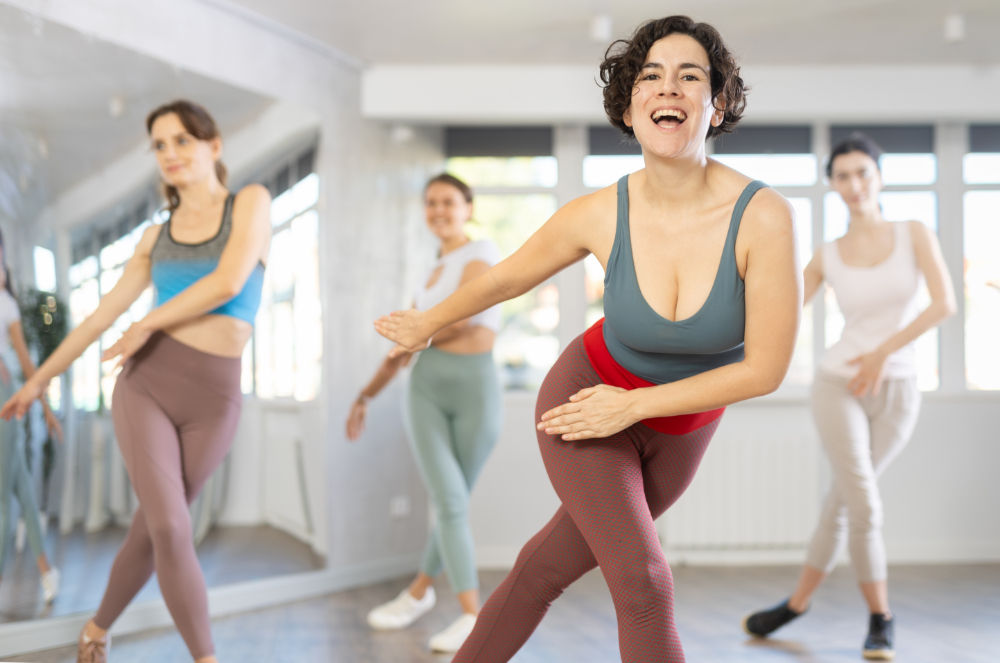
As the brain adapts to dance training, learning new choreography may begin to feel more natural.
At the same time, it may become easier to refine movements and skills that have already been learned.
Dancing can also benefit the body

The potential benefits are not limited to the brain. According to Dave Rabin, regular dancing can also improve mobility, flexibility, balance and heart health.
Dancing combines many activities
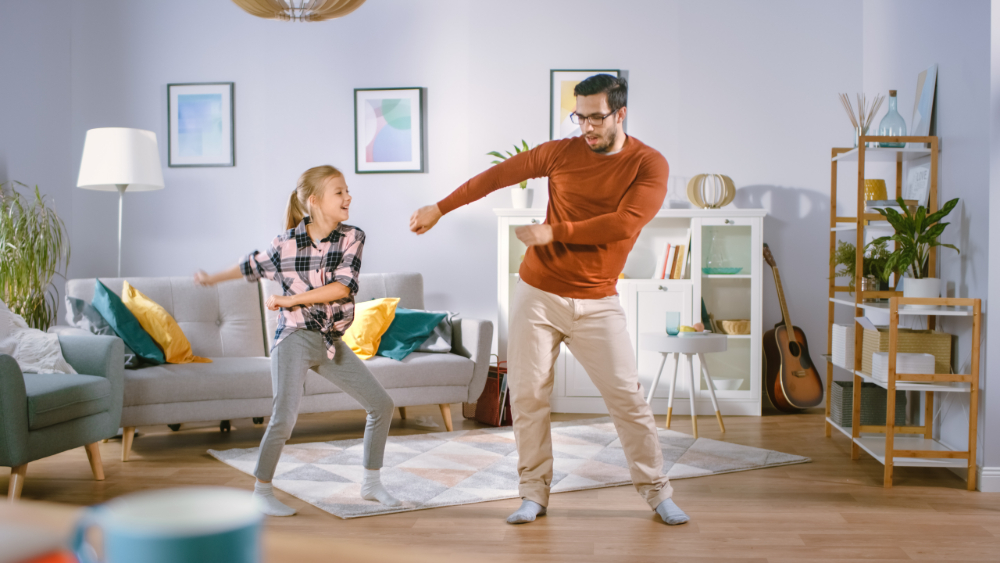
What makes dancing distinctive is its combination of physical activity, music, social interaction, creativity, memory and play. As a result, both the body and several different mental functions are challenged at the same time.
This article is made and published by Ida-Marie Palm Varbæk, who may have used AI in the preparation.