
If you experience anxiety or sudden distress during your busy day, try these simple techniques to reduce symptoms in just a few minutes.
Breathe with your belly

Sit down in a comfortable position, relax your shoulders, and place one hand on your chest and the other on your stomach.
Take deep breaths that fill your belly, then exhale slowly. This helps activate your body’s relaxation response.
Imagine your happy place

Close your eyes and picture a place that makes you feel safe and happy. It could be a real location or something from your imagination.
Focusing on this comforting image can help your nervous system return to a calm state.
Look at a ‘happy picture’
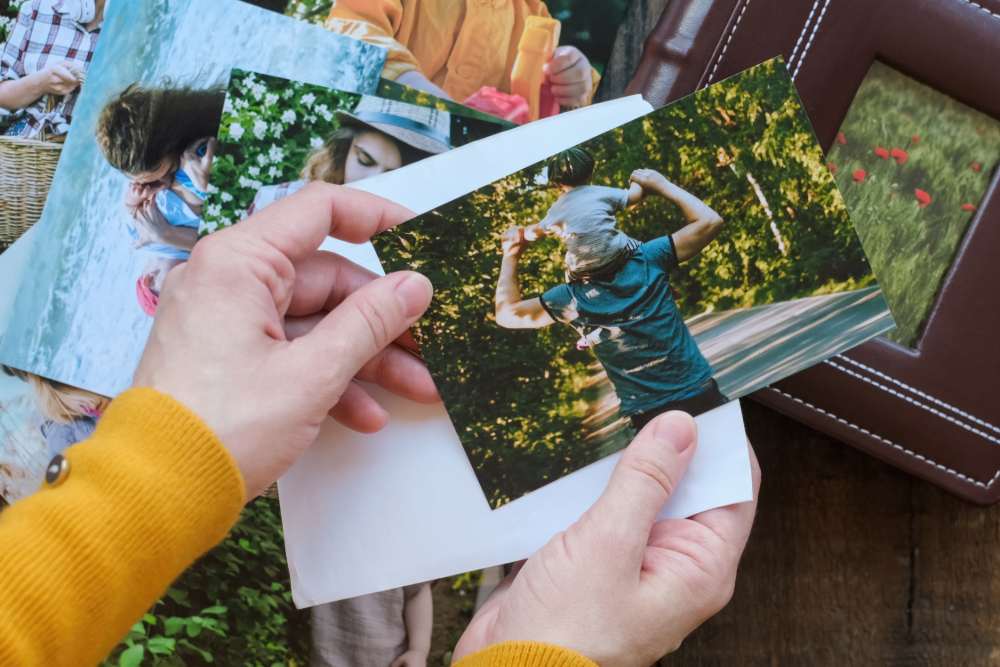
Find a photo on your phone or a photograph of a loved one, a cherished pet, or a beautiful memory.
Looking at something that brings you joy can instantly improve your mood and reduce feelings of anxiety.
Listen to a relaxation exercise

Soothing sounds like ocean waves or guided meditation can help you feel more grounded.
Try a body scan, breathing exercise, or simply listen to relaxing sounds before bed to ease anxiety.
Escape through music

Music has the power to slow your heart rate and lower blood pressure.
Create a playlist of your favorite calming songs so you always have a quick way to relax when anxiety strikes.
Move your body

Physical movement can release built-up tension and anxiety. Take a short walk, dance, stretch, or even shake your body for five minutes.
These simple actions can help you feel more centered and in control.
Call someone who understands you

Anxiety can feel isolating, but talking to a trusted friend or family member can provide reassurance.
Reach out to someone who will listen without judgment and help you navigate difficult emotions.
Write down your thoughts

Journaling can be a powerful way to process your emotions.
Write down what you’re feeling, or even address your anxiety as if it were a person. This can help you gain clarity and perspective.
Turn off your phone

Social media and constant notifications can worsen anxiety.
Try putting your phone away for a while and sit with your thoughts without digital distractions. This can help you feel more present and in control.
Seek professional help if needed

If these techniques don’t provide enough relief, consider working with a therapist.
They can help you develop personalized coping strategies and long-term solutions for managing anxiety.
This article is based on information from iForm.
This article is made and published by Ida-Marie Palm Varbæk, who may have used AI in the preparation.