
Everyone gets hiccups once in a while – they usually start as a funny annoyance but quickly turn frustrating. Why do they happen, and more importantly, how can you get rid of them quickly? Here’s everything you need to know – plus 10 ideas to beat them.
What Happens in Your Body When You Get Hiccups
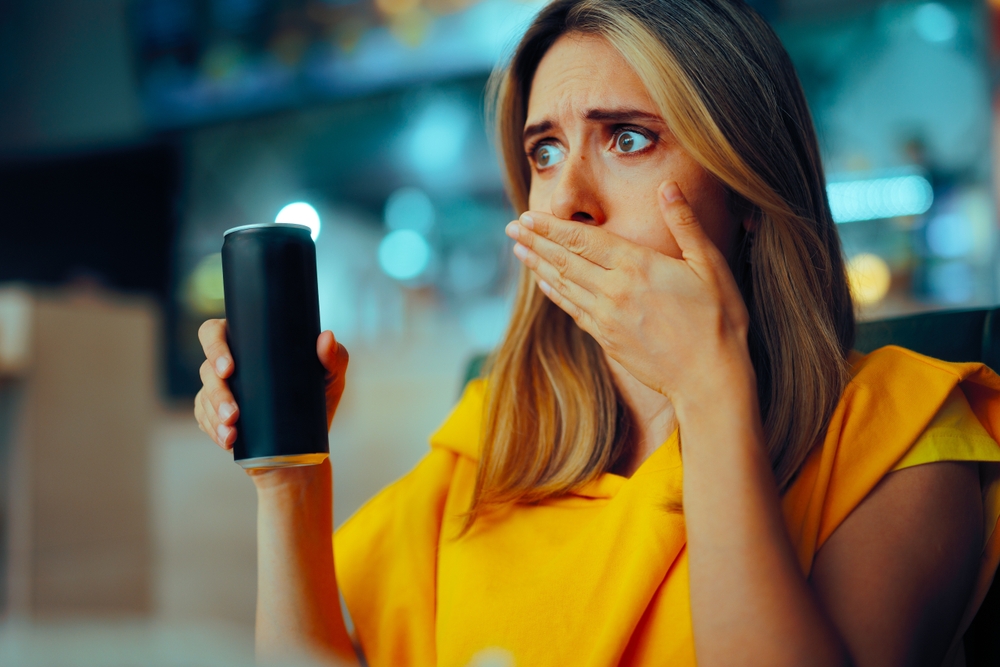
A hiccup occurs when your diaphragm suddenly contracts, causing your vocal cords to snap shut. That produces the familiar “hic” sound and momentarily interrupts your breathing.
Why Do Hiccups Start?

Hiccups can be triggered by anything that irritates the esophagus or stomach lining, such as fizzy drinks, spicy foods, alcohol, or eating too quickly. Even emotional stress can play a role.
Can a Sudden Scare Cure Hiccups?

Many people swear by giving the hiccup sufferer a quick scare. The shock may reset the nerves causing the spasms – though this method’s success rate is very personal.
Why Does Holding Your Breath Sometimes Work?

Holding your breath raises carbon dioxide levels in your blood, which might help the body shift its focus and reset breathing patterns, stopping the hiccups.
Does Ice-Cold Water Help With Hiccups?

Gargling or sipping very cold water can stimulate the nerves in your throat and calm down the spasms that trigger hiccups. It’s one of the simplest home remedies to try.
How Can Swallowing Food Stop Hiccups?

Eating a spoonful of food can interrupt the faulty nerve signals causing hiccups. Dry foods like bread or a small banana bite often work best.
Can Reverse Psychology Trick Your Body?

Trying to deliberately make yourself hiccup might confuse your brain into stopping the involuntary spasms. It sounds odd, but for some, it works.
How Long Do Normal Hiccups Last?
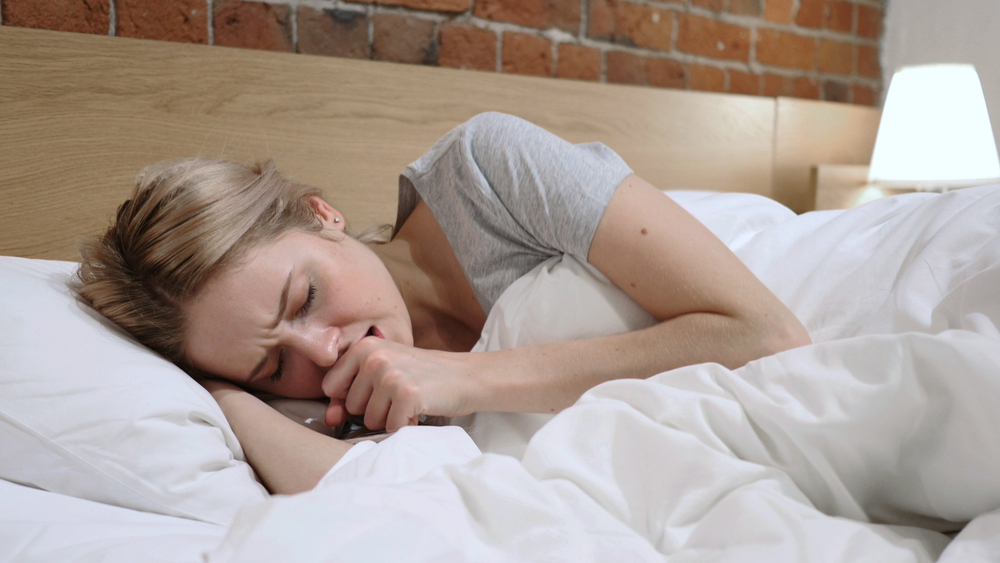
Most hiccups disappear on their own within minutes. Persistent hiccups lasting hours or days are rare and usually tied to underlying health conditions.
When Should You See a Doctor for Hiccups?

If hiccups last more than 48 hours, it could indicate a medical problem involving the brain, nerves, or digestive system. Long-term hiccups always warrant medical attention.
Why Some People Get Hiccups More Often Than Others

Natural differences in nerve sensitivity explain why some people are hiccup-prone, while others barely experience them after childhood.
The article is based on information from I FORM
This article is made and published by Mie Hermansen, who may have used AI in the preparation.