
Cancer and its treatment often come with a range of side effects that go far beyond physical symptoms. Fortunately, researchers have identified simple lifestyle habits that can significantly improve quality of life—and even extend it.
Exercise Can Add Years to Your Life

Regular physical activity doesn’t just fight fatigue—it may also help the immune system control cancer.
Studies show that patients who stay active live, on average, up to five years longer. Just 30 minutes of brisk walking five times a week can make a meaningful difference.
Mindfulness Reduces Depression

Many cancer patients experience depression, which can worsen both quality of life and survival rates.
Practicing mindfulness—focusing awareness on the present moment—has been shown to reduce symptoms of anxiety and may lower inflammation in the body, improving outcomes.
Eat to Break the Downward Spiral

Loss of appetite can lead to malnutrition, weight loss, and worsened treatment side effects. A balanced, calorie-rich diet supports the body’s ability to cope.
Trying new foods, eating small meals throughout the day, and focusing on nutrient-dense snacks can help reverse the trend.
Stay Hydrated to Reduce Discomfort

Chemotherapy and other treatments often lead to dehydration, causing dizziness, nausea, and headaches.
Staying well-hydrated—especially with cold water or ice—can also ease taste disturbances and nausea, two common issues among cancer patients.
Good Sleep Starts With Routine

Insomnia is common during cancer treatment. Sticking to a consistent bedtime, reducing caffeine, and incorporating daily activity can improve sleep quality.
Behavioral strategies like cognitive therapy can also help manage nighttime worry and negative thought patterns.
Prioritize Mental Health Early

Mental well-being is closely tied to physical health. Early support from psychologists or support groups can help patients navigate emotional challenges and build resilience throughout treatment and recovery.
Avoid Processed Foods When Possible
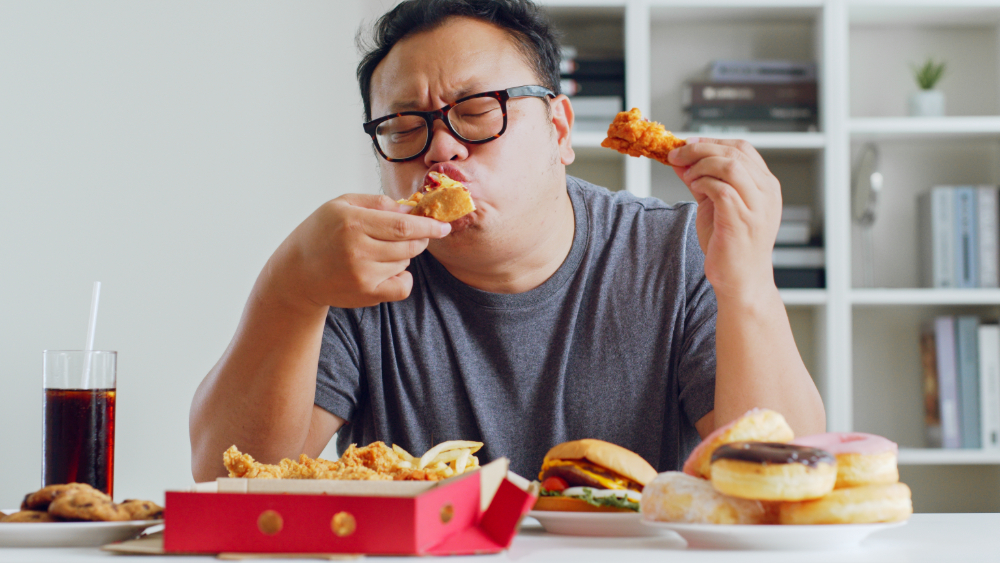
Highly processed foods can worsen inflammation and fatigue. Experts recommend eating whole foods—like vegetables, legumes, and lean proteins—to support energy levels and reduce the burden on the body during treatment.
Gentle Movement Still Counts

If traditional exercise feels overwhelming, low-intensity movement like stretching or yoga can still be beneficial.
The goal is to keep the body active without overexertion, maintaining muscle mass and mood.
Light Exposure Helps Regulate Sleep

Getting natural daylight during the day helps regulate your body’s sleep-wake cycle. For patients struggling with disrupted rest, time outside or near a window can promote better nighttime sleep and improve mood.
Ask for a Nutrition Consultation

Many patients don’t realize they can ask for a personalized nutrition plan. Dietitians can help identify deficiencies, plan meals that support treatment, and prevent unnecessary weight loss.
This article is based on information from Illustreret Videnskab
This article is made and published by Mie Hermansen, who may have used AI in the preparation.