
Your body needs fuel and recovery to perform at its best. Here are the top 10 things you can do to support your body between workouts.
Eat carbs a few hours before exercising
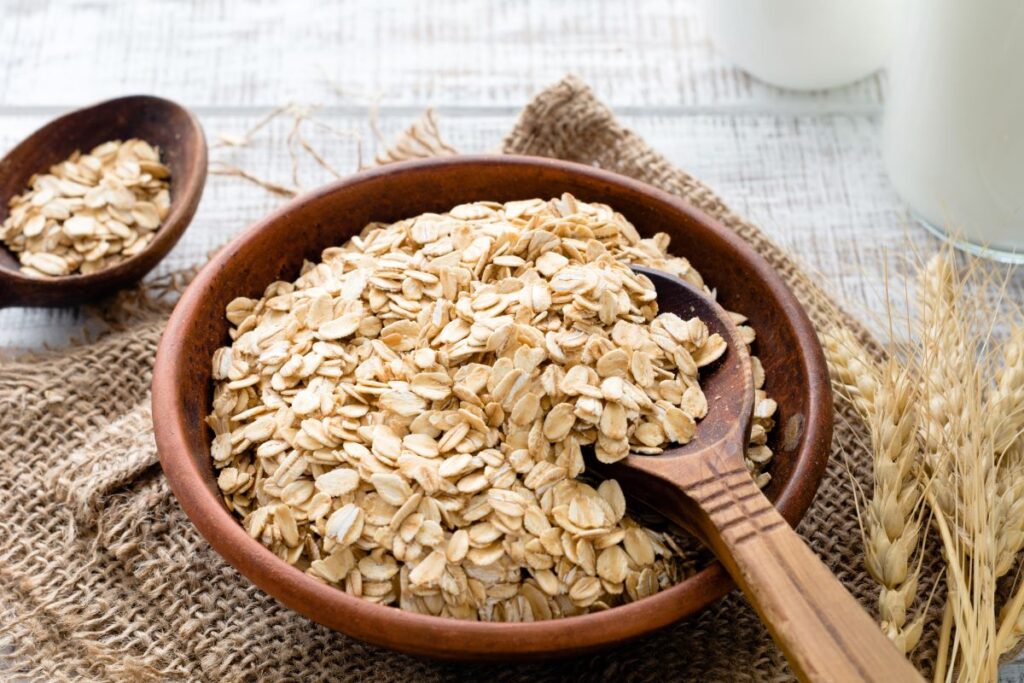
Training on an empty stomach isn’t dangerous, but it can feel uncomfortable. On the other hand, eating too much right before a workout can affect performance.
A light meal with carbohydrates two hours before training – such as oatmeal with nuts and berries – can help keep your energy levels steady.
Practice breathing exercises

Oxygen is your body’s most essential fuel. Spending just a few minutes a day on breathing exercises can significantly impact your performance and overall well-being.
Proper breathing can increase energy, improve sleep, and lower blood pressure.
Try breathing deeper into your belly, extending your exhalations, and inhaling through your nose for better results.
Get enough sleep

Sleep is crucial for muscle recovery and overall health. It helps rebuild cells, lowers blood pressure, and regulates stress hormones.
Studies on top athletes have shown that just 1.5 extra hours of sleep can enhance performance.
Sticking to a consistent sleep schedule is key – catching up on lost sleep during the weekend won’t make up for poor habits during the week.
Eat enough protein

While the idea of an “anabolic window” for muscle growth right after a workout has been debunked, protein remains essential for muscle repair and growth.
Make sure to consume adequate protein throughout the day, especially on training days.
Instead of high-calorie protein bars and shakes, opt for natural sources like Greek yogurt with berries, whole-grain bread with lean meat, or crispbread with cheese.
Stay hydrated before and after workouts

Dehydration can negatively impact performance and cause discomfort during exercise.
While hydration needs vary from person to person, drinking a large glass of water about 30 minutes before training is generally a good rule.
Replenishing fluids post-workout is just as important to aid recovery.
Take mental breaks from training

Resting your body is crucial, but so is giving your mind a break from thinking about workouts all day.
Try to disconnect from training when you’re not exercising – spend time with friends, family, or engage in other activities that help you relax.
A balanced approach to fitness prevents burnout and makes workouts more enjoyable.
Avoid overtraining

More exercise isn’t always better. Overtraining can lead to fatigue, increased injury risk, and even reduced performance.
Listen to your body and allow proper recovery time between intense workout sessions.
Incorporating rest days and lighter activities, such as yoga or walking, can help maintain balance.
Stretch and mobilize

While stretching isn’t a magic solution for soreness, it can help maintain flexibility and prevent stiffness.
Incorporating mobility exercises into your routine – especially after sitting for long periods – can improve posture and movement efficiency during workouts.
Eat nutrient-rich snacks
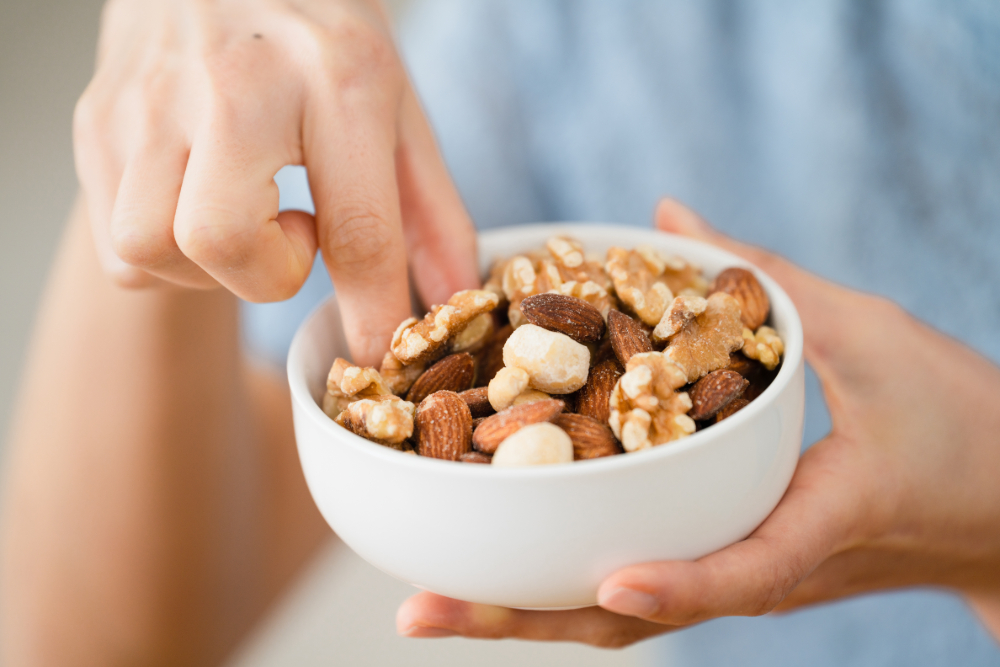
Snacking smartly between meals can keep energy levels stable and support muscle recovery.
Instead of reaching for processed snacks, choose options that provide both protein and healthy fats, such as nuts, seeds, or cottage cheese with fruit.
Listen to your body

Your body gives you signals when it needs rest, fuel, or hydration. Ignoring signs of fatigue, excessive soreness, or lack of motivation can lead to burnout.
By paying attention to how you feel and adjusting your habits accordingly, you’ll be able to maintain long-term fitness progress without unnecessary strain.
This article is based on information from iForm.dk.
This article is made and published by Ida-Marie Palm Varbæk, who may have used AI in the preparation.