
The constant flow of news can be difficult for the brain to process because it was not designed to deal with global crises around the clock.
According to Real Simple, experts say the solution is not to ignore the news but to engage with it more intentionally.
The brain is built for local threats

The human brain evolved to detect dangers in its immediate surroundings.
As a result, we naturally assign greater importance to negative events than to positive ones.
Also read: Drinking soda as a child could raise your blood pressure risk by over 50% in adulthood
Modern news feeds overload the brain
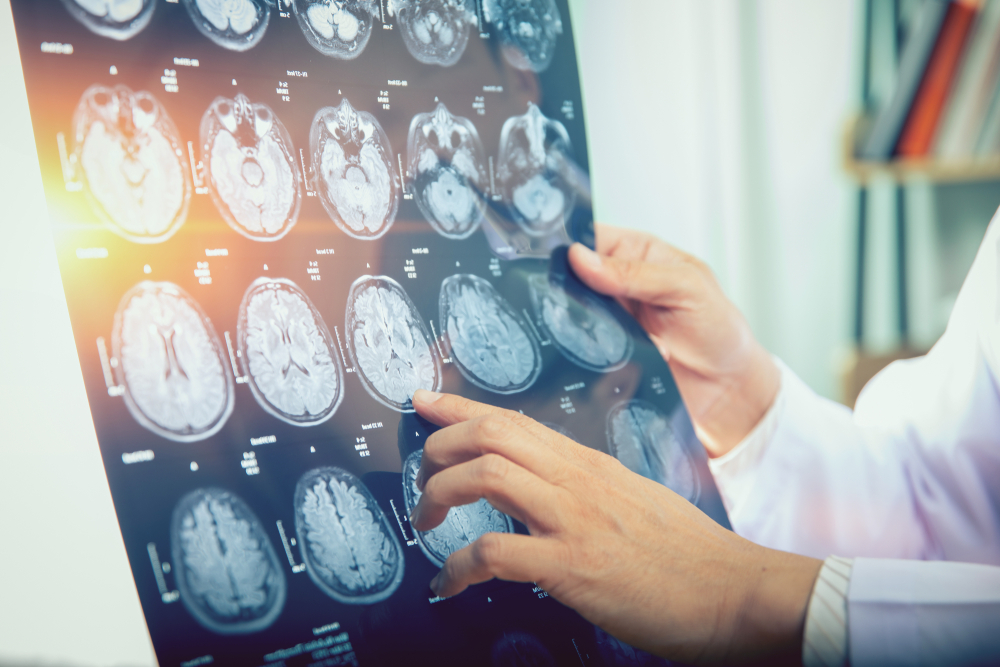
While threats were once primarily local, we are now exposed daily to wars, natural disasters, and economic crises from around the world.
This places a heavy burden on a nervous system that was never designed to process such a vast amount of information.
Many people avoid the news

According to the Reuters Institute's Digital News Report 2025, many people deliberately avoid the news at times because they feel overwhelmed and powerless.
The brain does not always distinguish between nearby and distant crises

Experts told Real Simple that our brains struggle to distinguish between events that directly affect our own lives and those taking place far away.
Also read: New AHA data on America's heart: Decades of progress have started to slip
Completely tuning out is not necessarily the answer

Even if you stop following the news, the world's problems do not disappear.
Simply knowing that these crises continue can still affect your well-being.
Empathy makes the news more emotionally intense

People naturally empathize with the experiences of others.
This is especially true when news stories involve situations that resemble their own lives.
Also read: Japanese Walking Method Linked to Greater Health Benefits Than 10,000 Steps
Concern comes from caring

According to therapists, the urge to follow the news often reflects concern for loved ones, local communities, and the desire for a safer world.
Setting clear boundaries can reduce the burden

Experts recommend deciding in advance when and for how long you will consume the news so it does not dominate your entire day.
Protect the beginning and end of your day

One recommendation is to avoid the news during the first and last 20 minutes of the day to create clearer mental boundaries.
Choose reliable sources

It is better to rely on trustworthy news outlets than to be guided by emotionally charged posts or a flood of conflicting stories.
Also read: Are eggs bad for your heart? Here's what the updated evidence actually shows
Seek depth instead of more headlines

Reading one well-researched article can provide a better understanding than scrolling through countless short and emotionally driven posts that can easily create anxiety.
Small actions can reduce feelings of helplessness

If a news story affects you, even a small action, such as signing a petition, making a donation, or attending an event, can provide a sense of making a positive difference.
Be aware of content designed to provoke
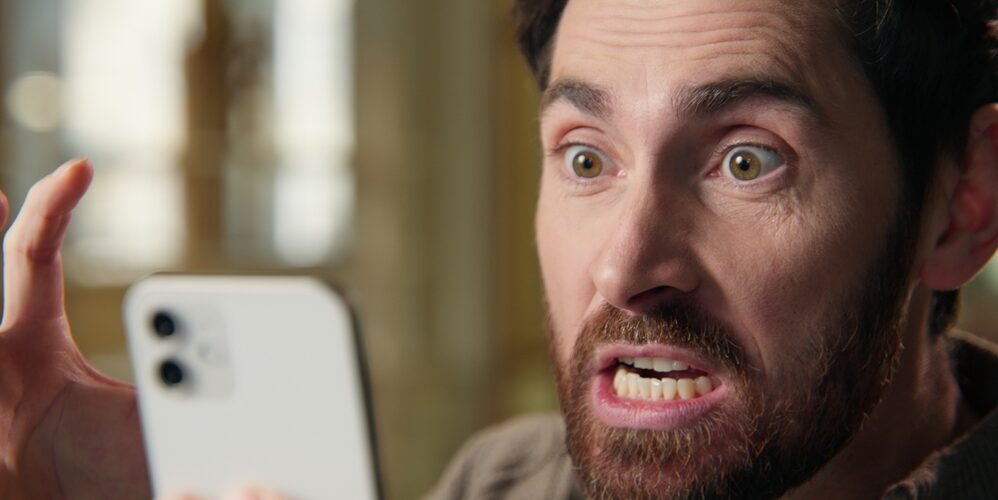
Some posts are created to generate anger and attract clicks rather than to inform.
Sensational language, a lack of context, and highly polarizing angles can all be warning signs.
Also read: These cuts contain more protein than ground beef
Check in with yourself before opening social media
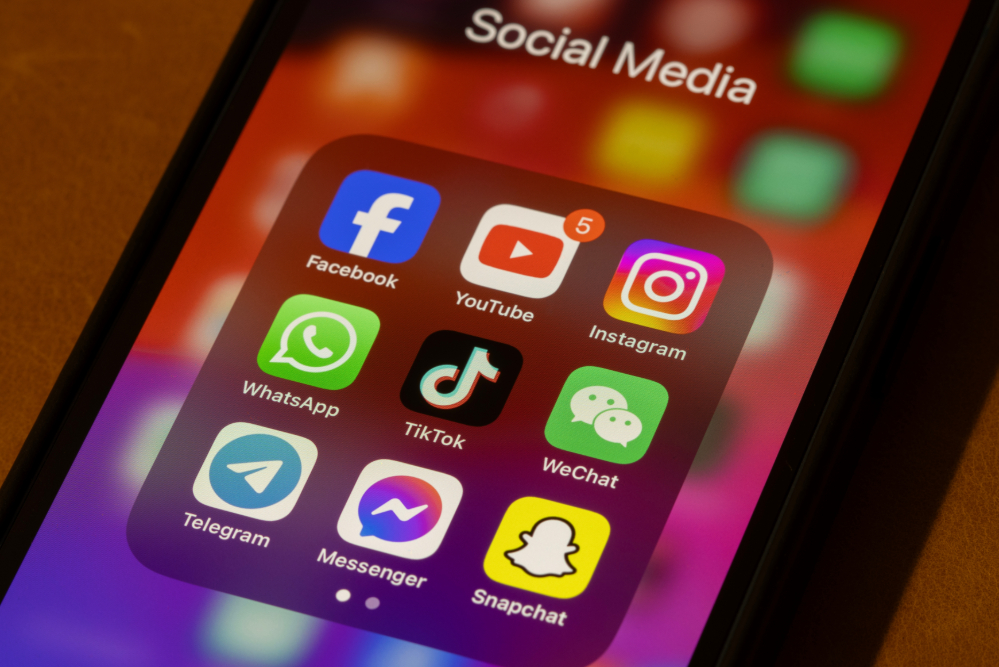
Therapists recommend taking a brief pause to assess how you are feeling before reading the news.
Doing so can make it easier to approach information calmly rather than reacting with an immediate emotional response.
News does not affect everyone in the same way

For some people, global events are closely connected to their own safety or that of their families.
For that reason, simply switching off the news is not always a realistic option.
This article is made and published by Ida-Marie Palm Varbæk, who may have used AI in the preparation.