
Plaque buildup in the arteries supplying your brain can silently progress over time — until it leads to a stroke or a transient ischemic attack (TIA).
Fortunately, there are many steps you can take to protect your blood vessels and keep your brain healthy.
Manage Chronic Conditions

Controlling high blood pressure, type 2 diabetes, and high cholesterol is key. These conditions significantly increase the risk of artery blockages and must be carefully managed.
Get Regular Health Checkups

Annual visits to your primary care provider can catch hidden illnesses like hypertension or diabetes early — before they silently damage your arteries.
Reach and Maintain a Healthy Weight
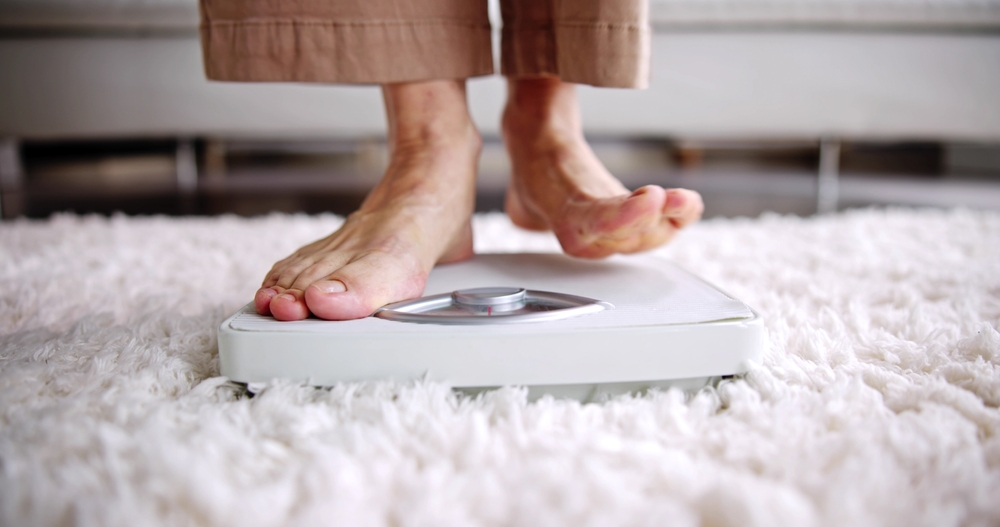
Carrying excess weight strains your heart and circulatory system. Losing weight helps reduce plaque buildup and eases pressure on your arteries.
Stop Smoking

Smoking directly damages blood vessels and accelerates plaque formation. Quitting now can immediately start reversing some of the damage.
Avoid Alcohol and Drug Use

Excessive alcohol and recreational drugs raise blood pressure and cause inflammation. Eliminating them is a smart move for long-term brain and heart health.
Eat a Heart-Friendly Diet

Fill your plate with vegetables, fruits, whole grains, legumes, and fish. These foods provide fiber, antioxidants, and healthy fats that support blood vessel function.
Limit Harmful Fats

Reduce saturated fats and completely avoid trans fats. These contribute to higher LDL (bad cholesterol), which can stick to artery walls and cause narrowing.
Watch Your Salt Intake

Too much sodium can raise blood pressure, putting extra strain on your arteries. Check food labels and minimize processed foods in your diet.
Exercise Regularly

Physical activity improves circulation, lowers blood pressure, and raises HDL (good cholesterol). Even daily walks can make a difference in keeping arteries clear.
Learn to Spot Early Symptoms

A TIA or “mini-stroke” is a warning sign. Sudden confusion, dizziness, vision problems, or numbness should never be ignored and require immediate medical attention.
This article is based on information from Kompas
This article is made and published by Mie Hermansen, who may have used AI in the preparation.