
Traveling opens up a world of exciting experiences — but new environments also mean new germs and unexpected health risks.
With these simple yet effective tips, you can stay healthy and enjoy your trip without unpleasant interruptions.
Plan ahead

Before you leave, it’s important to know the health risks at your destination.
Dr. Henry Wu emphasizes that vaccines, mosquito precautions and good planning can save you from illness.
Also read: Dermatologists Reveal: This Is How Many Minutes You Can Sunbathe Without Protection
Use tools like the CDC’s Travelers’ Health to find out what bacteria and viruses are common and talk to your doctor.
Pack a health kit
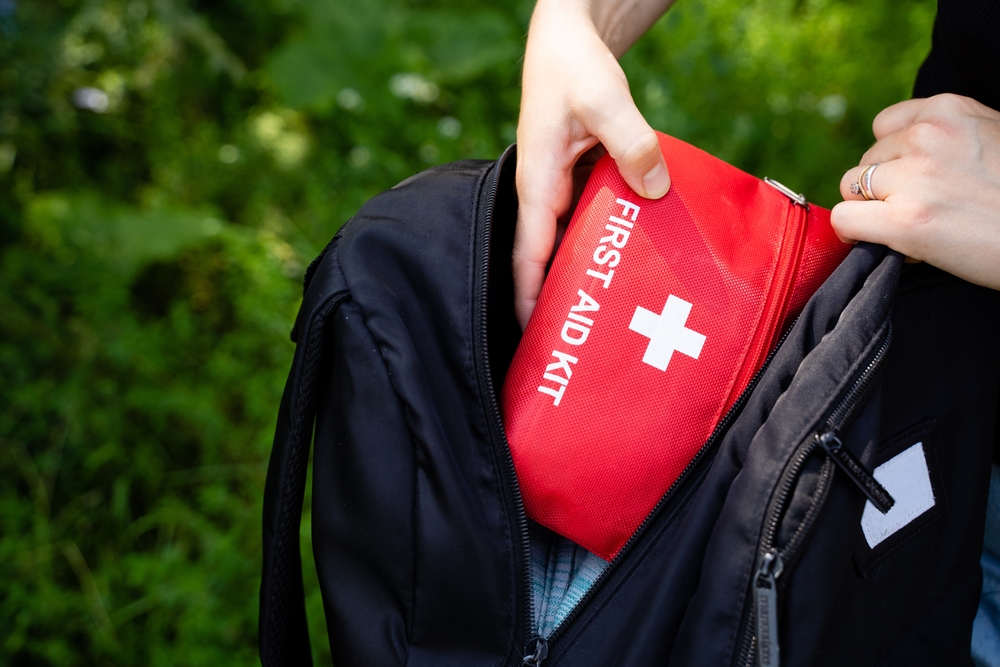
A well-stocked travel medical kit is a must. Bring hand sanitizer, personal medications, pain relievers, anti-diarrhea medicine, insect repellent and sunscreen.
Also remember face masks for crowded places — we learned from COVID-19 that they work.
Keep good hygiene
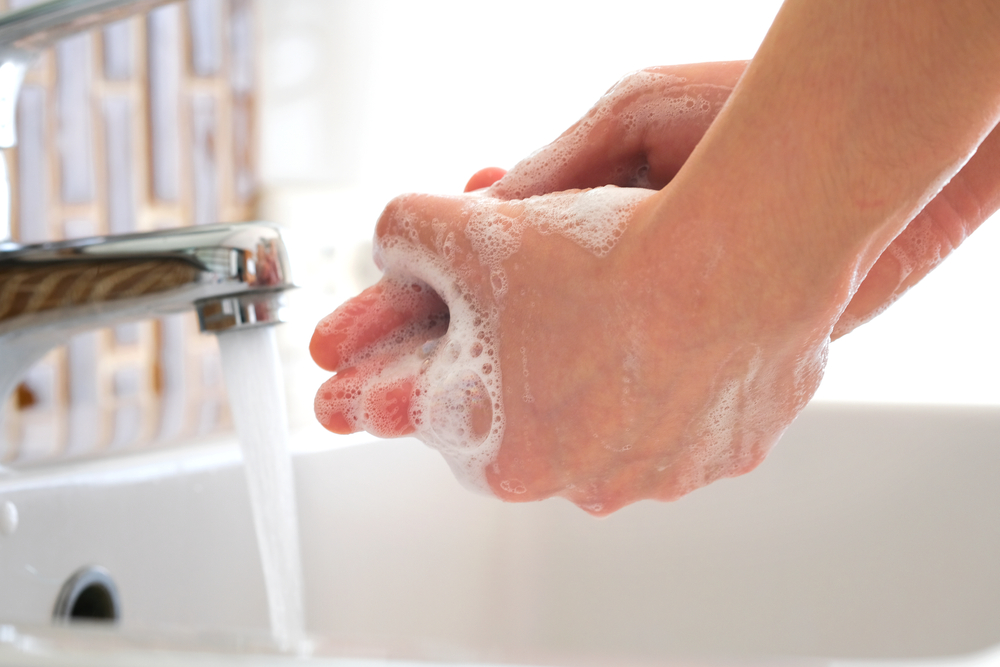
Frequent handwashing is your first line of defense against getting sick.
Also read: Scientists Reveal the Exact Time You Should Spend Peeing
Wash your hands thoroughly with soap and water for at least 20 seconds — especially before eating and after being in public places.
If you can’t find a sink, use hand sanitizer.
Eat carefully

Food is a big part of any trip, but contaminated food or water can ruin your vacation. Drink safe, treated or bottled water.
Be cautious with raw or undercooked foods and choose freshly cooked, hot food instead of buffets where food sits out for hours.
Also read: 7 Everyday Home Remedies That Help Bring Down Your Blood Pressure
Drink safe water
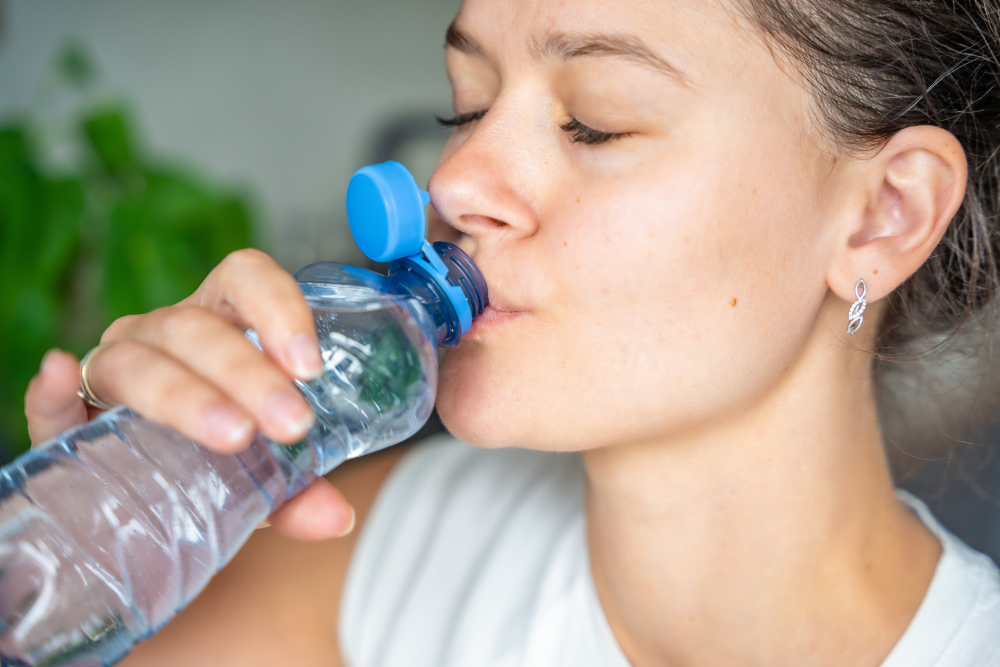
In many countries, tap water is not safe to drink. Buy bottled water and make sure ice cubes are made with clean water too.
Even brushing your teeth should be done with bottled water if you’re unsure of the water quality.
Get enough rest and fight jet lag

Overdoing it and not sleeping enough can weaken your immune system.
Make sure you get enough sleep, adjust to your new time zone as quickly as possible and spend time outdoors — daylight helps your body adapt.
Also read: Lower Your Cholesterol With Foods You Already Love
Know your limits

Don’t be tempted to try risky activities you wouldn’t do at home.
According to Dr. Wu, injuries are more common than infections when traveling, especially from traffic accidents and alcohol.
Use common sense — if something looks dangerous, it probably is.
Know the symptoms

If you do get sick, it’s important to know the warning signs. Watch for fever, bloody diarrhea or severe dehydration.
Also read: These Two Common Foods Could Be Behind Your Nightmares
Seek medical help quickly for serious symptoms. For sunburn, stay out of the sun and use aloe vera and over-the-counter pain relief.
Avoid animal bites

Even in pet-friendly countries, there’s still a risk of rabies. Avoid contact with stray or wild animals, no matter how cute they look.
If you get bitten or scratched, wash the wound thoroughly and get medical help immediately.
Listen to your body

If something feels wrong, act on it. Don’t wait for it to go away on its own — get help.
And remember, travel can also boost your mental health. Dr. Wu says meeting new cultures can give us healthier habits and a fresh perspective on our own lifestyle.
This article is based on information from Emoryhealthcare.org.
This article is made and published by Ida-Marie Palm Varbæk, who may have used AI in the preparation.