
Measles is extremely contagious and can spread rapidly in enclosed spaces like planes, buses, and trains.
Here are some practical expert-backed tips to help you stay safe and protect others when you travel.
Get the vaccine well in advance
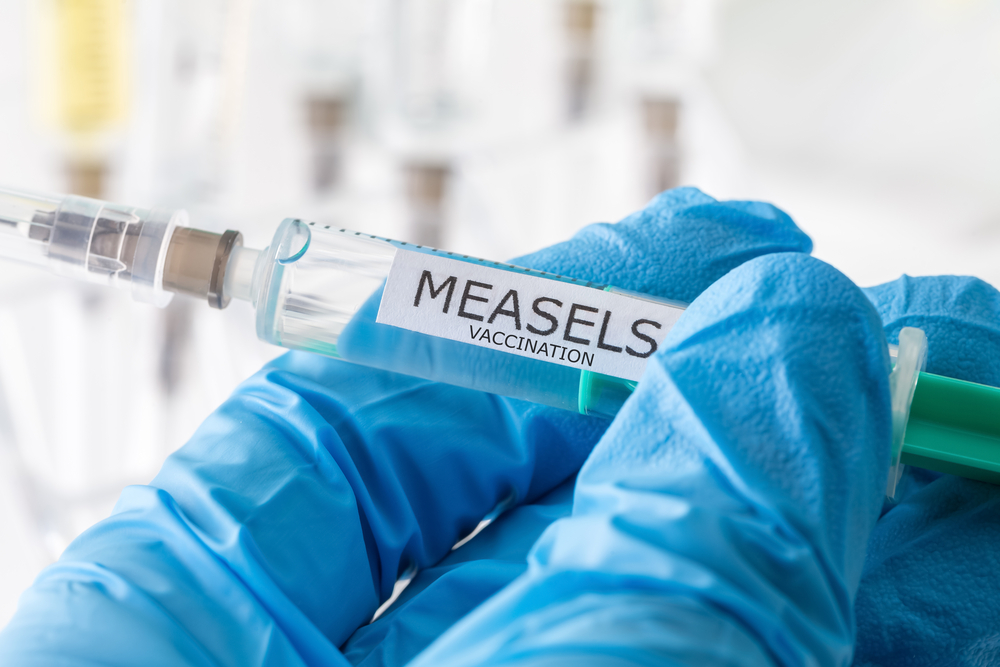
The best protection against measles is MMR-vaccination.
Children, teenagers, and adults without immunity should make sure they’ve had two doses of the MMR vaccine, at least 28 days apart.
Also read: Vital Things Every Woman Must Know About Their Bodies - It Can Save Your Life
Get vaccinated at least two weeks before you travel.
Remember an extra dose for infants
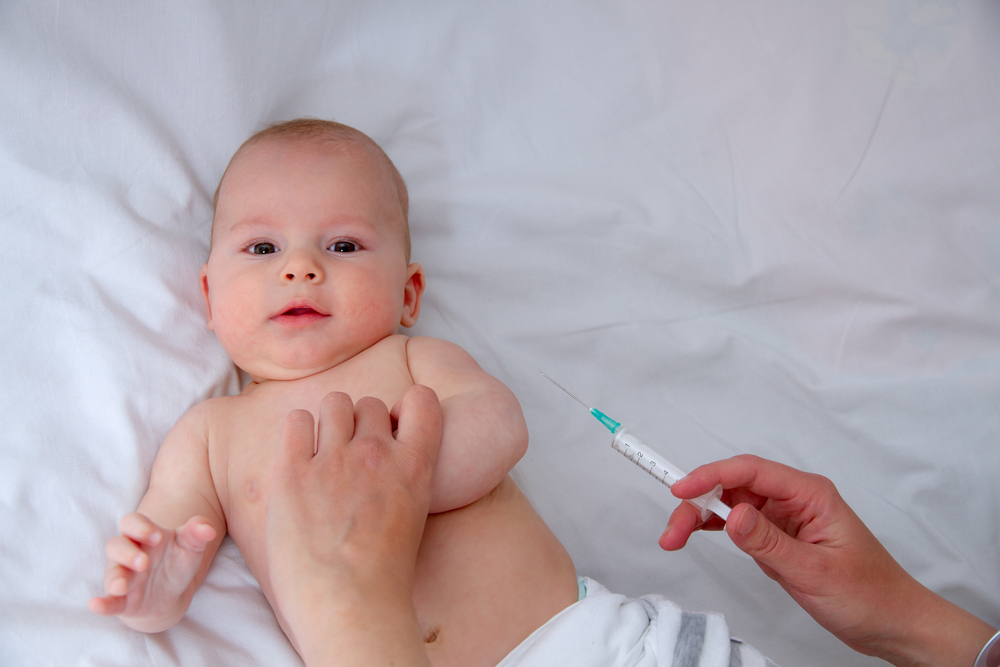
If you’re traveling with an infant aged 6–11 months, they should receive an early dose of the MMR vaccine before traveling, then follow the normal vaccination schedule at home.
This greatly reduces the risk of severe illness.
Check your vaccination status

Not sure if you’re protected? Talk to your doctor and carry proof of vaccination if you’re visiting areas with known outbreaks.
Also read: Keep Your Brain Young - Even While You’re in the Shower
Some destinations may require vaccination documentation for entry.
Wear a face mask in crowded areas
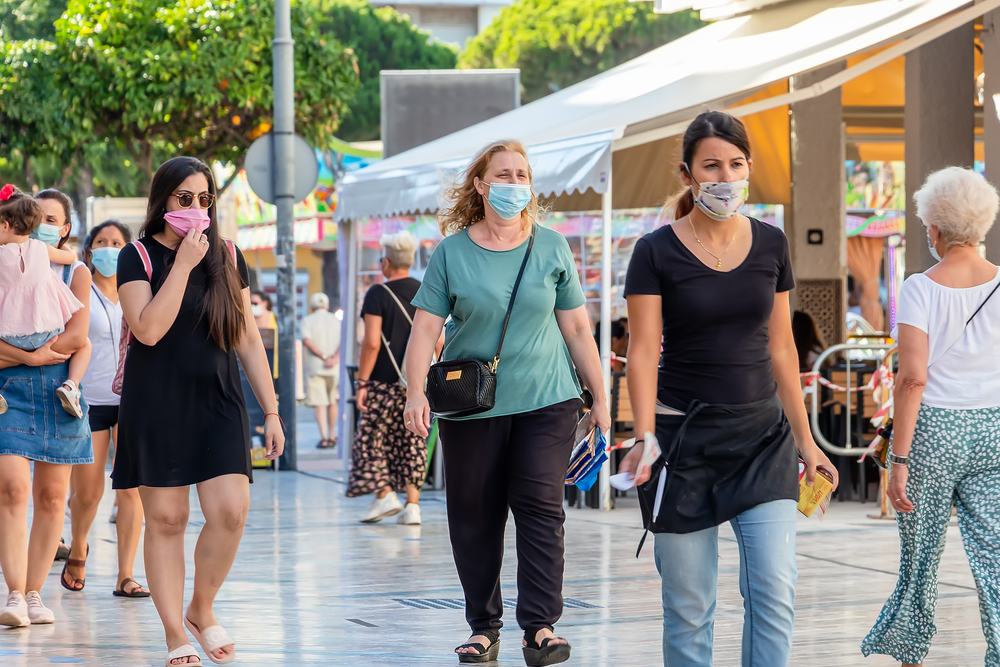
Since measles spreads through the air, a well-fitted N95 or K95 mask can add an extra layer of protection, especially on planes, buses, or in airports.
This is particularly important for vulnerable groups.
Practice good hand hygiene
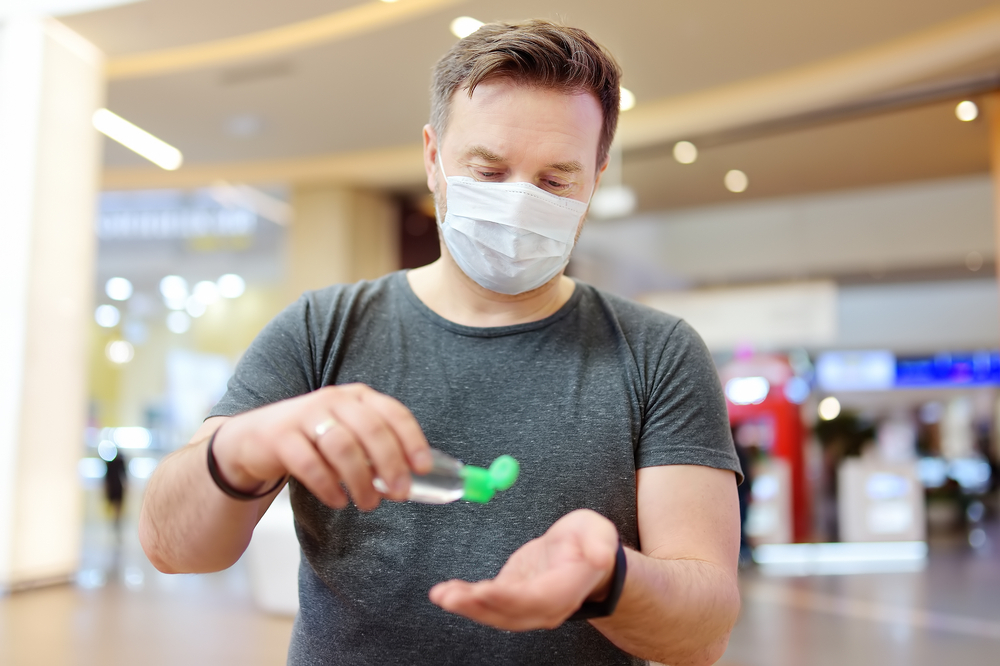
Wash your hands thoroughly and often, especially after touching public surfaces.
Also read: Get Rid of Neck and Shoulder Tension Without Expensive Treatments
Use hand sanitizer and avoid touching your eyes, nose, or mouth with unwashed hands to lower the risk of infection.
Keep your distance when you can
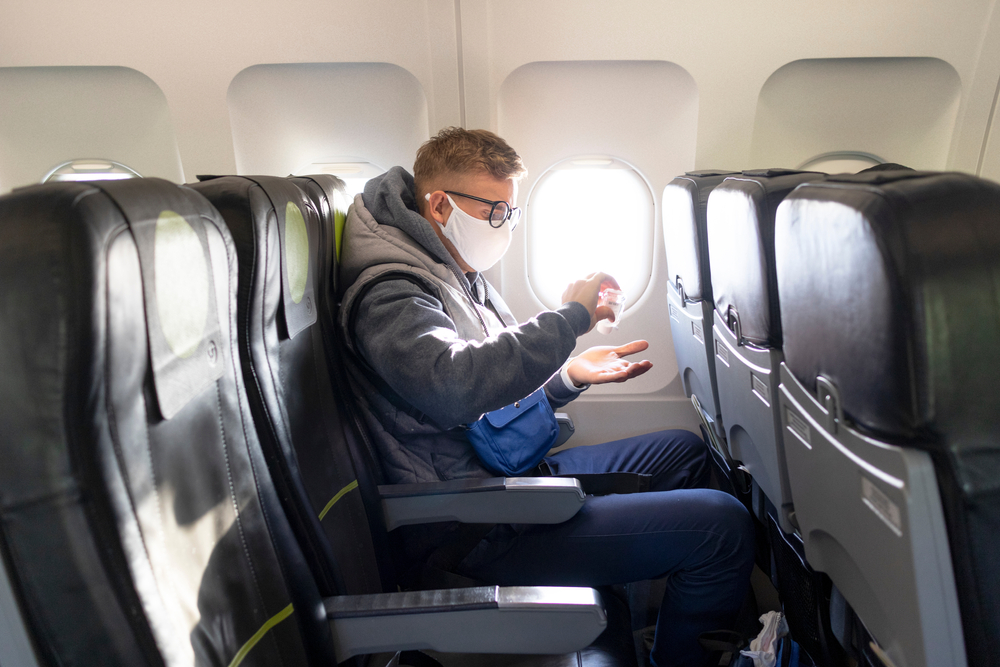
While traveling, try to maintain physical distance from others, especially in areas with known outbreaks.
Choose a window seat on a bus or train, and avoid crowded waiting areas when possible.
Check outbreak information at your destination
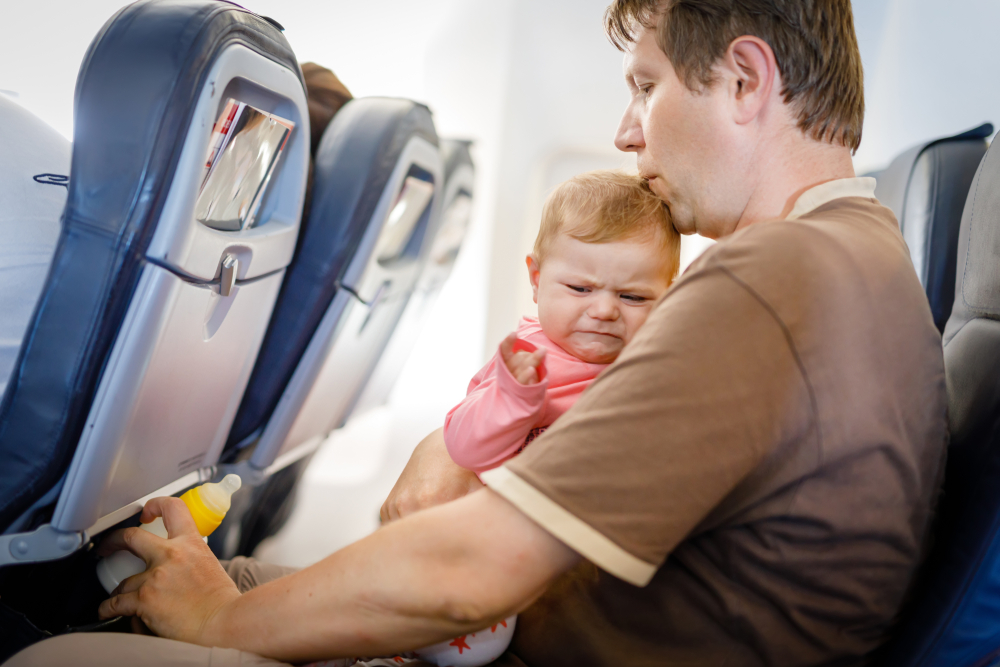
Stay up to date on current measles outbreaks through CDC Travel Health Notices or WHO Disease Outbreak News.
Also read: Psychopaths’ Brains Are Different — and Now We Know How
Consider postponing your trip if your destination has a high risk of transmission.
Know the symptoms of measles
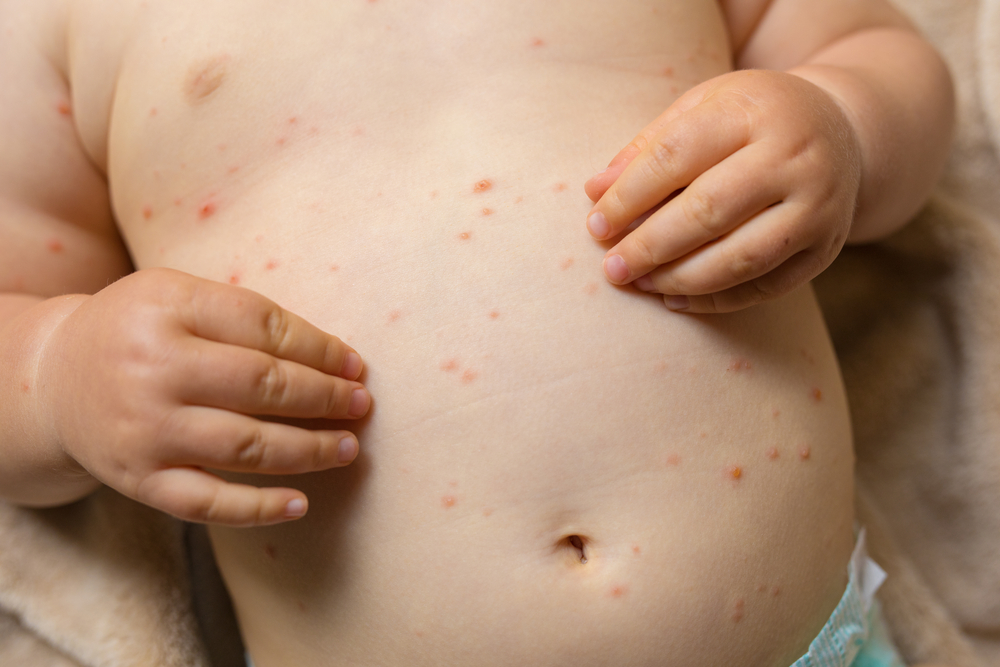
Watch for symptoms like high fever, cough, runny nose, red eyes, and a rash that usually appears three to five days after the first signs.
The sooner you act, the better you can prevent further spread.
Isolate if you suspect exposure
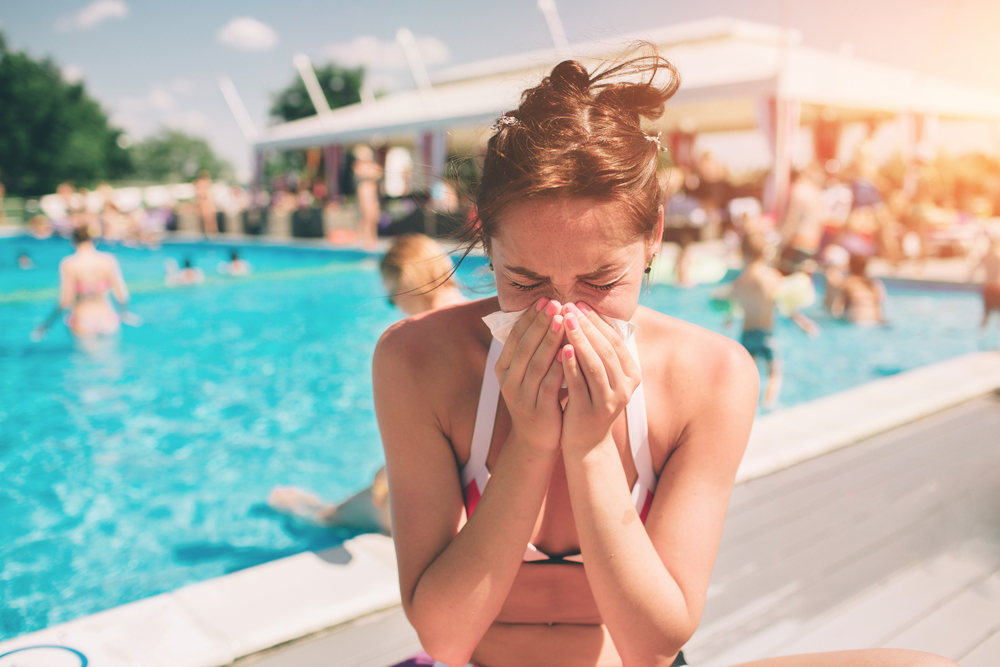
If you’ve been in contact with someone with measles, contact a healthcare provider immediately and isolate yourself.
Also read: Your Ears Might Reveal a Chronic Illness Long Before Symptoms Start
Wear a tight-fitting mask and seek medical care promptly to reduce the risk of complications.
Be prepared for emergency treatment
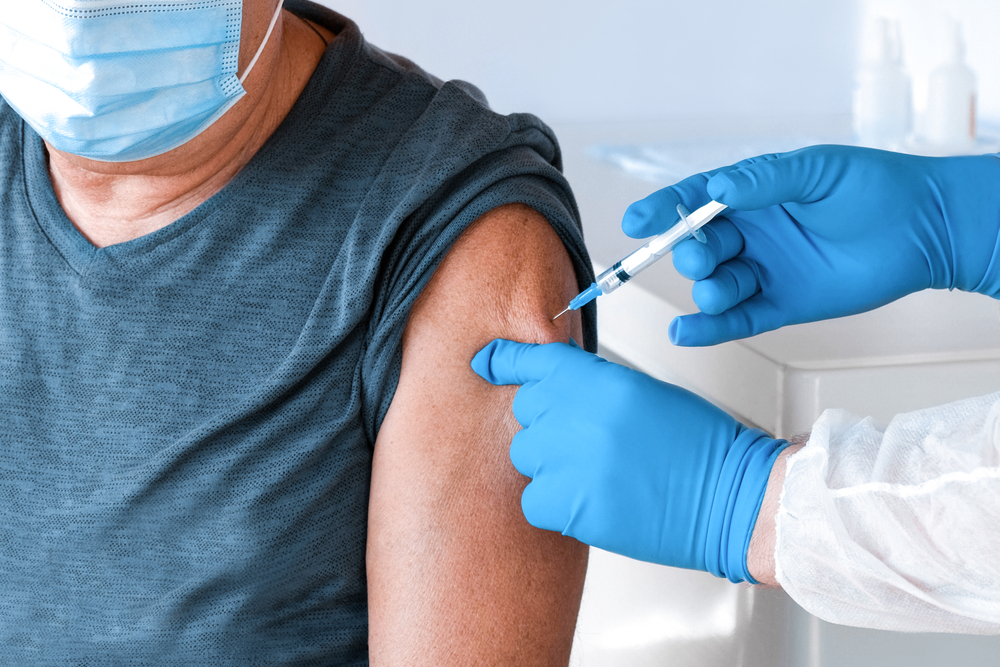
If you’re exposed to measles without being vaccinated, a quick vaccine within 72 hours or an immune globulin treatment can help.
This is especially important for infants, pregnant women, or people with weakened immune systems.
This article is based on information from Medical News Today.
This article is made and published by Ida-Marie Palm Varbæk, who may have used AI in the preparation.