
The sun, sea, and pool may boost your glow, but they can also leave your hair looking dry and lifeless.
Here are expert tips on how to restore damaged hair without reaching for the scissors.
How to recognize damaged hair
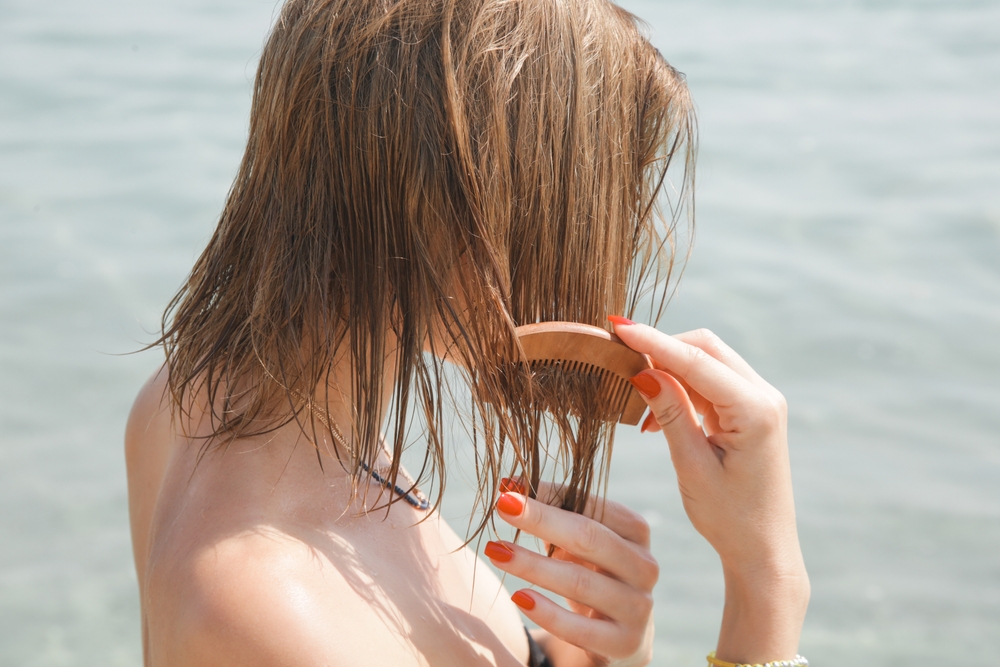
Hair that becomes thinner toward the ends or shows split ends is usually damaged.
While split ends can only be removed by cutting, early and consistent care can prevent further harm.
Also read: Three Supplements That Aren’t Worth Your Money, According to Experts
The main culprits behind hair damage
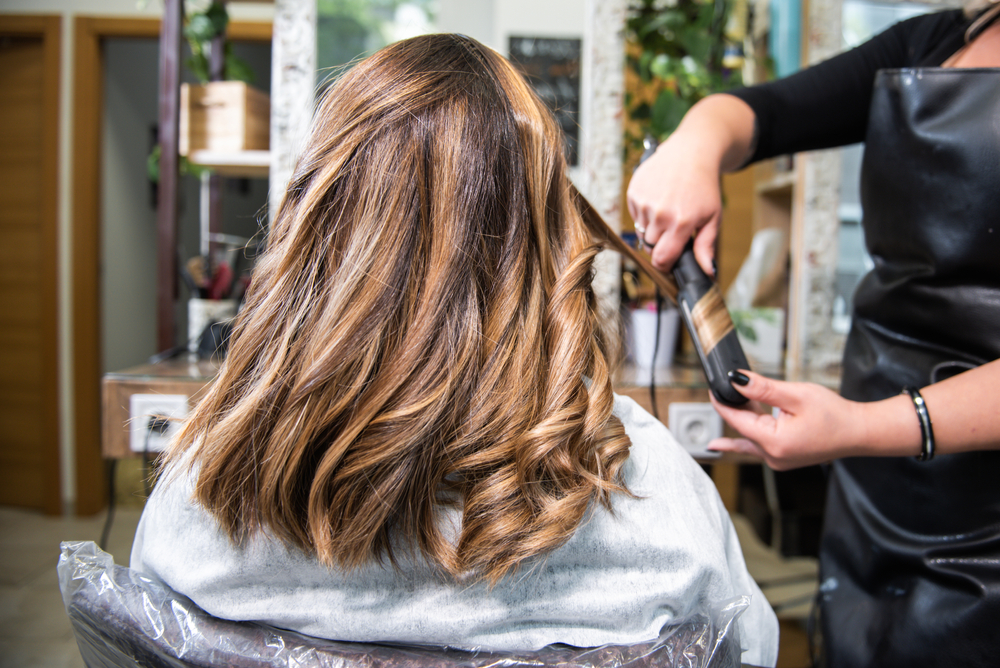
Frequent use of heat tools and chemical treatments are the biggest causes. Poor haircare, friction from clothing, chlorine, and even the sun also contribute to damage.
Shampoo, conditioner, and masks aren’t enough
Basic care products matter, but adding a leave-in conditioner or treatment serum is key. These create a protective barrier, keeping hair resilient throughout the day.
Leave-in is like day cream for your hair
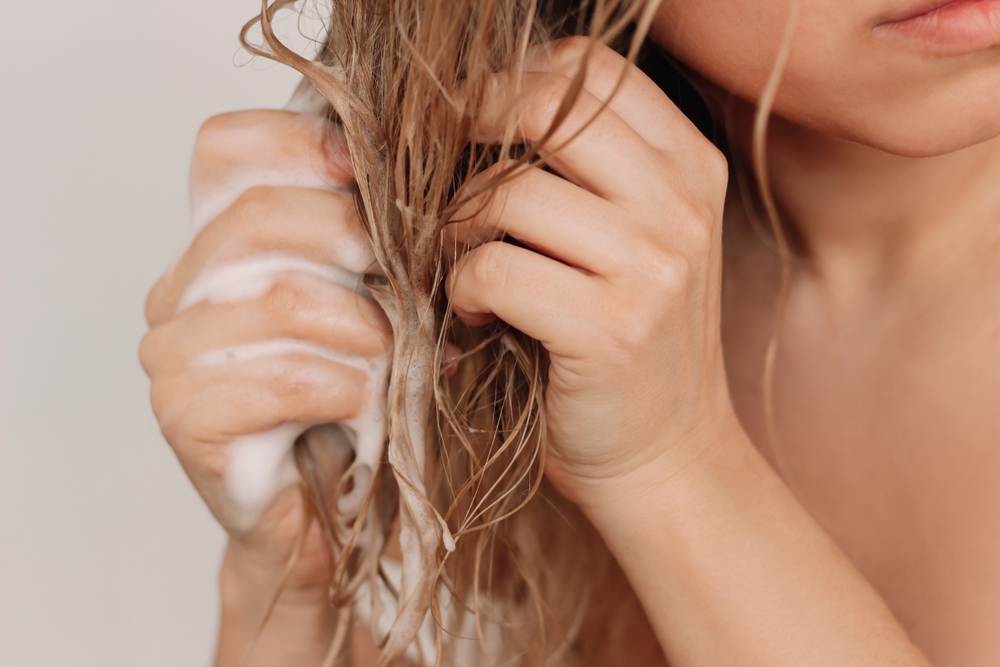
A leave-in product protects hair even when you don’t style it. Many also include built-in heat and UV protection, making them essential for daily use.
Ingredients that truly make a difference
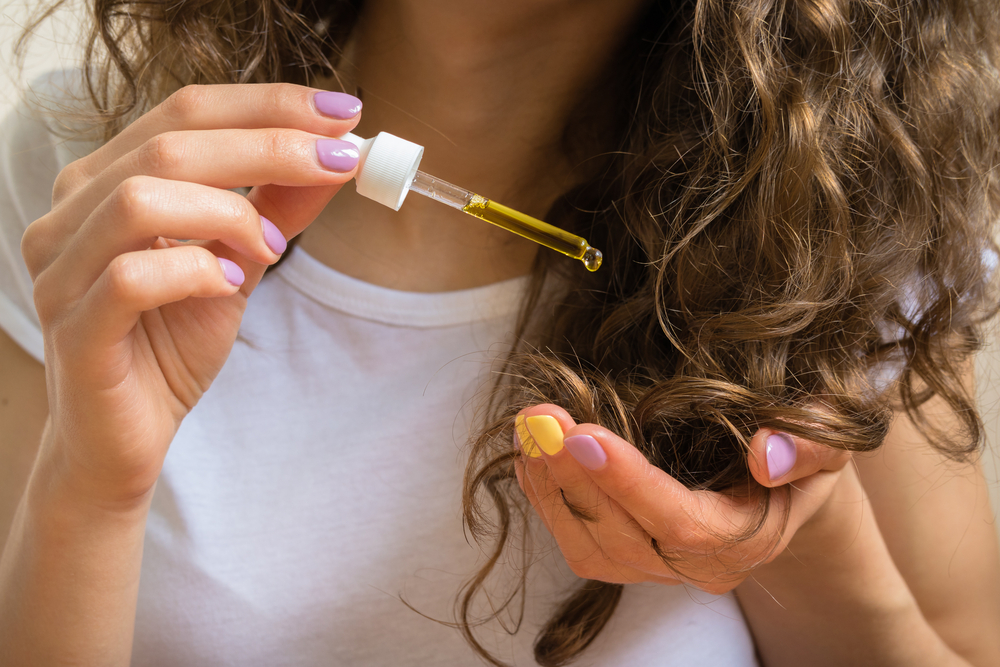
For fragile or breakage-prone hair, bamboo, chia seed, and hyaluronic acid strengthen the strands. For dryness, soy protein helps hydrate and soften.
Also read: See how much magnesium you need – based on your age and gender
Overnight care made easy
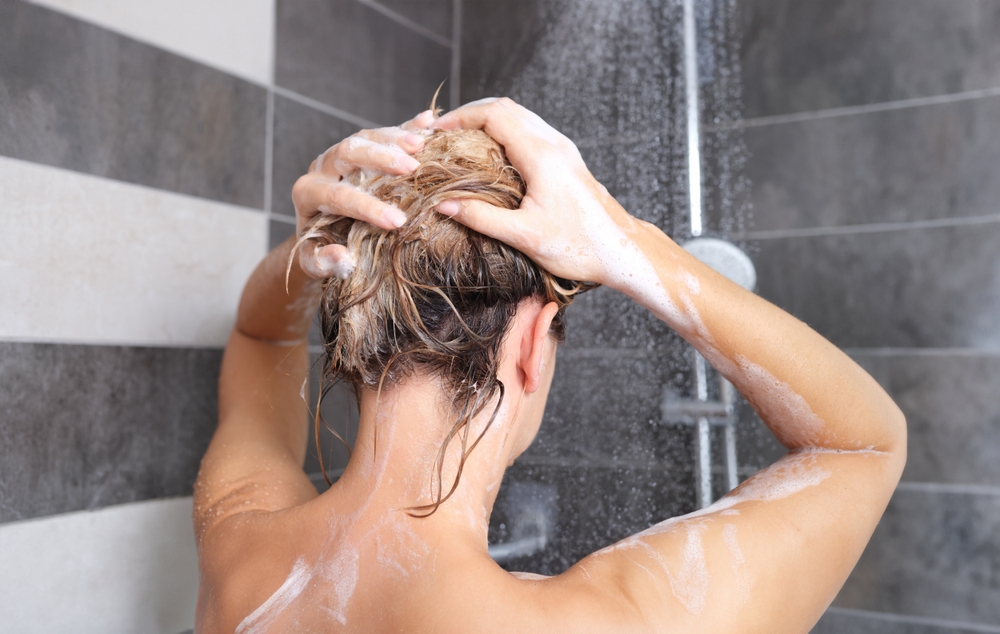
A nourishing night cream works while you sleep, leaving hair soft and revitalized by morning. It absorbs quickly without staining your pillow and requires no rinsing.
Hydration is not the same as repair
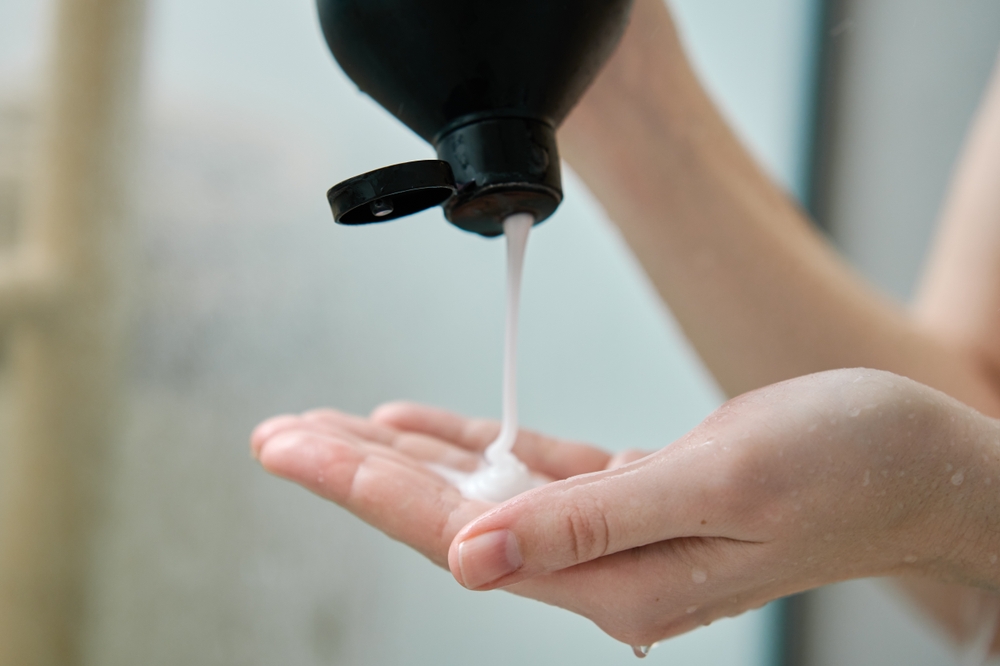
A common mistake is assuming moisturizing products repair damage. They nourish and soften but do not rebuild the hair’s structure.
Styling products can worsen the problem
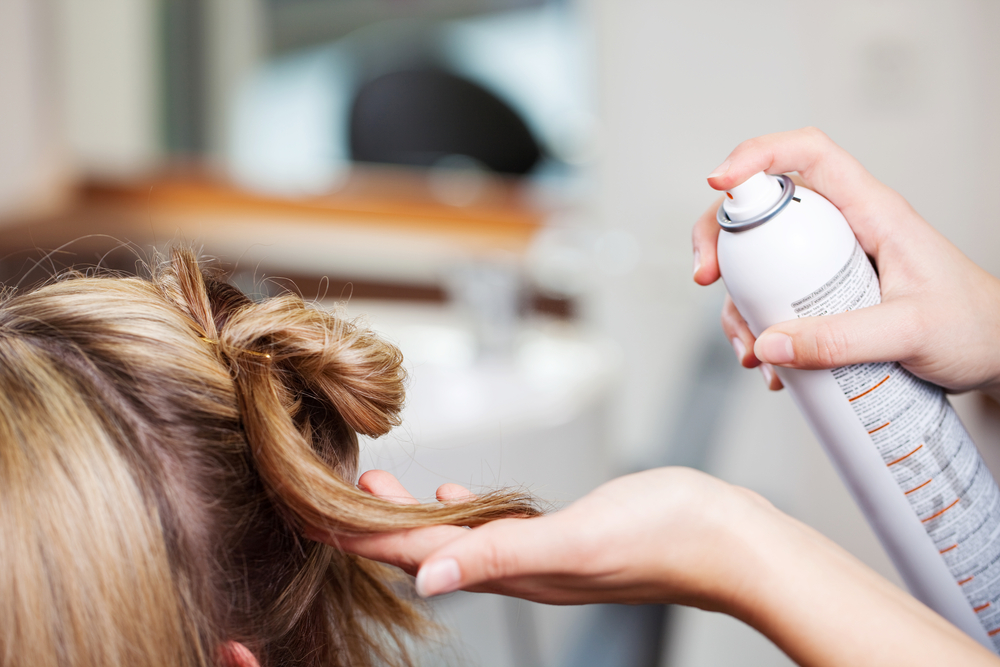
Mousses or sprays high in alcohol dry out hair even more. Choosing products that protect and restore is crucial for damaged strands.
Heat styling with caution
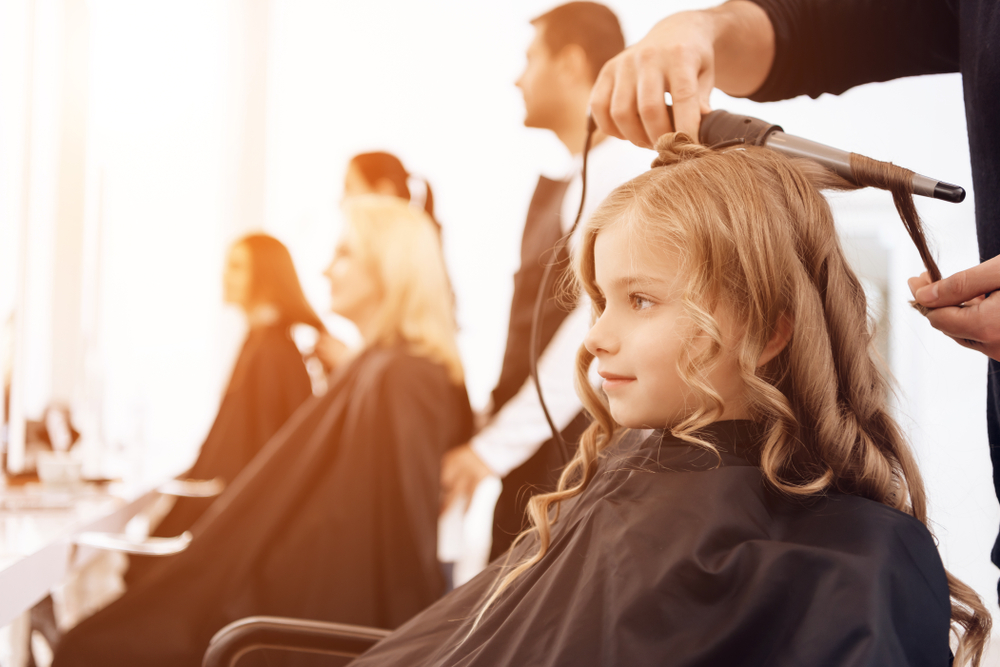
Heat tools don’t have to be completely avoided, but they should be used at lower temperatures and always with heat protection.
Also read: Do You Have Symptoms of Pink Eye? Here’s What to Look For
Heatless styling is a gentle alternative for a natural look.
Prevent daily wear and tear
Long hair is more prone to friction and breakage. Building preventive care into your routine helps reduce further damage after summer.
This article is based on information from Marieclaire.be.
Also read: Surprising sources of magnesium – and they’re probably already in your kitchen
Also read: This is what could happen to your blood pressure when you skip sleep