
Magnesium is essential for energy, nerves, muscles, and hundreds of functions in your body – yet most people don’t know how much they actually need. Here's a clear breakdown of your daily magnesium needs, tailored to your age and gender.
Infants and toddlers need a gentle start

Babies up to 6 months need around 30 mg of magnesium per day, while those aged 7–12 months require about 75 mg. These needs are usually met through breastmilk or formula, plus solid foods after 6 months.
Kids aged 1–8 years: Growing bones, growing needs

As children grow, so does their magnesium requirement. Ages 1–3 need about 80 mg daily, while 4–8 year-olds should aim for 130 mg to support healthy development and bone formation.
Pre-teens need a magnesium boost

Between the ages of 9–13, both boys and girls need around 240 mg of magnesium daily. This is a crucial period for building bone density and preparing for adolescence.
Also read: Do You Have Symptoms of Pink Eye? Here’s What to Look For
Teenage boys vs. girls: The difference begins

From 14–18 years, boys need more: around 410 mg per day. Girls require slightly less, at 360 mg. These years are key for hormonal balance and muscle function.
Adult men need up to 420 mg daily

From age 19 onwards, adult men should aim for 400–420 mg of magnesium each day to support metabolism, cardiovascular health, and muscle control.
Adult women: Lower needs – but still crucial

Adult women (ages 19–30) should get about 310 mg daily, increasing slightly to 320 mg after age 30. Magnesium helps regulate mood, sleep, and hormonal balance.
Pregnant women need more than usual

Pregnancy increases magnesium demand. Women aged 19–30 should aim for 350 mg daily, while those over 30 should get 360 mg to support fetal growth and prevent cramps or complications.
Also read: Surprising sources of magnesium – and they’re probably already in your kitchen
Breastfeeding changes your needs

During lactation, magnesium needs remain elevated: 310 mg daily for women under 30, and 320 mg for those over 30. Breast milk provides magnesium to the baby, so stores need replenishment.
Over 50? Your magnesium needs may increase

While the recommended intake stays at 420 mg for men and 320 mg for women over 50, absorption tends to decline with age. That means getting enough through diet becomes even more important.
Are you hitting your daily target?
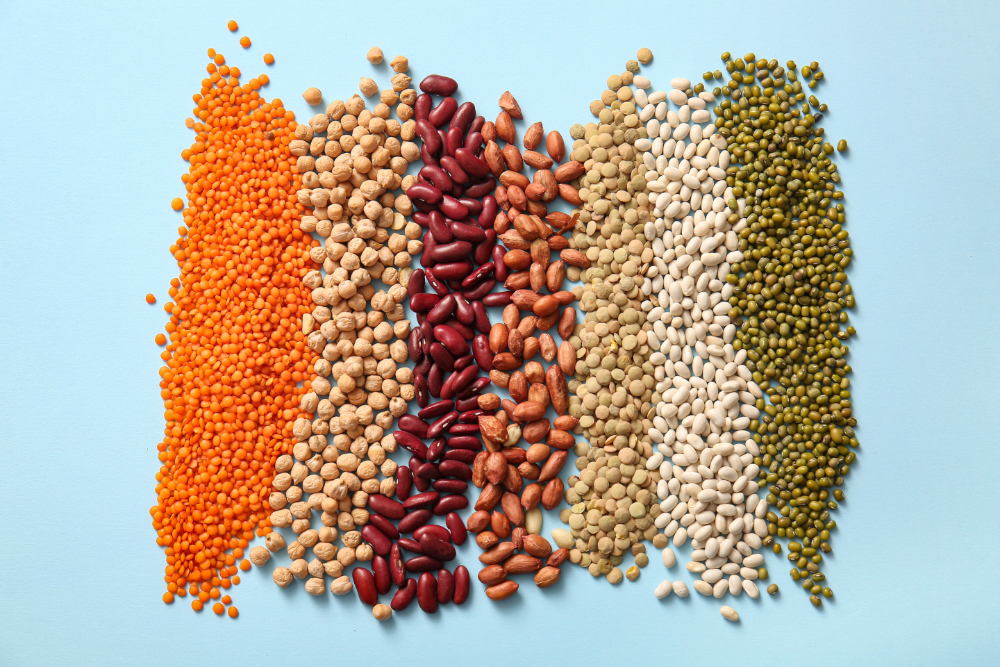
Magnesium-rich foods like nuts, leafy greens, seeds, legumes, and whole grains are key sources – but many adults don’t meet their daily needs. Supplements may be helpful, especially if your diet is limited or your needs are higher.
This article is based on information from the National Institutes of Health – Office of Dietary Supplements.
Also read: This is what could happen to your blood pressure when you skip sleep
Also read: You Sleep with Them Every Night - Here’s How to Kick The Mites Out of Your Bed
This article is made and published by Mie Hermansen, who may have used AI in the preparation.