
Not getting enough sleep is more dangerous than just feeling tired — it can directly impact your heart health. Here's how sleep (or lack of it) affects your blood pressure in ten eye-opening ways.
Disrupted body clock raises blood pressure
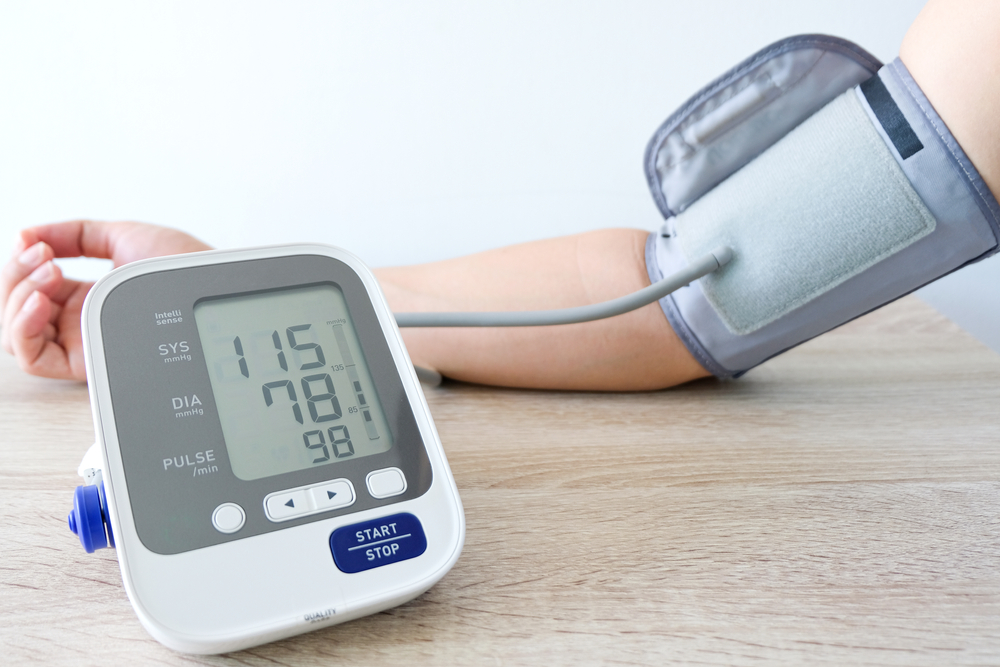
Your circadian rhythm controls your sleep cycle and blood pressure. When it’s thrown off by lack of sleep, melatonin production drops, your blood vessels stay tight, and your blood pressure rises unnaturally.
Less sleep = higher risk

Research shows that sleeping fewer than six hours a night significantly increases your risk of developing hypertension. Your body interprets sleep loss as stress, and your blood pressure reacts accordingly.
Cortisol overload

When you skimp on sleep, your body releases more cortisol — the “stress hormone” that keeps you alert. But with too much cortisol, your blood vessels constrict, and your blood pressure climbs.
Also read: You Sleep with Them Every Night - Here’s How to Kick The Mites Out of Your Bed
Sleep apnea strikes at the heart
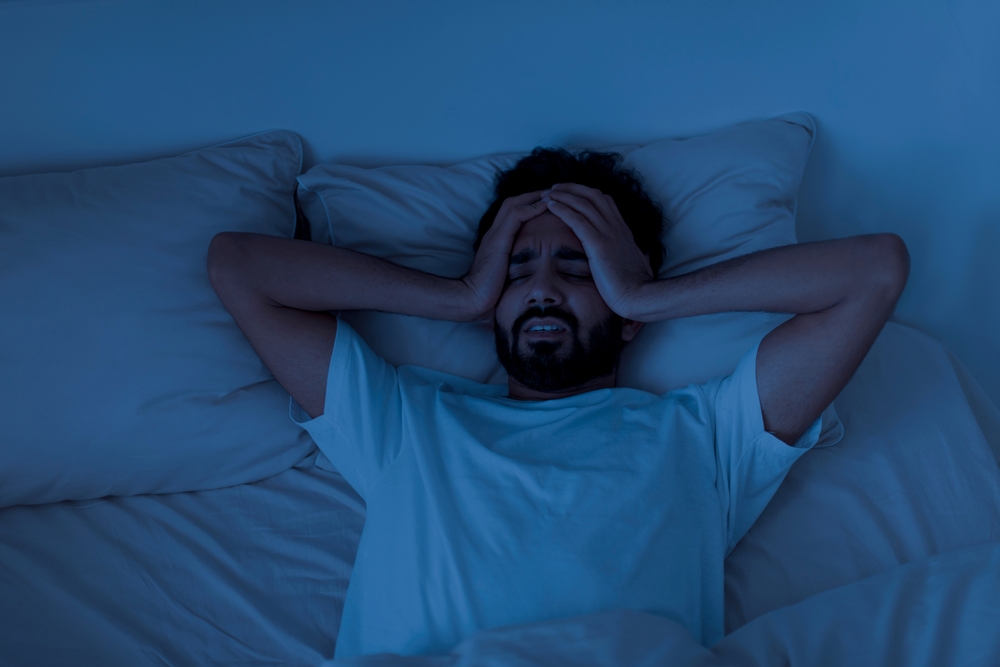
Sleep apnea disrupts breathing during sleep, triggering emergency responses in your body. These responses increase stress hormones like norepinephrine, which spike your blood pressure even while you sleep.
Insomnia disrupts nighttime repair
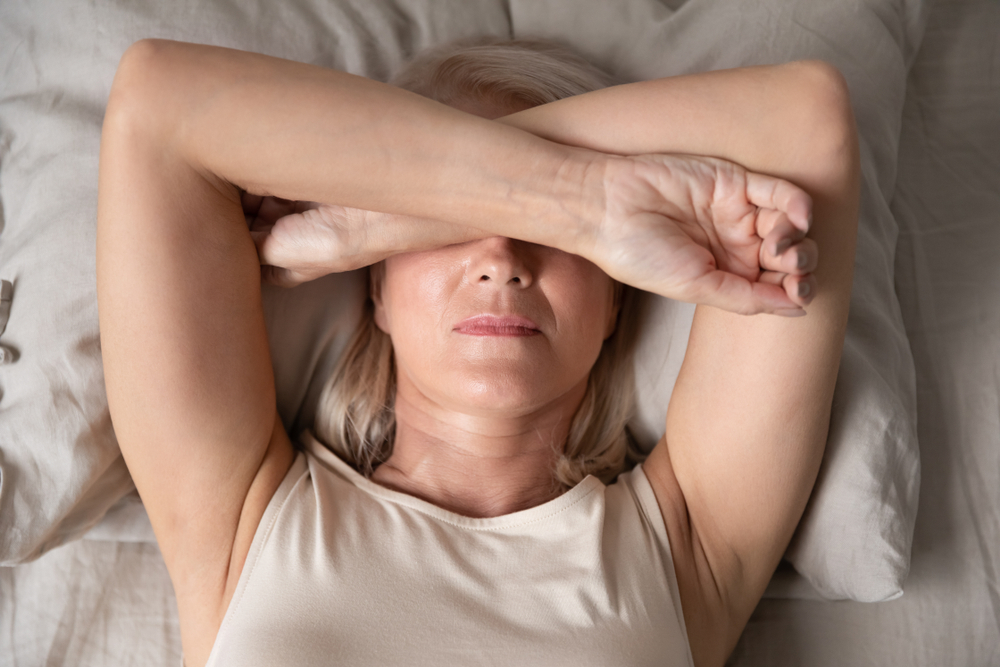
Your blood pressure naturally dips during deep sleep, giving your heart a break. But insomnia blocks this vital recovery period, keeping your cardiovascular system under constant pressure.
Night shifts mess with your system
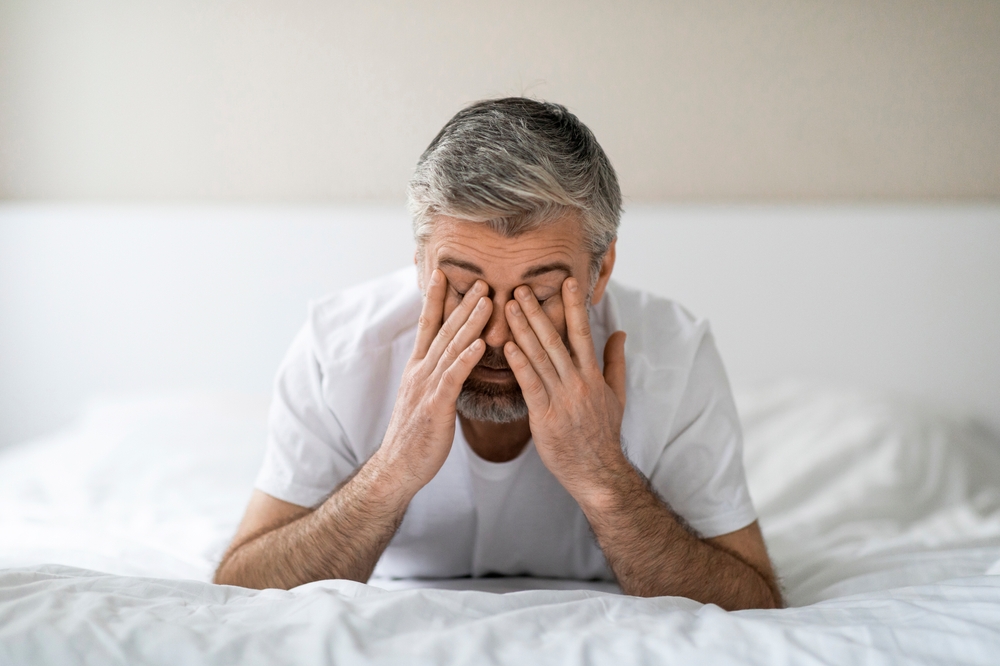
Working nights or rotating shifts confuses your biological clock. Pair that with short sleep durations, and your risk of developing high blood pressure more than doubles.
Restless legs syndrome activates stress response
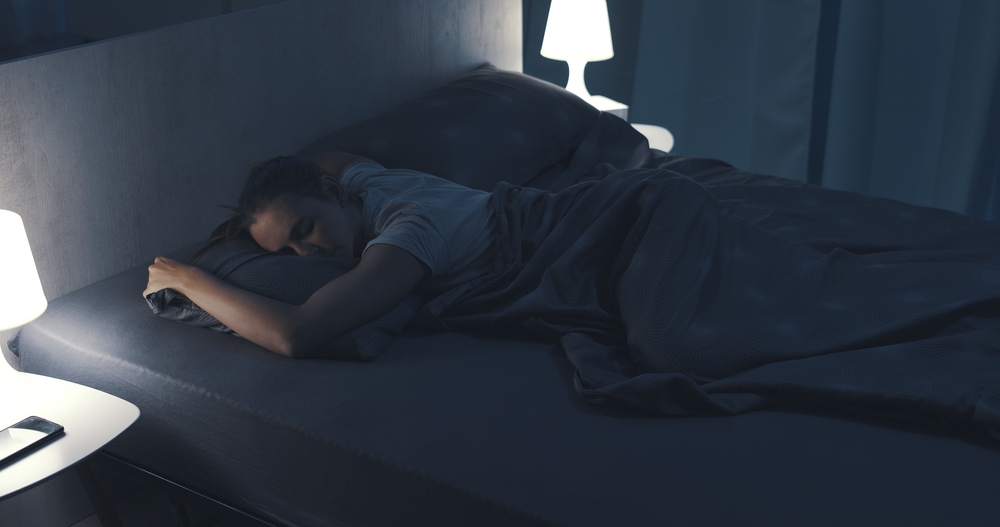
RLS isn’t just an annoying bedtime issue. It activates your sympathetic nervous system — the part responsible for your "fight or flight" response — which can raise your blood pressure over time.
Also read: Longevity Lifestyle Habits That Can Add Years to Your Life
Narcolepsy breaks your rhythm
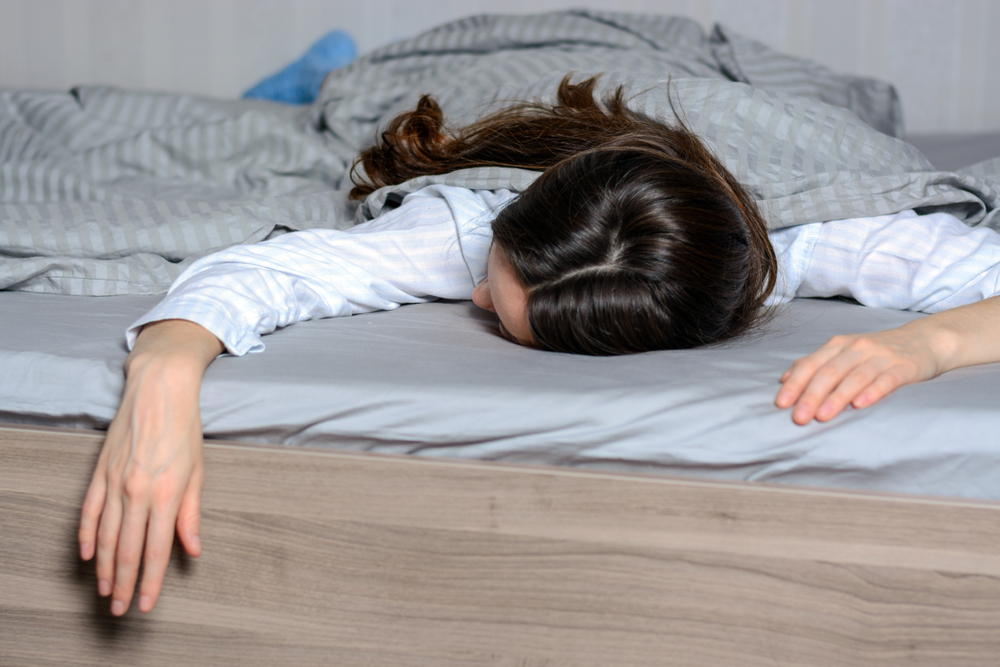
People with narcolepsy experience daytime sleep episodes that disrupt their sleep-wake cycle. This imbalance is linked to increased hypertension risk in nearly half of all diagnosed cases.
Bad bedtime habits do real damage
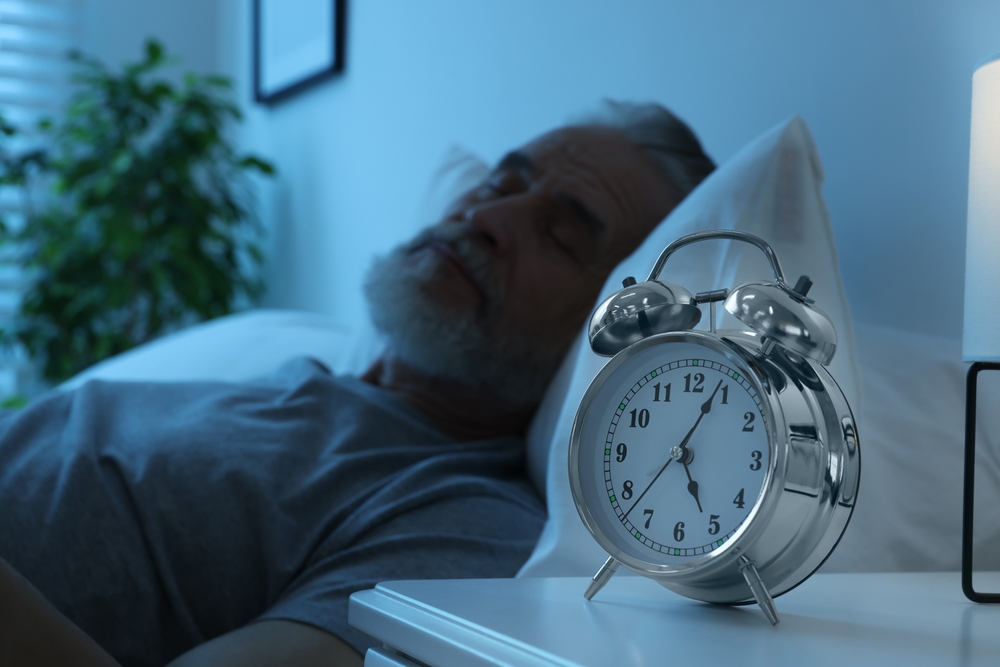
Scrolling your phone, drinking caffeine, or having alcohol before bed can seriously interfere with your sleep quality. Poor sleep hygiene keeps your body from resetting and naturally lowering blood pressure at night.
You can turn it around tonight

Simple steps like keeping a regular sleep schedule, avoiding screens before bed, and creating a dark, cool sleep environment can help restore healthy sleep — and support a healthy heart.
This article is based on information from Verywellhealth and American Heart Association
Also read: Expert Advice: How to Shop Smarter and Cheaper Every Week
Also read: Suffering From Painful Corns? Here’s How to Treat Them at Home
This article is made and published by Mie Hermansen, who may have used AI in the preparation.