
Want to add more protein to your meals without living on chicken breasts and scrambled eggs?
Nutrition experts share their best tricks for boosting your protein intake in ways that feel natural, tasty, and often invisible.
Know your protein needs
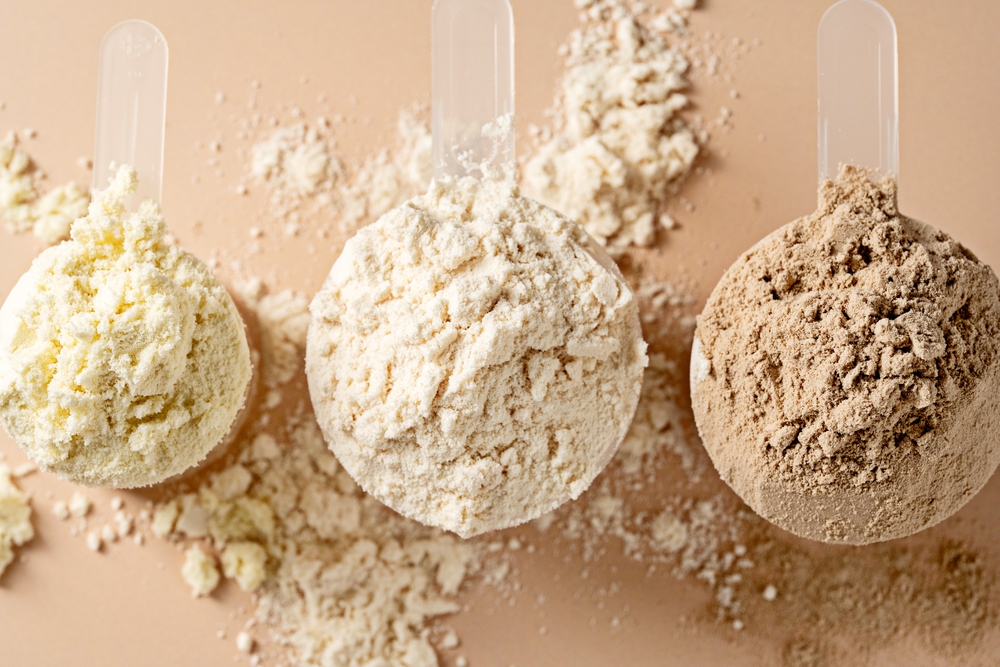
Not everyone requires the same amount of protein. Your age, activity level, and health status matter.
Too much protein can stress your kidneys, so consult a professional if you’re considering a high-protein diet.
Also read: Backed By Science: These Foods Lower Your Blood Pressure Naturally
Focus on plant proteins
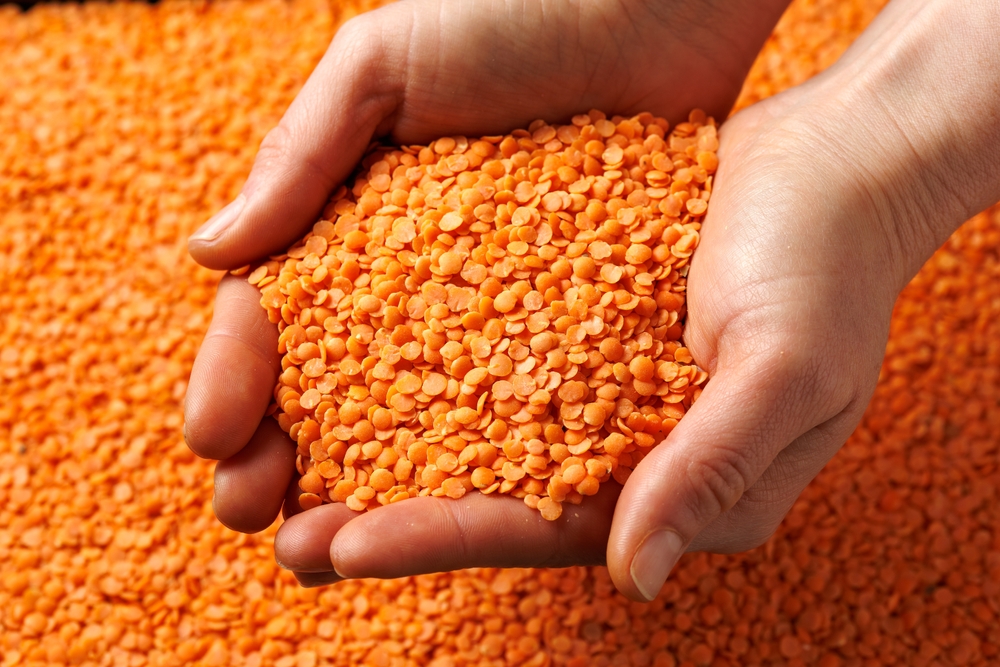
Beans, lentils, and nuts are healthier long-term choices than relying solely on red or processed meat.
Plant proteins support healthy aging, lower chronic disease risk, and are better for the environment.
Check labels on “protein” products

Many breads, pastas, and snacks are marketed as high-protein but may hide excess sugar or sodium.
Read labels carefully so you get the benefits of protein without the downsides.
Also read: Clear Signs Your Body Is Low On Magnesium
Don’t forget exercise

Protein alone won’t build muscle. To maximize the benefits, combine a protein-rich diet with strength training at least two to three times per week and aim for whole food sources over processed ones.
Blend more protein into your smoothie

Smoothies are an easy place to hide extra protein. Add Greek yogurt, cottage cheese, or tofu for a big boost without changing the flavor much.
Nut butters also work well, adding both richness and satiety.
Stir it into sauces and dips
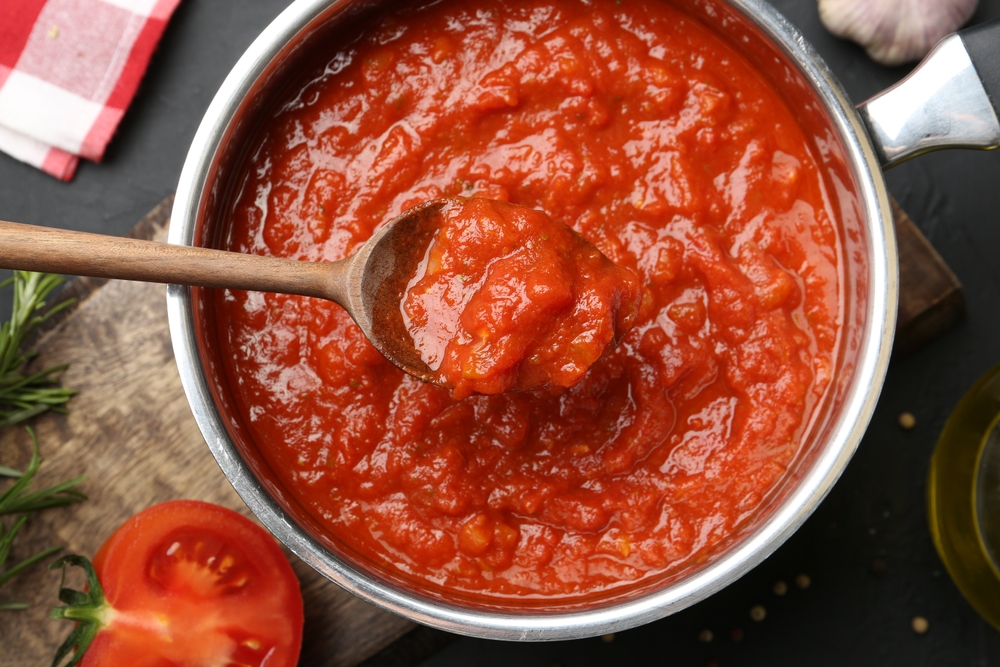
Creamy dishes like pasta sauces, tomato sauce, or dips can easily accommodate extra protein.
Also read: Simple Habits That Will Keep Your Home Spotless
Try stirring in ricotta, a bean purée, or ground flaxseeds for a smooth texture and added nutrition.
Bake with beans
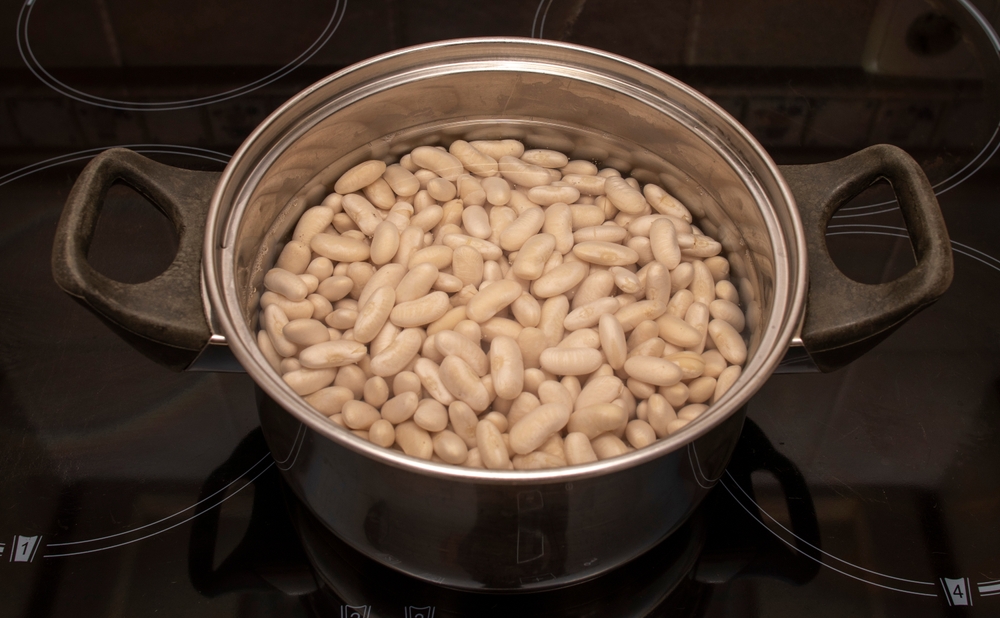
Pureed beans can replace butter or oil in baked goods while adding fiber and protein.
Mild varieties like cannellini beans work especially well in brownies, muffins, or energy bites without overpowering the taste.
Top your salads and toast with nuts and seeds

A handful of almonds, pine nuts, sesame seeds, or flaxseeds can instantly increase the protein content of your meal. Plus, they bring an extra crunch and depth of flavor.
Also read: Dentist Says These “Healthy” Snacks Are Just As Harmful As Candy
Choose protein-packed snacks
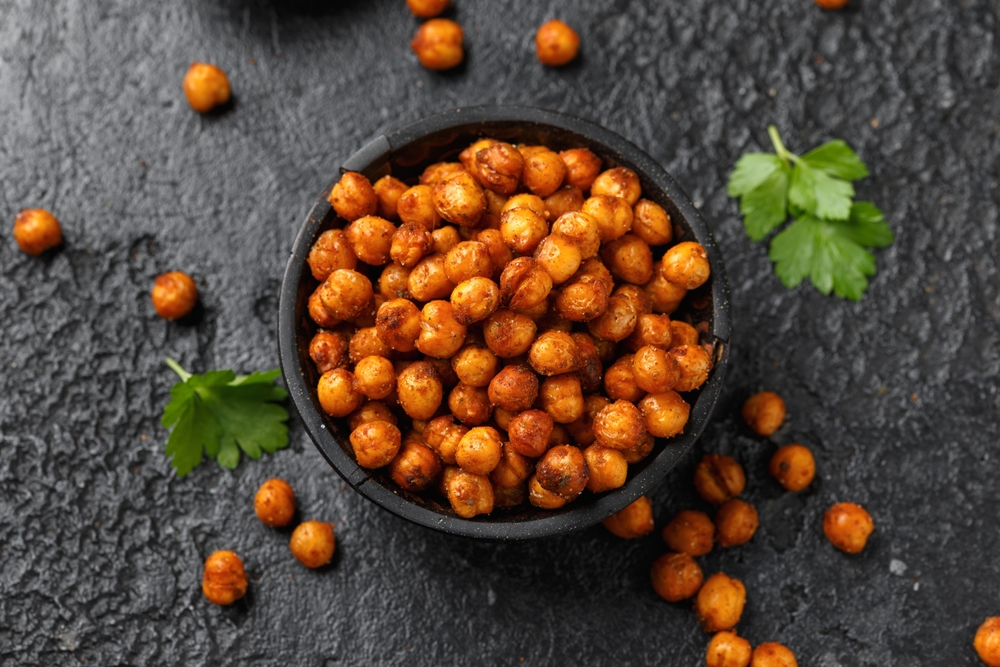
Snacking smart can keep you energized and full.
Great options include edamame, roasted chickpeas, pumpkin seeds, turkey jerky, Greek yogurt, or a simple bean dip blended with garlic and lime.
Say yes to cheese
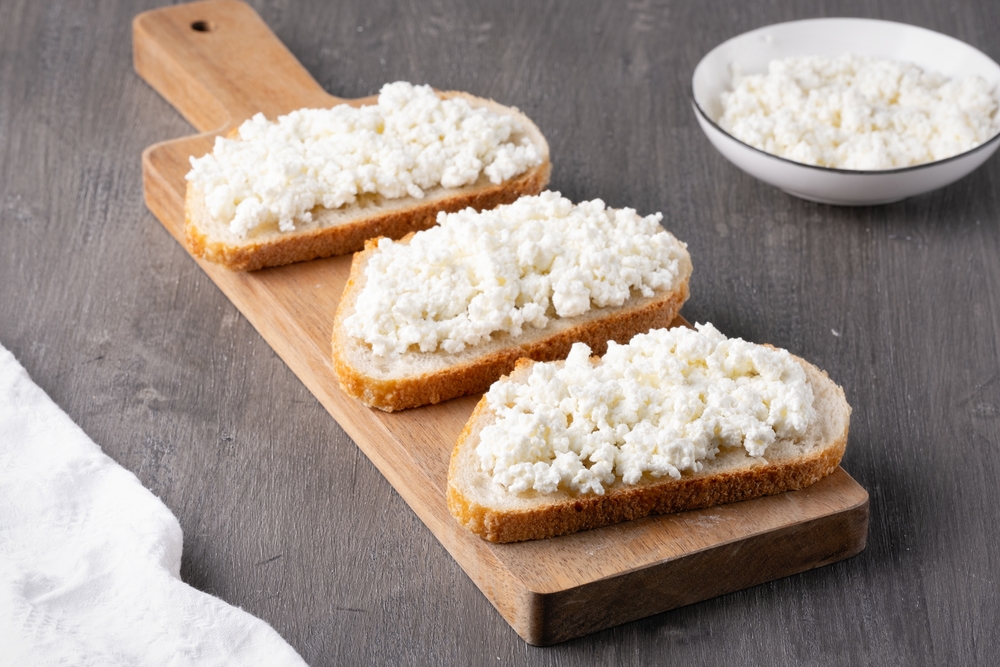
Cheese is a versatile way to add protein. Sprinkle it over salads and soups, mix into scrambled eggs, or stir into sauces.
For a subtle boost, go with cottage cheese or ricotta for creaminess without a strong flavor.
Also read: Living Alone After 60? Here's How to Avoid Loneliness
Power up your oatmeal
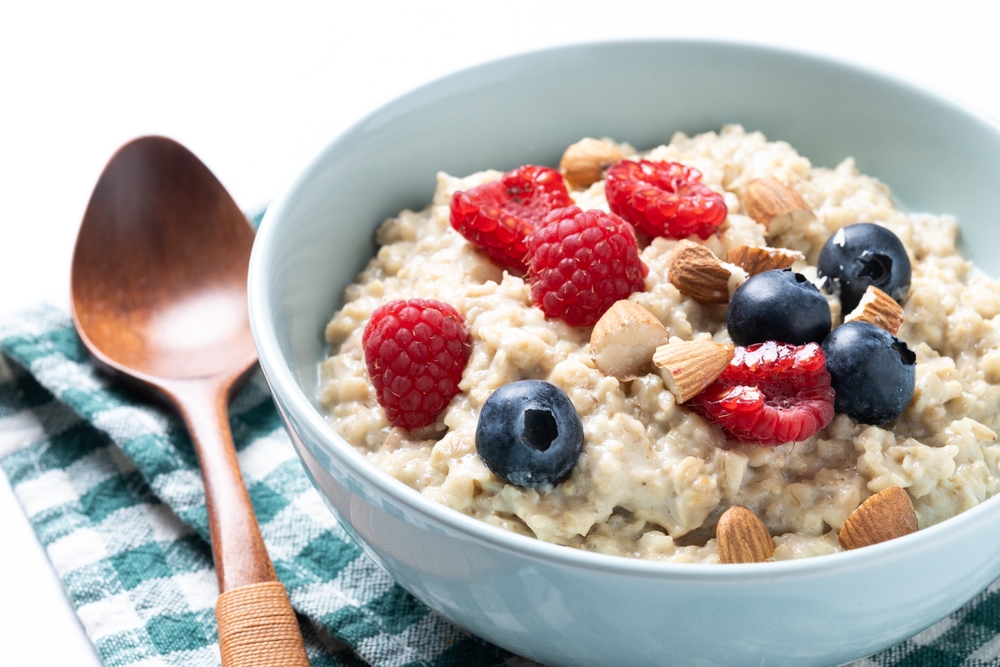
Make oatmeal with milk or soy milk instead of water to add protein. Top with nuts, nut butters, or even a fried egg for a savory twist.
Overnight oats also pair well with Greek yogurt for extra protein and probiotics.
This article is based on information from Real Simple.