
Snoring isn’t just a noisy nuisance—it can disturb your sleep, strain relationships, and even indicate underlying health risks. Now, one of the world’s leading sleep researchers shares what actually works—and what doesn’t.
Snoring Starts With Airway Vibrations

When you sleep, muscles in your throat relax. Soft tissue collapses slightly and vibrates as air passes through, creating the sound of snoring.
Age and Gender Play a Role

As we age, muscle tone weakens, increasing the risk of snoring. Men are more prone due to body structure and fat distribution, especially around the neck.
Excess Weight Increases Snoring

A high BMI can narrow the airways, especially when fat accumulates near the throat. This creates a physical setup ideal for snoring to occur.
Alcohol Makes It Worse

Alcohol and sedatives relax throat muscles even more, making snoring louder and more frequent—especially after a heavy night out.
Your Sleeping Position Matters

Sleeping on your back allows the tongue to fall back and block the airway. Switching to your side can help reduce snoring significantly.
Dental Devices Can Make a Difference

A custom-made mandibular advancement device that pulls the jaw forward helps keep airways open. It’s the most scientifically supported solution.
Anti-Snore Gadgets Work—But Are Uncomfortable

Some devices use vibrations or gentle shocks to encourage side sleeping. They can reduce snoring, but many users find them disruptive.
Taping Your Mouth Isn’t Backed by Science
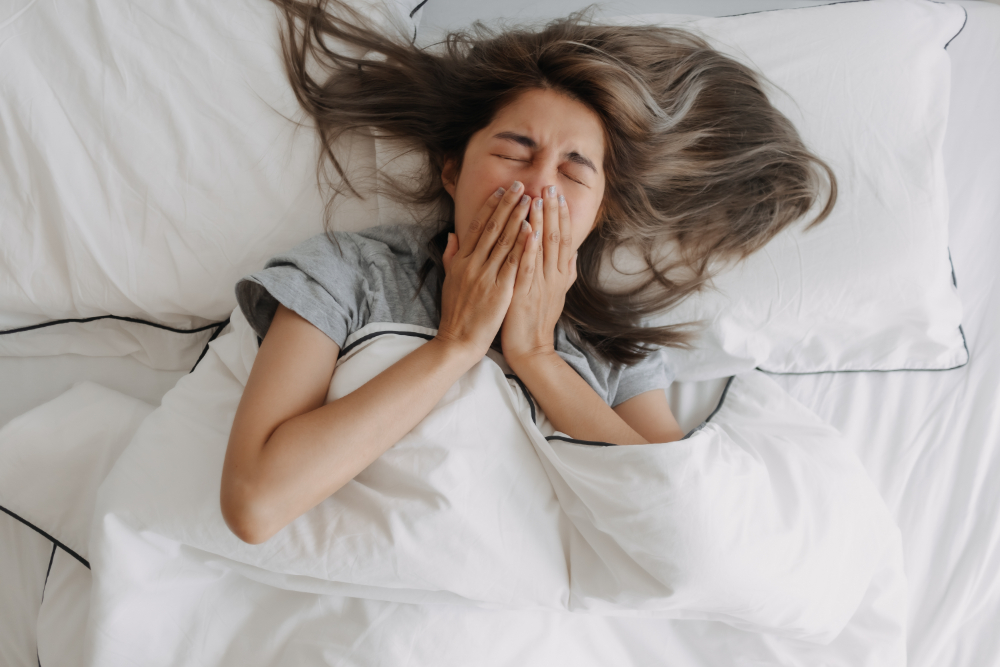
Despite social media hype, mouth taping has little scientific support and may feel uncomfortable or unsafe for many people.
Exercise Helps by Supporting Weight Loss

Physical activity doesn’t directly stop snoring, but by helping with weight loss, it reduces one of the major contributing factors.
Skip the Nightcap

Even one drink before bed can increase snoring significantly. A quiet, alcohol-free night often leads to better rest—for you and your partner.
The article is based on information from Illustreret Videnskab.
This article is made and published by Mie Hermansen, who may have used AI in the preparation.