
Skin cancer is one of the most common forms of cancer, but not all types are the same. Knowing what signs to look for on your skin could make a life-saving difference—especially when it comes to identifying the more aggressive form: melanoma.
Ordinary Skin Cancer Can Appear as a Shiny Bump

This type of skin cancer often shows up as a small, pearly or translucent bump, usually on sun-exposed areas like the face, ears, or neck. It may grow slowly and bleed with minor friction.
Melanoma Often Starts as a Changing Mole
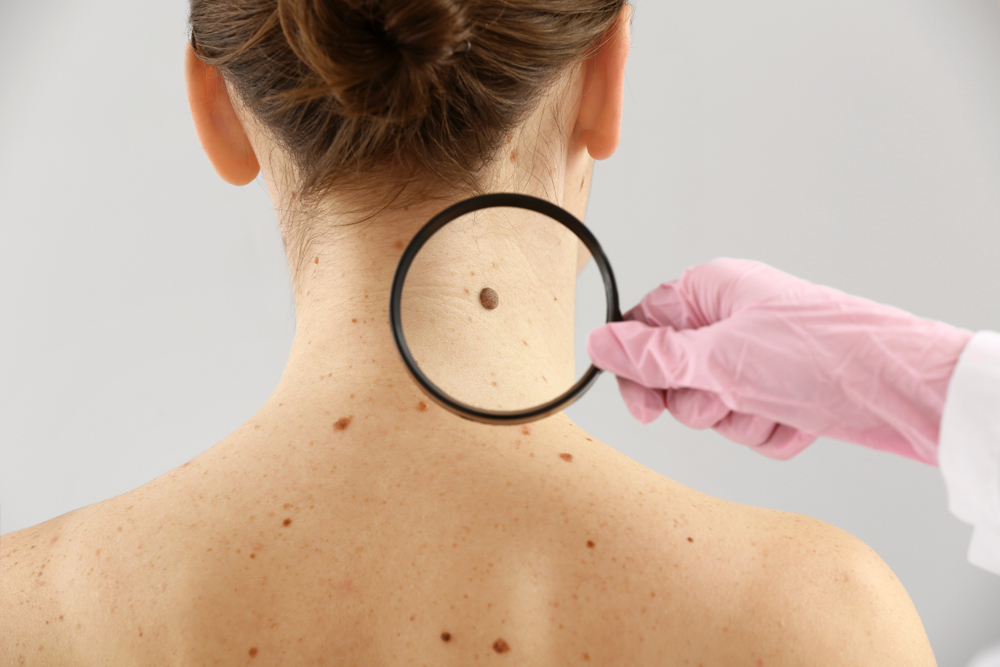
Unlike the typical sun damage spots, melanoma usually begins as a mole that changes in color, size, or shape. These changes might be subtle at first, but they tend to progress quickly.
Persistent Sores Can Be a Warning Sign
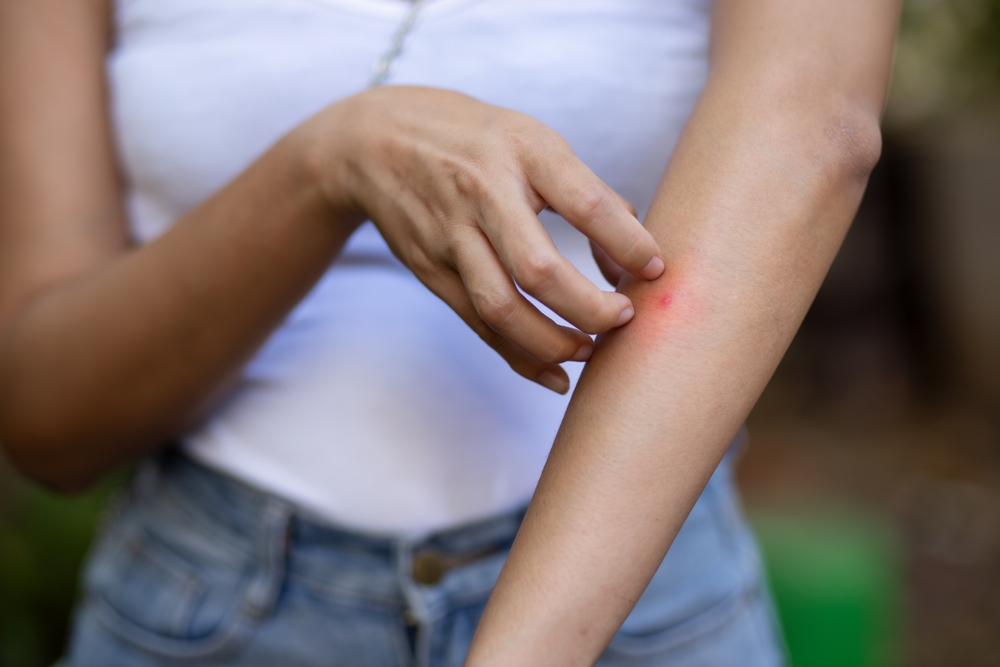
A skin lesion that just won’t heal—even if it seems small or painless—should not be ignored. Non-healing wounds are often a hallmark of more common forms of skin cancer.
Look Out for Crusty or Scaly Patches

Areas of skin that appear red, flaky, or scaly and don’t improve with moisturizers may be early signs of skin cancer. These can sometimes bleed or become sore without healing.
Melanoma May Itch or Feel Sensitive
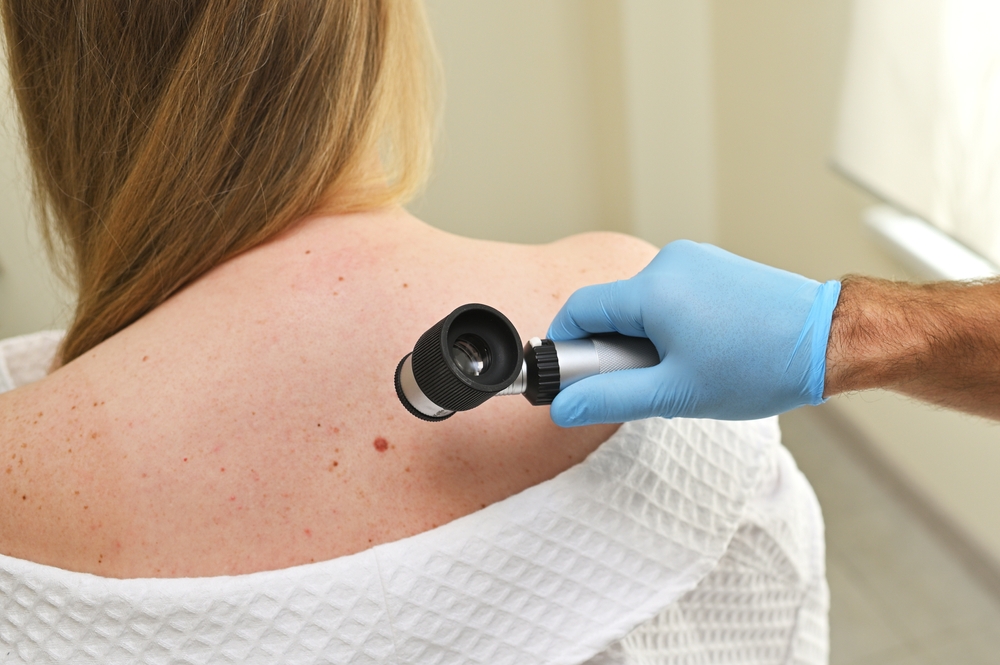
Moles or dark spots that begin to itch, hurt, or feel different than the rest of your skin are worth a closer look. These changes can indicate that something isn’t right beneath the surface.
Asymmetry Is a Key Feature in Melanoma
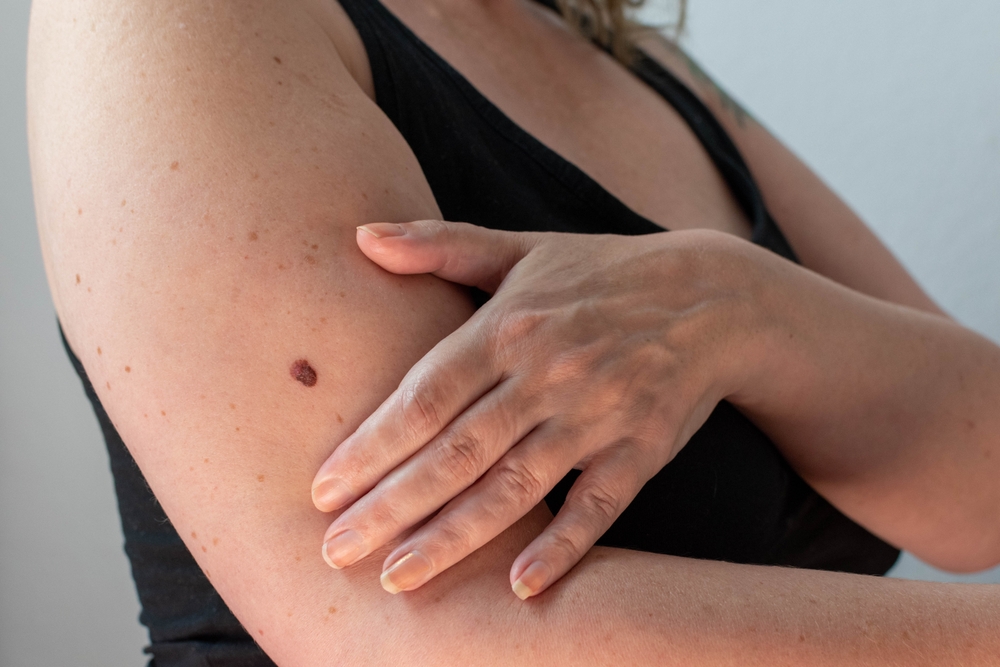
If one half of a mole looks different from the other, it’s time to get it checked. Asymmetry is one of the most important early warning signs of melanoma.
Irregular Borders Should Not Be Overlooked
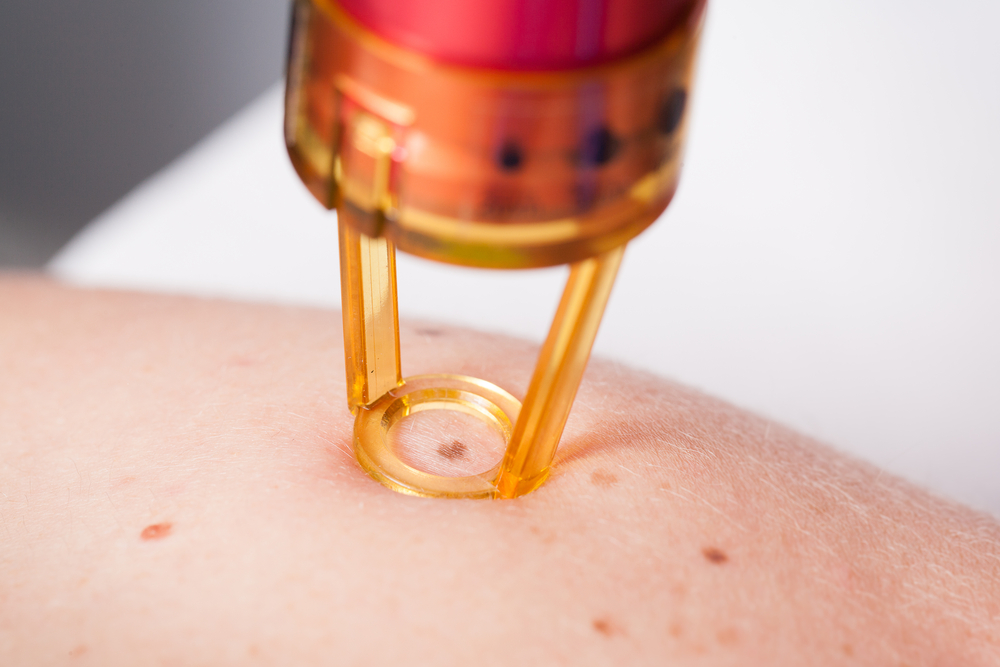
Whereas harmless moles have smooth, well-defined edges, melanoma often has jagged, uneven, or blurred borders that spread outward unpredictably.
Color Variation Can Signal a Problem
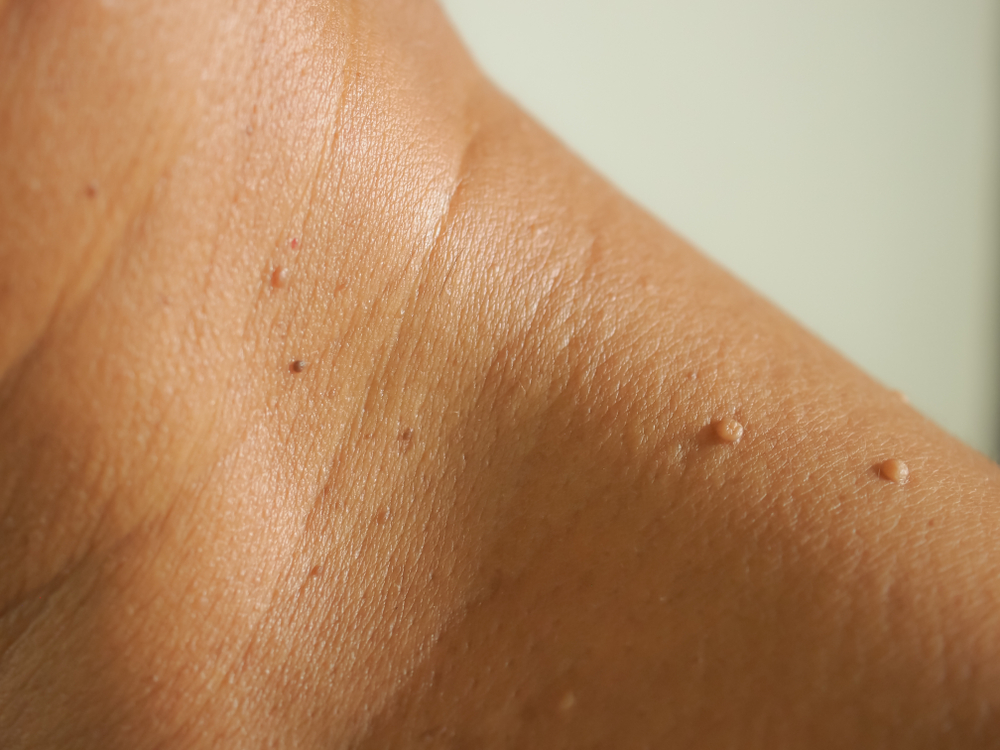
Melanomas can have multiple shades—brown, black, red, or even white—within the same lesion. Uniform color is typically a good sign; diversity is not.
Skin Cancer Is More Common, But Less Deadly

Non-melanoma skin cancers like basal cell carcinoma are far more frequent, but they rarely spread and are usually treatable with minor surgery or local procedures.
Melanoma Is Rare But Far More Dangerous

Melanoma accounts for fewer skin cancer diagnoses but causes the majority of skin cancer deaths. Early detection is critical, as it can spread quickly to lymph nodes and other organs.
This article is based on information from I FORM
This article is made and published by Mie Hermansen, who may have used AI in the preparation.