
There is a wide range of advice about protein and exercise, and it can be difficult to make sense of the recommendations.
Here is a comprehensive overview of what protein means for the body and how to meet your needs in connection with training.
What is protein?
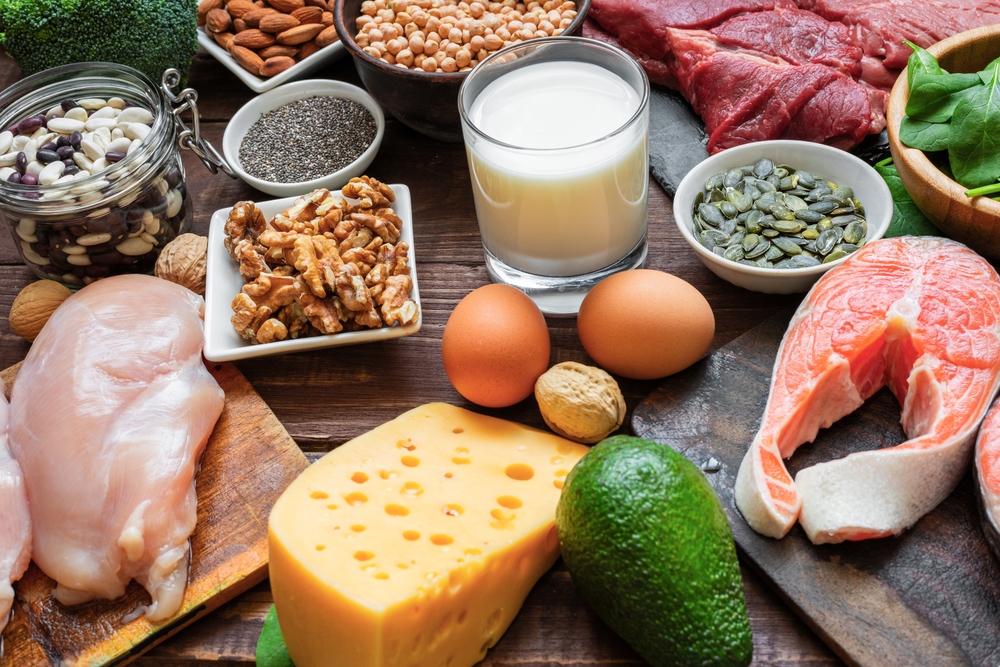
Protein is often referred to as the body’s building block because it is broken down into amino acids, which help the body grow and repair itself.
Hair, skin, and muscles are made up of protein. It is found in foods such as meat, fish, eggs, dairy products, legumes, nuts, and soy products.
Also read: Study of 125,000 finds limited cancer-prevention benefit from aspirin
Why is protein important for training?

When you exercise, small tears occur in the muscles, making them stronger as they rebuild.
Protein provides the amino acids needed to repair muscles and help them grow stronger.
At the same time, additional protein can support faster recovery and the replenishment of glycogen stores.
How much protein do you need?

Most adults require around 0.75 grams of protein per kilogram of body weight per day.
Also read: Women face greater risk of dying after heart attack, study finds
On average, this corresponds to approximately 45 grams for women and 55 grams for men, which can roughly be covered by two portions of meat, fish, or tofu per day.
Competitive sports

If you are training for a competition or a longer event, it is recommended to include a portion of protein with each meal.
This supports muscle building and repair in line with the increased physical demands.
How to assess portion sizes

A simple way to manage portion sizes is to use your hand as a guide.
Also read: Early findings offer new hope in fight against pancreatic cancer
The palm of your hand can be used as a measure for red meat, while the whole hand can serve as a reference for white meat and fish.
Protein after short workouts
If your workout lasts less than an hour, it is sufficient to eat regular, healthy meals with protein distributed throughout the day.
There is no need to focus specifically on protein intake immediately before or after training.
Protein after longer workouts

For training sessions lasting more than an hour, it may be beneficial to consume additional protein afterward.
Also read: More hours of sleep may lead to weight loss, study shows
This should be combined with carbohydrates and consumed in appropriate amounts to support the body’s recovery.
The right timing for recovery

The body’s ability to build new muscle and absorb glycogen is at its peak in the period shortly after exercise.
An intake of around 15 to 30 grams of protein within approximately one hour after training is considered effective.
Suggestions for recovery meals
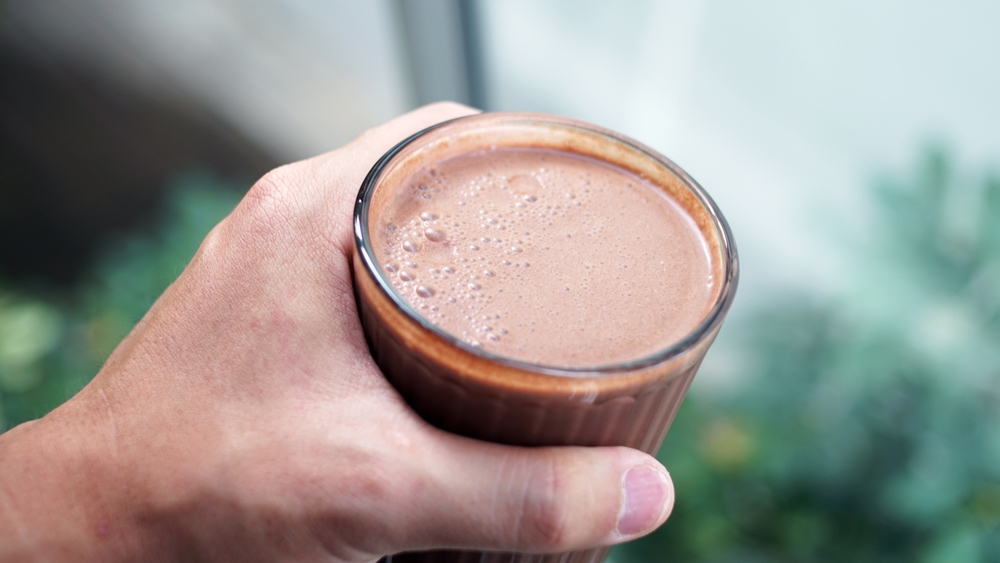
Examples of good combinations of protein and carbohydrates include low-fat chocolate milk, homemade drinks with cocoa powder and skimmed milk or a plant-based drink, and sports drinks containing protein and carbohydrates.
Also read: Can plant-based diets provide enough protein? Experts have the answer
Other options include Greek yogurt with banana, apple slices with nut butter, an egg sandwich, or breakfast cereal with milk.
Are protein shakes necessary?

Recovery drinks are most effective shortly after exercise.
They should contain more carbohydrates than protein, typically in a ratio of three or four parts carbohydrates to one part protein.
A content of 10 to 20 grams of protein is considered sufficient.
Do you need supplements?
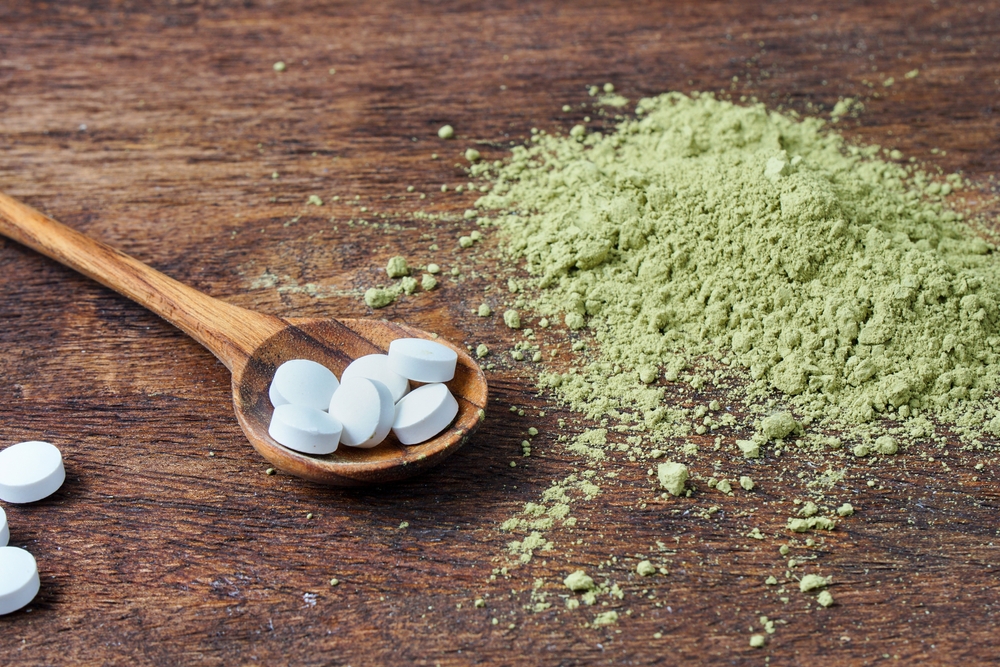
Additional protein supplements or special high-protein diets are generally not necessary, even when training for an event or competition.
However, it depends on your preferences and your overall protein intake.
Protein bars and powder

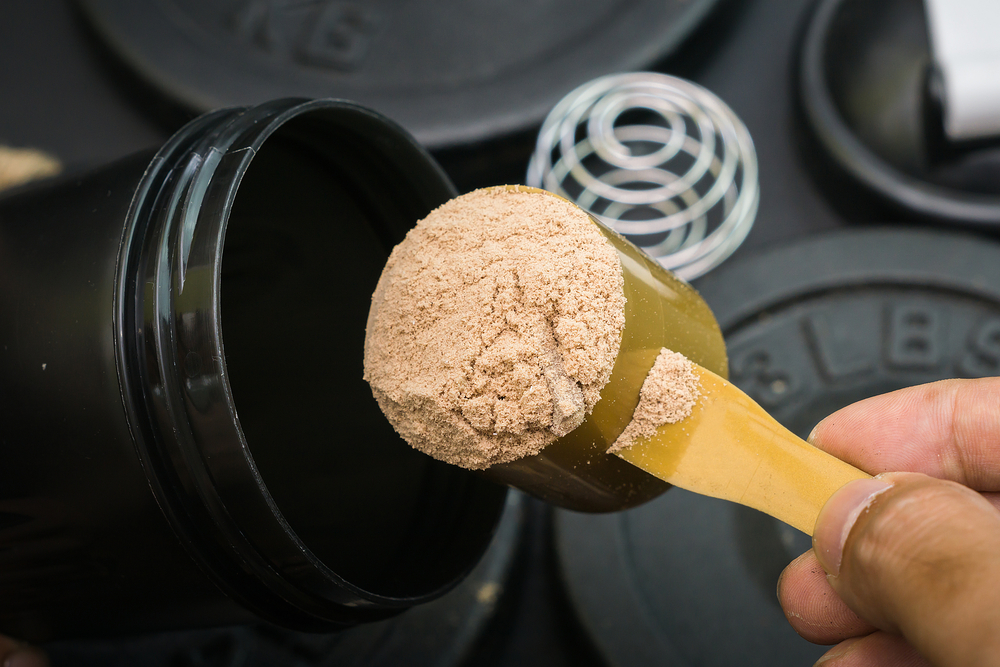
Protein supplements are often marketed as an easy solution for muscle building and improved performance. However, most people already get sufficient protein through their diet.
If you wish to increase your intake, it is recommended to first add protein-rich foods to meals and snacks rather than replacing them with powder.
Supplements should only serve as a complement to a balanced diet, and it is important to read the nutrition label, as some products contain added sugar and fat.
Sources: British Heart Foundation.