
It’s a classic showdown in the world of natural sweeteners – raw honey versus maple syrup.
While both are popular alternatives to refined sugar, each comes with unique health benefits and surprising drawbacks.
Here’s what you need to know before drizzling them over your next breakfast.
Honey contains more sugar and calories
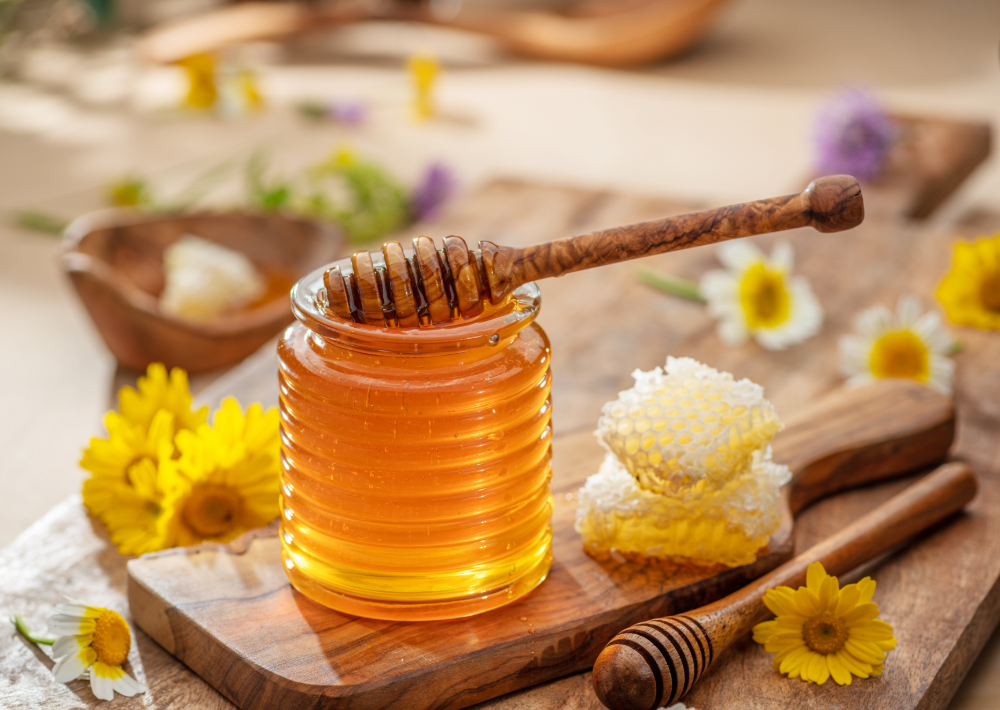
Although both are sugary, honey edges out maple syrup in calorie and sugar content.
One tablespoon of honey delivers around 61 calories and 16.4 grams of sugar, while maple syrup has a lighter load with 52 calories and 12.1 grams of sugar per tablespoon.
Maple syrup is richer in key minerals
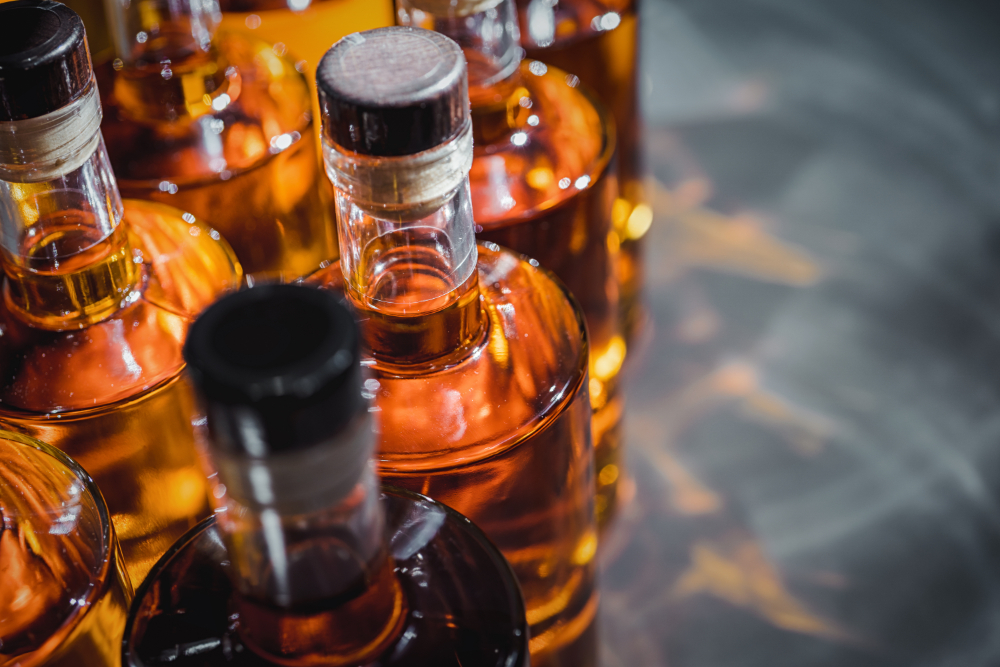
Maple syrup takes the lead when it comes to minerals.
It offers a stronger dose of essential nutrients like calcium, potassium, zinc, manganese, and riboflavin – all of which appear only in trace amounts in honey.
Honey has natural antibacterial properties

Raw honey has long been prized for its healing abilities.
Thanks to its natural antibacterial and anti-inflammatory effects, it’s been used for centuries to soothe sore throats, heal wounds, and fight off infections.
Maple syrup may help improve insulin sensitivity

Research has shown that compounds in maple syrup, such as abscisic acid and polyphenols, could support better insulin sensitivity.
This means it may help regulate blood sugar levels more effectively, which is beneficial for those dealing with insulin resistance.
Honey may have a prebiotic effect

Honey contains small amounts of dietary fiber, which can act as prebiotics.
These prebiotics feed the good bacteria in your gut and help support a balanced and healthy microbiome.
Maple syrup has a lower glycemic index

While both sweeteners raise blood sugar, maple syrup does so more gently.
It has a lower glycemic index than honey, suggesting a slower and more moderate rise in blood sugar after consumption.
Honey isn’t safe for infants

Raw honey poses a risk for babies under one year old due to potential contamination with Clostridium botulinum.
This bacteria can cause infant botulism – a rare but serious neurological condition.
Maple syrup may contain heavy metals
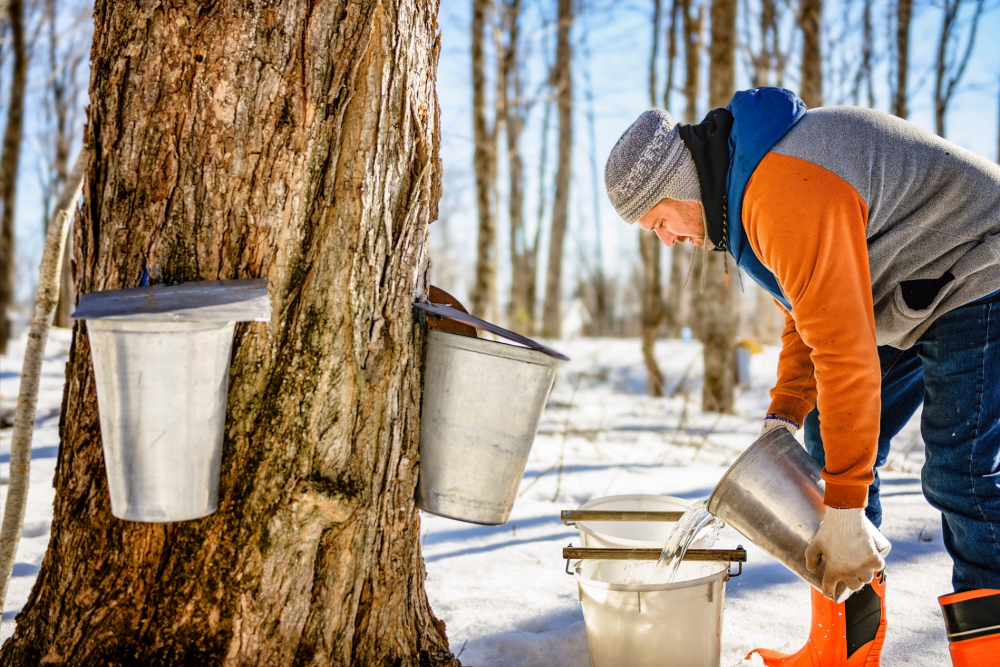
The traditional tapping process of maple syrup can introduce trace amounts of heavy metals from metal tubing.
There’s also a chance of microbial contamination during the sap collection and boiling process.
Their flavors are worlds apart

Honey’s taste changes based on the flowers visited by bees, ranging from floral and delicate to deep and caramel-like.
Maple syrup varies by harvest season and grade, offering flavors from light and sweet to dark, rich, and even slightly smoky.
Both go far beyond pancakes

Forget limiting these sweeteners to breakfast.
Honey and maple syrup work wonders in dressings, glazes, baking recipes, and even savory dishes.
They’re versatile sugar substitutes that bring complexity to both sweet and salty plates.
This article is based on information from Health.
This article is made and published by Ida-Marie Palm Varbæk, who may have used AI in the preparation.