
Strength is a cornerstone of physical fitness and can be measured in several ways.
This article gives you a quick guide to the key aspects of absolute and relative strength – and how you can best assess and improve your own strength.
What is absolute strength?
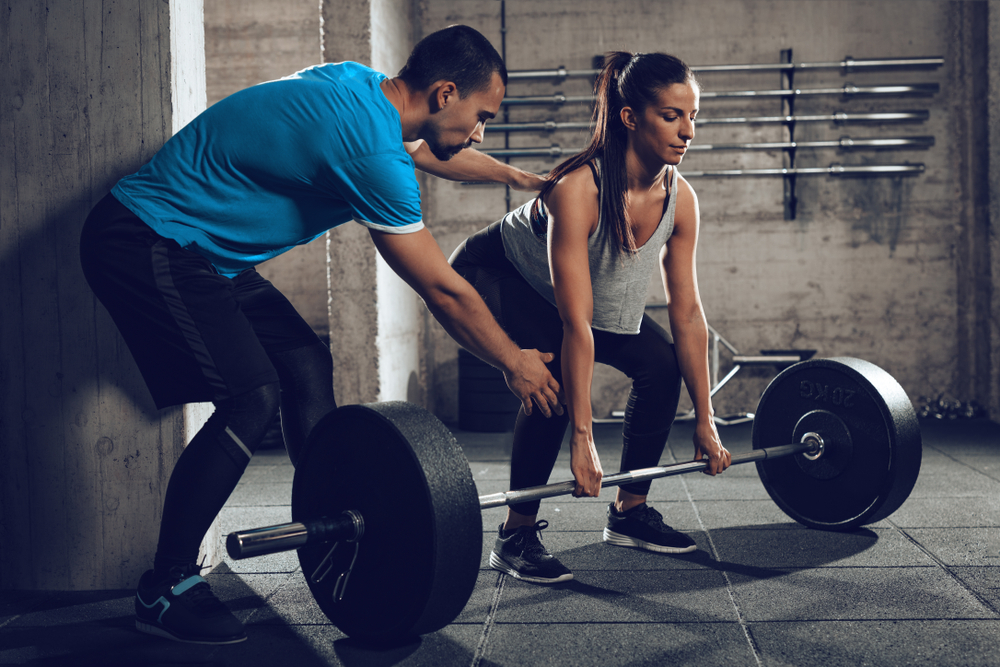
Absolute strength is the maximum weight a person can lift once in exercises like squats, bench presses, or deadlifts.
It is typically measured using a one-repetition maximum (1RM) test.
What is relative strength?

Relative strength refers to the amount of weight lifted in relation to your body weight.
It provides a fairer comparison when evaluating strength across individuals with different body weights.
How body composition affects strength
The amount of muscle mass and body fat significantly influences both absolute and relative strength. The more muscle mass you have, the more force you can produce.
How limb length plays a role

Height and limb length can affect strength performance.
Shorter individuals often generate more force due to thicker muscle bellies, whereas taller individuals have longer muscles and tendons.
How body weight changes your strength
As muscle mass increases, muscle concentration grows faster than volume, which can cause a decrease in relative strength despite an increase in absolute strength.
Why exercise type matters
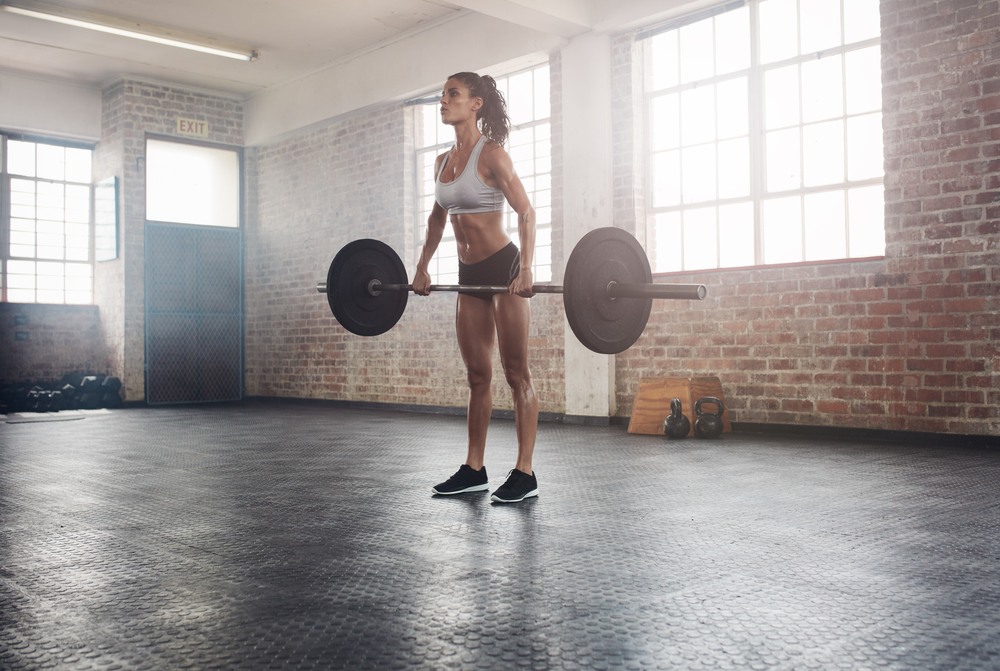
Different exercises demand different levels of strength.
For instance, lifting 100 kg may feel heavy in a bench press but more manageable in a deadlift or squat, as these recruit larger muscle groups.
Beginner strength standards for women
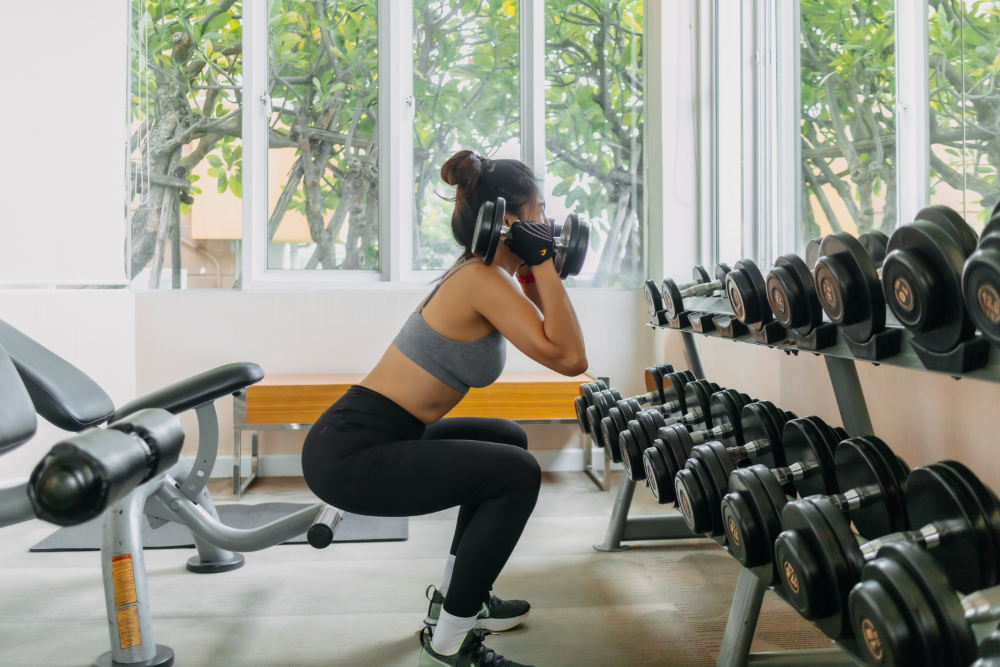
Beginner women should aim to bench press 0.5 times their body weight, deadlift 1 times their body weight, and squat 0.75 times their body weight.
Advanced strength standards for women
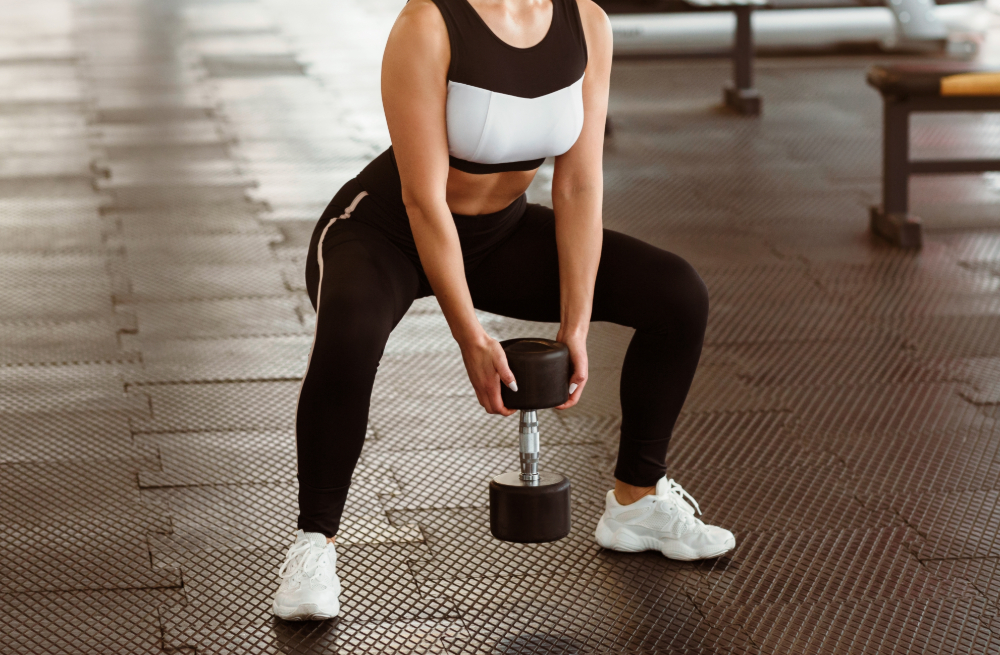
Advanced women should be able to bench press 1 times their body weight, deadlift 2 times their body weight, and squat 1.5 times their body weight.
Beginner strength standards for men

Beginner men should aim to bench press 1.25 times their body weight, deadlift 1.75 times their body weight, and squat 1.5 times their body weight.
Advanced strength standards for men

Advanced men should aim to bench press 1.75 times their body weight, deadlift 2.75 times their body weight, and squat 2 times their body weight.
This article is based on information from Fittr.com.
This article is made and published by Ida-Marie Palm Varbæk, who may have used AI in the preparation.