
Researchers in the U.S. have discovered a new method that targets cancer at its most vulnerable point. With a groundbreaking molecule and a precise approach, the findings point toward treatments that are both more effective and gentler on the body.
An Enzyme With Hidden Power

CDK7 has long been recognized for its role in helping cancer cells multiply. But new findings reveal it also plays a vital part in how cells manage stress and activate critical genes.
Old Target, New Strategy

Attempts to block CDK7 in the past have fallen short—cancer cells survived, while healthy cells suffered. This new approach flips the script with precision and focus.
A Molecule Built for Accuracy
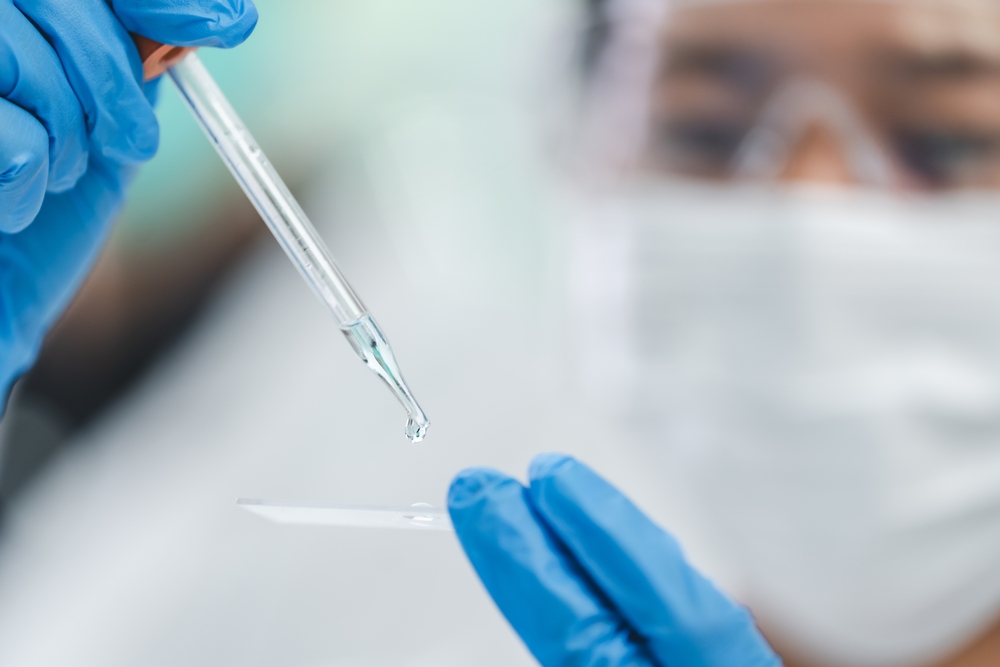
The synthetic compound SY-5609 binds directly to CDK7 with pinpoint precision, interrupting its function without disturbing other cellular processes.
Tested Across Cancer Types

Researchers put SY-5609 to the test on 79 different cancer cell types. The result: in most cases, cell division came to a halt—an impressive cross-cancer impact.
Lightning-Fast Action

Just 30 minutes after treatment began, cancer cells began to lose control over their gene activity. Such rapid response is rare and highly promising.
Heat Shock Revealed CDK7’s Role

By exposing cells to sudden heat, researchers could trigger stress responses and track gene activation—highlighting just how crucial CDK7 is in crisis situations.
Healthy Cells Remained Unharmed
Perhaps the most hopeful outcome: healthy cells barely reacted to the treatment. That suggests the potential for far fewer side effects compared to conventional therapies.
The Body’s Brake Is Reengaged
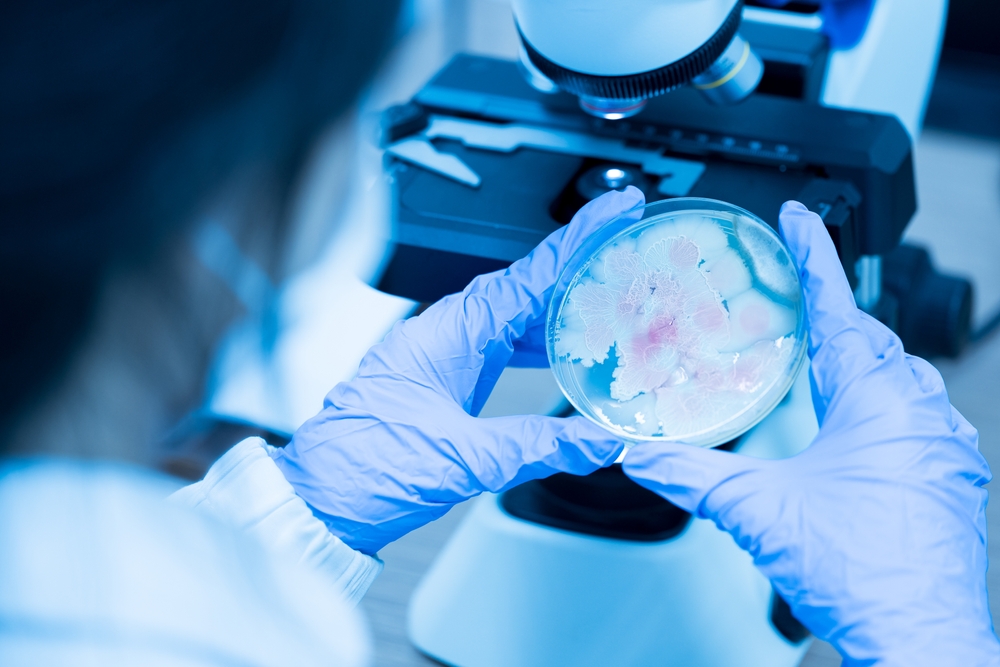
SY-5609 also appears to revive the RB1 gene, which acts as a natural brake on cell division—often inactive in cancerous cells.
A Dual Strike on Tumors
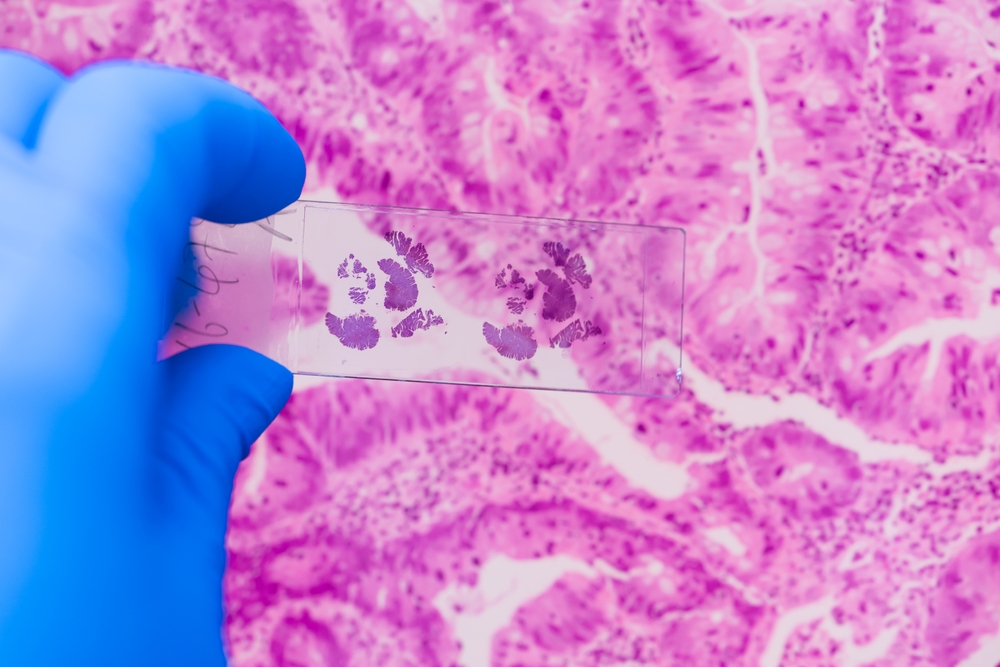
By shutting down CDK7 and reactivating RB1, this treatment not only stops cancer growth but may restore the body’s own line of defense.
A New Era in Cancer Treatment

This research signals the rise of a new kind of cancer therapy—one that’s smart, selective, and gentle enough to protect what matters most.
The article is based on information from Illustreret Videnskab.
This article is made and published by Mie Hermansen, who may have used AI in the preparation.