
A new research review suggests that tea may be associated with a lower risk of several chronic diseases.
However, researchers also point out that the way tea is prepared can change its health benefits.
New review of tea research
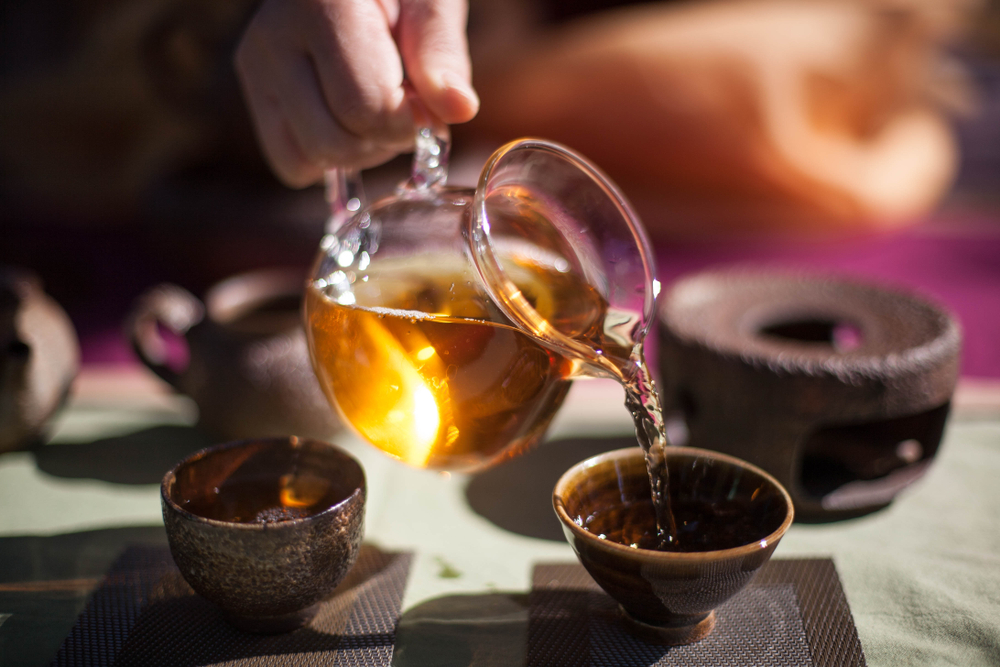
According to Health.com, researchers from China and the United States analyzed existing research on tea and health and published their findings in Beverage Plant Research.
They reviewed studies involving both humans and animals.
Also read: Multivitamins may affect the body’s aging, new study shows
Several types of tea included in the analysis
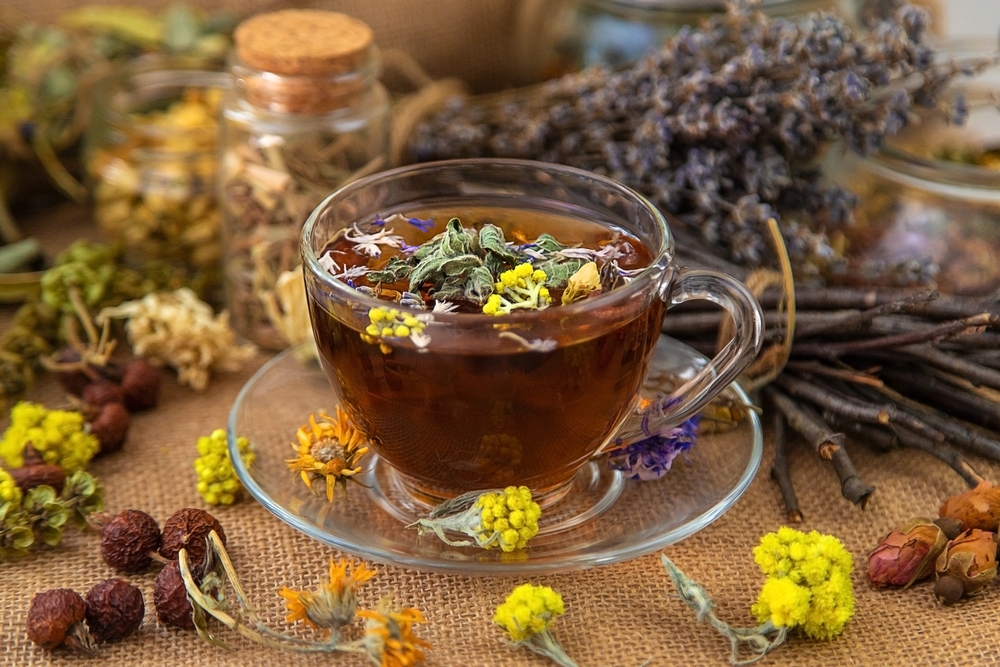
The researchers focused mainly on green and black tea. In addition, yellow tea, oolong tea, and dark fermented tea were also examined.
Overall trend in the research
When the studies are viewed together, they show a clear trend. Regular tea consumption is associated with a lower risk of several chronic diseases.
Possible effects on multiple diseases

The results indicate, among other things, a connection with a lower risk of cardiovascular disease, obesity, type 2 diabetes, and certain types of cancer.
Antioxidants may explain the effect

Tea contains antioxidants and polyphenols. These compounds can help protect cells and reduce inflammation in the body.
Also read: Want to live longer? Exercise may be more important than supplements
Preparation plays an important role

The researchers emphasize that the way tea is prepared can influence its health benefits.
Bottled tea is processed at high temperatures

During the production of bottled tea, high temperatures are often used for sterilization. This can reduce the amount of certain antioxidants.
Bubble tea contains many additives

Bubble tea often consists of tea combined with tapioca pearls, milk, flavorings, and preservatives.
Additives can increase calorie intake

The ingredients in bubble tea can add around 150 to 200 extra calories per serving.
Also read: Pre-workout supplements may negatively affect young people’s sleep, new study shows
Sugar may affect health

A high intake of added sugar can raise blood sugar levels and increase the risk of diseases such as type 2 diabetes and cardiovascular disease.
Tea still contains active compounds

Even in bubble tea, antioxidants from the tea itself are still present and may have positive effects.
Occasional consumption recommended

Experts recommend that bottled tea and bubble tea should be enjoyed occasionally rather than as a daily habit.
Freshly brewed tea provides the most benefits

According to the research, freshly brewed tea generally provides more health benefits than ready-made varieties.
Also read: Why some people experience a sudden jolt when falling asleep
How experts recommend brewing tea
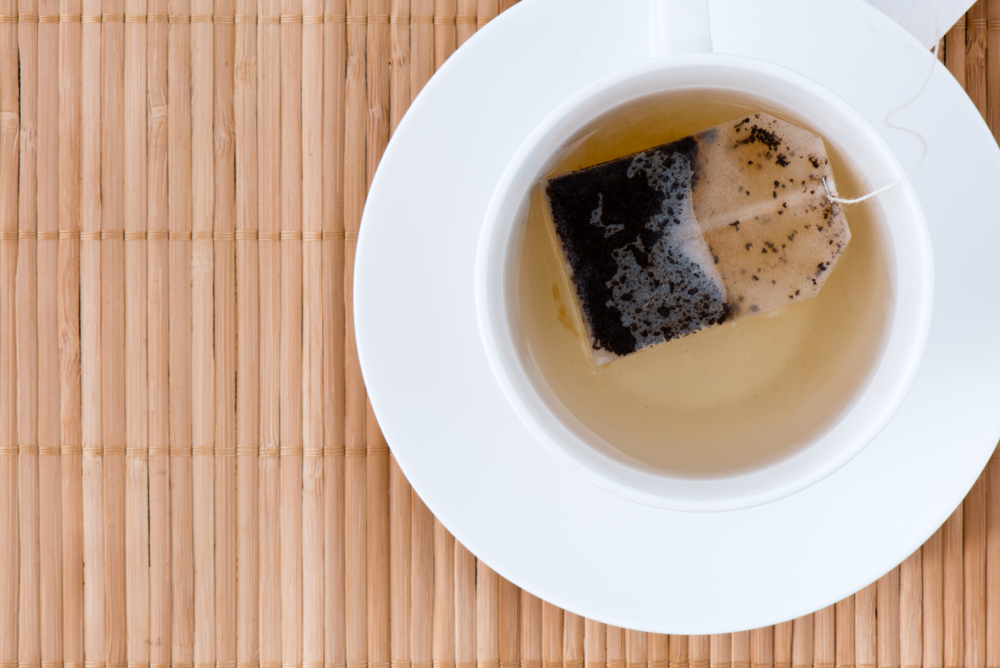
Experts recommend unsweetened green or black tea. The water should be hot but not boiling, and the tea should steep for three to five minutes.
Sources: Health.com, and Beverage Plant Research.
Also read: Simple ways to make your commute less stressful
This article is made and published by Ida-Marie Palm Varbæk, who may have used AI in the preparation.