
Your gut bacteria may secretly raise your risk of stroke and Alzheimer’s
What you eat doesn’t just affect your weight and cholesterol.
Scientists now suggest it could quietly increase your chances of serious diseases like stroke and dementia. And the culprit may come from deep inside your gut.
Your gut does more than digest your food
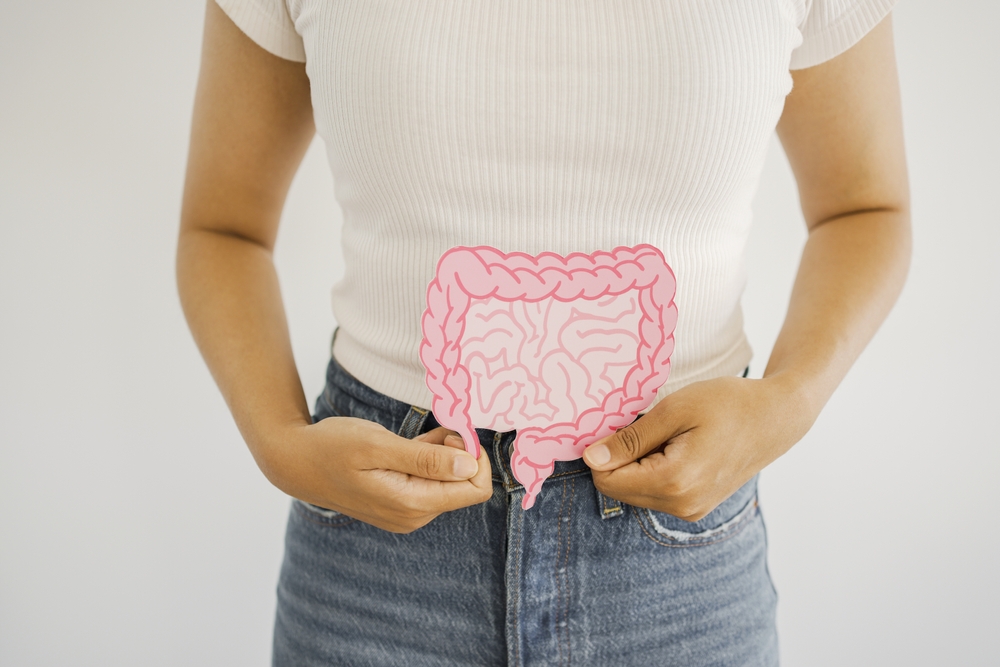
Every time you eat meat, eggs or dairy, your gut bacteria go to work — not just digesting, but also producing a molecule called TMAO. And that molecule may silently harm your heart and brain.
Red meat and eggs fuel TMAO production

TMAO forms when gut bacteria break down compounds like choline and carnitine, which are abundant in red meat, eggs and full-fat dairy. The more you eat, the higher your TMAO levels climb.
TMAO linked to heart disease

Several studies reveal that people with high TMAO levels face a greater risk of cardiovascular disease. The molecule may damage blood vessels, make platelets stickier and accelerate artery-clogging processes.
TMAO increases stroke risk

The danger doesn’t stop at your heart. Research shows TMAO can increase the chance of stroke by making it easier for blood clots to form and restricting healthy blood flow.
It may harm your brain, too
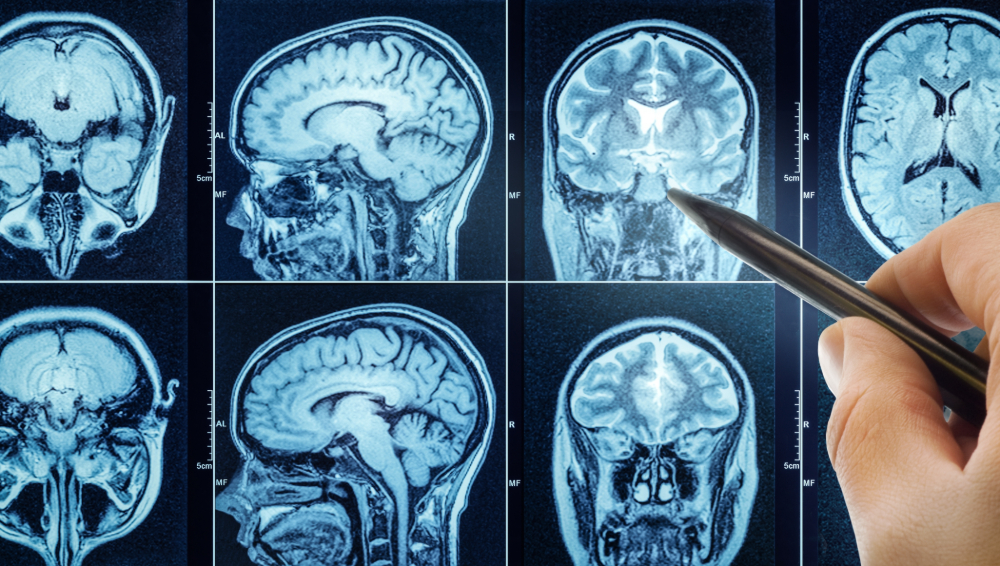
Emerging studies suggest TMAO could also attack your brain cells, possibly contributing to memory loss and diseases like Alzheimer’s.
Plant-based diets lower TMAO

If you want to bring down your TMAO levels, moving towards a plant-based or Mediterranean diet is a smart step. People who eat mostly plants typically have far less TMAO in their bloodstream.
Probiotics may reduce TMAO
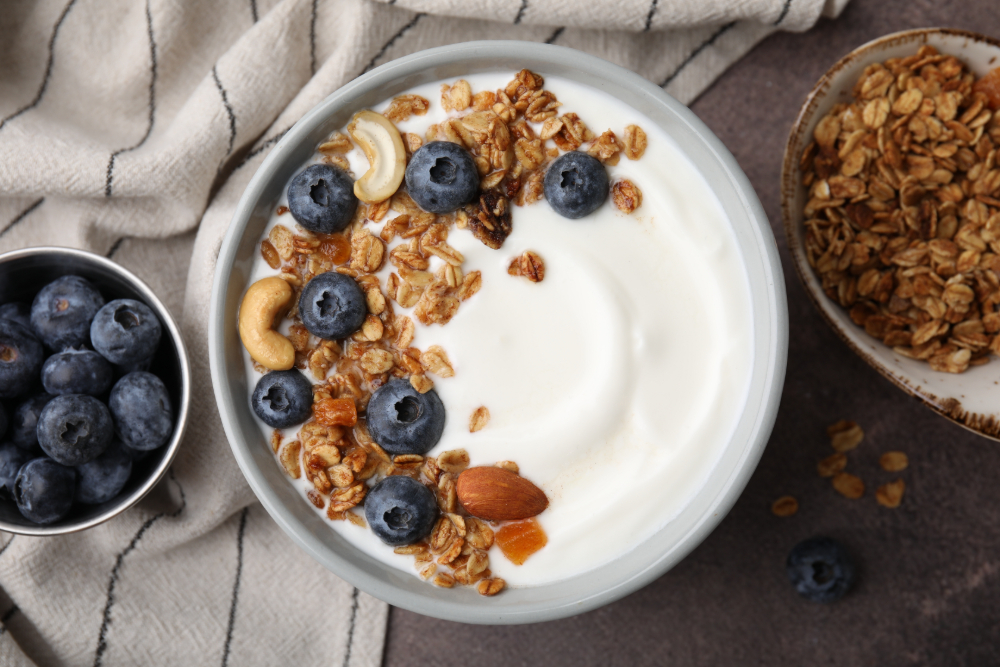
Certain beneficial bacteria — particularly strains of Lactobacillus and Bifidobacterium — can change the gut microbiome in ways that lower TMAO production.
Polyphenols offer protection

Natural compounds like resveratrol and quercetin, found in foods such as berries, nuts and red grapes, appear to reduce TMAO’s harmful impact and protect both your arteries and your brain.
Medication may help lower TMAO

Some researchers believe that cholesterol-lowering drugs like statins might also influence gut bacteria and indirectly reduce TMAO levels.
Your lifestyle affects TMAO

Your body’s TMAO levels aren’t only about what’s on your plate. Genetics, gut flora and liver health also play a role. That’s why personalized lifestyle changes may be key to keeping this molecule in check.
Artiklen er baseret på informationer fra News Medical
This article is made and published by Mie Hermansen, who may have used AI in the preparation.