
Tiny plastic particles have now been found where they really shouldn’t be—inside human arteries. New research links microplastics to patients who have shown symptoms of stroke or brain hemorrhage.
Microplastics Discovered in Brain-Linked Arteries
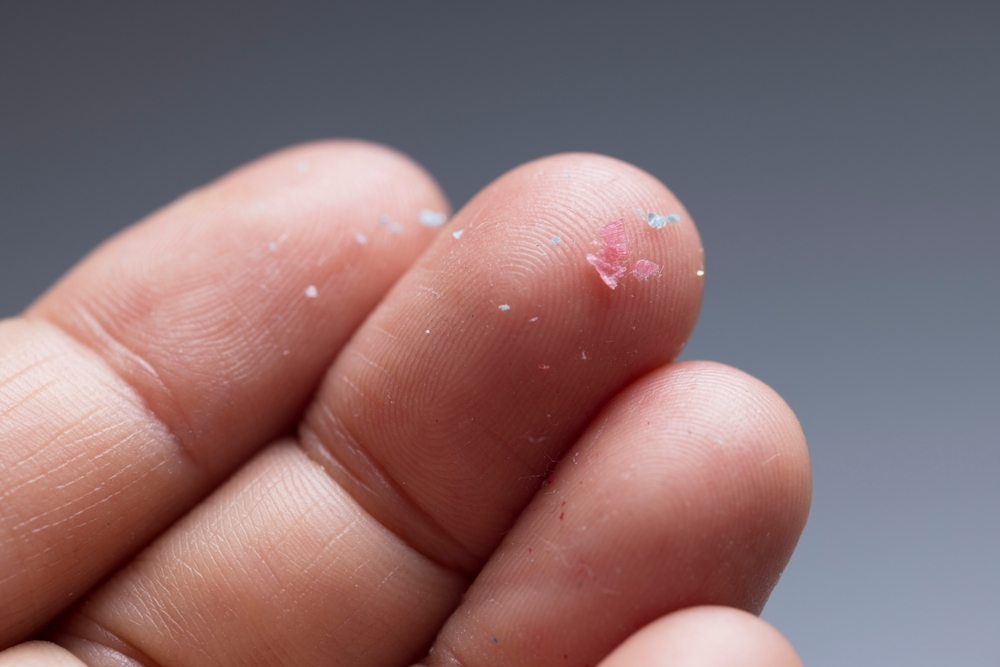
Scientists have identified microplastic particles in blood vessels that supply the brain. This unsettling discovery points to a potential new factor in stroke development.
51 Times More Plastic in Damaged Tissue
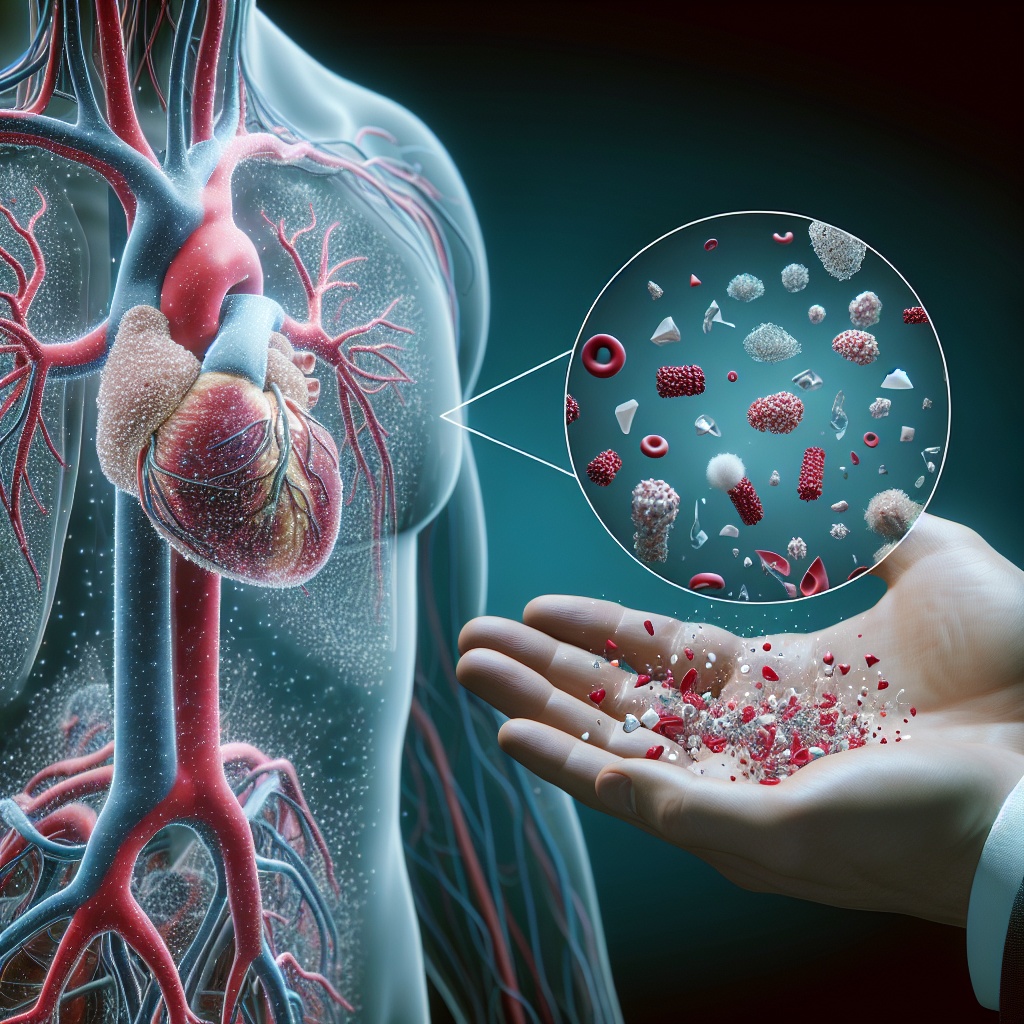
Patients who had experienced stroke-like symptoms showed an astonishing 51-fold increase in micro- and nanoplastics in their arterial plaque compared to healthy tissue samples.
Plastic Particles Embedded in Arterial Plaque

Researchers found that the plastic wasn’t just floating in the blood—it was trapped inside fatty plaque deposits that restrict blood flow and increase the risk of blockage.
2,888 Micrograms of Plastic Per Gram of Plaque
In patients with stroke symptoms, researchers measured up to 2,888 micrograms of plastic per gram of arterial plaque. This was three times higher than in individuals without symptoms.
Everyday Exposure Could Be the Culprit

These plastic fragments don’t appear from nowhere. They come from broken-down packaging, synthetic fibers, and polluted air—making their way into the body through food, water, and even breathing.
Nanoplastics May Pose Greater Risks

Nanoplastics—smaller than 1,000 nanometers—can travel deeper into tissue and cells. While the full impact is unknown, their presence in critical arteries raises serious concerns.
Health Effects Still Unknown, But Troubling

Scientists aren’t ready to declare microplast as a direct cause of strokes, but the high concentrations in affected arteries suggest it may play a more dangerous role than previously thought.
More Plastic, More Dangerous Plaque

The higher the level of plastic particles found in a patient’s arteries, the more unstable and rupture-prone the plaque appeared. This could significantly increase the chance of a stroke.
Stroke Affects Millions Globally

With around 15 million people suffering strokes annually, the potential role of microplastics adds a new and disturbing layer to what we know about cardiovascular risks.
Findings Revealed at Major Heart Conference

The study, led by researchers from the University of New Mexico, was presented at an American Heart Association conference. Although not yet peer-reviewed, it is already sparking global debate.
The article is based on information from Illustreret Videnskab
This article is made and published by Mie Hermansen, who may have used AI in the preparation.