
A recent review of scientific research has revealed a surprising link between what we drink and the health of our hair. Here's what you need to know.
Sugary drinks are linked to hair loss
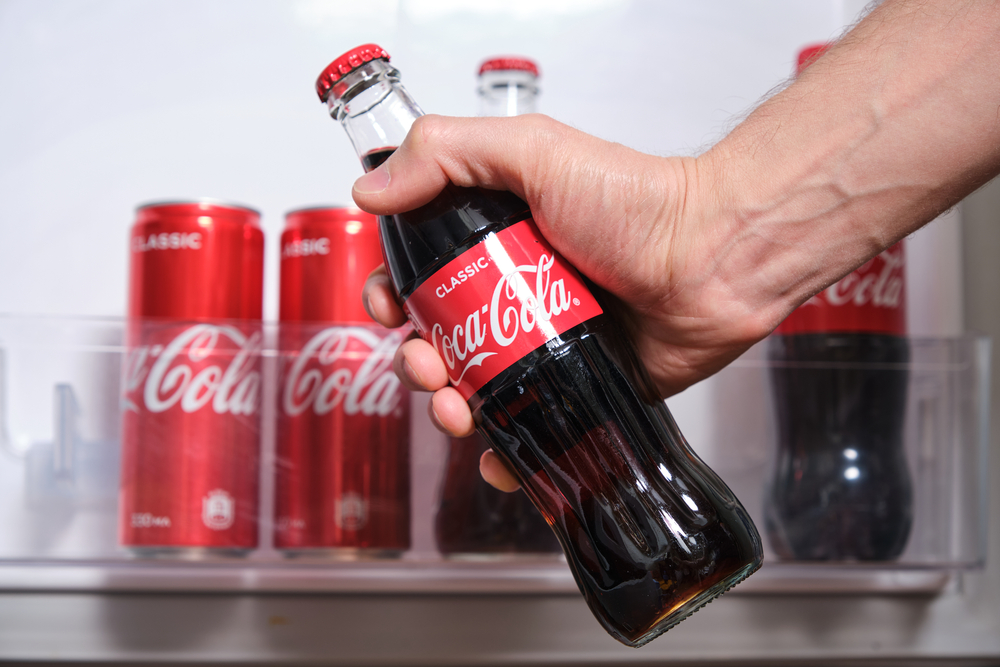
The review found that people who regularly consume sugar-sweetened beverages are more likely to experience hair loss and premature graying.
Excess sugar can disrupt hormones and increase inflammation, which weakens the hair follicles.
Alcohol weakens hair and promotes thinning

Frequent alcohol consumption is also associated with hair thinning and increased shedding.
Also read: This Is The Only Safe Way to Get Rid of Tartar
Alcohol interferes with the body's ability to absorb vital nutrients like iron and zinc, both essential for healthy hair growth.
Vitamin D shows protective effects against alopecia
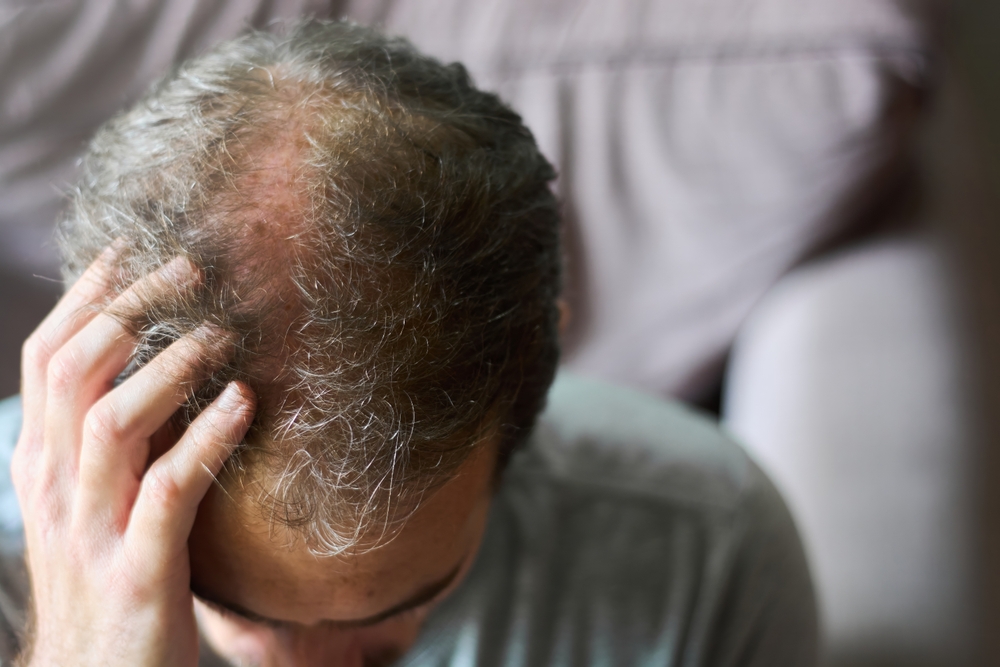
Vitamin D was the most studied nutrient in the review.
Most studies found an inverse relationship between vitamin D levels and the severity of alopecia areata and androgenetic alopecia.
Higher vitamin D may help prevent these types of hair loss.
Also read: Do This Every Morning for a Week to Boost Your Immune System
Iron supports healthy hair growth
One study showed that women with alopecia experienced better hair growth after taking 100 mg of iron daily.
Iron is crucial for cell regeneration and the proper functioning of hair follicle metabolism.
Protein deficiency weakens hair structure
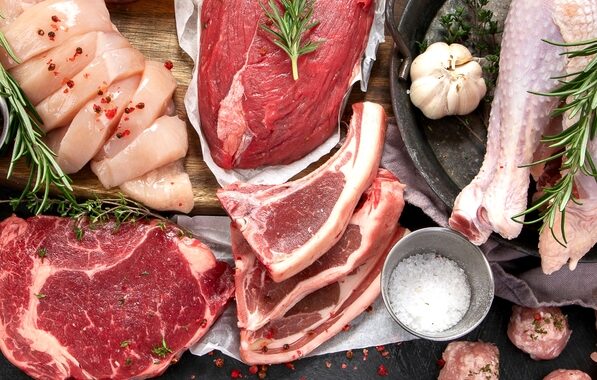
Lack of protein negatively affects the size and pigmentation of the hair bulb.
Since keratin, the main component of hair, is a protein, sufficient intake is vital for strong, healthy strands.
Also read: How to Boost Your Memory Naturally With 3 Simple Habits
Soy products and cruciferous vegetables help reduce hair loss
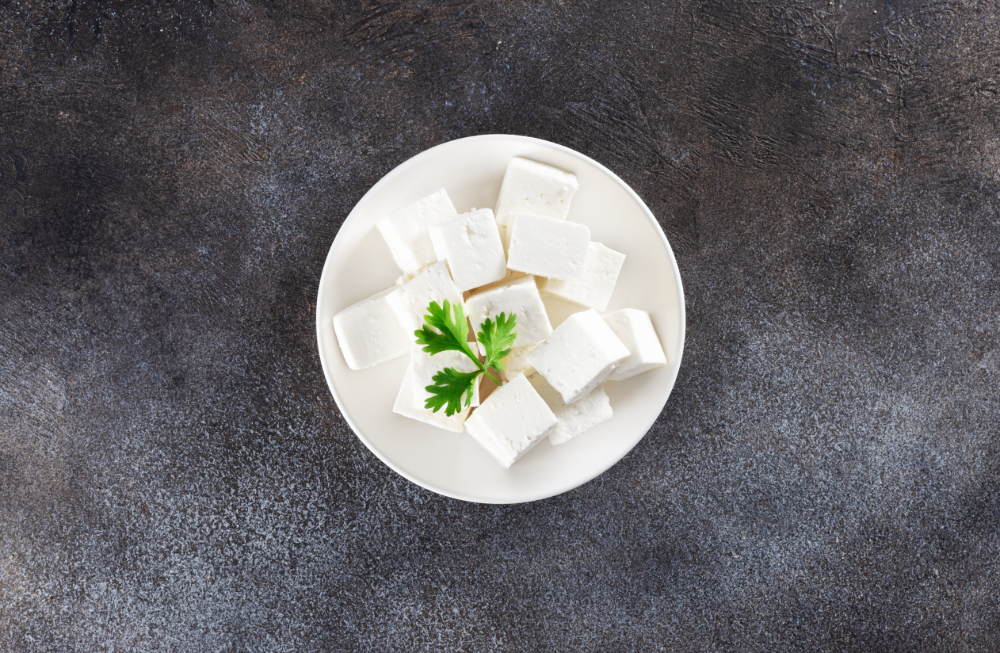
Foods like tofu, broccoli, and cauliflower are rich in antioxidants and anti-inflammatory compounds such as isoflavones and carotenoids.
These may help protect the hair follicles and reduce hair shedding.
Multinutrient supplements improve hair density

Supplements like INVERSION Femme, which combine green tea, grape extract, beta-carotene, zinc, selenium, and various vitamins, showed promising results in promoting hair growth and reducing shedding in multiple studies.
Eggshell membrane and persimmon leaf extract boost hair thickness

Some lesser-known supplements also proved effective.
Also read: These Snacks Could Be Destroying Your and Your Child’s Teeth
Hydrolyzed eggshell membrane and persimmon leaf extract were linked to improved hair density and strand thickness, likely due to their bioactive compounds.
Omega-3s, biotin, and zinc are key for hair health

Experts recommend diets rich in omega-3 fatty acids, biotin, and zinc, found in foods like fish, flaxseed, and nuts.
These nutrients support scalp health and improve hair texture and strength.
Poor diet isn’t always the only reason
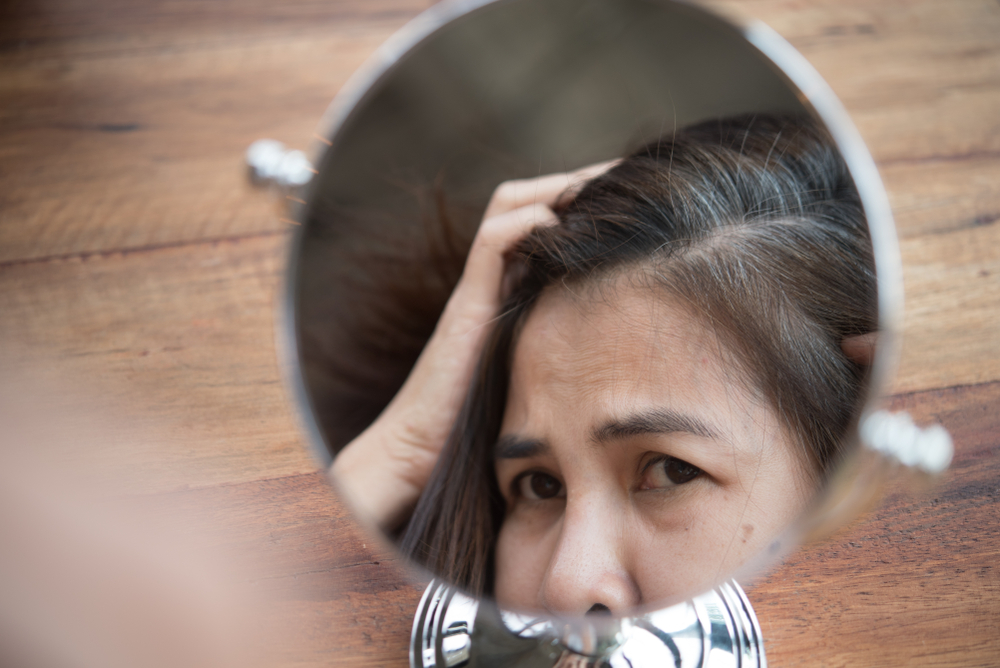
Even if you're eating well, hair loss may stem from genetics, hormonal imbalances, or medical issues.
Also read: New Study Reveals: These Two Things Can Predict Your Baby’s Gender
If diet and supplements don’t help, it's important to consult a dermatologist for early treatment options before the problem worsens.
This article is based on information from Healthline.com.
This article is made and published by Ida-Marie Palm Varbæk, who may have used AI in the preparation.