
Tartar might seem harmless at first glance, but it can quietly wreak havoc in your mouth if left untreated.
We’ve compiled the most important facts every patient should know, directly from a dental expert.
Tartar is more than just a cosmetic issue
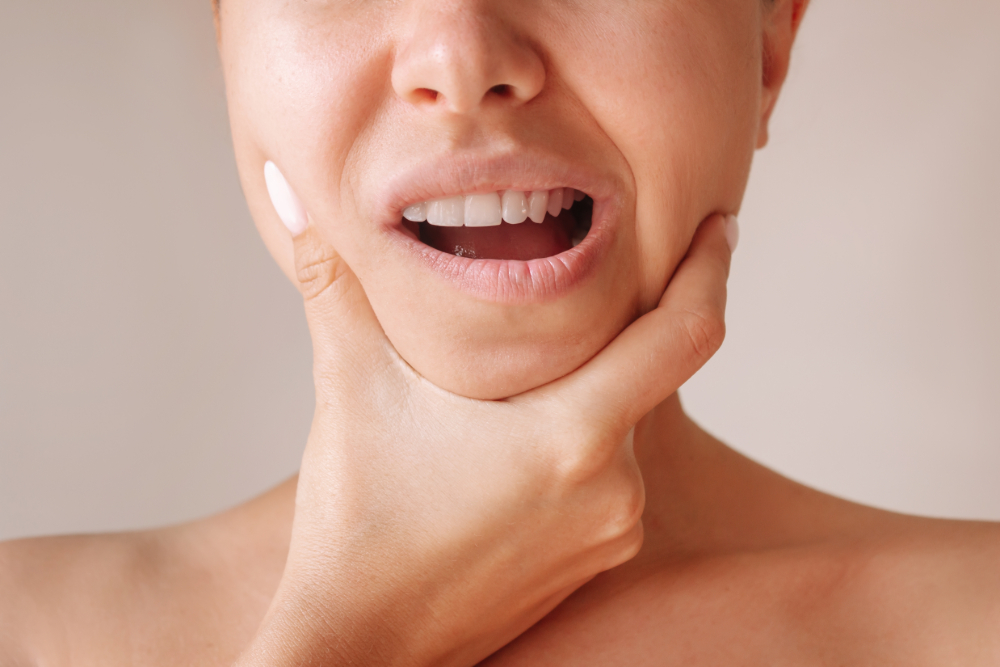
Tartar, or dental calculus, is hardened plaque that forms when bacteria and food residues remain on teeth for too long.
It’s not just unsightly, it can lead to gum inflammation, periodontal disease, and even tooth loss.
Also read: Do This Every Morning for a Week to Boost Your Immune System
Home methods can be dangerous
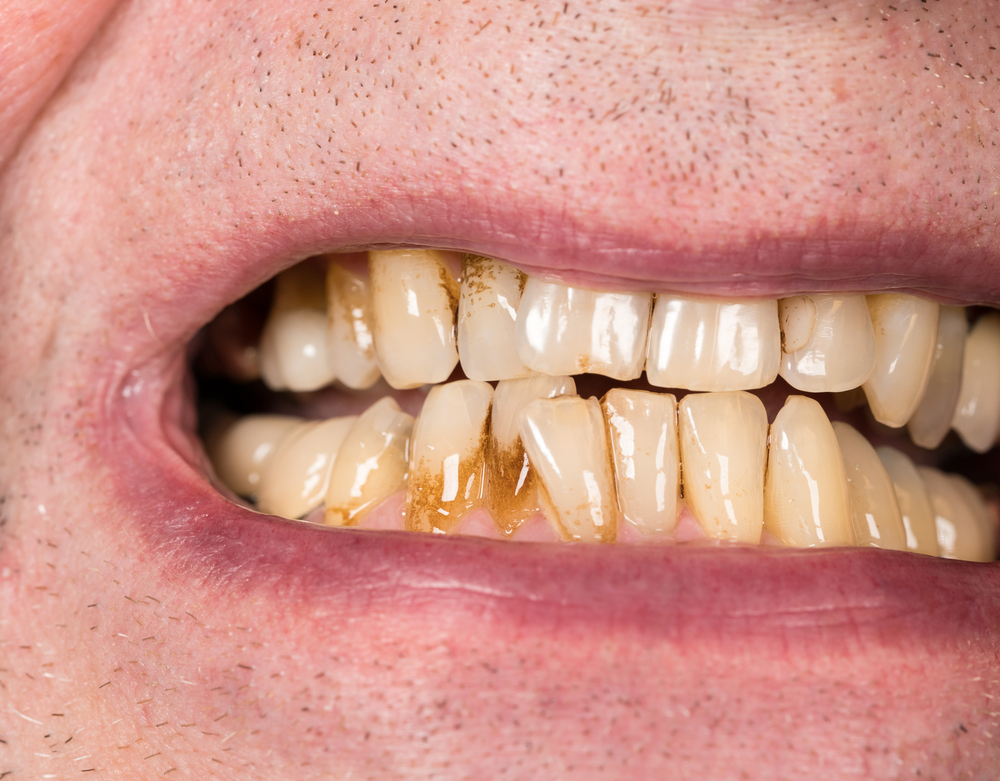
While the internet is full of DIY tartar removal hacks, none of them are safe. In fact, many can cause permanent damage.
Devices like home scalers can scratch enamel and harm the gum attachment.
Only professional scaling can remove tartar safely
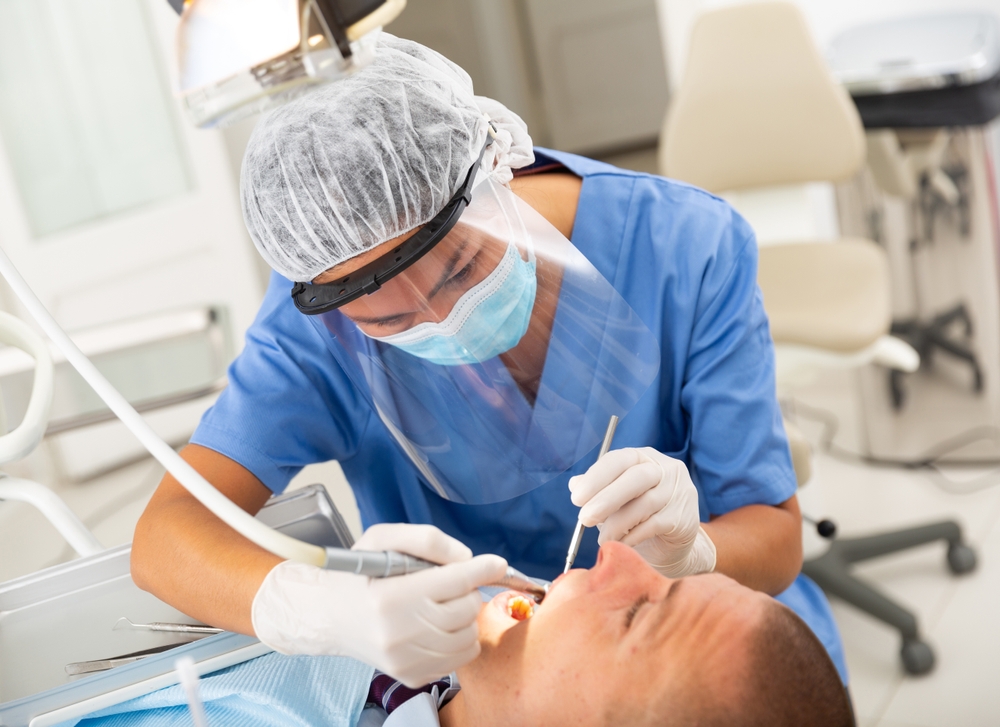
There is no at-home substitute for a dental cleaning.
Tartar can only be safely and effectively removed by a dentist or dental hygienist using ultrasonic tools in a clinical setting.
Also read: How to Boost Your Memory Naturally With 3 Simple Habits
Ultrasonic scaling breaks tartar with precision
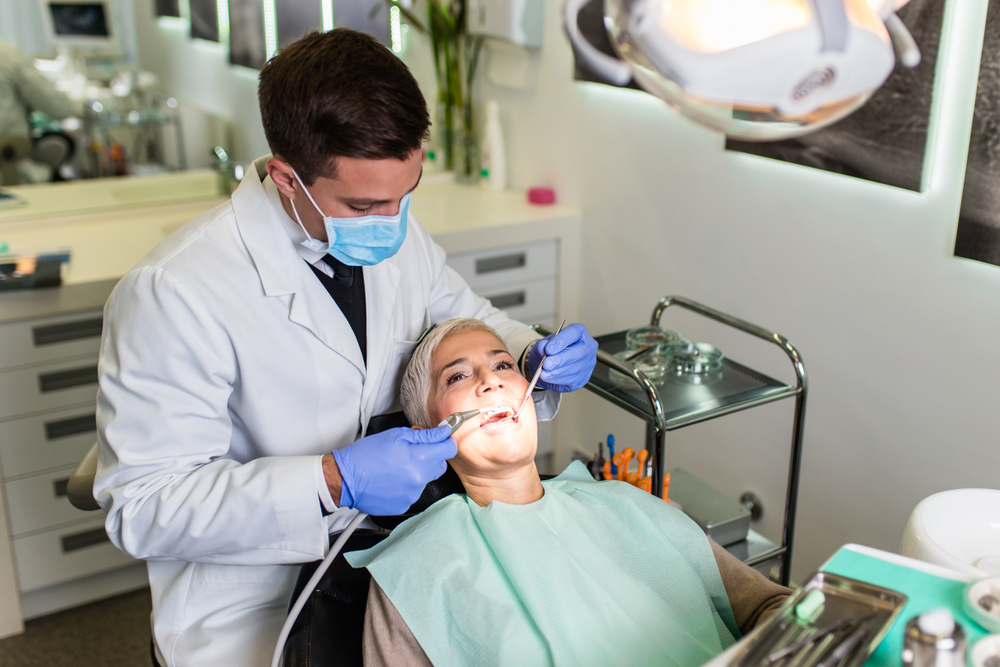
During a professional cleaning, the dental professional uses an ultrasonic scaler that vibrates to break tartar apart.
This process targets both visible deposits and those under the gum line.
Local anesthesia is available for sensitive patients
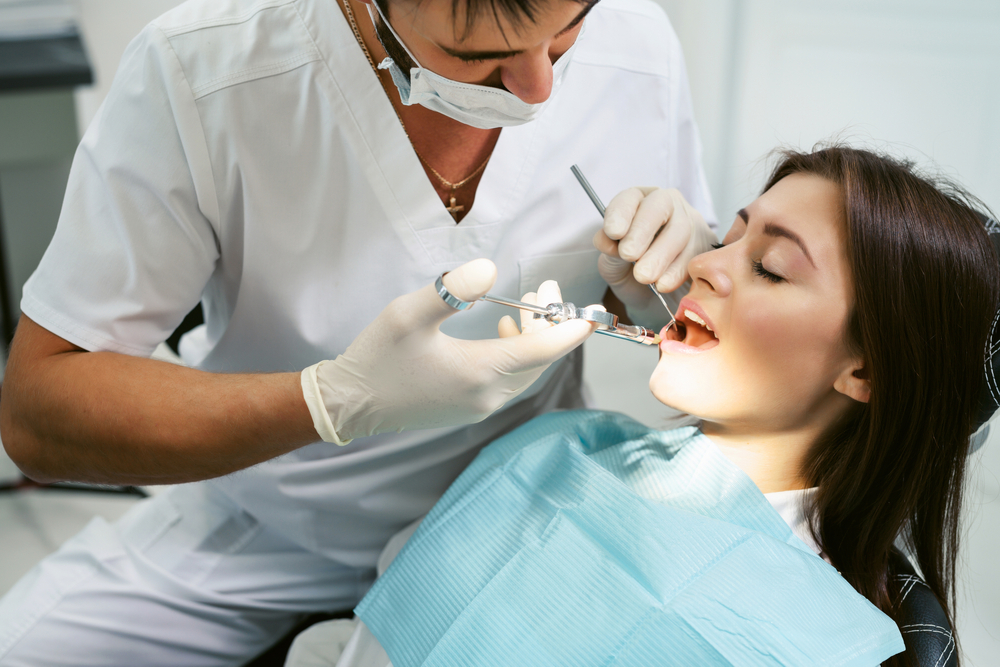
If tartar has built up below the gum line, the procedure might cause discomfort.
In such cases, local anesthesia can be used to ensure the patient stays comfortable during the treatment.
Also read: These Snacks Could Be Destroying Your and Your Child’s Teeth
Good oral hygiene is key to preventing tartar build-up
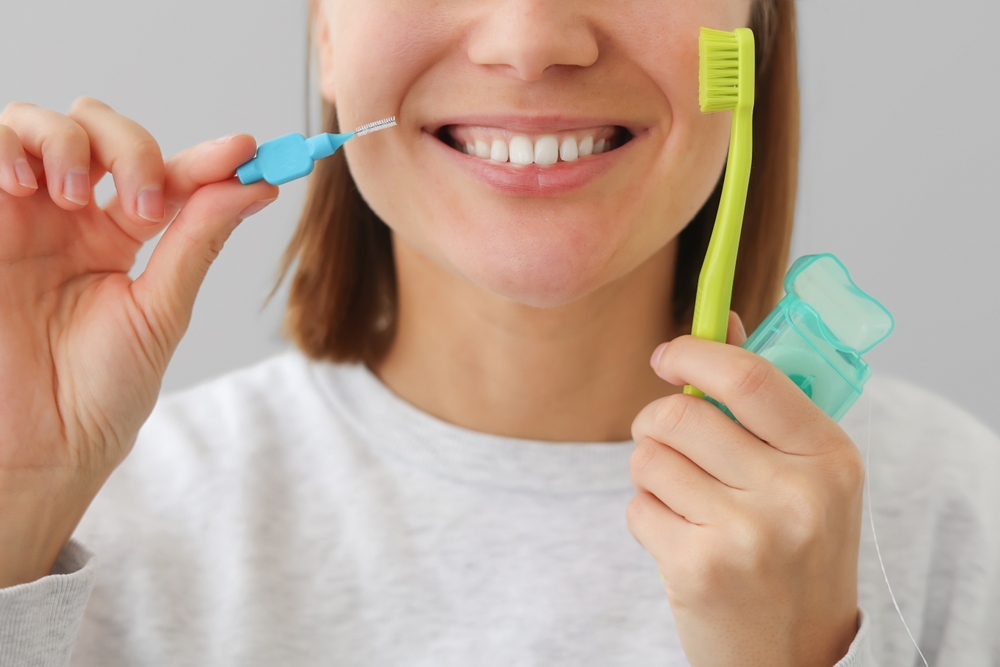
Brushing and flossing at least twice a day remains the foundation of tartar prevention.
Skipping flossing allows plaque to form in hard-to-reach areas, eventually turning into tartar.
Electric and sonic toothbrushes outperform manual ones
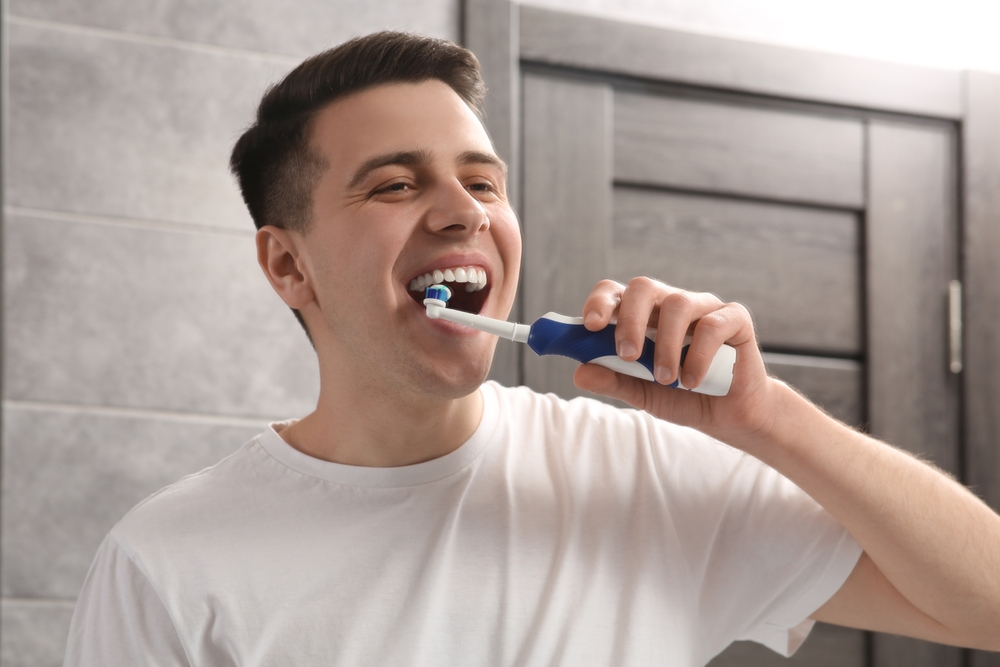
According to dental professionals, electric and sonic brushes are more effective at removing plaque.
Their advanced technology helps clean deeper and more thoroughly, reducing the chances of tartar formation.
Also read: New Study Reveals: These Two Things Can Predict Your Baby’s Gender
Lifestyle choices can speed up tartar formation

Smoking, drinking sugary beverages, and frequent consumption of coffee or tea all contribute to faster tartar build-up.
Nicotine, in particular, restricts blood flow to the gums, making things worse.
Water flossers and mouth rinses are valuable tools
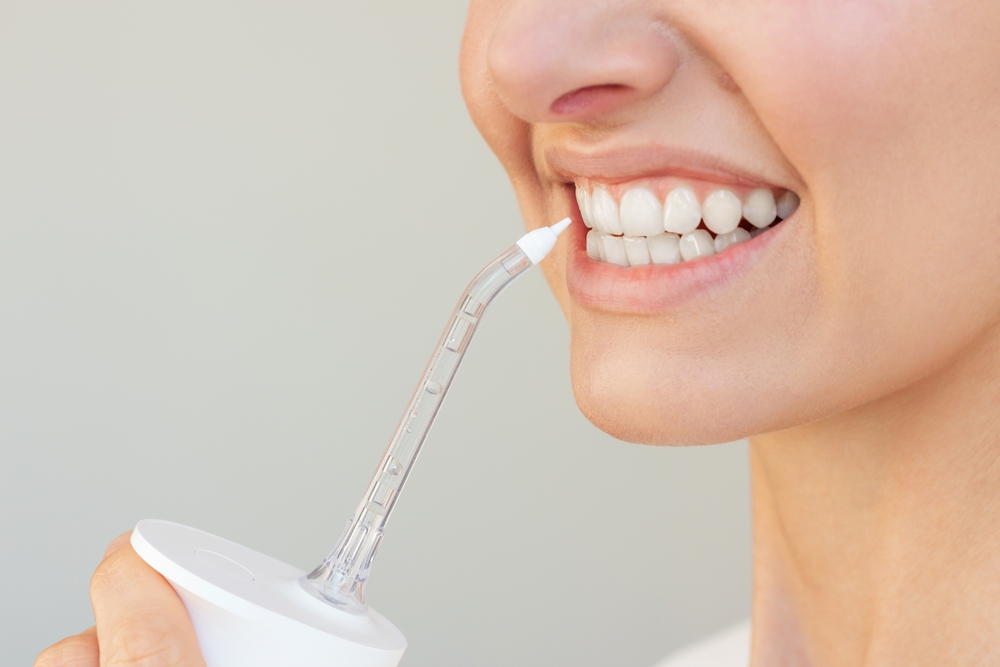
Adding a water flosser to your routine helps clean areas traditional floss may miss. Using a dentist-recommended mouthwash can further reduce plaque and bacteria.
Regular checkups are non-negotiable
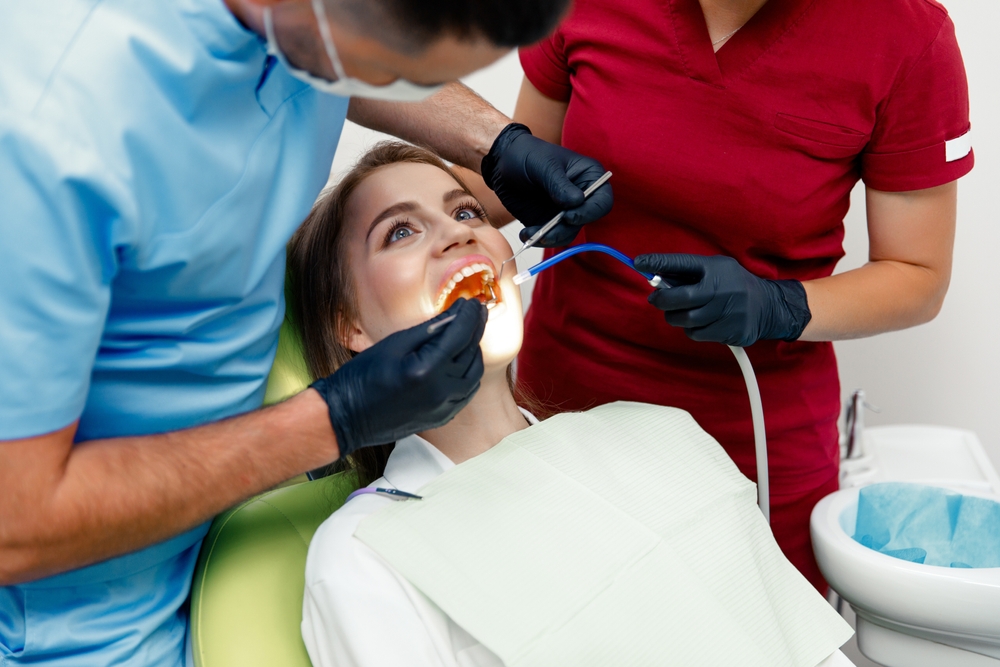
Everyone forms tartar at different rates, so biannual dental visits are crucial.
Also read: What happens to your body when you quit caffeine
These appointments allow for professional cleanings and early detection of any oral health issues.
Tartar won’t fall off on its own
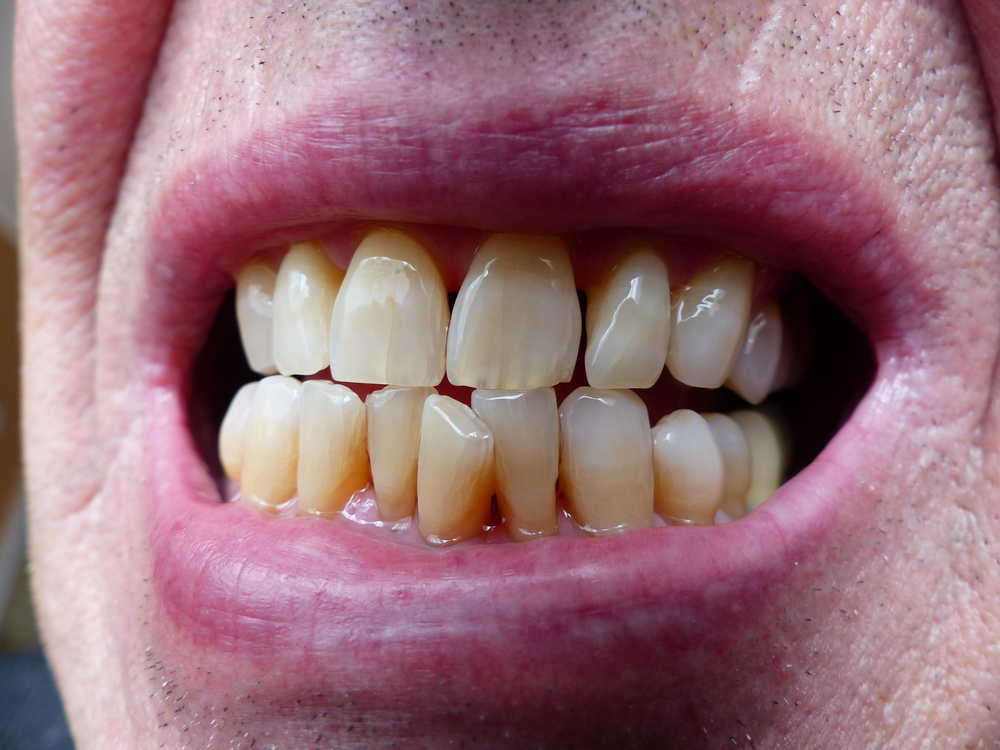
Contrary to popular belief, tartar doesn’t “shed” by itself. Once it hardens, it needs professional intervention.
Waiting too long increases the risk of gum recession and permanent damage.
This article is based on information from Medonet.pl.
This article is made and published by Ida-Marie Palm Varbæk, who may have used AI in the preparation.