
Hantavirus pulmonary syndrome is a rare infectious disease that begins with flu-like symptoms but can quickly become severe.
The disease can affect both the lungs and the heart and may, in the worst cases, become life-threatening, according to Mayo Clinic.
What is hantavirus pulmonary syndrome?

Hantavirus pulmonary syndrome is an infection found in North and South America.
The disease is caused by different types of hantaviruses carried by rodents.
Also read: 39-year-old mother ignored cancer symptoms - now she warns others
The disease often starts like the flu

The first symptoms often resemble the flu. Many people experience fever, chills, headaches, and muscle aches.
Some people also develop stomach problems

In addition to the common symptoms, the disease can also cause nausea, vomiting, stomach pain, and diarrhea.
Symptoms can quickly worsen

After a few days, the disease may become severe and begin affecting both the lungs and the heart.
Coughing and breathing difficulties are warning signs

As the illness worsens, people may develop a cough, low blood pressure, an irregular heartbeat, and difficulty breathing.
Also read: Earlier treatment for heart failure may benefit patients, study finds
The virus spreads from rodents
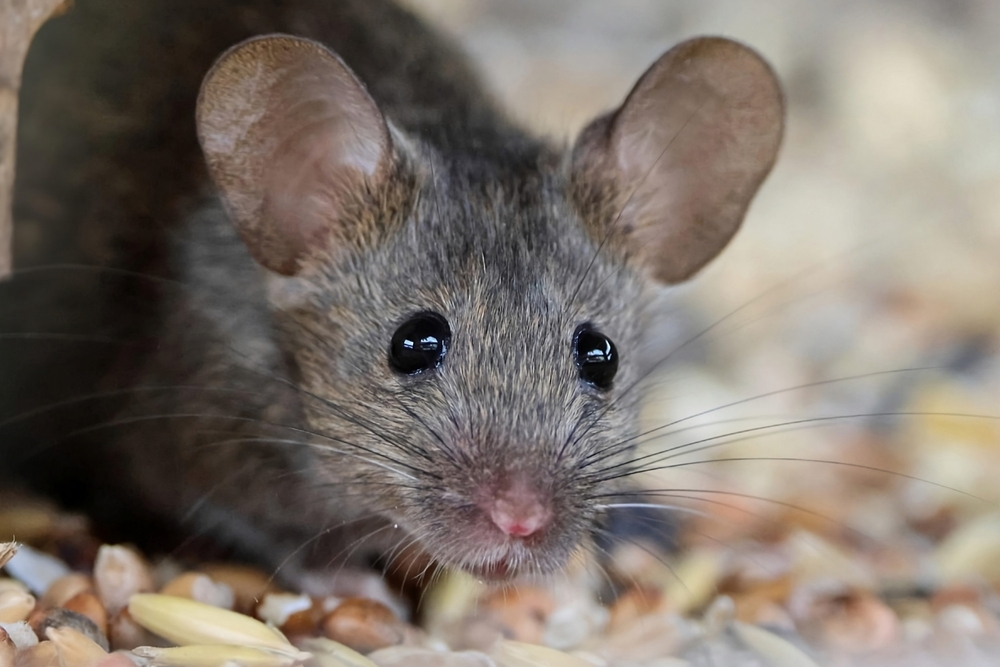
Hantavirus is found in the urine, droppings, and saliva of infected rodents. People are typically infected by inhaling virus particles from contaminated dust.
Deer mice are the most common source of infection
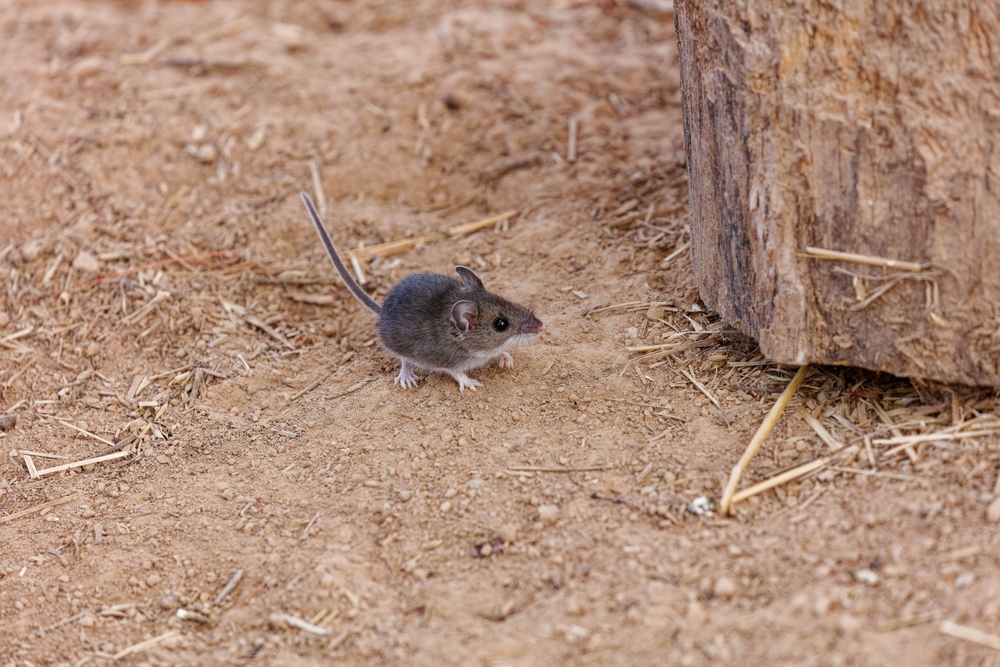
In North America, the deer mouse is the most common carrier of the virus, although other rodents can also spread the disease.
Contaminated food can pose a risk

People can also become infected by eating food that has come into contact with rodent urine, saliva, or droppings.
Contact with contaminated surfaces can spread infection

The virus may spread if someone touches contaminated materials and then touches their mouth, nose, or eyes.
Also read: Can you get rid of your sugar cravings? A new study provides answers
Bites and scratches can transmit the disease
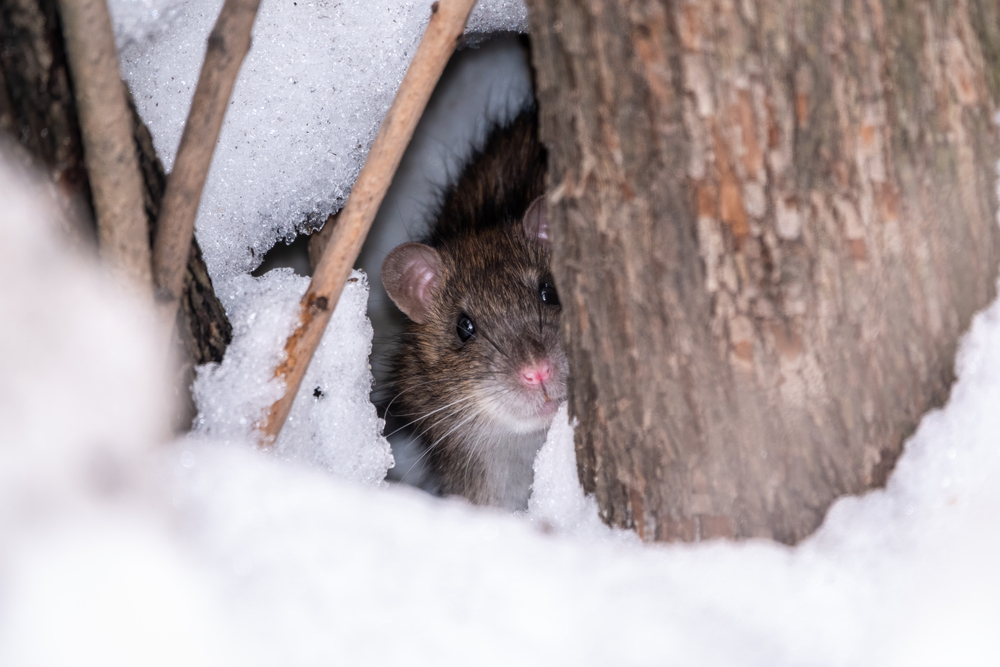
A bite or scratch from an infected rodent may also lead to infection.
The virus can severely damage the lungs

When the virus reaches the lungs, blood vessels may begin leaking fluid. This can lead to serious breathing problems and impaired heart function.
Rural areas carry the highest risk
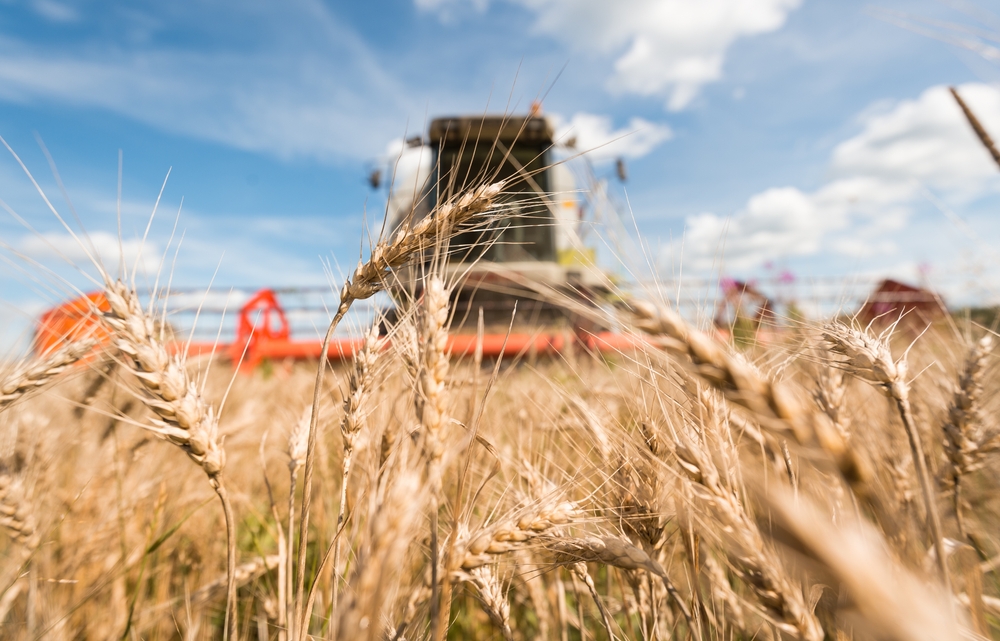
The disease is most often seen in rural areas of the western United States, where people are more likely to come into contact with rodents.
Old buildings can be dangerous
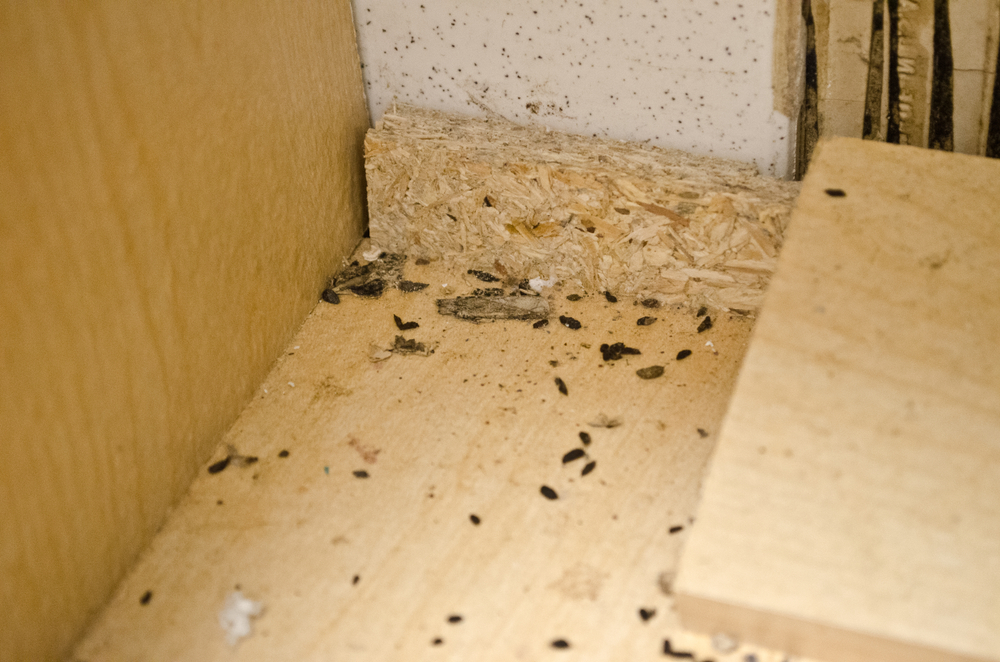
Unused sheds, basements, campers, and cabins may contain rodent nests and droppings, increasing the risk of infection.
Also read: Unplanned medical visit raises questions about Trump’s health
Cleaning without protection increases the risk

Cleaning areas with mouse droppings or nests without gloves and a mask can increase the risk of infection.
The death rate can be high

Some types of hantavirus are extremely serious. The variant linked to deer mice has a mortality rate of between 30 and 50 percent.
Prevention focuses on keeping mice away
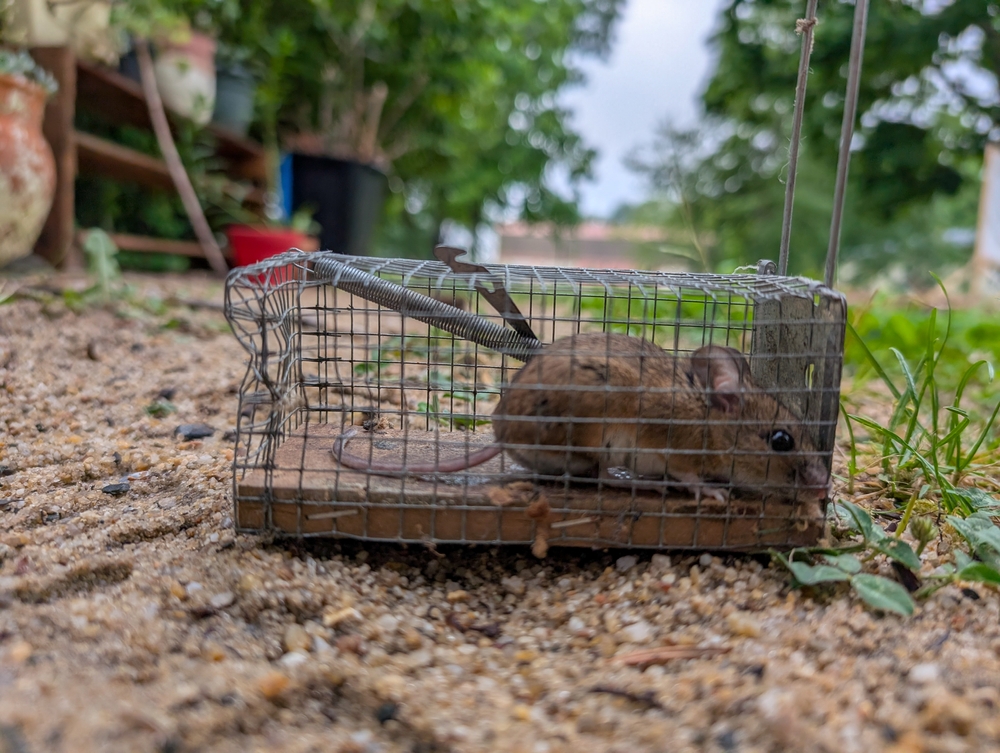
The risk can be reduced by sealing holes in buildings, storing food safely, and removing places where rodents can build nests.
Sources: Mayo Clinic.
Also read: How cheese can affect your blood pressure if you eat it often
This article is made and published by Ida-Marie Palm Varbæk, who may have used AI in the preparation.