
Cheese is a popular food, but its salt and fat content make it relevant when it comes to blood pressure, according to Health.
However, research does not provide a clear-cut answer. Here is what science and experts say about eating cheese daily.
Cheese contains salt and saturated fat
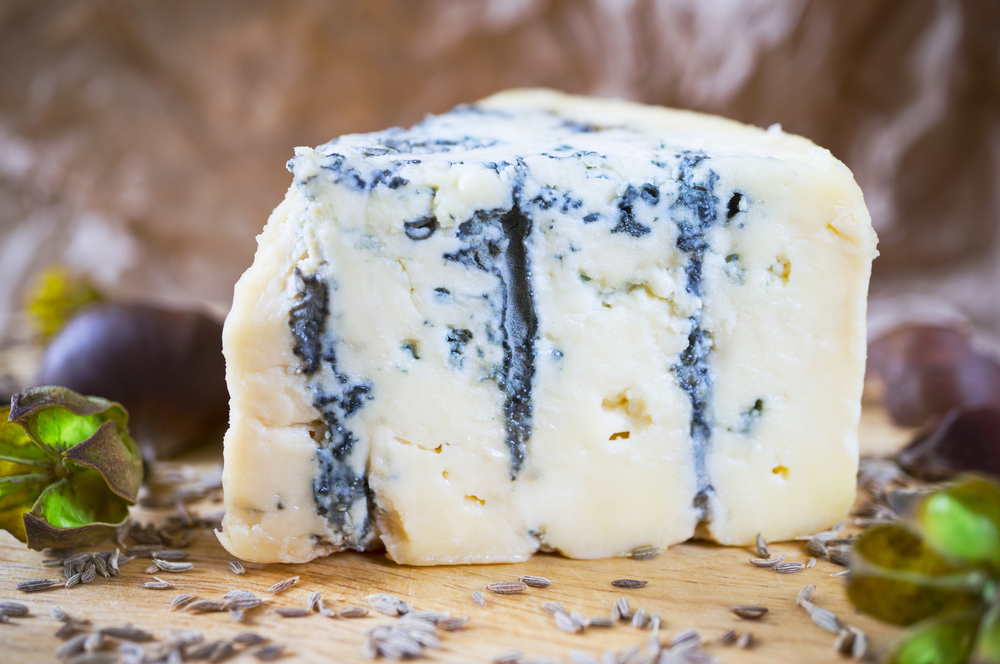
Cheese is high in sodium and saturated fat, both of which are nutrients that may negatively affect blood pressure.
Saturated fat may increase the risk
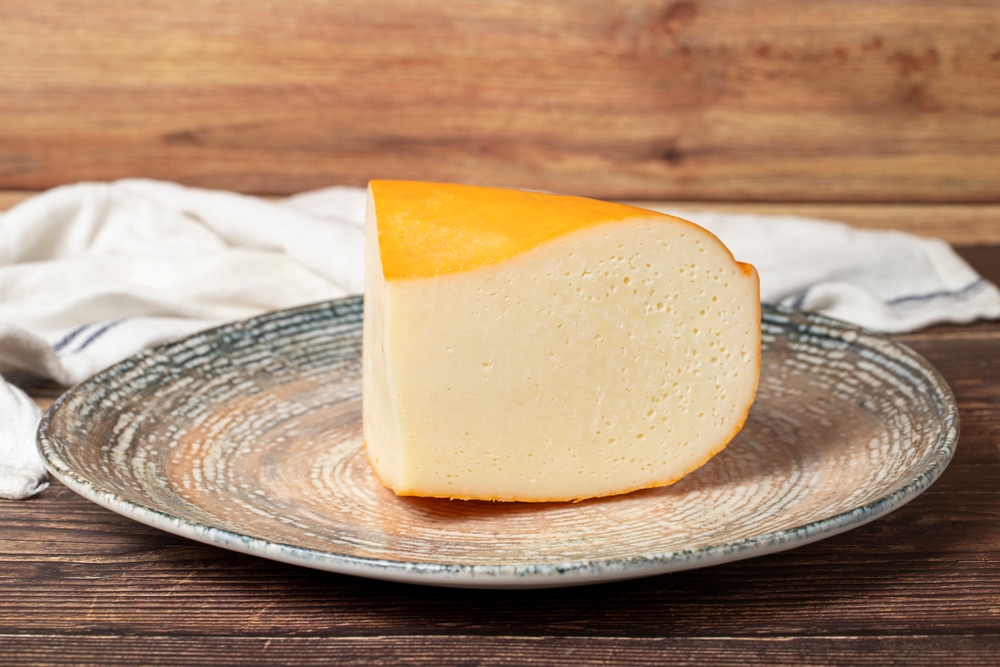
A study published in Frontiers in Nutrition found that saturated fat may raise cholesterol and triglyceride levels, increasing the risk of high blood pressure.
Also read: Elton John says there’s “not much left” after years of surgeries
Salt plays a significant role
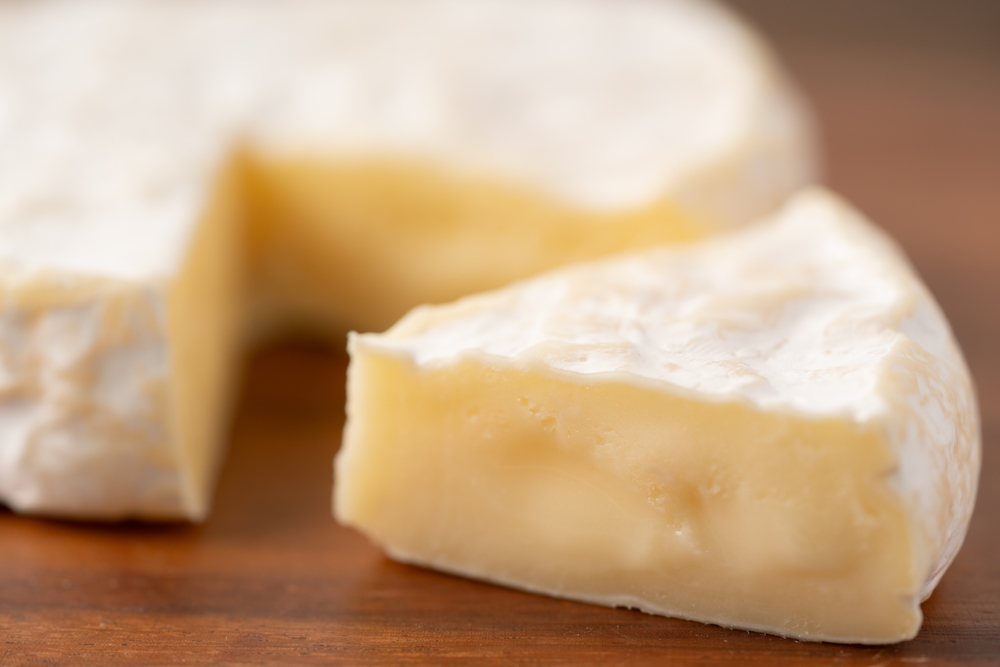
Sodium is known to contribute to hypertension, and cheese is often a significant source of salt in the diet, according to a study published in Nutrients.
Pay extra attention
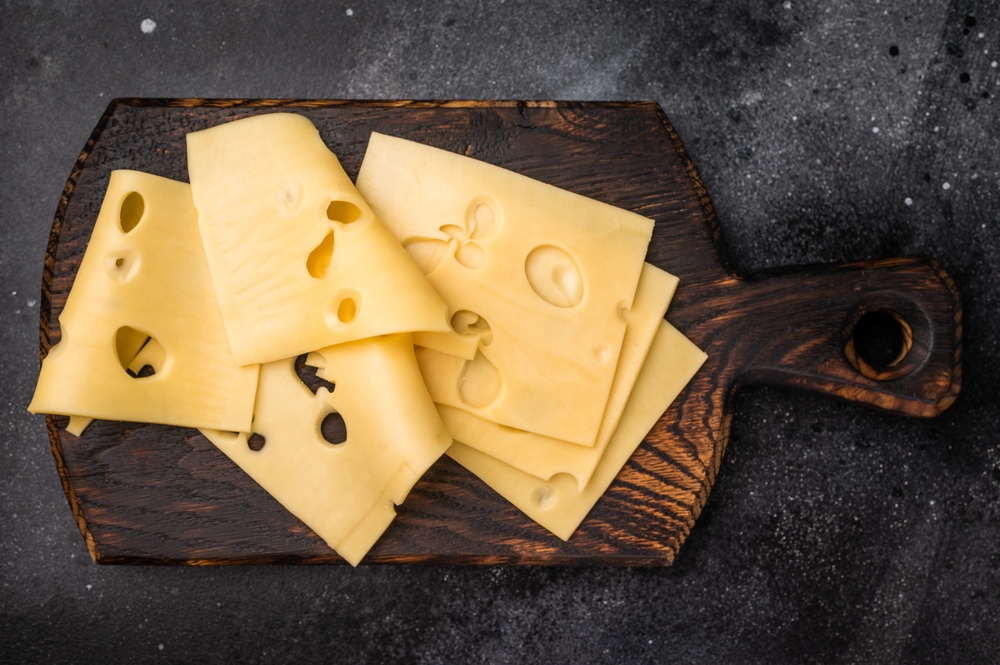
Experts recommend that people with hypertension monitor their intake of both salt and saturated fat.
Excessive intake may affect blood vessels

Consuming large amounts over time may contribute to plaque buildup in the arteries, which can affect heart health.
Recommendations from the American Heart Association

The American Heart Association recommends limiting saturated fat to less than 6 percent of daily calorie intake and sodium to a maximum of 2,300 milligrams per day.
Also read: Analysis of 20,000 participants raises doubts about the effectiveness of Alzheimer’s medication
The research is not conclusive
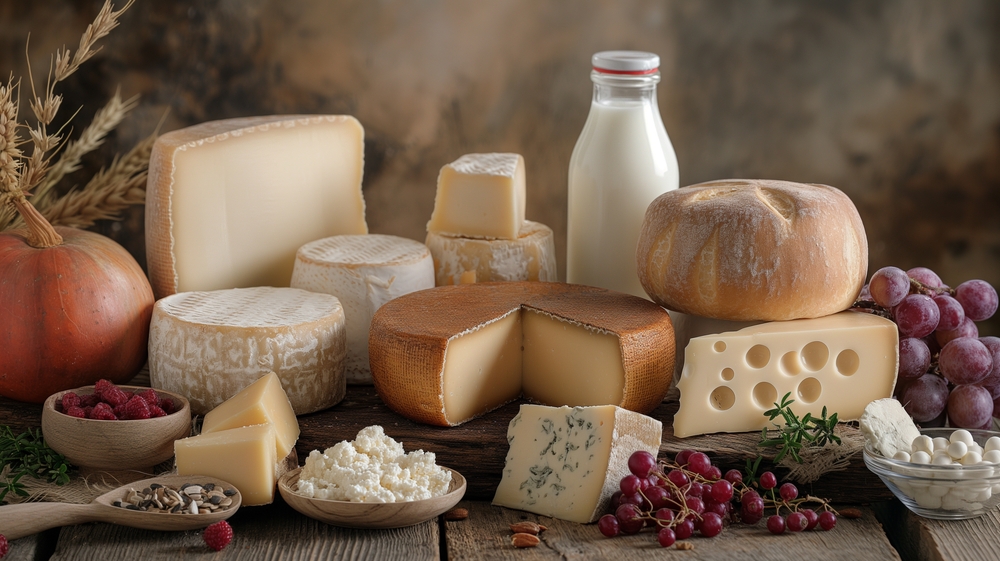
While some studies point to negative effects, others — such as a study published in the Journal of Dairy Science — suggest that cheese does not necessarily increase blood pressure.
Cheese does not necessarily affect cholesterol
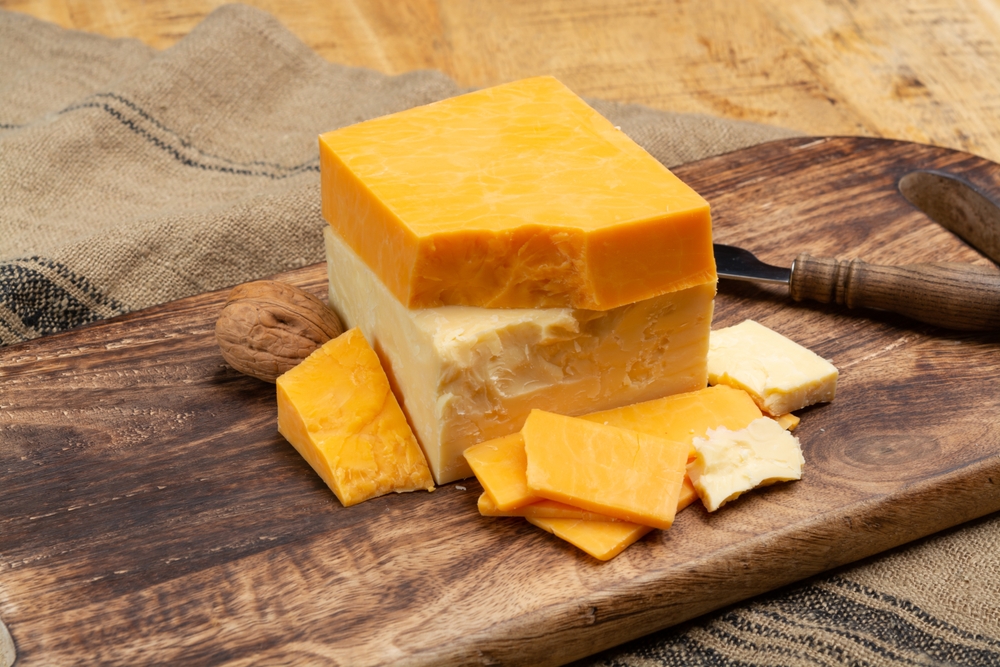
A 2018 study published in the Journal of Dairy Science found that even a high intake of cheese did not change levels of either good or bad cholesterol in the short term.
Fat content may matter
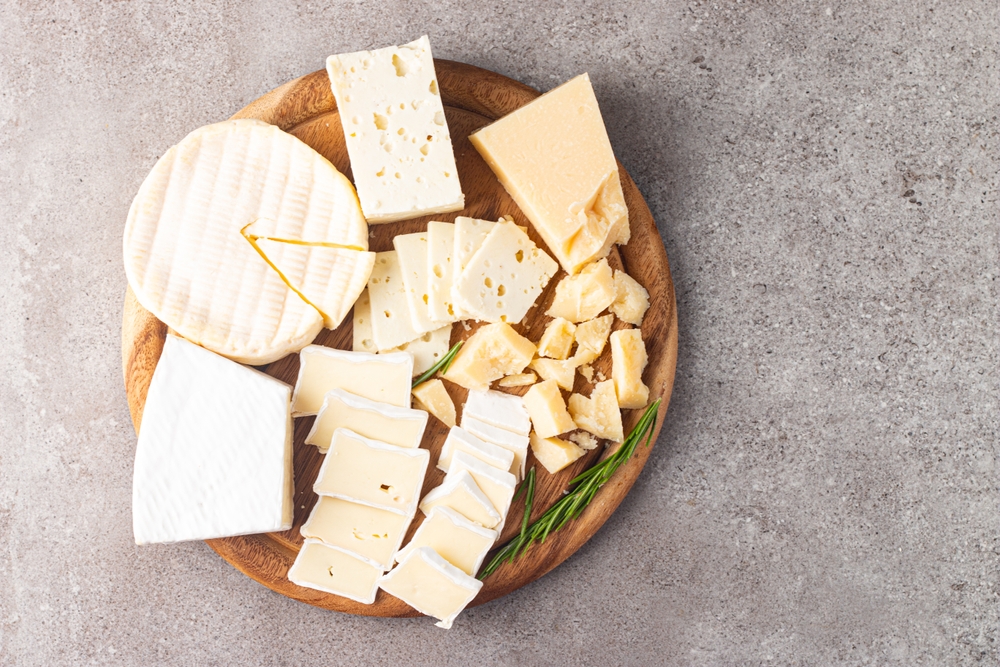
Cheese comes in different fat levels, and choosing the right type may be relevant depending on individual needs.
Full-fat dairy products show no negative effect

More recent research published in Advances in Nutrition found that full-fat dairy products do not necessarily harm cardiovascular health.
Also read: How to avoid excess liquid when frying mushrooms
The overall composition of the food matters
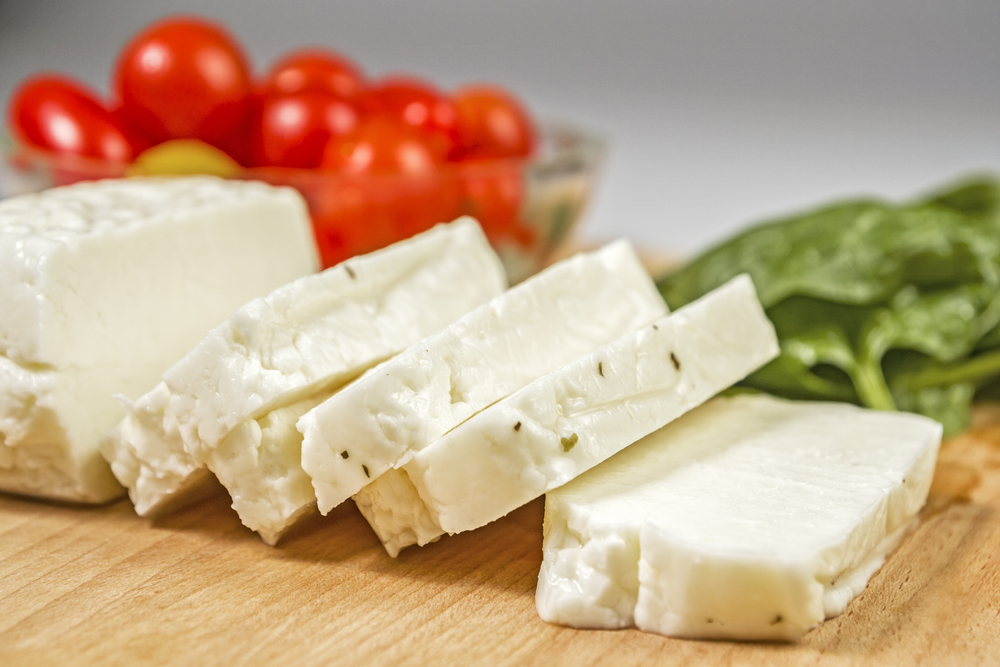
Researchers point out that the nutrients in cheese interact in ways that may counteract some of the negative effects.
Quantity is crucial
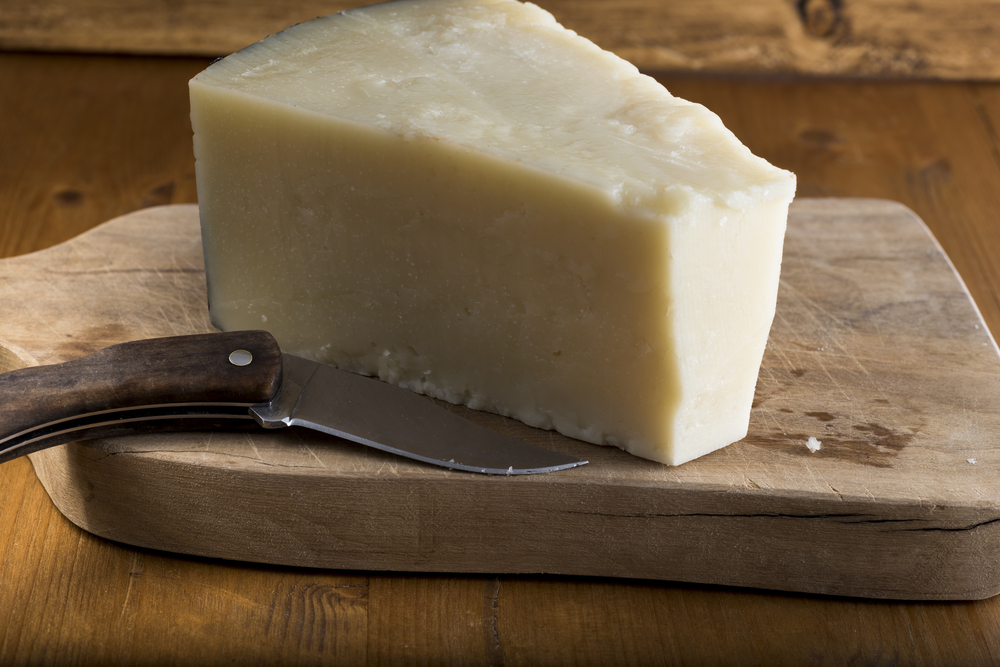
Experts emphasize that the most important thing is to eat cheese in moderation rather than avoiding it entirely.
Around 40 grams per day may be appropriate
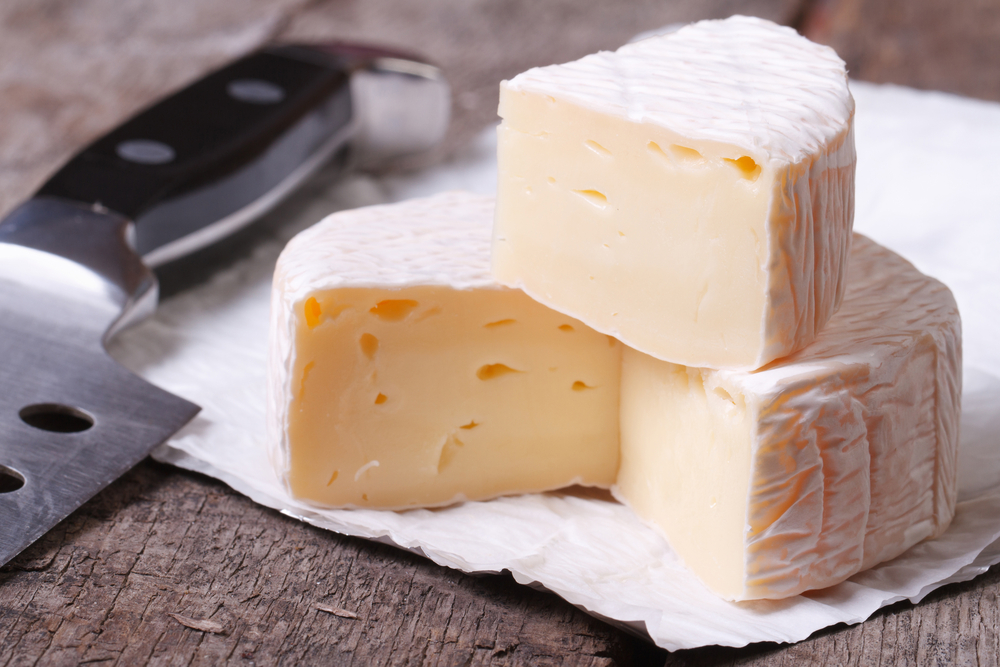
A larger analysis published in Advances in Nutrition found that around 40 grams of cheese per day may have neutral or positive effects on heart health.
Portion control is recommended
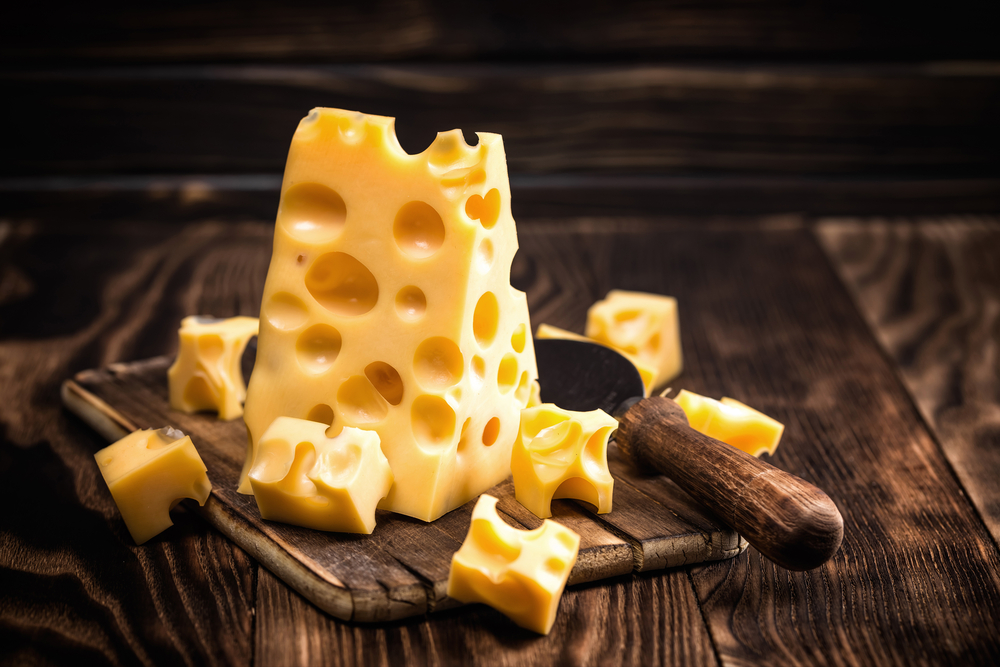
A suitable serving is approximately 30 grams, which is about the size of a thumb or four dice.
Also read: This happens in your body if you eat more protein than carbs
Processed cheese should be limited

Products such as processed cheese spreads and cheese slices often contain particularly high levels of sodium.
Some cheeses contain less saturated fat
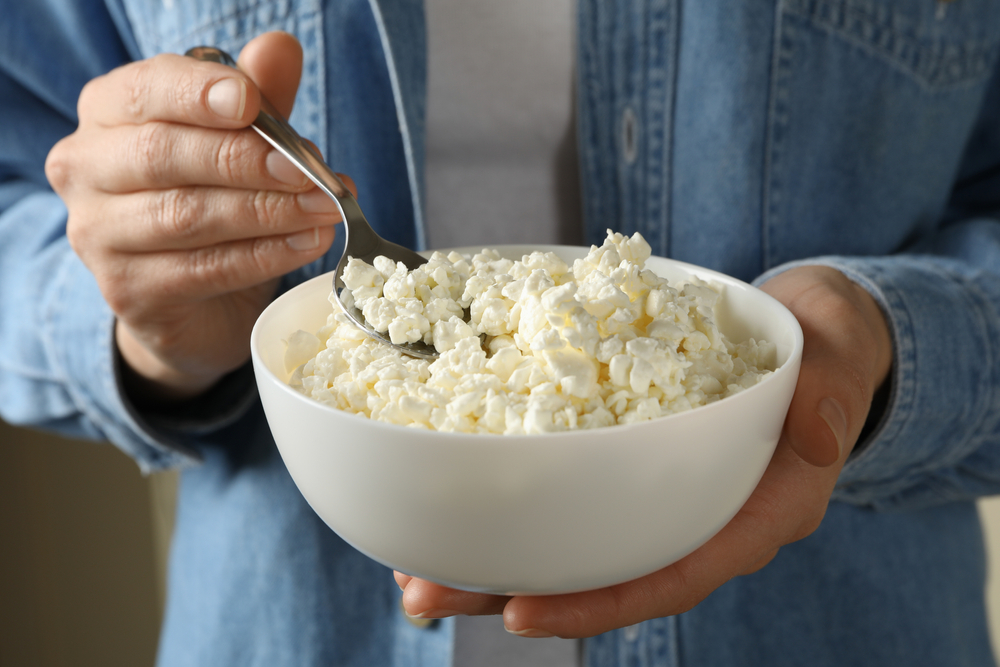
Fresh and soft cheeses such as cottage cheese, ricotta, and mozzarella typically contain less saturated fat.
Pairing cheese with other foods

Eating cheese together with potassium-rich foods such as bananas, oranges, and tomatoes may help support healthy blood pressure.
Cheese should be seen as part of an overall diet
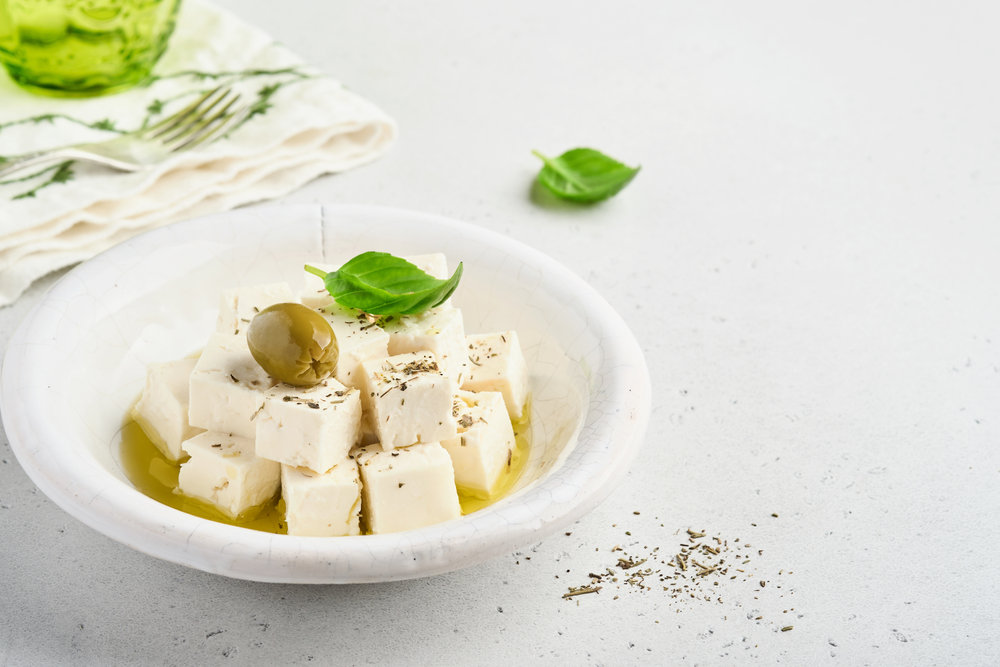
A diet rich in fruit, vegetables, whole grains, and healthy fats makes it possible to include smaller amounts of cheese without issue.
Also read: Pepsi Max may be linked to faster cognitive decline
Sources: Health.com, Frontiers in Nutrition, Nutrients, American Heart Association, Journal of Dairy Science, and Advances in Nutrition.
This article is made and published by Ida-Marie Palm Varbæk, who may have used AI in the preparation.