
A diet high in protein and lower in carbohydrates can affect energy levels, satiety, and overall health.
The effects depend on how the diet is structured and who follows it, according to Health.
Your energy levels may fluctuate

Carbohydrates are the body’s preferred source of energy and are quickly converted into glucose.
Protein can also be used for energy, but the process is slower and less efficient, which may affect both performance and concentration.
Also read: Pepsi Max may be linked to faster cognitive decline
You may experience more stable energy

A higher protein intake can lead to fewer sudden energy drops and reduced hunger between meals.
This can create a more consistent sense of energy throughout the day.
You feel fuller for longer

Protein provides greater satiety than carbohydrates and fats when comparing calorie for calorie.
This may reduce sugar cravings and help lower overall calorie intake, which can support weight loss.
Also read: Research: Timing of your meals may affect your weight
Your digestion may be affected

Fiber is only found in carbohydrate-rich foods such as fruits, vegetables, and whole grains.
If you consume more protein without enough fiber, it may lead to constipation and bloating, according to a study published in Neurogastroenterology & Motility.
Your gut health may decline
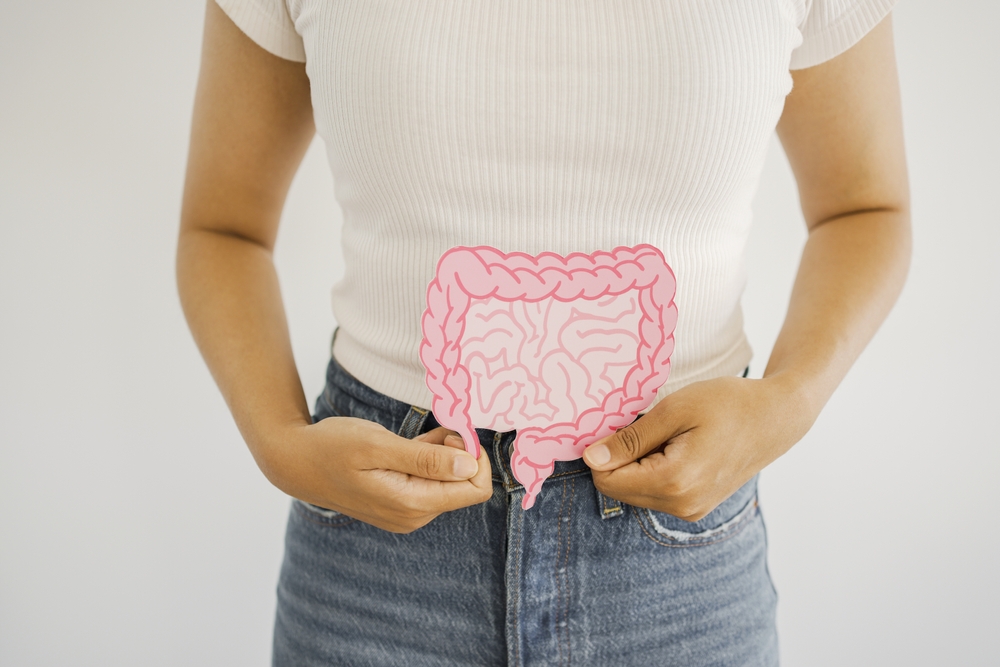
A lack of fiber can negatively affect gut function and disease prevention, as fiber plays an important role in digestion, according to a study published in Food Research International.
You may feel tired and unfocused

If carbohydrate intake becomes too low, it can lead to fatigue, irritability, and mental fog, especially during demanding tasks or intense exercise.
Also read: 870 dietitians reveal the healthiest foods right now
Your insulin sensitivity may improve

A higher protein intake can improve the body’s ability to regulate insulin, which is important for preventing or managing type 2 diabetes and metabolic disorders, according to a study published in Nutrients.
Your blood sugar may become more stable

Fewer carbohydrates can reduce fluctuations in blood sugar levels. A protein-rich diet may therefore help decrease both the frequency and intensity of blood sugar spikes.
Your kidneys may be strained
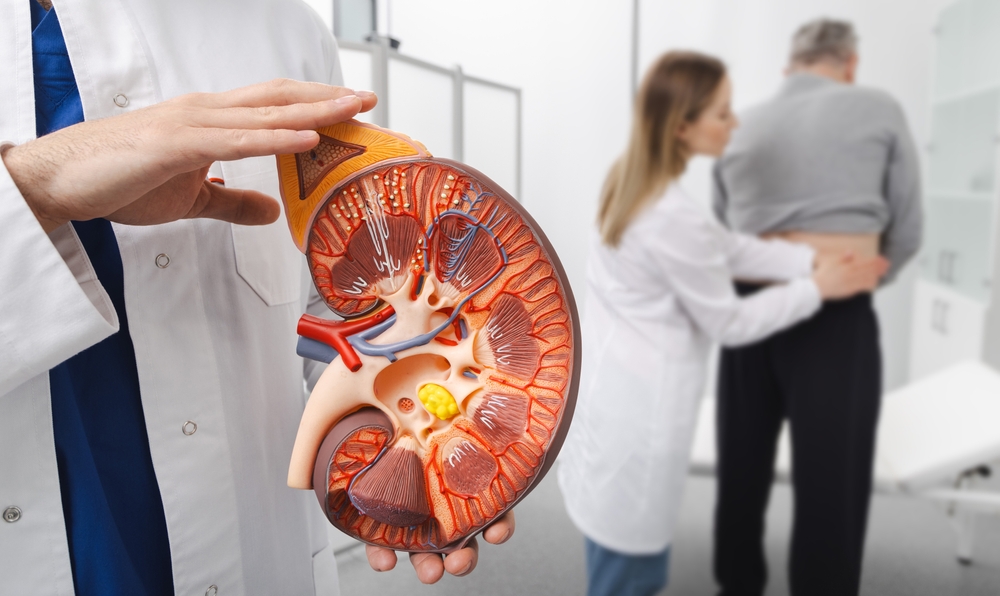
Excess protein is filtered through the kidneys. A very high protein intake may therefore place strain on the kidneys, especially in individuals with existing kidney conditions, according to a study published in the Journal of the American Society of Nephrology.
You may achieve better training results

Protein is used for muscle building and repair. Combined with strength training, it can lead to increased muscle mass while reducing fat.
Also read: Do you take omega-3? Research explains who actually benefits from it
Certain groups may benefit more from this diet

Older adults, people with type 2 diabetes, individuals aiming for weight loss, and strength athletes may benefit from a protein-rich, lower-carbohydrate diet.
Exercise caution

People with kidney disease, digestive issues, a need for a high-fiber diet, endurance athletes, and individuals prone to eating disorders should be cautious.
It is about balance in your diet

The goal is not to eliminate carbohydrates entirely, but to choose high-quality sources.
Fiber-rich carbohydrates and natural protein sources should be prioritized to maintain energy and overall health.
Also read: Can your lungs recover after smoking? A doctor has the answer
Fat also plays an important role

Healthy fat sources such as avocado, nuts, seeds, and oils are essential for a balanced diet and can help reduce inflammation.
Sources: Health, Neurogastroenterology & Motility, and Food Research International.
This article is made and published by Ida-Marie Palm Varbæk, who may have used AI in the preparation.