
Home Blog Page 344

Do You Frequently Take Paracetamol? New Research Reveals Hidden Risks

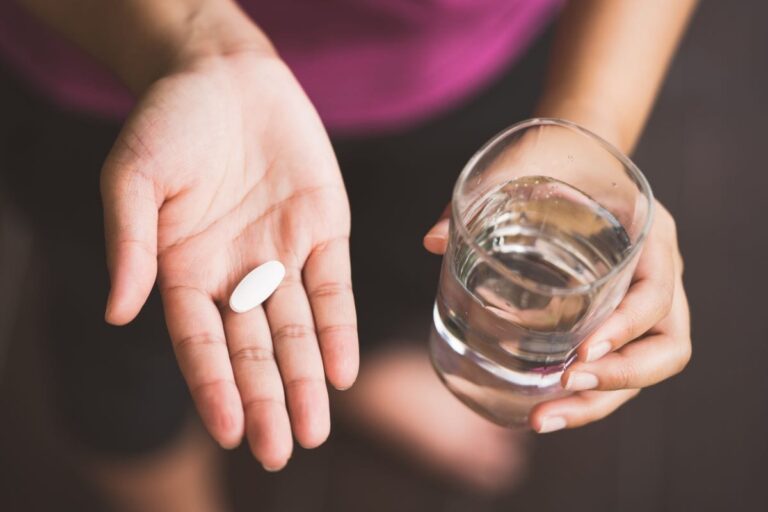
Most people have reached for a pain relief pill on a bad day. Paracetamol, the most common painkiller, is often a quick solution for headaches, fever, or sore muscles.

For many, it has become so routine that we no longer think about whether it could have side effects.

When Frequent Use Becomes a Problem

Paracetamol is known as a reliable remedy for pain and fever. However, new research reveals that regular use, especially among older adults, can lead to serious health issues.

The study, which analyzed health data from over 180,000 individuals aged 65 and older, highlights an increased risk of stomach ulcers, heart problems, and chronic kidney disease among frequent paracetamol users.

Researchers point out that the drug has long been recommended as the first choice for chronic pain such as osteoarthritis. They now warn that the benefits may be smaller than previously thought, especially when used long-term.

What Does the Research Show?

The new study has identified several risks associated with frequent paracetamol use:

  • Increased Risk of Stomach Ulcers and Bleeding: Regular use can damage the stomach lining.
  • High Blood Pressure and Heart Failure: Paracetamol can affect the cardiovascular system, particularly in older adults.
  • Chronic Kidney Disease: Long-term use can strain the kidneys, increasing the risk of permanent damage.

These risks highlight the need to reconsider how and how often paracetamol is used, particularly as part of chronic pain management.

How to Use Paracetamol Safely

If you frequently take paracetamol, here are some steps you can take to protect your health:

  • Always follow the recommended dose and do not exceed 4 grams per day.
  • Be aware of other products that may contain paracetamol, such as cough syrups or cold medications.
  • Speak with your doctor about alternative treatment options if you use paracetamol for chronic pain.

Paracetamol can still be a safe option for occasional use, but it’s crucial to take the risks of long-term use seriously.

By paying attention to your body’s signals and following recommendations, you can avoid severe complications and take better care of your health.

This article is based on information from Medical Daily.
Can Your Diet Destroy Your Muscles? What You Need to Know

Imagine you’ve been working hard at the gym all week. You feel stronger, more energetic, and you’re confident that all your hard work will soon pay off. Then you grab a quick snack or a ready-made meal because it’s easy and convenient. Sound familiar? This is precisely where the problem begins.

Why Your Diet Matters More Than You Think

New research suggests that ultra-processed foods could have a surprisingly negative impact on your muscles.

We’re not just talking about the visible fat on the outside, but also fat that can accumulate within your muscles. This can make them less efficient and, over time, weaken your strength and mobility.

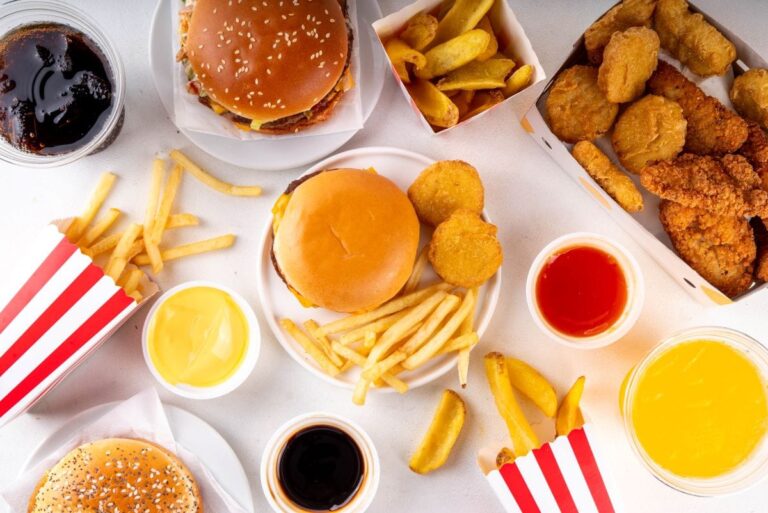
Processed foods like chips, soda, ready meals, and sugary snacks aren’t just empty calories.

They’re packed with additives, sugars, and fats that, according to research, can contribute to fat buildup in muscle tissue.

It might sound harmless, but over time, it can increase your risk of chronic diseases such as type 2 diabetes and osteoarthritis.

What You Can Do for Your Muscles

Want to ensure your diet supports your workouts rather than undermining them? Here are some simple steps to help protect your muscles and maintain your strength:

  • Prioritize Protein: Make sure your meals include lean protein sources like chicken, fish, eggs, or beans.
  • Go Natural: Choose minimally processed foods such as vegetables, fruits, whole grains, and nuts.
  • Stay Active: Strength training and regular exercise not only build muscles but can also reduce fat within them.
  • Think Before You Snack: Consider whether that quick snack is truly worth it or if there’s a healthier alternative.

Where Does the Research Come From?

The research highlighting the connection between ultra-processed foods and muscle quality was presented at the annual meeting of the Radiological Society of North America.

In the study, 666 individuals aged 45-79 were examined for their dietary habits and muscle quality.

Interestingly, the link between a diet high in ultra-processed foods and poorer muscle quality was found to be independent of the participants’ weight, activity levels, or calorie intake.

Small Changes, Big Results

Your diet doesn’t have to be perfect, but it’s about finding a balance that supports your body rather than working against it.

It can be tempting to opt for the quick and easy choice after a long day, but think of it as an investment in your future strength and health.

Your muscles will thank you – both now and in the long run.

This article is based on information from Health.