Home Blog Page 354

New Research Reveals: These Foods Boost Liver Health

A new study shows that certain foods and beverages rich in flavonoids can reduce the risk of fatty liver and improve liver health. Here are five foods that can help your liver.

Green and Black Tea

Coffee Tea” af Lia Leslie/ CC0 1.0

Tea, especially green and black varieties, is among the best sources of flavonoids. The study indicates that tea can reduce the risk of fatty liver by 14%. Just one cup of tea a day can make a significant difference.

Apples

Bowl Apples” af Barn Images/ CC0 1.0

Rich in flavonoids, apples were associated with a 22% reduction in the risk of fatty liver in the study. Add them as a snack or include them in your breakfast to give your liver a boost.

Dark Chocolate
Free dark chocolate bar photo“/ CC0 1.0

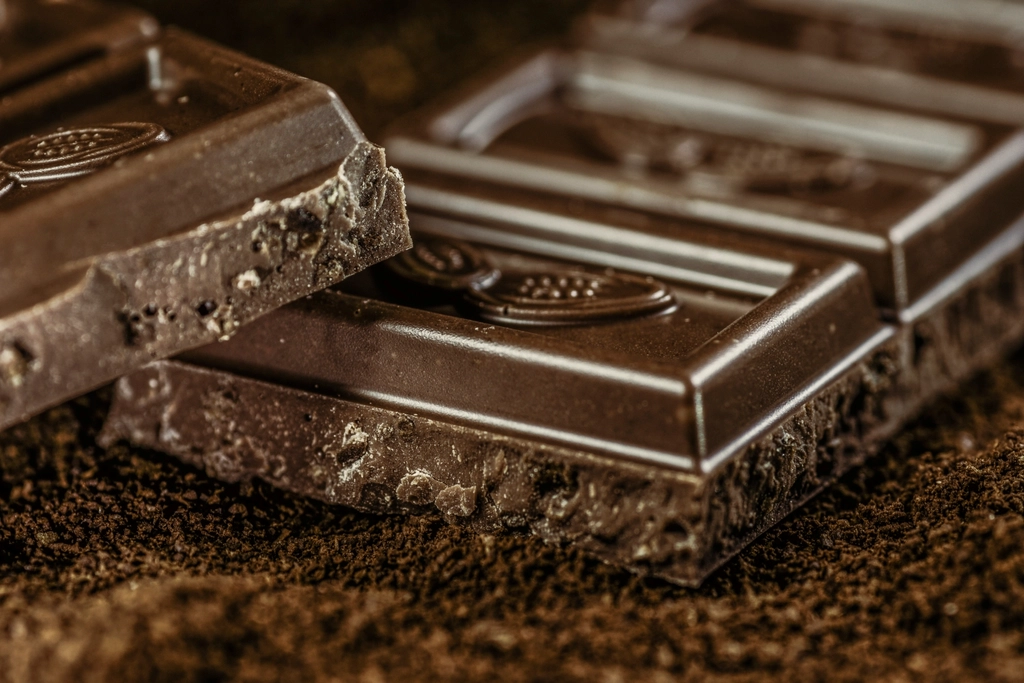
Chocolate with high cocoa content and low sugar contributes to less fat accumulation in the liver. It’s a healthy and delicious way to support liver health.

Berries

Berry Blueberry” af Markus Spiske/ CC0 1.0

Berries such as blueberries and raspberries are packed with flavonoids that can reduce inflammation and improve lipid metabolism, helping to protect the liver.

Onions and Parsley
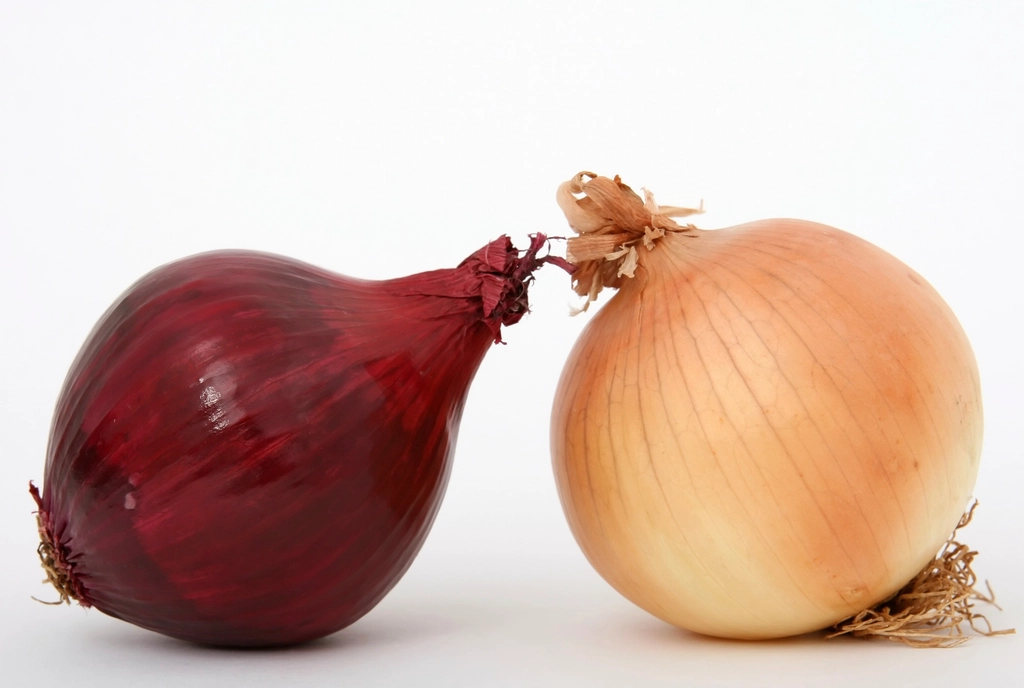
Free red and white onion“/ CC0 1.0

Vegetables like onions and parsley are powerful sources of flavonoids and can enhance liver health. Use them in salads, soups, or as seasoning in your meals.

How Flavonoids Protect the Liver
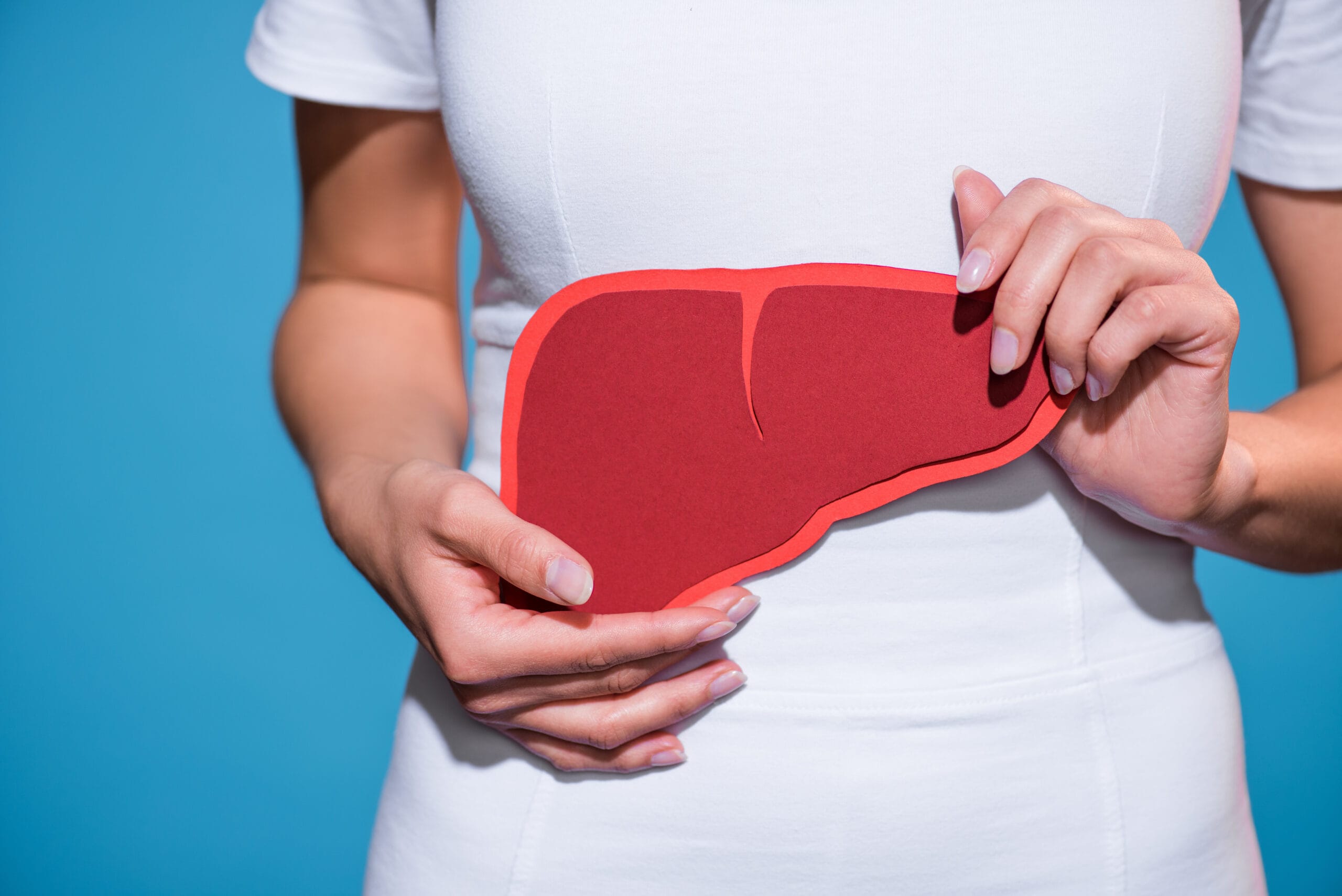
Foto: Shutterstock.com

Flavonoids reduce inflammation, improve insulin resistance, and strengthen lipid metabolism. This helps prevent fat buildup in the liver and protects against non-alcoholic fatty liver disease (NAFLD).

A Balanced Diet Is Key
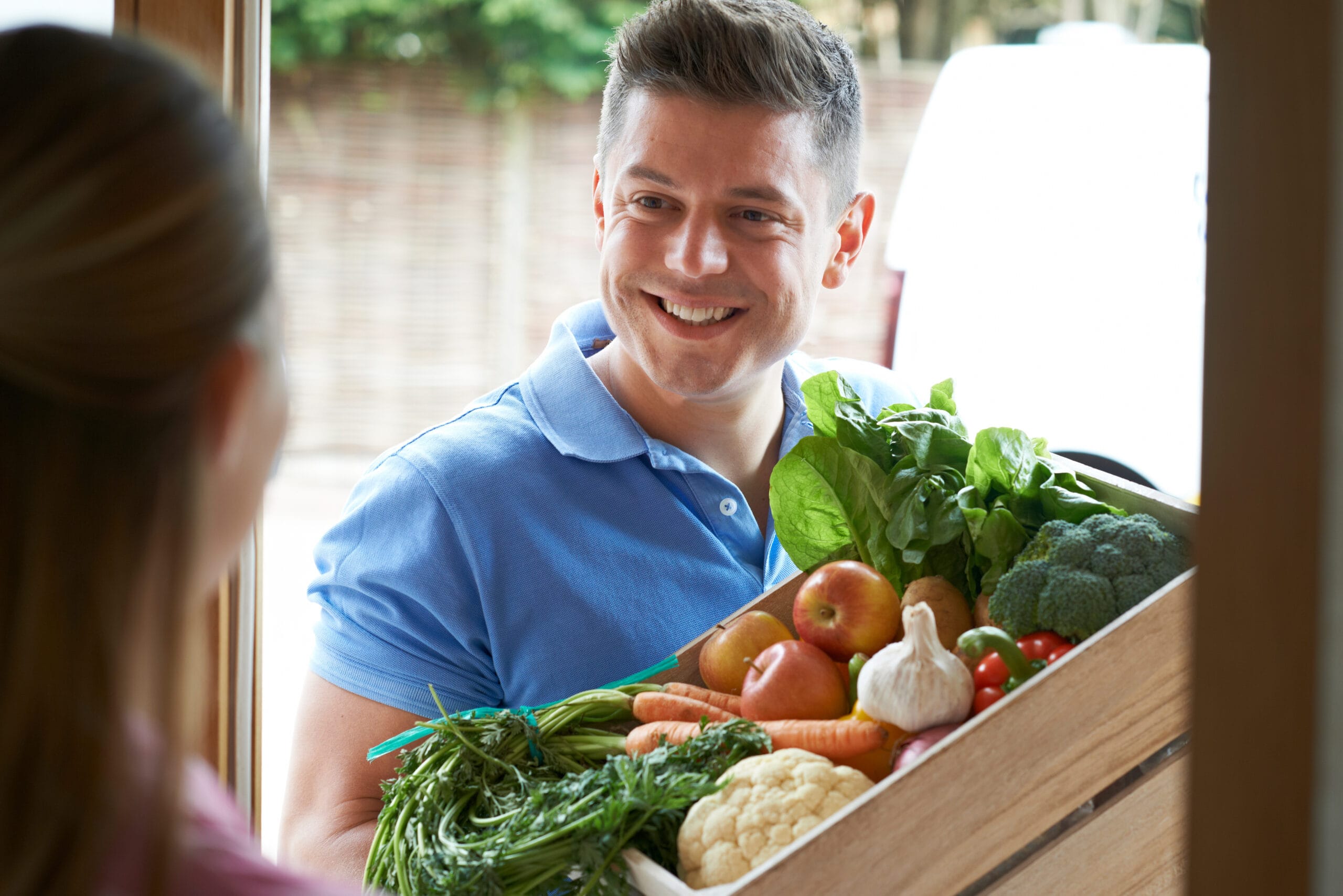
Foto: Shutterstock.com

Avoid pairing flavonoid-rich foods with meals high in sugar or fat, as this can counteract their positive effects. Maintaining a balanced diet is essential.

Findings from the Study
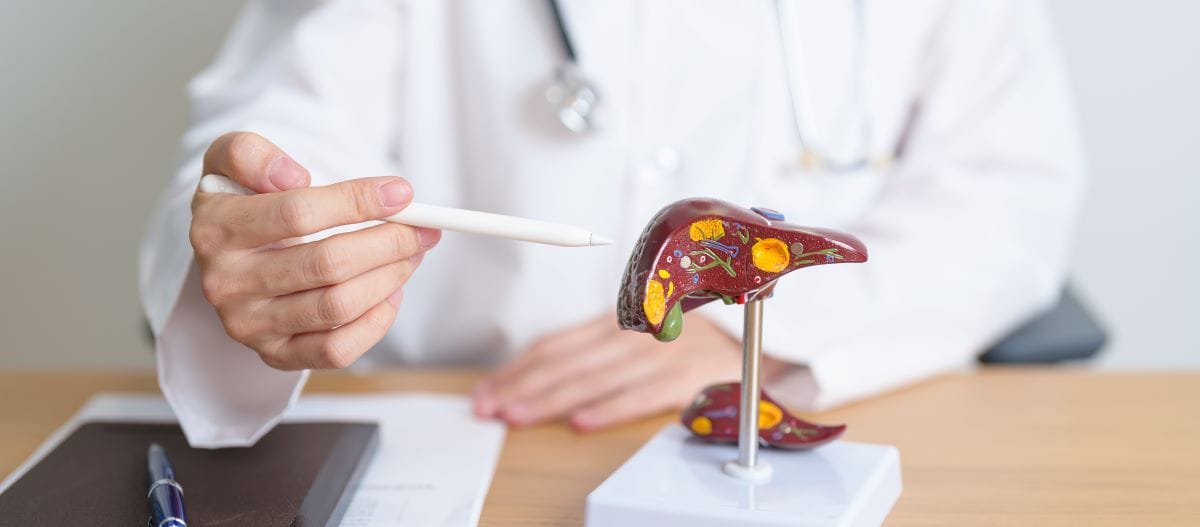
Foto: Shutterstock.com

The study, which included over 121,000 participants, revealed that those with a high flavonoid intake had a 19% lower risk of fatty liver and showed improved liver health biomarkers.

Foods and Drinks That Benefit Your Liver
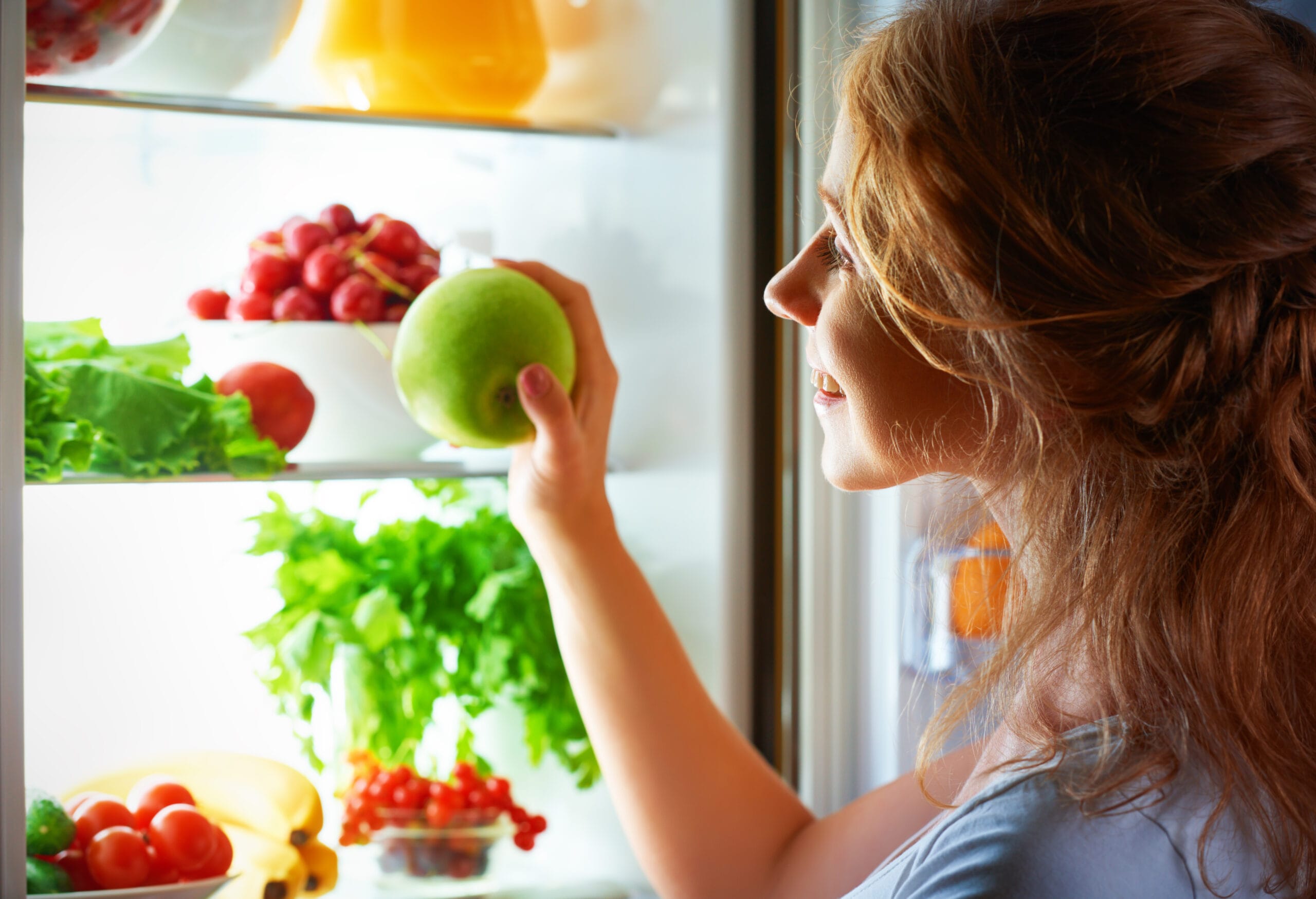
Foto: Shutterstock.com

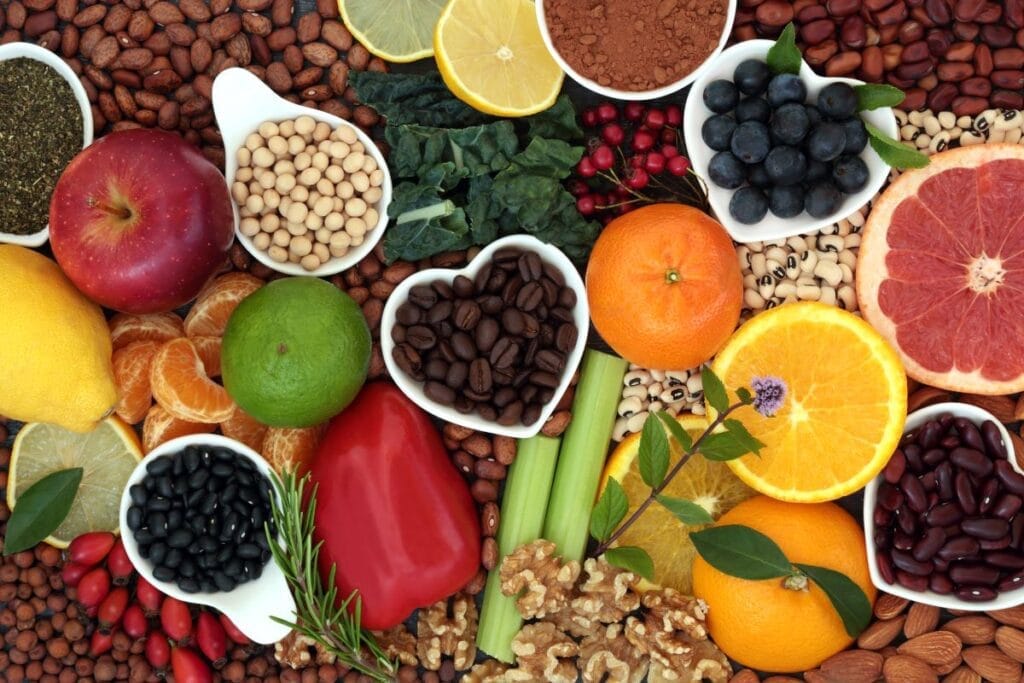
A varied diet including tea, apples, dark chocolate, berries, and vegetables can give your liver a significant boost. Small changes to your diet can lead to substantial health benefits.

Conclusion: Flavonoids as Your Liver’s Ally
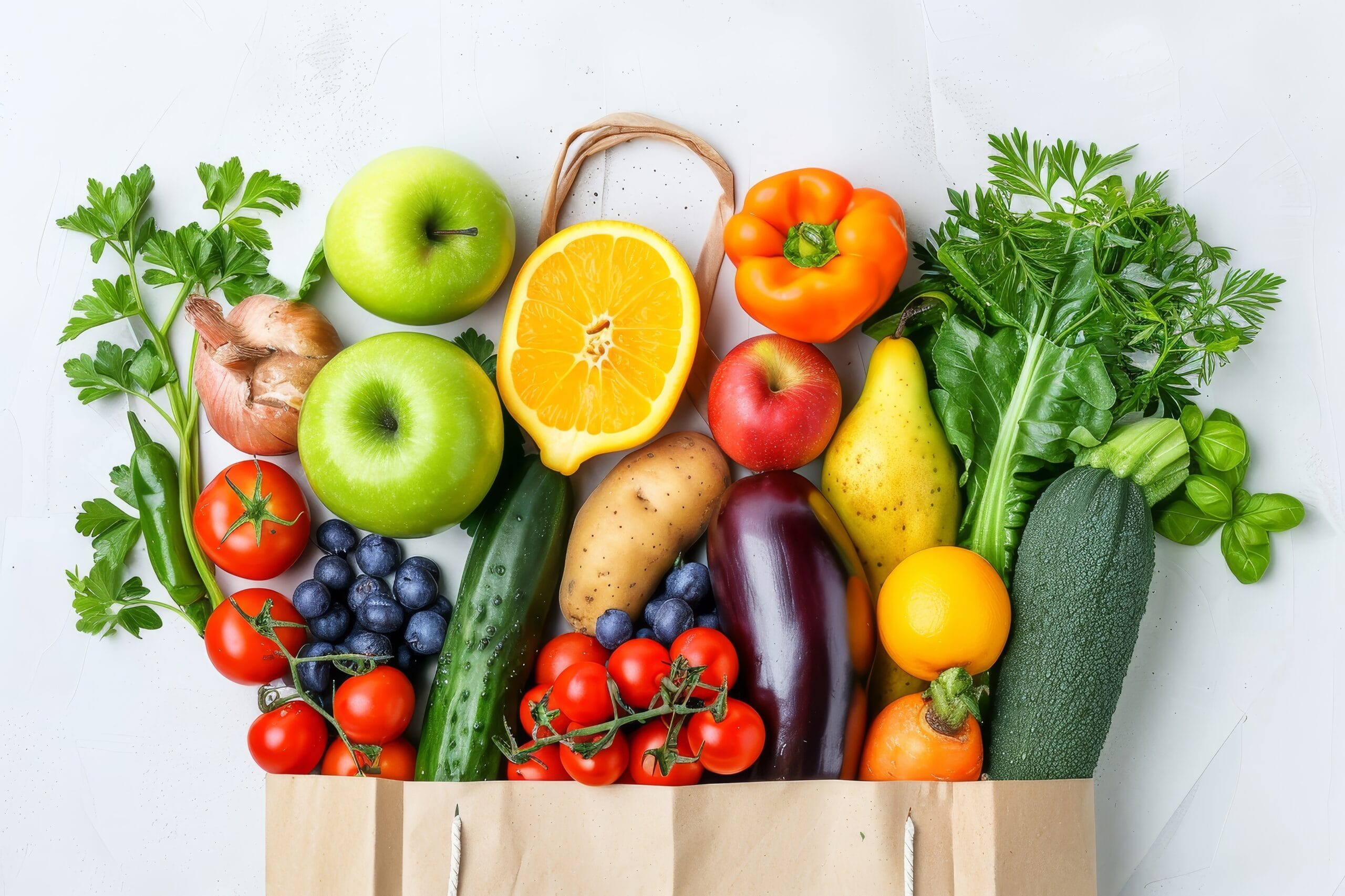
Foto: Shutterstock

Incorporating flavonoid-rich foods into your daily diet can protect your liver, reduce the risk of fatty liver, and promote a healthier lifestyle. Fill your plate with more plant-based foods to give your liver the best possible support.

This article is based on information from News Medical.
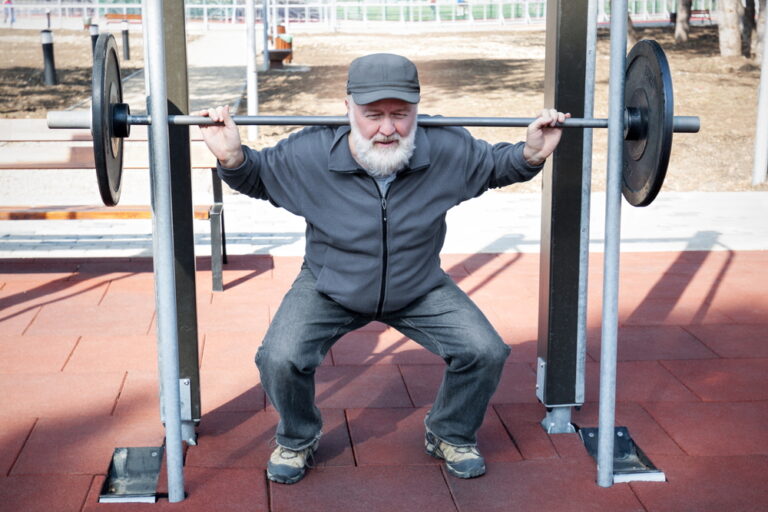
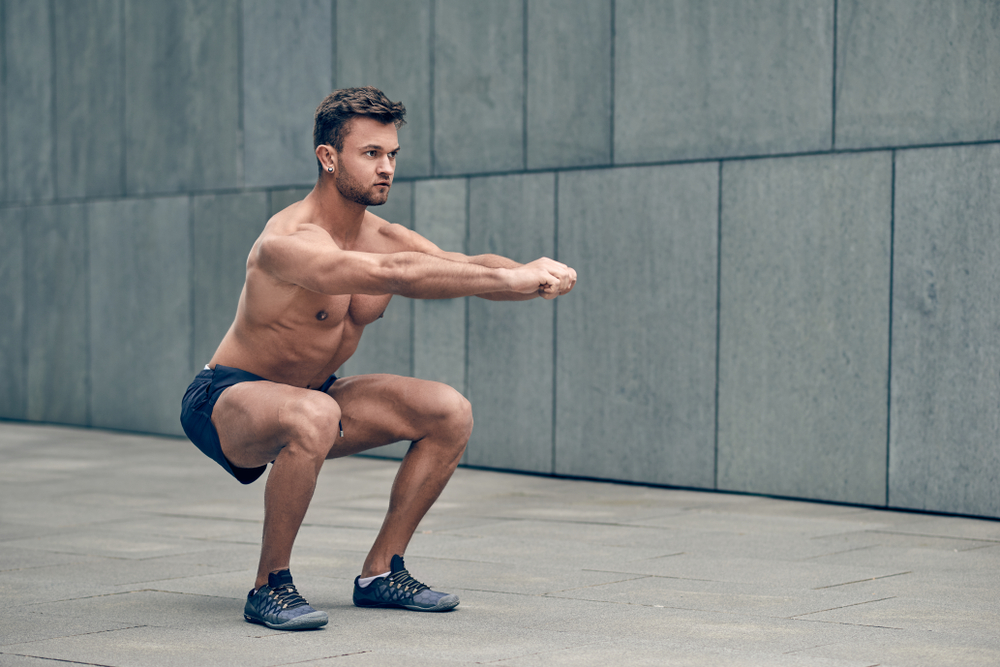
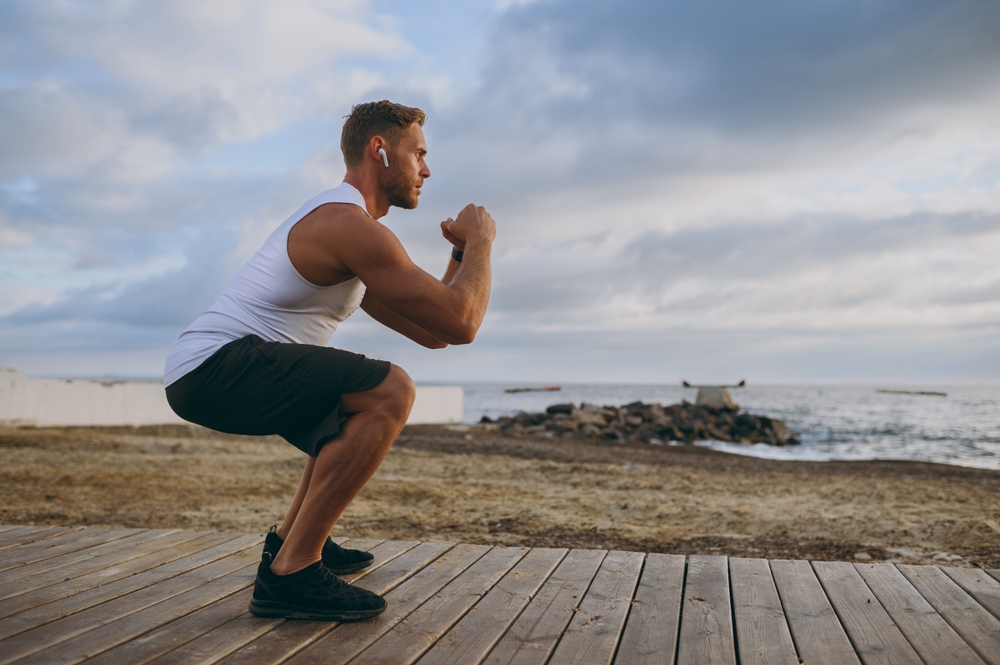
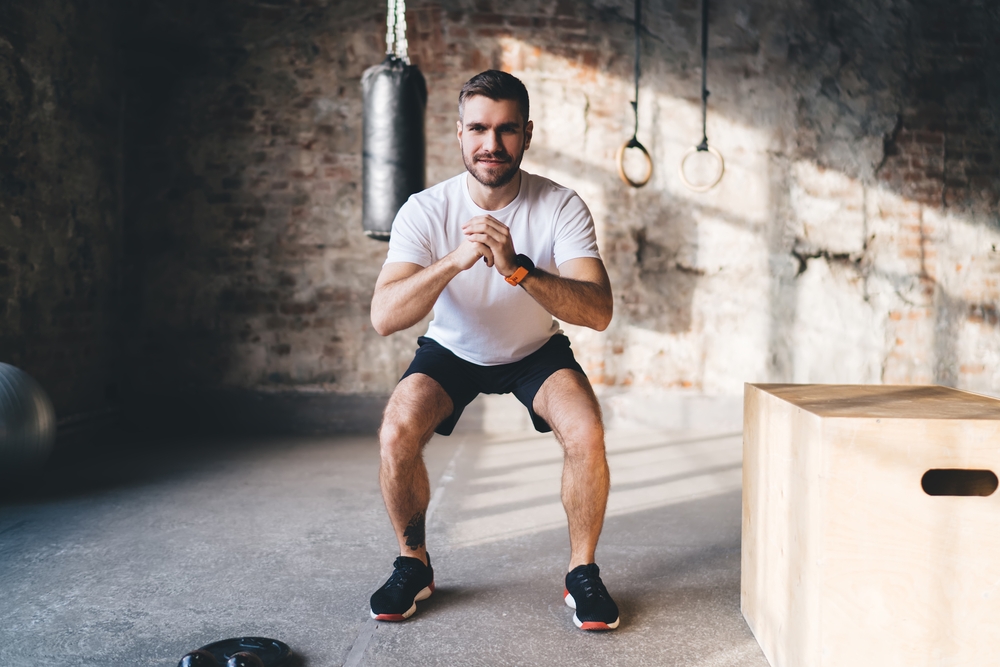
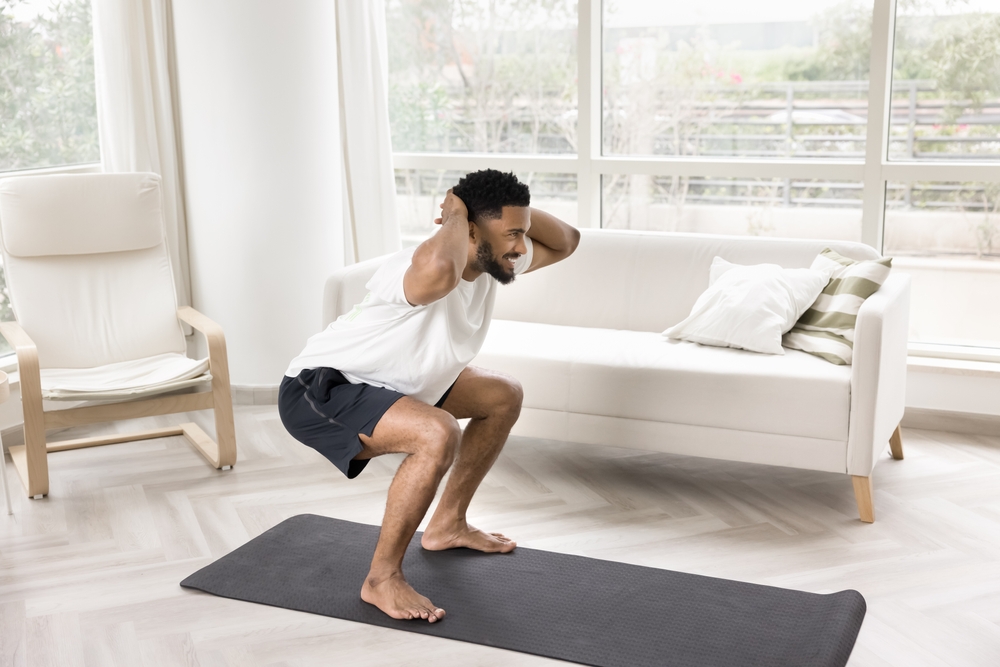
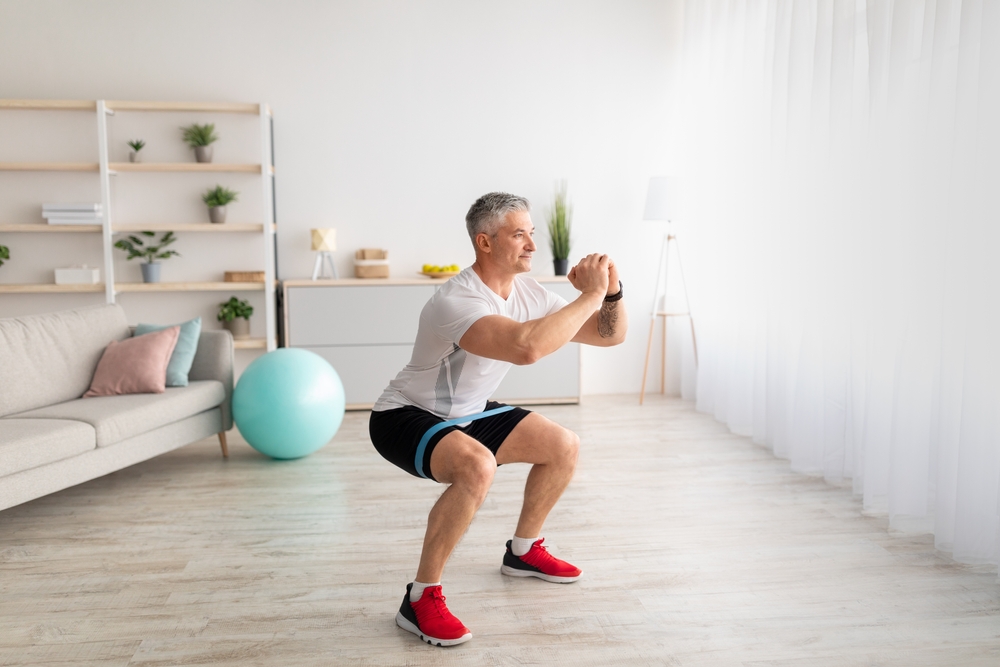
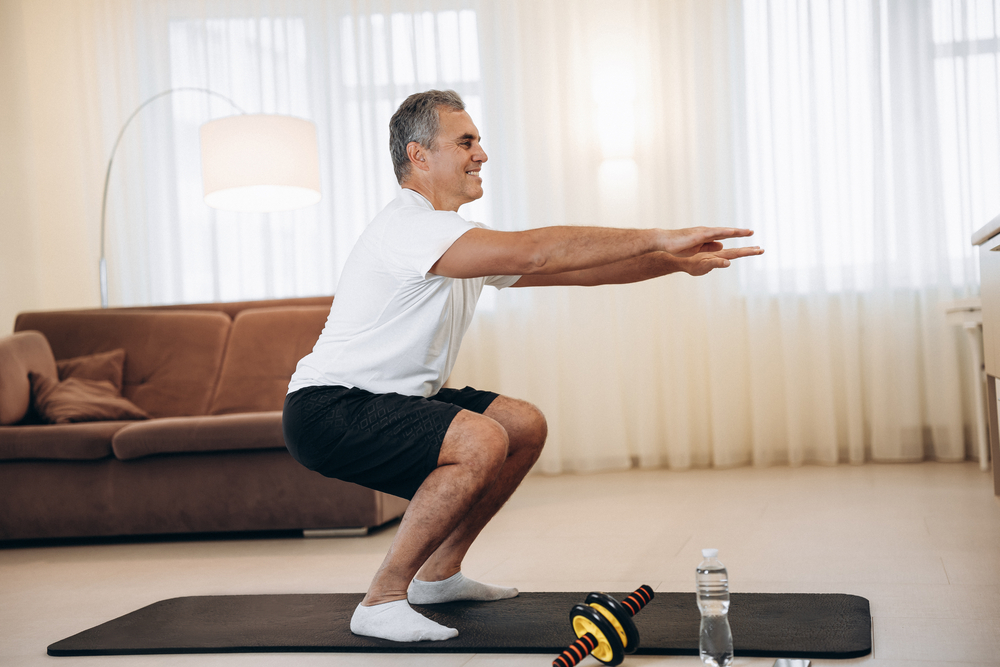
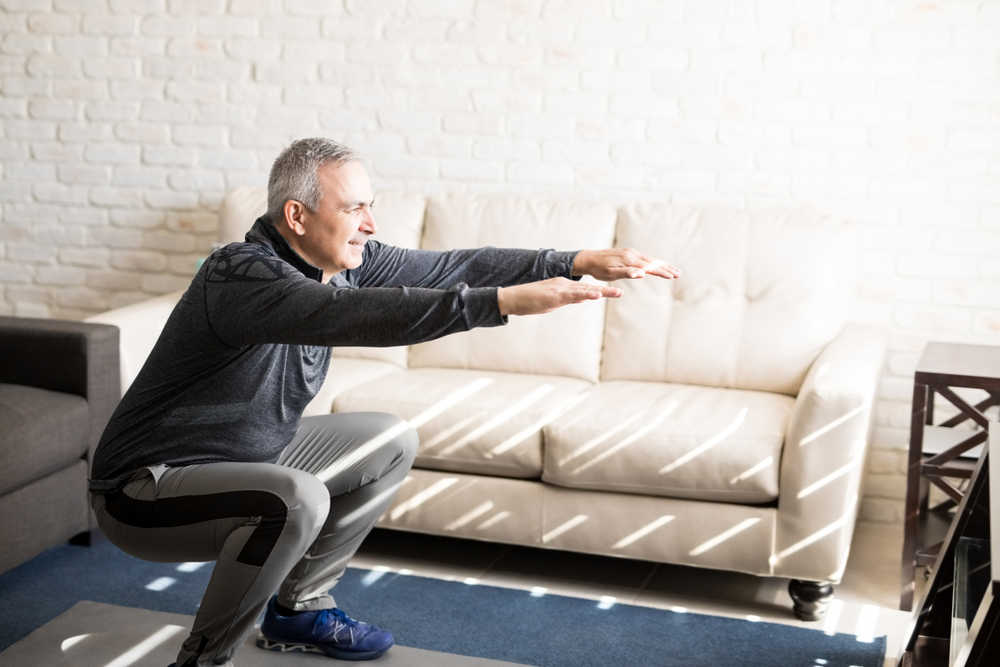
How Many Squats Should A Male Do Based On Age And Fitness Level?

Squats are a fundamental exercise for building strength, mobility, and overall fitness. However, the number of squats one can perform varies widely by age and experience level. This guide provides an age-specific breakdown of average squat counts, from beginners to elite athletes.

The information presented here has been gathered from various reliable sources and consolidated for your convenience. Whether you’re just starting out or aiming for elite performance, this guide offers valuable insights into what’s typical for each age group.

Age: 15

Teenager Squat
Photo: Shutterstock.com
  • Beginners: Less than 1 rep
  • Novice: 9 reps
  • Intermediate: 44 reps
  • Advanced: 91 reps
  • Elite: 147 reps

Age: 20

Young male squat
Photo: Shutterstock.com
  • Beginners: Less than 1 rep
  • Novice: 14 reps
  • Intermediate: 55 reps
  • Advanced: 109 reps
  • Elite: 173 reps

Age: 25

Young male squat
Photo: Shutterstock.com
  • Beginners: Less than 1 rep
  • Novice: 16 reps
  • Intermediate: 57 reps
  • Advanced: 113 reps
  • Elite: 178 reps

Age: 30

Photo: Shutterstock.com
  • Beginners: Less than 1 rep
  • Novice: 16 reps
  • Intermediate: 57 reps
  • Advanced: 113 reps
  • Elite: 178 reps

Age: 35

Male Squat
Photo: Shutterstock.com
  • Beginners: Less than 1 rep
  • Novice: 16 reps
  • Intermediate: 57 reps
  • Advanced: 113 reps
  • Elite: 178 reps

Age: 40

Male squat
Photo: Shutterstock.com
  • Beginners: Less than 1 rep
  • Novice: 16 reps
  • Intermediate: 57 reps
  • Advanced: 113 reps
  • Elite: 178 reps

Age: 45

Male Squat
Photo: Shutterstock.com
  • Beginners: Less than 1 rep
  • Novice: 13 reps
  • Intermediate: 53 reps
  • Advanced: 105 reps
  • Elite: 167 reps

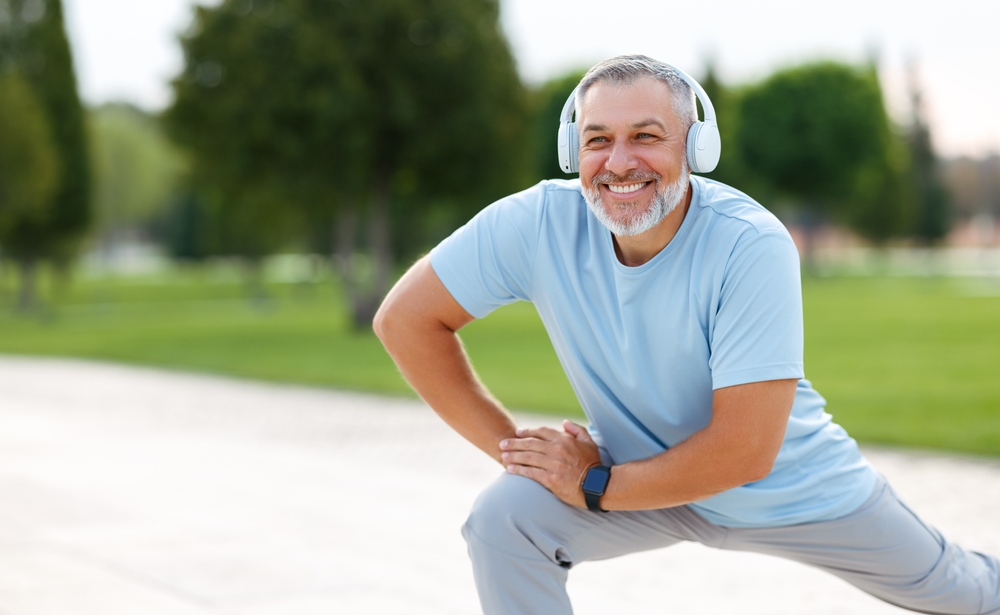
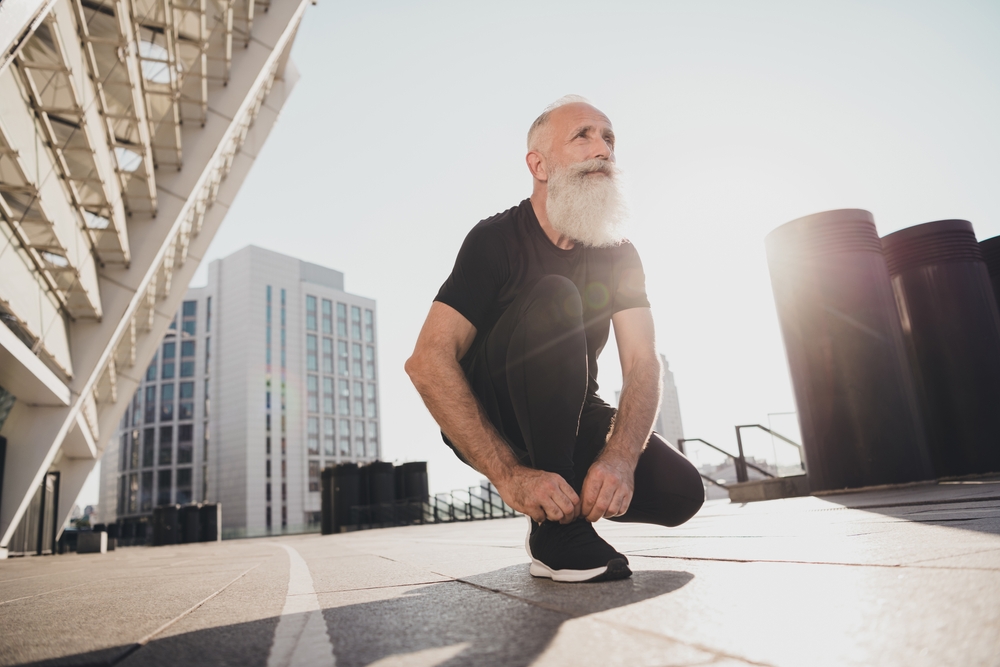
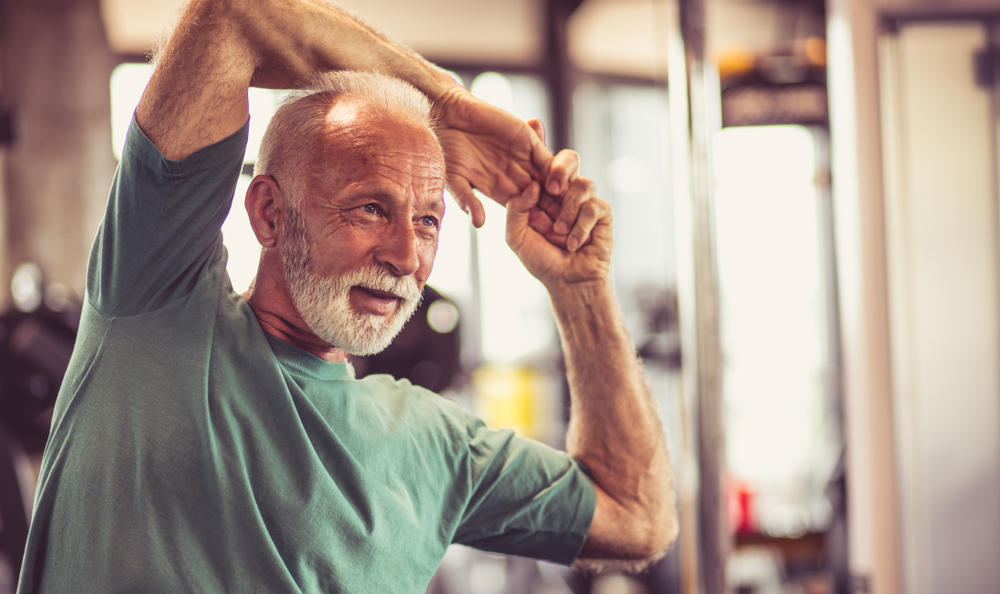
Age: 50


Male stretching
Photo: Shutterstock.com
  • Beginners: Less than 1 rep
  • Novice: 11 reps
  • Intermediate: 48 reps
  • Advanced: 97 reps
  • Elite: 155 reps

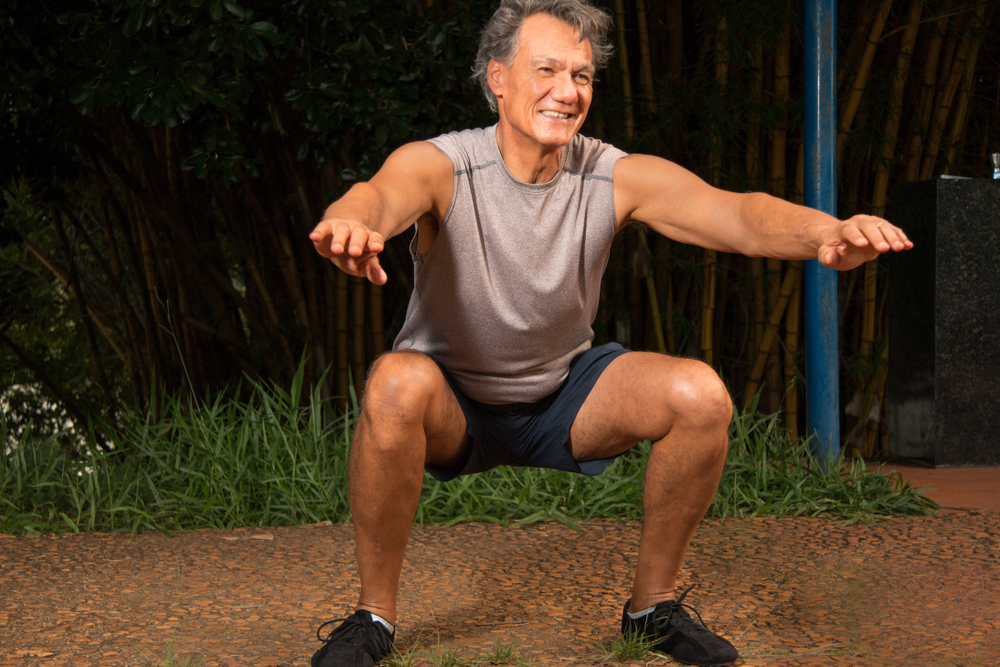
Age: 55

Old male squat
Photo: Shutterstock.com
  • Beginners: Less than 1 rep
  • Novice: 8 reps
  • Intermediate: 42 reps
  • Advanced: 87 reps
  • Elite: 141 reps

Age: 60

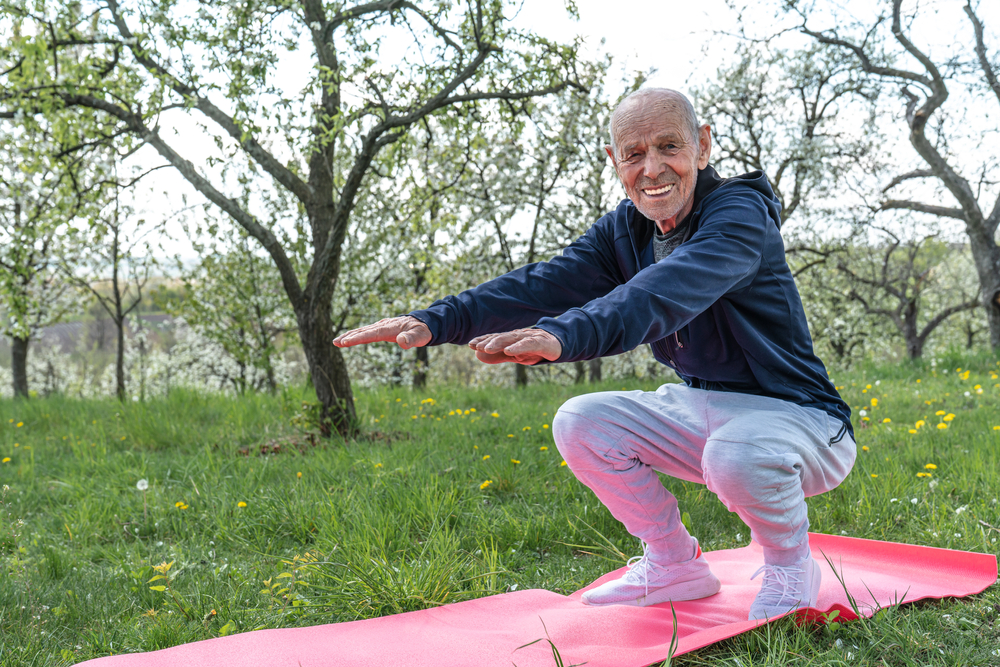
Senior Squat
Photo: Shutterstock.com
  • Beginners: Less than 1 rep
  • Novice: 6 reps
  • Intermediate: 36 reps
  • Advanced: 77 reps
  • Elite: 126 reps

Age: 65

Old senior workout
Photo: Shutterstock.com
  • Beginners: Less than 1 rep
  • Novice: 2 reps
  • Intermediate: 29 reps
  • Advanced: 67 reps
  • Elite: 111 reps

Age: 70

Old male squat
Photo: Shutterstock.com
  • Beginners: Less than 1 rep
  • Novice: Less than 1 rep
  • Intermediate: 23 reps
  • Advanced: 57 reps
  • Elite: 97 reps

Age: 75

Male Senior
Photo: Shutterstock.com
  • Beginners: Less than 1 rep
  • Novice: Less than 1 rep
  • Intermediate: 18 reps
  • Advanced: 48 reps
  • Elite: 84 reps

Age: 80

Senior male workout
Photo: Shutterstock.com
  • Beginners: Less than 1 rep
  • Novice: Less than 1 rep
  • Intermediate: 13 reps
  • Advanced: 40 reps
  • Elite: 72 reps

Age: 85

Old male workout
Photo: Shutterstock.com
  • Beginners: Less than 1 rep
  • Novice: Less than 1 rep
  • Intermediate: 9 reps
  • Advanced: 33 reps
  • Elite: 61 reps

Age: 90

Very old male squat
Photo: Shutterstock.com
  • Beginners: Less than 1 rep
  • Novice: Less than 1 rep
  • Intermediate: 6 reps
  • Advanced: 26 reps
  • Elite: 52 reps

10 Warning Signs of Dementia

0

Dementia is not actually a disease. It is a collective term for changes in the brain that cause a loss of function, disrupting daily life.

It can impair focus, attention, language skills, problem-solving, and visual understanding.

Dementia can also make it difficult for a person to control their emotions and may even lead to personality changes.

Consult a Doctor

Doctor
Photo: Shutterstock.com

If someone shows signs of dementia, it is crucial to see a doctor who can perform tests and provide a diagnosis.

Many conditions—often treatable ones, ranging from infections to vitamin deficiencies—can cause dementia-like symptoms, so it’s essential to rule them out first.

If it is dementia, you’ll want to plan for how to manage care, especially as the condition progresses.

The 10 Signs of Dementia

Dementia
Photo: Shutterstock

Here are 10 of the symptoms from AARP to watch out for. Remember, just because you or someone you know might have some of the symptoms, it isn’t necessarily dementia. Go to a doctor if you’re in doubt.

Difficulty with Everyday Tasks

Paying bills
Photo: Shutterstock.com

Everyone makes mistakes, but people with dementia may struggle more with things like keeping track of monthly bills or following a recipe while cooking, says the Alzheimer’s Association. They may also find it hard to concentrate on tasks, take much longer to complete them, or have trouble finishing them altogether.

Repetition

Repetition
Photo: Shutterstock

Asking the same question repeatedly or recounting the same story about a recent event multiple times is a common indicator of mild to moderate Alzheimer’s, according to the Cleveland Clinic.

Communication Problems

Conversation problems
Photo: Shutterstock.com

Pay attention if a loved one has trouble participating in conversations, loses track of them, abruptly stops mid-thought, or struggles to think of words or the names of objects.

Getting Lost

GPS
Photo: Bilanol / Shutterstock.com

People with dementia may have difficulty with vision and spatial awareness. This can manifest as trouble navigating or getting lost while driving, according to the Mayo Clinic.

Personality Changes

Personality changes
Photo: Shutterstock.com

If a loved one begins behaving unusually anxious, confused, fearful, or suspicious, or if they get upset easily and appear depressed, it’s a cause for concern.

Confusion About Time and Place

Clock
Photo: Shutterstock.com

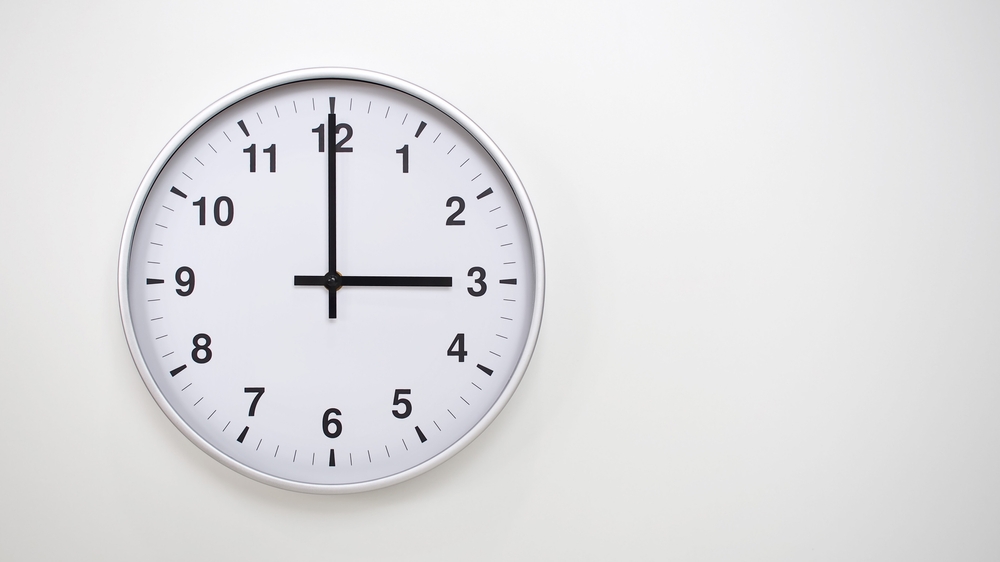
Forgetting where they are or not remembering how they got there is a red flag. Another concerning sign is disorientation about time—such as routinely forgetting what day of the week it is.

Misplacing Things

Misplacing
Photo: Shutterstock.com

Someone with dementia may put things in unusual places and have difficulty retracing their steps to find misplaced items, notes the Alzheimer’s Association.

Troubling Behavior

Shower
Photo: Shutterstock.com

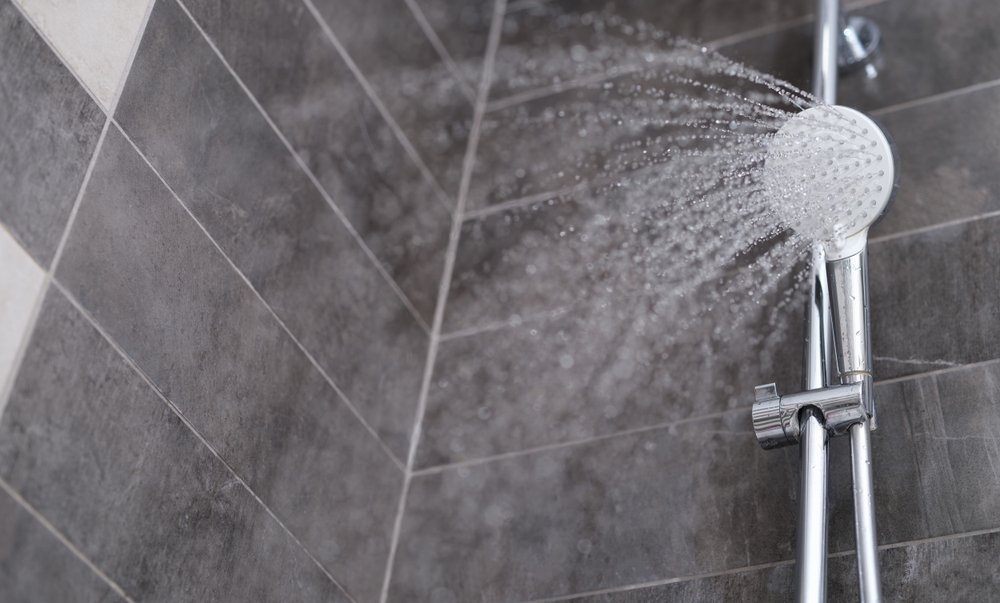
If your family member shows poor judgment when handling money or neglects personal hygiene and cleanliness, take note.

Loss of Interest

Asocial
Photo: Shutterstock.com

It’s normal not to feel very social from time to time, but a sudden and routine loss of interest in family, friends, work, and social events is a warning sign of dementia.

Forgetting Old Memories

Forgetting
Photo: Shutterstock.com

Persistent memory loss, especially when it worsens over time, is often one of the first signs of dementia.

This article is based on information from Pensionist and AARP.

How Long Should You Be Able to Hold a Plank? Find the Answer Based on Your Age

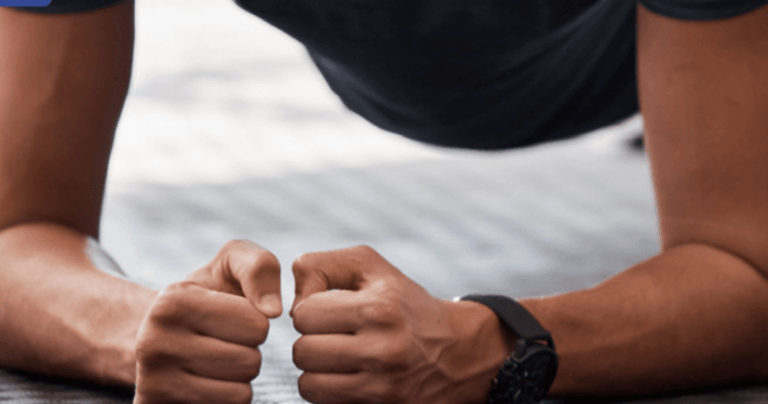
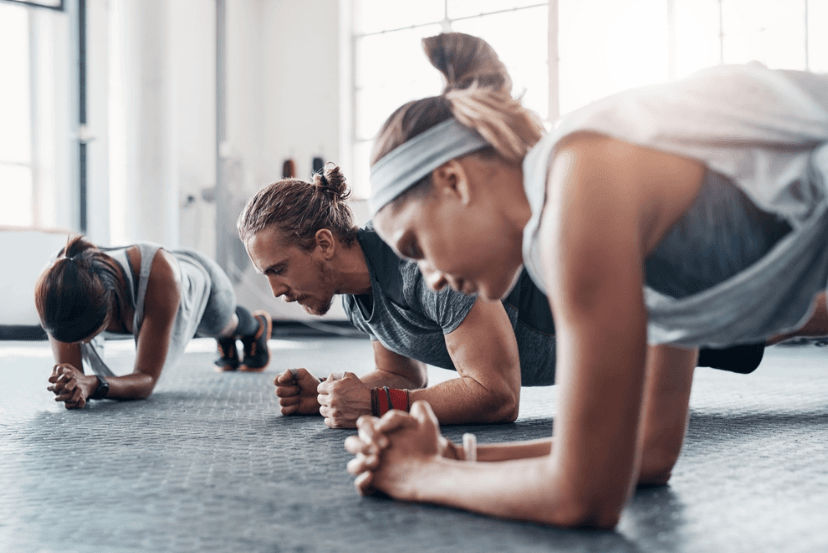
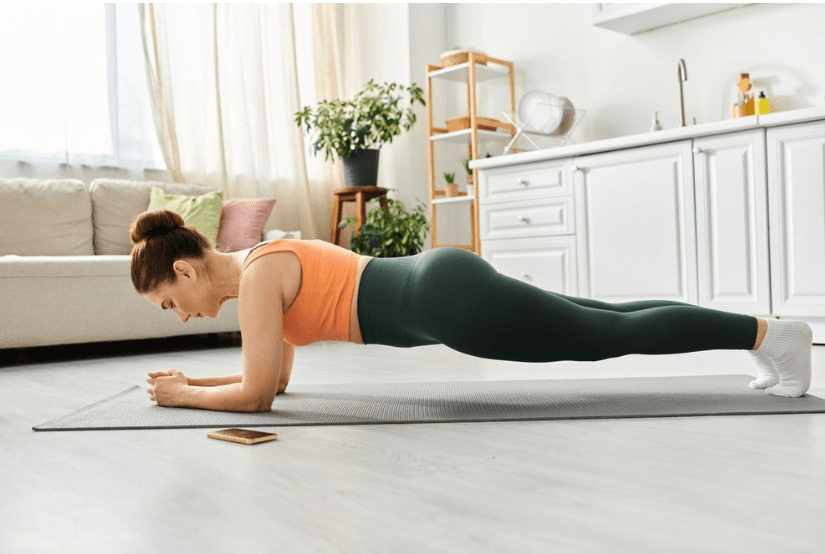
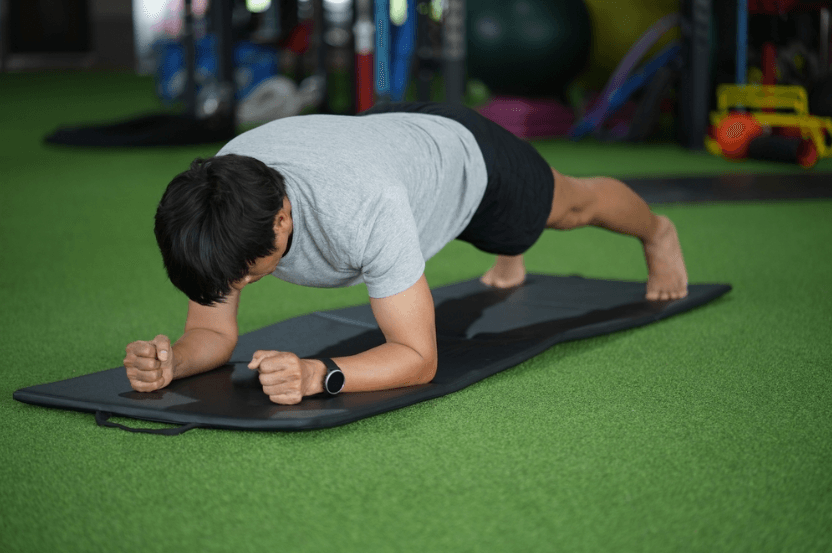
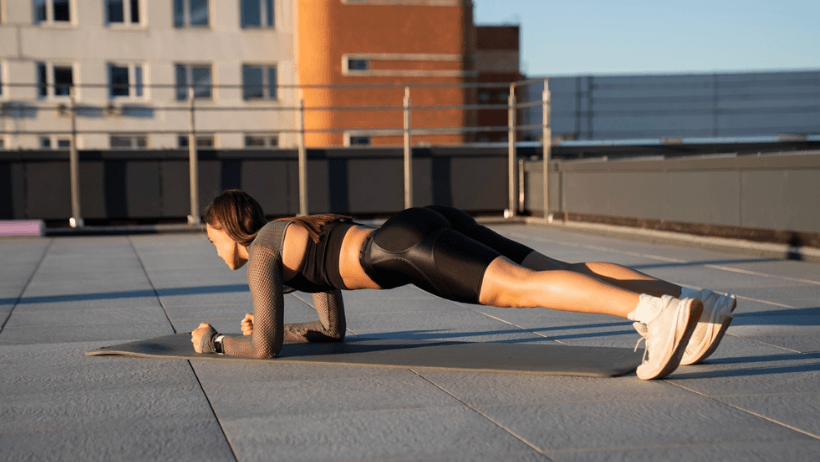
The plank is an incredible exercise that strengthens your core, including your abs, obliques, and lower back. But how long should you actually be able to hold one? The answer depends on your age and fitness level.

Under 20 Years Old: 1 to 2 Minutes

Foto: Shutterstock.com

At this age, your body is at its peak strength and flexibility. Holding a plank for 1 to 2 minutes demonstrates excellent core endurance.

Ages 20-29: 1 Minute and 30 Seconds

Foto: Shutterstock.com

Young adults should aim to hold a plank for at least 1 minute and 30 seconds to show strong core stability and endurance. If you’re up for a challenge, try advanced plank variations!

Ages 30-39: 1 Minute

Foto: Shutterstock.com

In your 30s, core strength may start to decline slightly, but holding a plank for 1 minute is still a great indicator of fitness and stability.

Ages 40-49: 50 Seconds

Foto: Shutterstock.com

For those in their 40s, 50 seconds is a realistic and healthy goal to maintain core strength. This shows you’re staying active and strong despite age-related changes.

Ages 50-59: 40 Seconds

Foto: Shutterstock.com

In your 50s, a 40-second plank is a solid benchmark for core stability and endurance. Focus on proper form to avoid injuries and maximize benefits.

60 and Older: 30 Seconds

Foto: Shutterstock.com

After age 60, holding a plank for 30 seconds is an excellent goal for maintaining mobility and core strength. Be sure your body is aligned correctly for maximum results.

Are Long Planks Necessary?

Foto: Shutterstock.com

Not necessarily! Research shows that short planks held for 10 seconds, repeated several times, can be just as effective as longer planks. Prioritize proper form over duration.

Try Plank Variations

Foto: Shutterstock.com

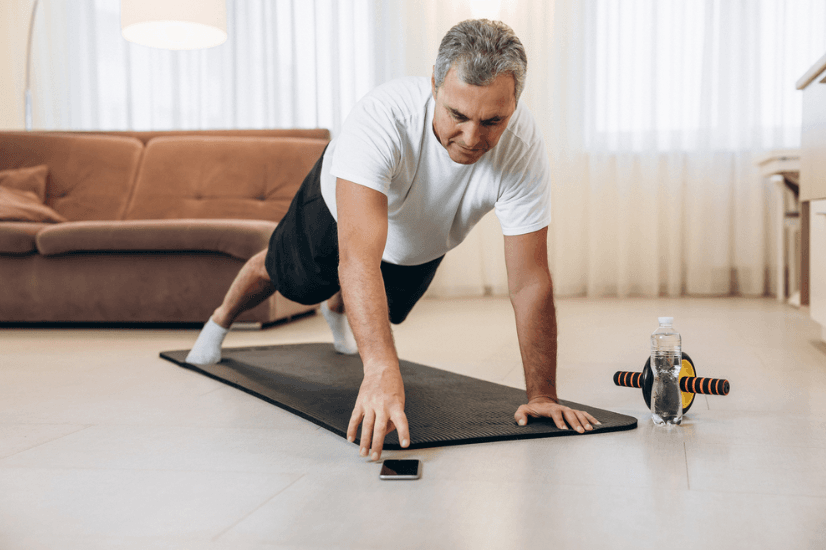
Once you’ve mastered the basic plank, experiment with variations like side planks, reverse planks, or shoulder-tap planks. These target different muscle groups and keep your workouts engaging.

Technique Over Time

Foto: Shutterstock.com

No matter how long you can hold a plank, proper technique is crucial for reaping the benefits. If your hips start to sag, it’s time for a break. The goal of the plank is to build a stable core, not to set records.

The current world record for holding a plank was set by Josef Šálek from the Czech Republic on May 20, 2023. He held a plank for an astonishing 9 hours, 38 minutes, and 47 seconds.

This article is based on information from Dagens.com

How Many Steps a Day Are Enough? Find the Answer Based on Your Age

Many believe the golden rule for a healthy life is 10,000 steps a day, but this target doesn’t necessarily suit everyone. Here’s how many steps you should aim for daily, based on your age.

Why Count Your Steps?

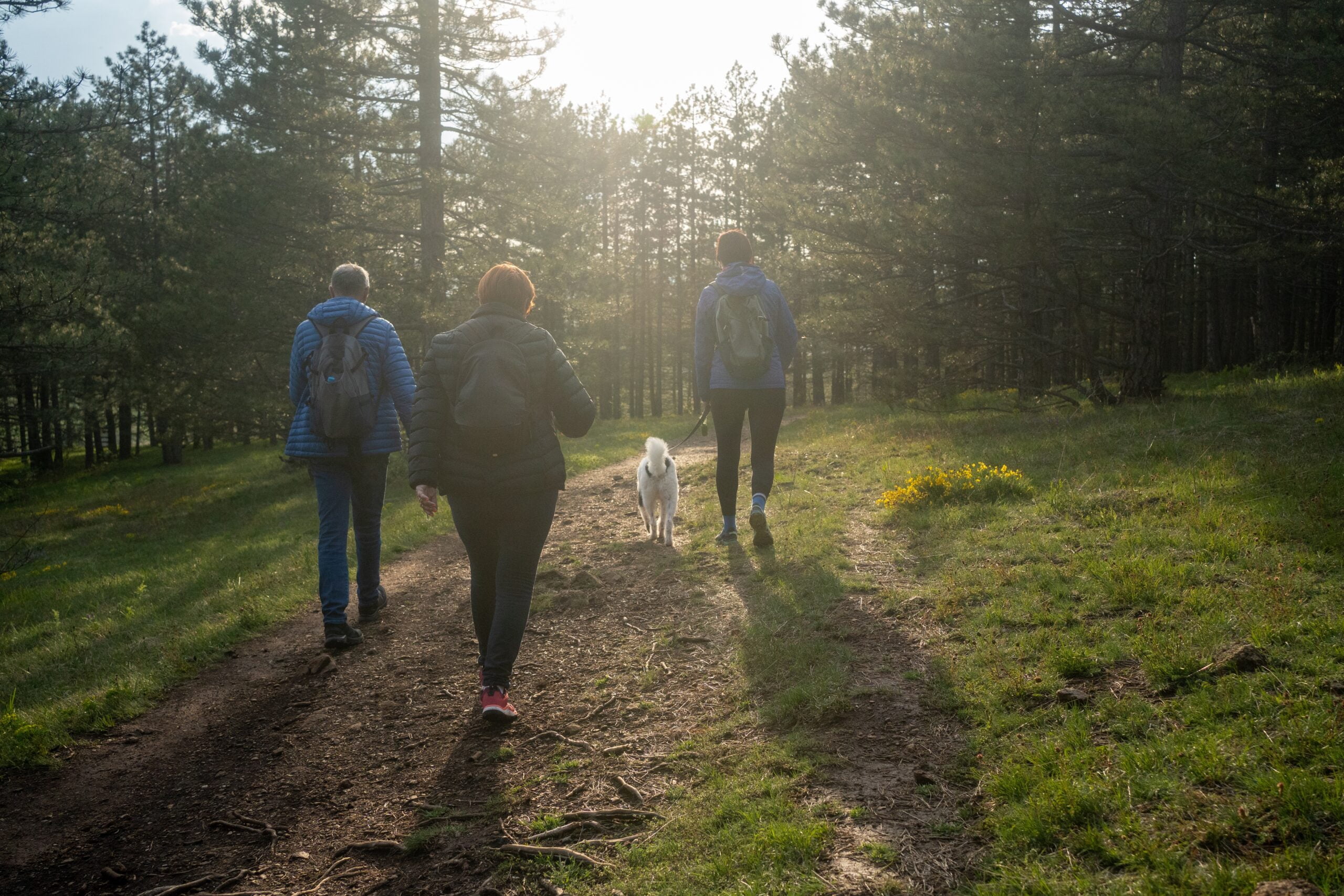
Walking Pedestrians” af Freestocks.org/ CC0 1.0

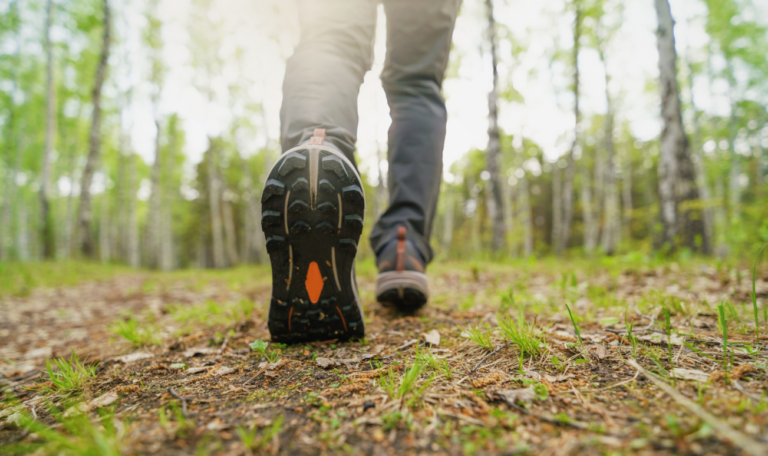
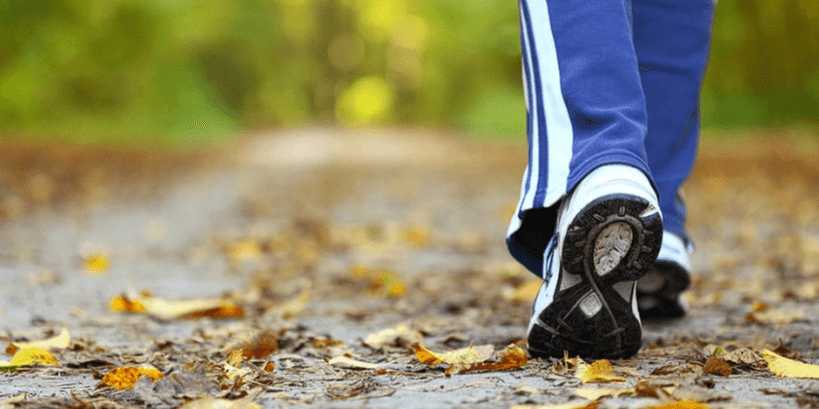
Counting steps is an easy way to keep track of your daily activity. Regular walking can improve cardiovascular health, boost energy levels, reduce stress, and strengthen muscles and joints.

Step Goals for Children and Teenagers (Ages 6-17)

Foto: Shutterstock.com

Recommendation: 12,000–16,000 steps daily
This age group needs high levels of physical activity to support growth, development, and maintaining a healthy weight.

Step Goals for Adults (Ages 18-40)

Man Walking” af Lacey Raper/ CC0 1.0

Recommendation: 7,000–10,000 steps daily
Adults in this age group should focus on maintaining fitness and preventing lifestyle-related diseases through daily walking and exercise.

Step Goals for Middle-Aged Adults (Ages 41-60)

Dog Walking” af Humphrey/ CC0 1.0

Recommendation: 6,000–8,000 steps daily
For middle-aged adults, it’s important to prioritize keeping muscles and joints strong by incorporating small changes like taking the stairs or going for short walks.

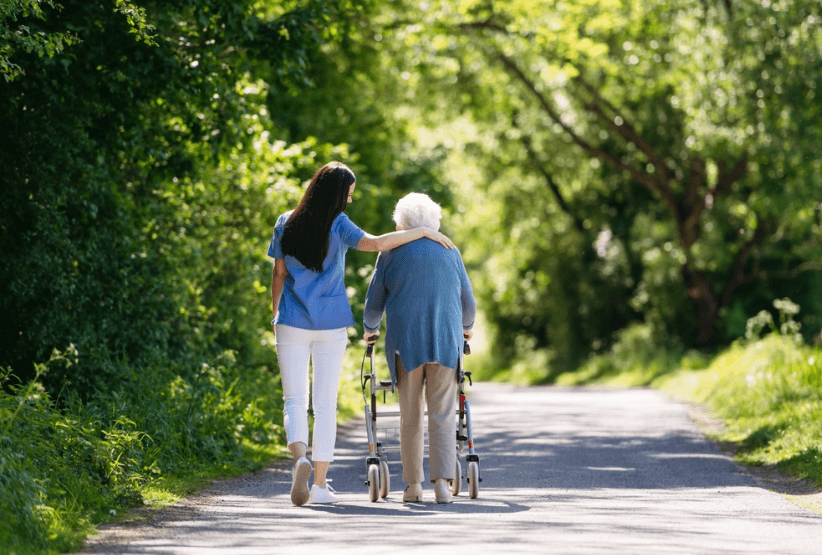
Step Goals for Seniors (Ages 61 and Older)

Foto: Shutterstock.com

Recommendation: 4,000–6,000 steps daily
For seniors, moderate walks can help maintain mobility, reduce the risk of chronic illnesses, and improve mood.

Adjust Your Step Goals

Walking City” af Elliott Chau/ CC0 1.0

These recommendations are a helpful guide, but the key is finding a routine that works for you. Start with small goals and gradually increase your activity.

Tips to Reach Your Daily Step Count

Foto: Shutterstock.com
  • Take the stairs instead of the elevator.
  • Go for a walk during your lunch break.
  • Park farther away from entrances when running errands.
  • Use a pedometer or fitness tracker.
  • Invite friends or family for a walk to make it social and fun.

Steps and Health in Balance

Foto: Shutterstock

It’s not just about hitting a specific number of steps—it’s about building an active lifestyle that supports your health and fits your needs.

Your Path to a Healthier Life

Skridt
Photo: Shutterstock.com

No matter your age, small daily steps can lead to significant health benefits. Find your balance and take it one step at a time toward a healthier lifestyle.

This article is based on information from Dagens.com

8 Reasons Why Chia Seeds Might Do More Harm Than Good

Chia seeds have become a staple in kitchens worldwide, and for good reason.

These tiny seeds are packed with nutrients like omega-3 fatty acids, fibre, and protein, which can boost your health and energy levels.

However, as with any dietary addition, there’s a downside you should be aware of before sprinkling chia seeds on every meal.

High in Fibre

Foto: Shutterstock.com

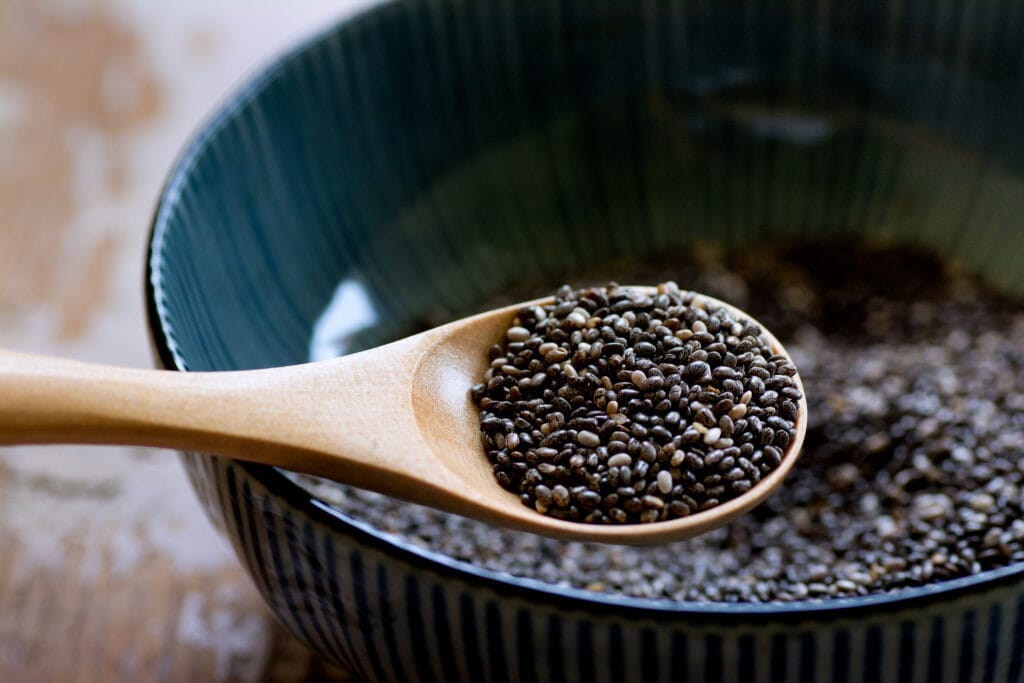
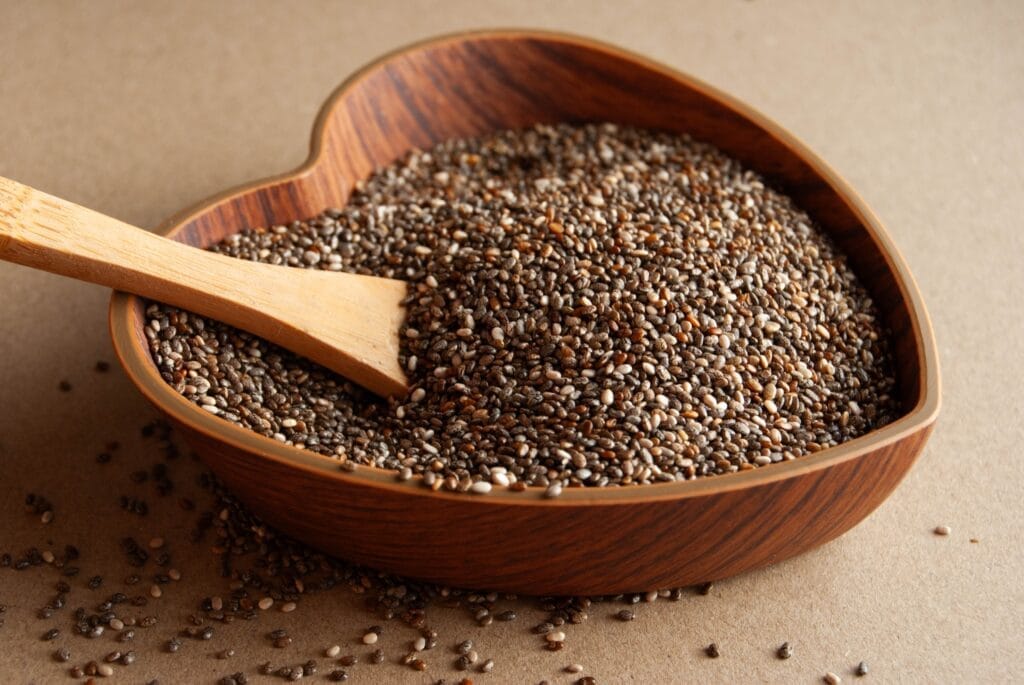
Chia seeds are extremely rich in fibre, and consuming too much can lead to bloating, gas, or even constipation.

To avoid digestive discomfort, it’s crucial to drink plenty of water when increasing your fibre intake with chia seeds. Start with small amounts and gradually increase your consumption.

Allergic Reactions

Foto: Shutterstock.com

Although rare, some people may be allergic to chia seeds.

If you have a nut or seed allergy, consult your doctor before consuming chia seeds in larger quantities.

Interactions with Medications

Foto: Shutterstock.com

Chia seeds can affect how certain medications work.

If you’re taking blood thinners, diabetes medication, or have high blood pressure, be aware that chia seeds may enhance the effects of these drugs.

Blood-Thinning Effects

Foto: Shutterstock

While omega-3 fatty acids in chia seeds are generally beneficial, consuming them in large amounts can have blood-thinning effects.

If you’ve experienced blood clots or are on blood-thinning medication, consult your doctor before making chia seeds a daily habit.

Daily Limit

Foto: Shutterstock.com

Health authorities recommend consuming no more than 15 grams of chia seeds per day.

If used in cooking, they should not make up more than 10% of the total ingredients in a dish.

Constipation Risk

Foto: Shutterstock.com

Without sufficient water, chia seeds can cause digestive issues like constipation.

Always combine chia seeds with plenty of liquid to prevent such problems.

Start Small

Foto: Shutterstock.com

If you’re new to chia seeds, start with small portions and gradually increase your intake.

This allows your body to adjust to their high fibre content.

Consult Your Doctor

Foto: Shutterstock.com

If you’re unsure whether chia seeds are right for you or if you have existing health conditions, consult your doctor before making them a regular part of your diet.

A Popular Superfood

Foto: Shutterstock.com

Chia seeds have gained immense popularity as a superfood thanks to their impressive nutrient profile.

They’re an excellent source of omega-3s, protein, and fibre, all of which can contribute to a healthy lifestyle.

This article is based on information from Verywell Health and the Danish Veterinary and Food Administration.

These 10 Foods Can Improve Your Sleep

0

Do you struggle to fall asleep at night? Your next meal could be the key to a better night’s rest.

Almonds

Foto: Shutterstock.com

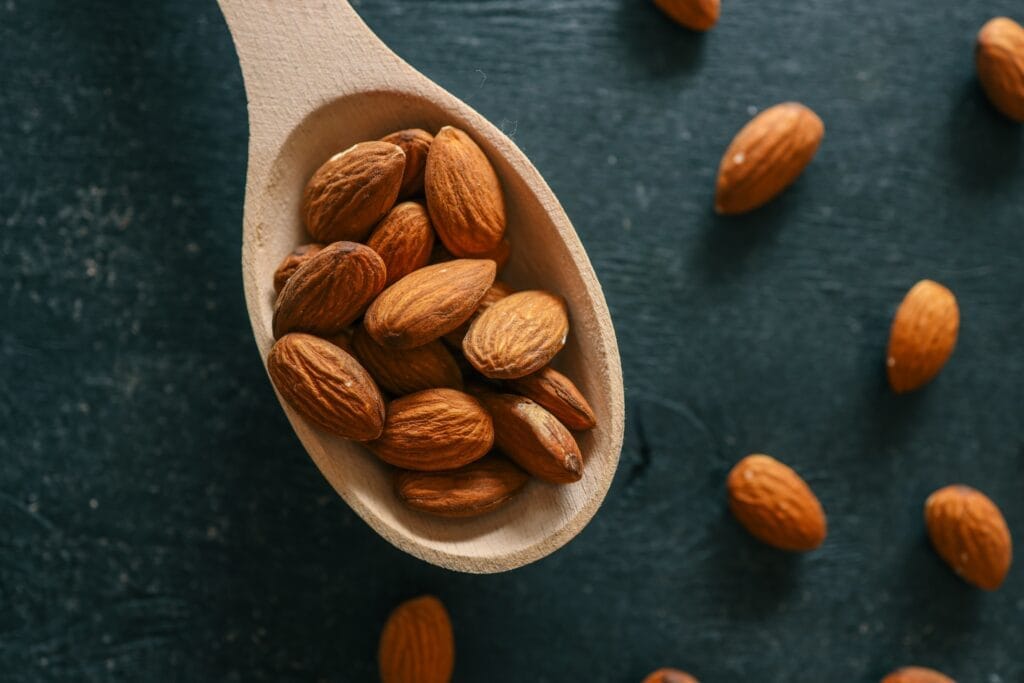
Almonds are packed with magnesium and B vitamins, which help calm the nervous system. They also contain melatonin, a hormone that regulates your sleep-wake cycle. Enjoy a small handful of almonds as an evening snack for a natural sleep boost.

Turkey

Foto: Shutterstock.com

The classic turkey is rich in tryptophan, an amino acid that promotes melatonin production. A slice of turkey at dinner could help you drift off more quickly.

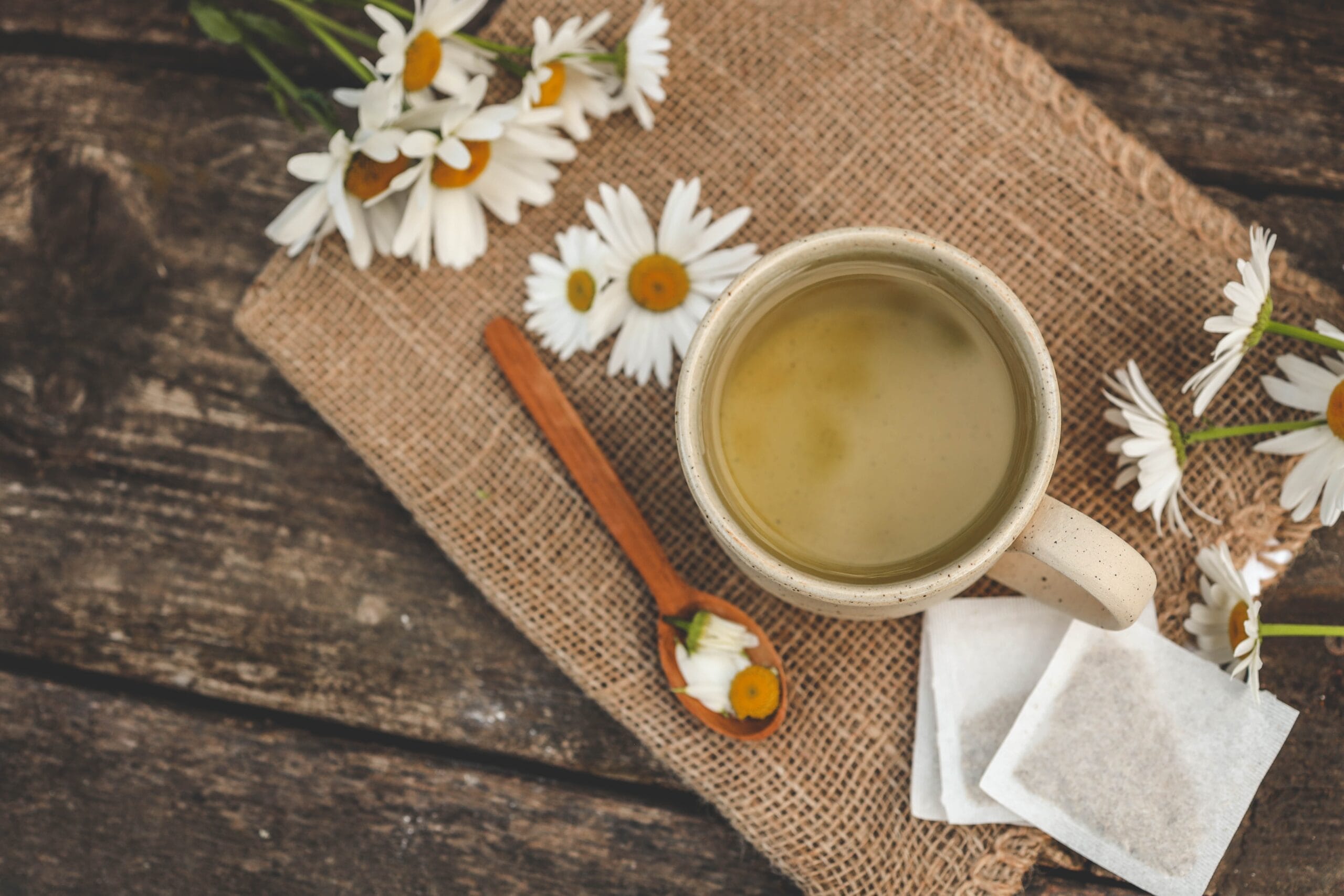
Chamomile Tea

Foto: Shutterstock.com

A warm cup of chamomile tea before bed can work wonders. The tea contains flavonoids that help reduce anxiety and promote relaxation.

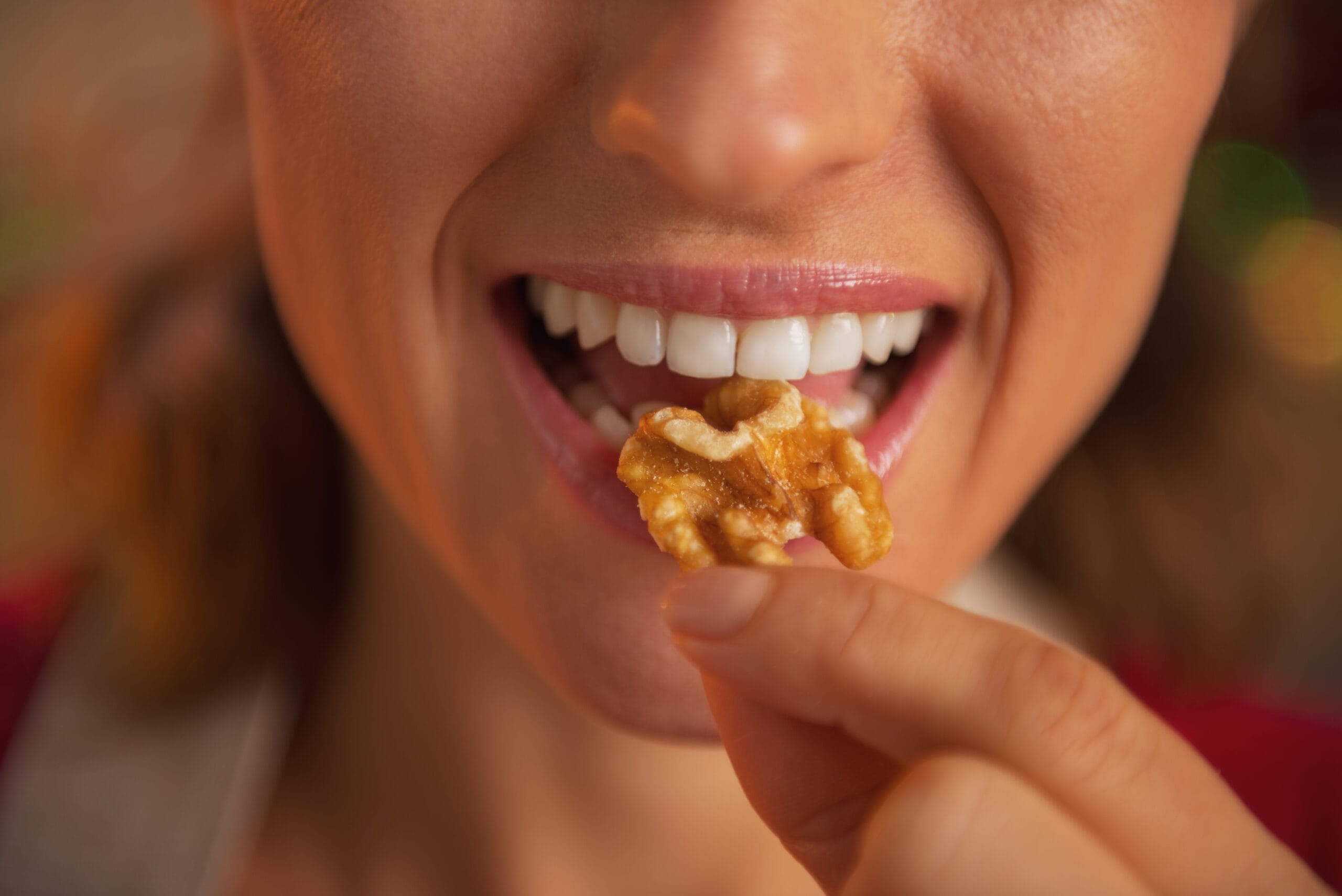
Walnuts

Foto: Shutterstock.com

Walnuts are rich in melatonin and omega-3 fatty acids, supporting brain function and enhancing sleep quality.

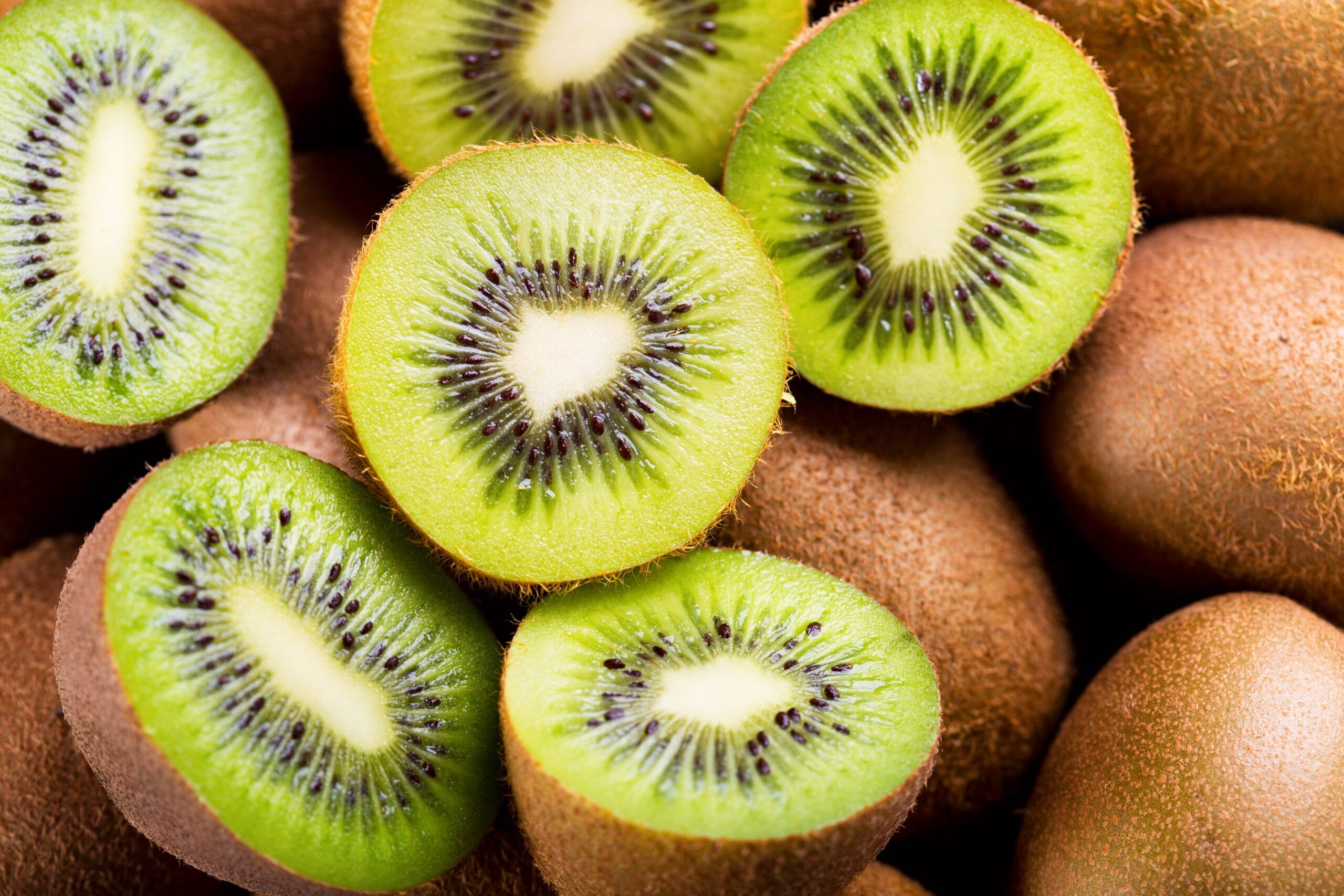
Kiwi

Foto: Shutterstock.com

This small green fruit is a true sleep hero. Kiwis are high in serotonin, which regulates the sleep cycle, and their anti-inflammatory properties promote restful sleep.

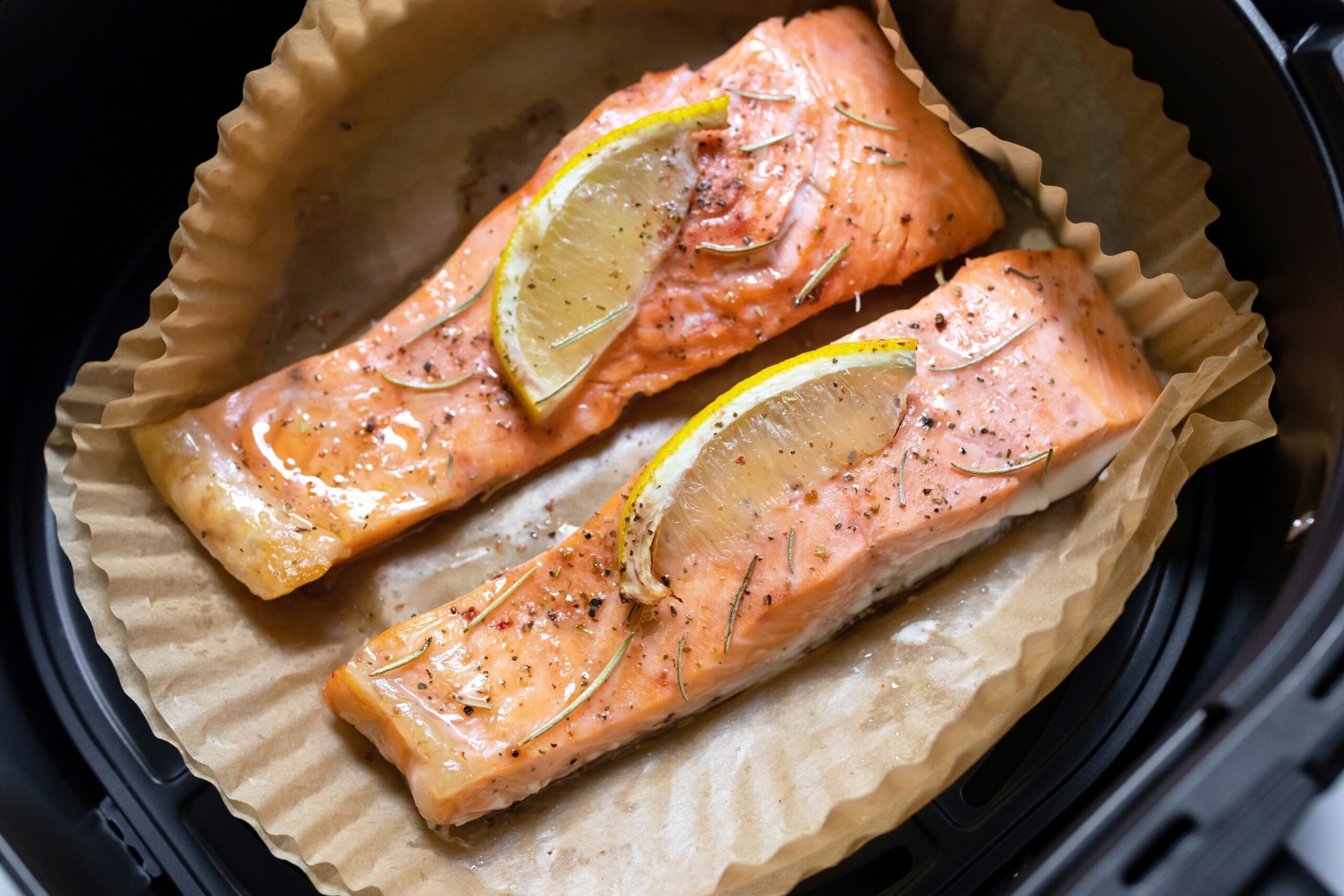
Fatty Fish

Foto: Shutterstock.com

Fish like salmon and mackerel are loaded with omega-3 fatty acids and vitamin D, which increase serotonin production. Include these fish in your diet for a more relaxed night’s sleep.

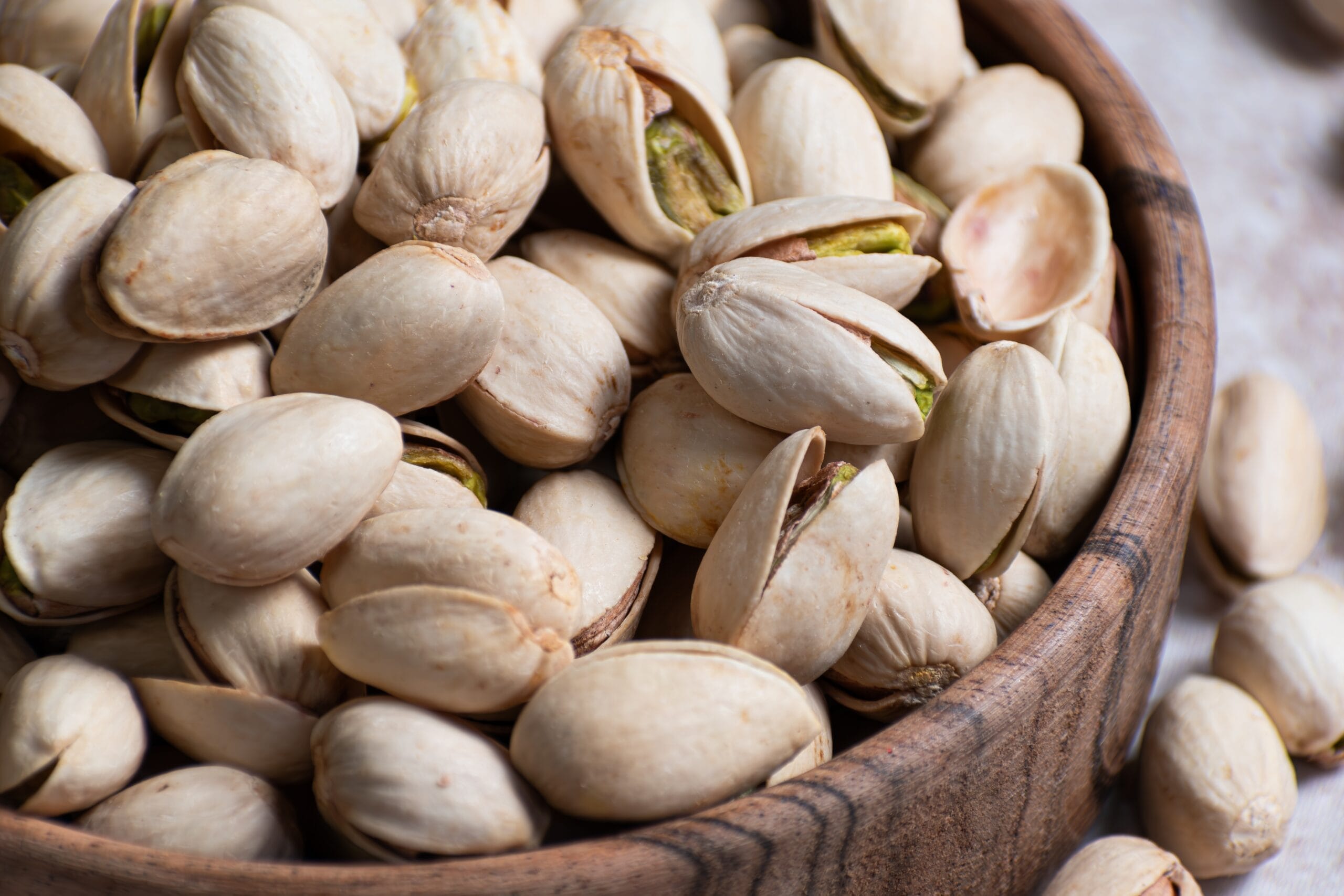
Pistachios

Foto: Shutterstock.com

Pistachios contain a significant amount of melatonin and can help promote deep sleep. Just a small handful can do the trick.

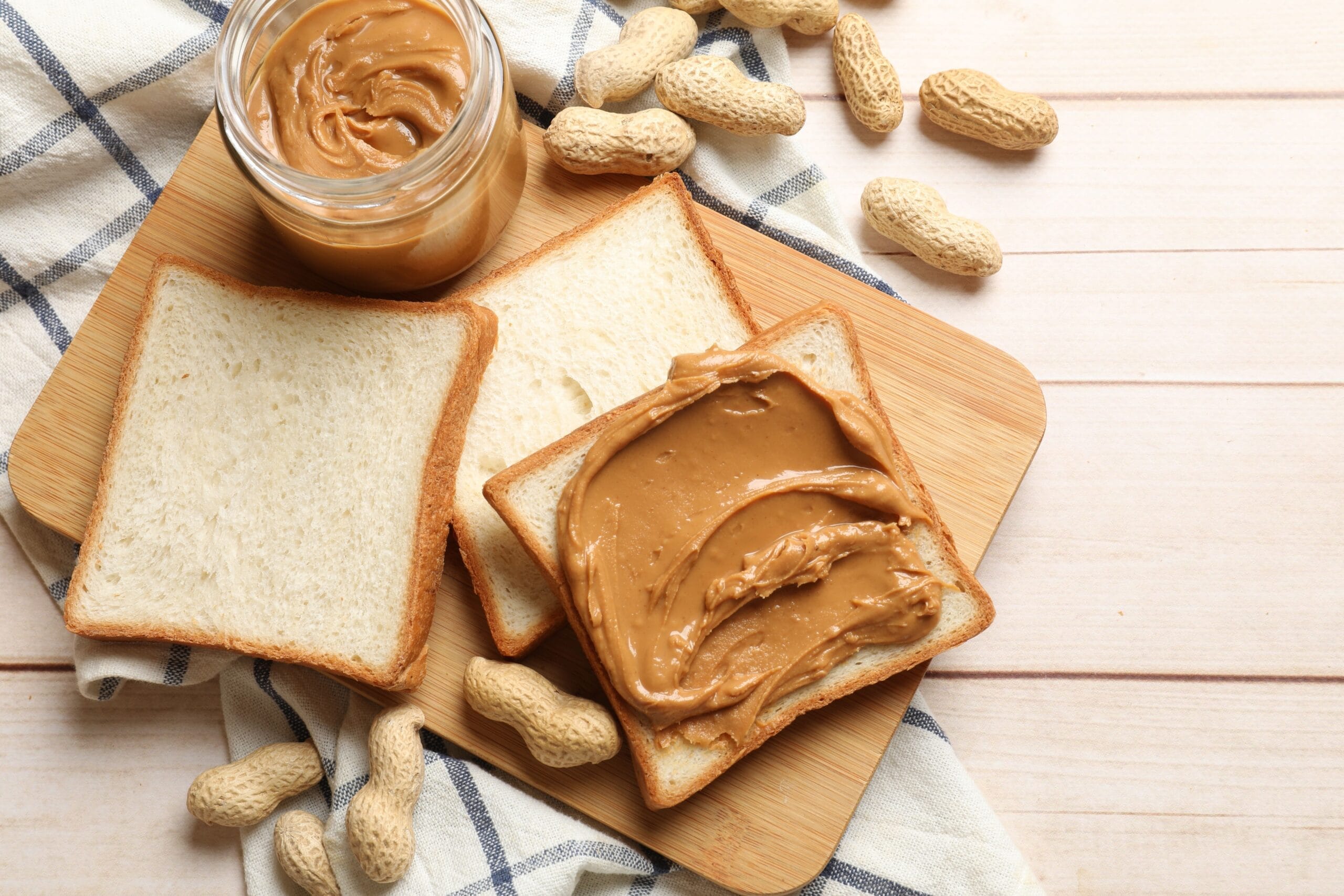
Wholegrain Toast with Peanut Butter

Foto: Shutterstock.com

This simple snack is not only delicious but also effective. The combination of complex carbohydrates and magnesium helps stabilise blood sugar and encourages relaxation.

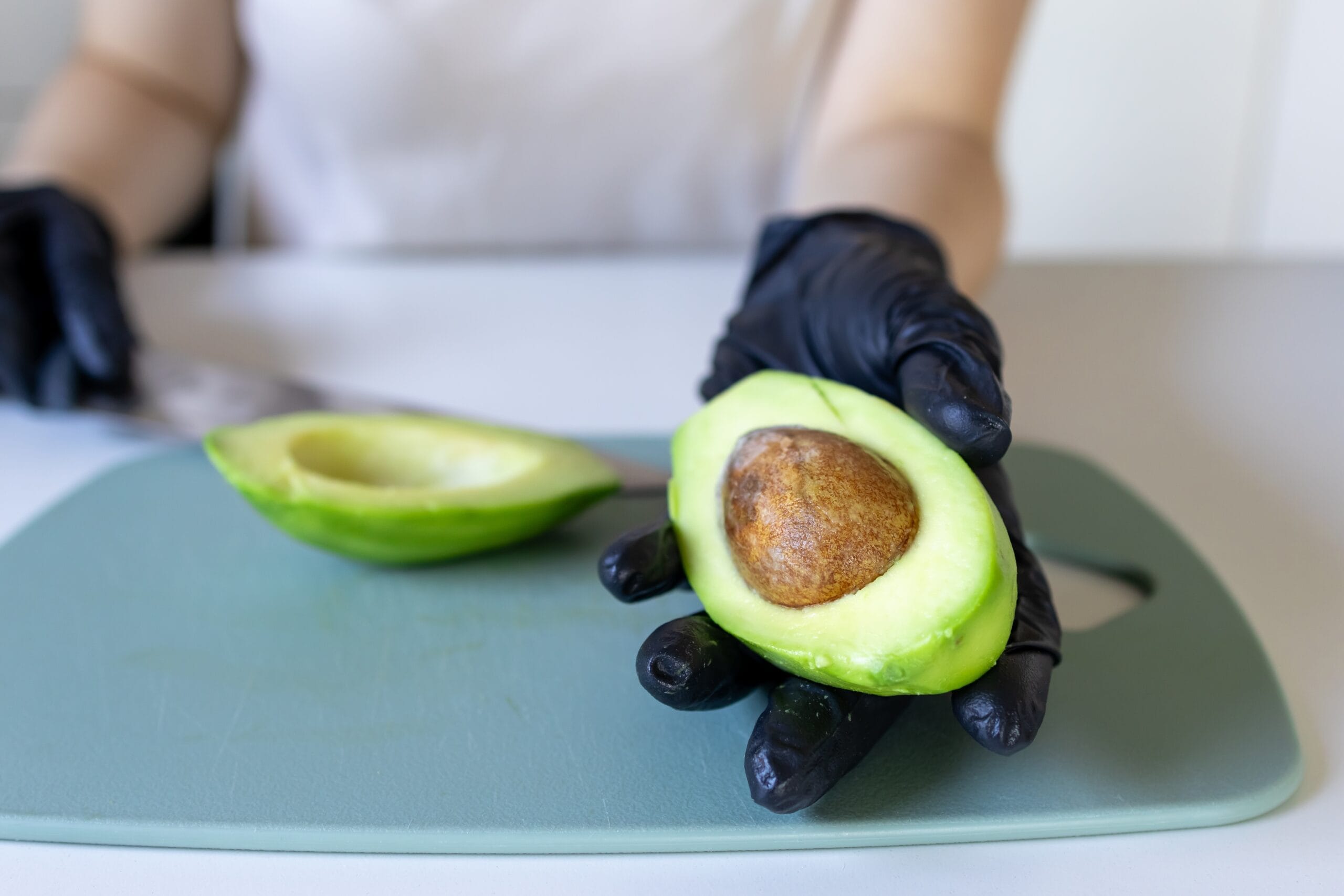
Avocado

Foto: Shutterstock.com

Avocados are high in magnesium and potassium, which can help reduce stress and promote relaxation in the body.

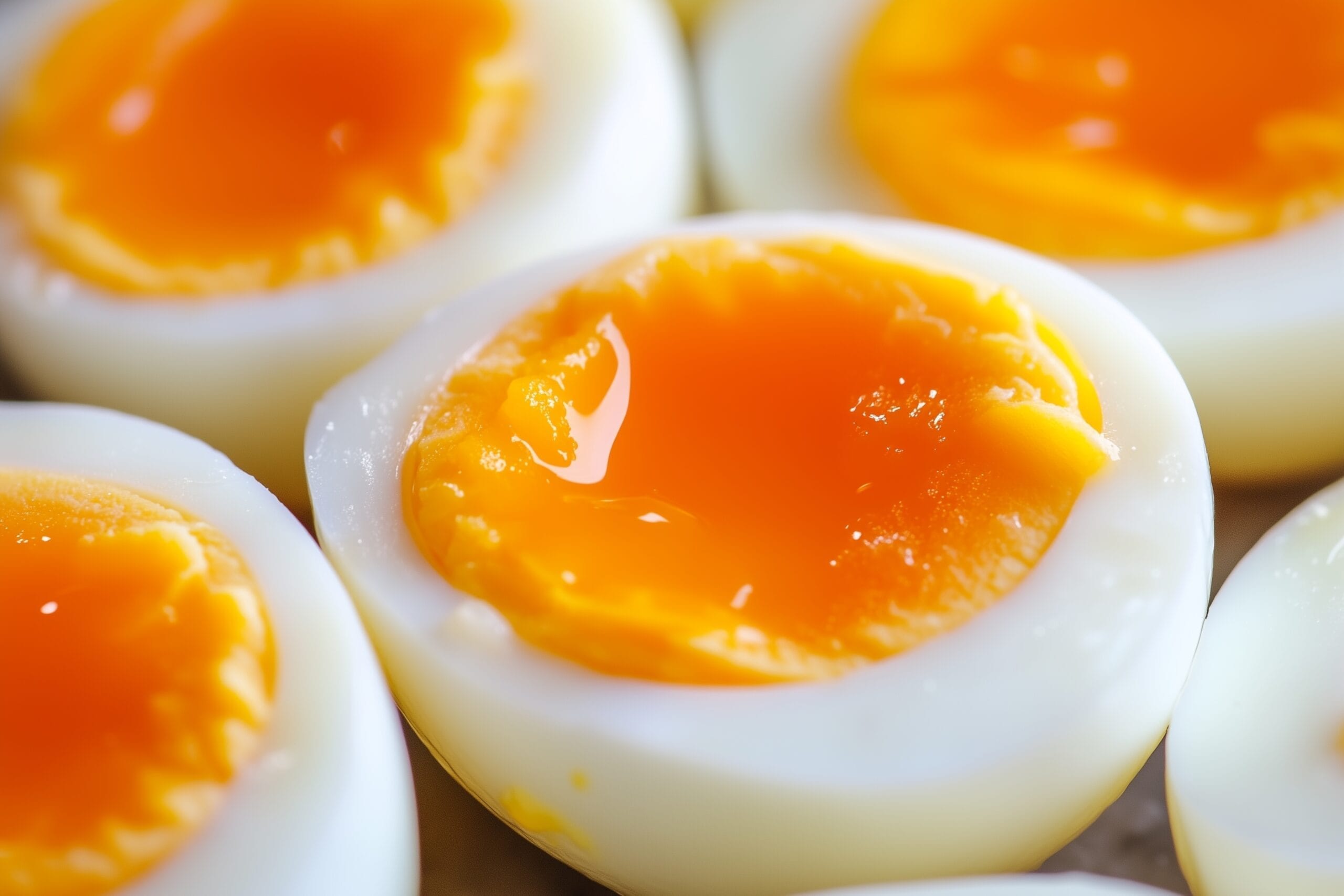
Eggs

Foto: Shutterstock.com

Eggs are an excellent source of protein, which helps stabilise blood sugar and promote deeper sleep.

This article is based on information from Healthline.

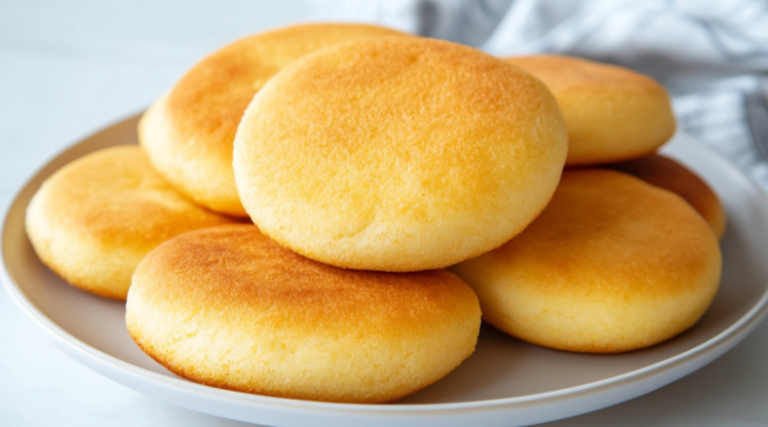
Learn How to Make Cornmeal Bread Like a Bakery

A traditional Brazilian dish, golden and soft, perfect for serving at afternoon tea.

Ingredients

Photo: Provided by Welltica
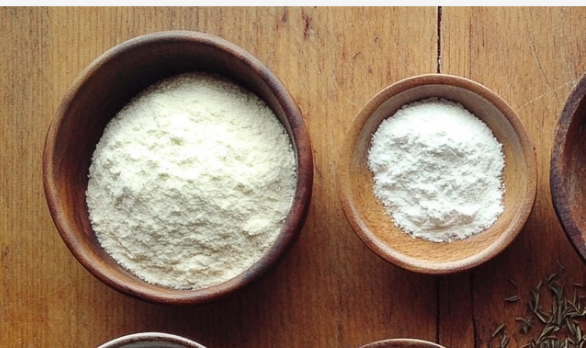
  • ½ cup of all-purpose flour
  • ½ cup of cornmeal
  • ¼ cup of sugar
  • 1 teaspoon of baking powder
  • 1 teaspoon of fennel seeds
  • A pinch of salt
  • 3 ½ tablespoons (about 2 oz) of butter, softened
  • 1 large egg

Step 1

Photo: Provided by Welltica

Preheat the oven to 350°F (medium-high heat).

Step 2

Photo: Provided by Welltica

Grease a medium-sized baking dish with butter.

Step 3

Photo: Provided by Welltica

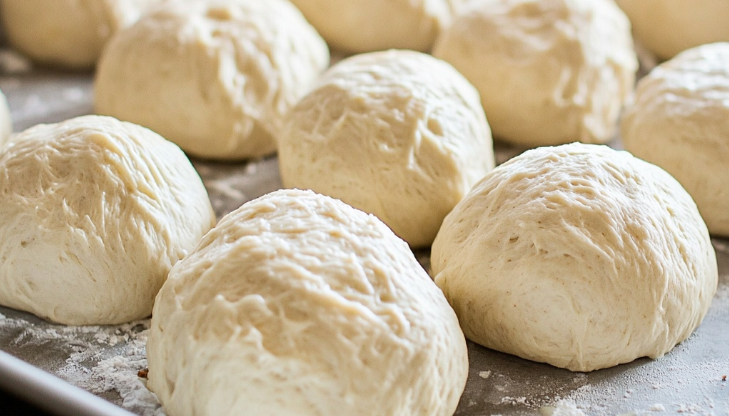
In a medium bowl, combine the flour, cornmeal, sugar, baking powder, fennel seeds, and salt. Add the butter and egg, then mix until a soft, non-sticky dough forms.

Step 4

Photo: Provided by Welltica

Divide the dough into 12 equal pieces and shape each into a ball. Flatten the balls slightly and place them on the baking sheet, leaving about 1 inch of space between each one. Brush the tops with beaten egg yolk.
Step 5

Photo: Provided by Welltica

Bake the cornmeal bread for about 15 minutes, or until crispy and golden brown.

Remove them from the oven and let them sit for a few minutes until they are warm but not too hot. Serve them with butter, cheese, jam, or any other topping of your choice.

Do You Know Which 5 Fruits Are the Healthiest in the World? A Study Reveals the Answers

A study conducted by William Paterson University in New Jersey identified the 41 healthiest foods. In the top 10, watercress, Swiss chard, and spinach stand out. Fruits didn’t take the top spots, but they remain essential to the list.

Fruits Didn’t Top the List

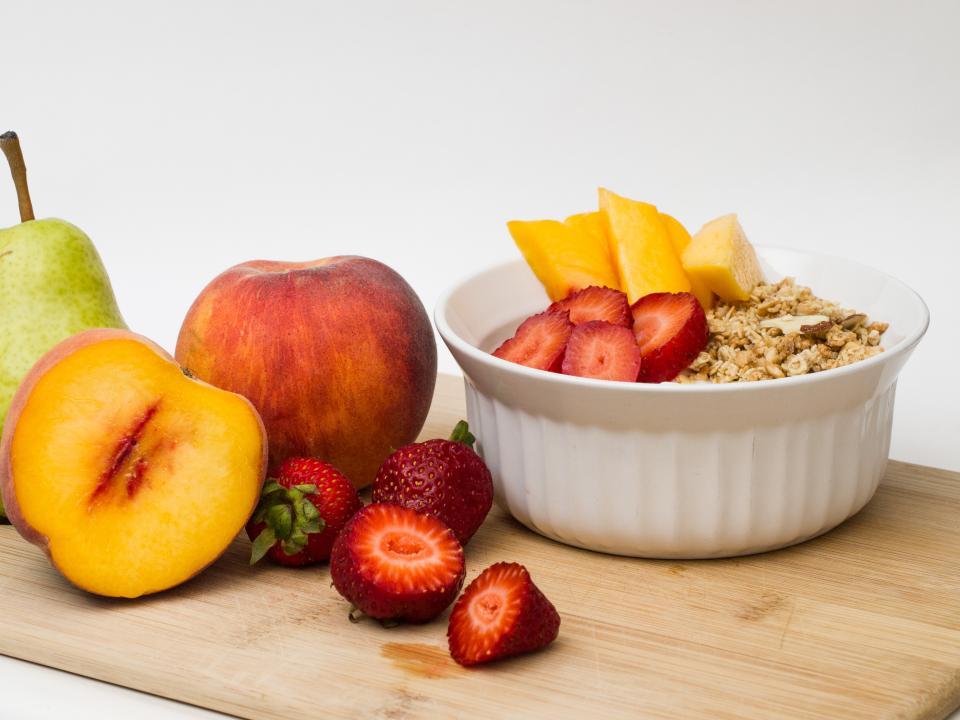
Fruits Peach” by Jamie Hamel-Smith/ CC0 1.0

Researchers analyzed 17 essential nutrients, such as vitamins A and B12, and compared them to calorie content. The goal was to identify foods with the highest nutritional density per calorie consumed.

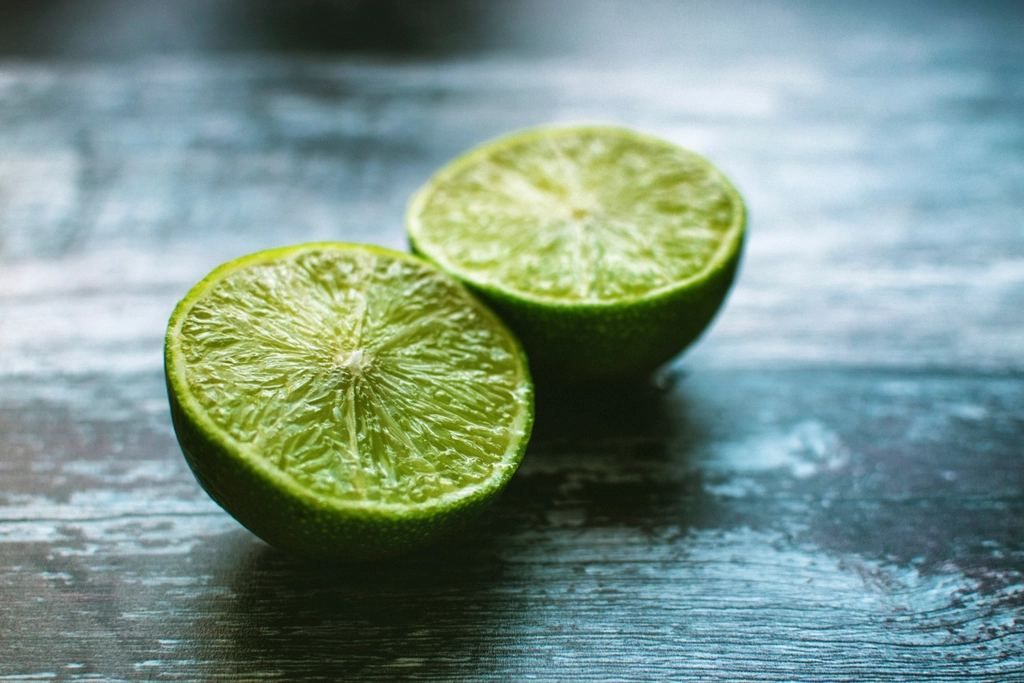
Lime

Free lime apple image“/ CC0 1.0

Limes lead the fruit category with 53 mg of vitamin C per 100 g, along with calcium, magnesium, potassium, and fiber. Vitamin C boosts the immune system, combats free radicals, and aids in collagen production.

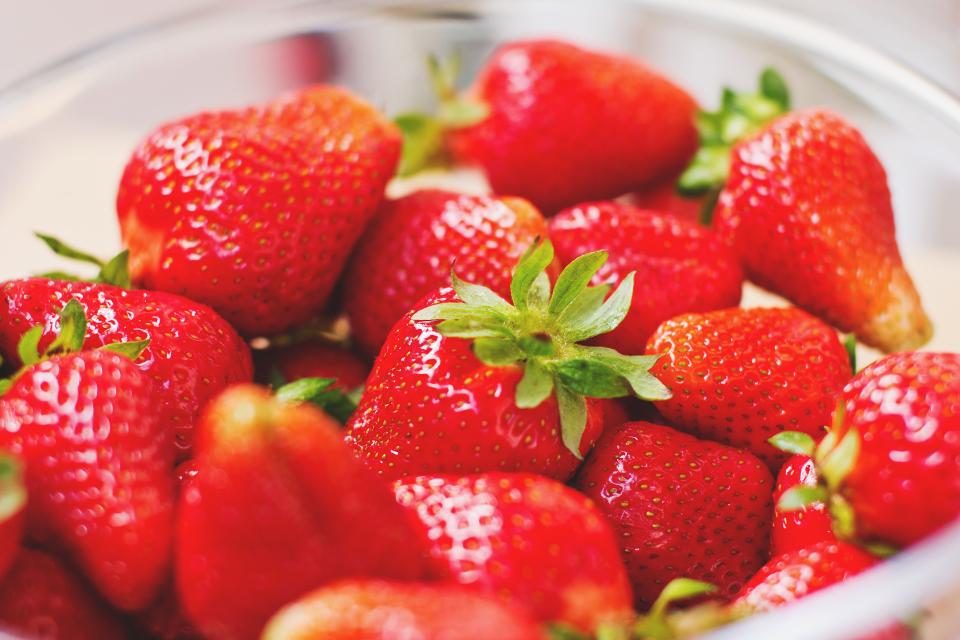
Strawberry

Red Strawberries” by Freestocks.org/ CC0 1.0

Strawberries, ranked 2nd on the list, contain 62 mg of vitamin C per 100 g, surpassing many citrus fruits. They are rich in folic acid, iron, magnesium, and calcium. Iron supports red blood cell formation and oxygen transport.

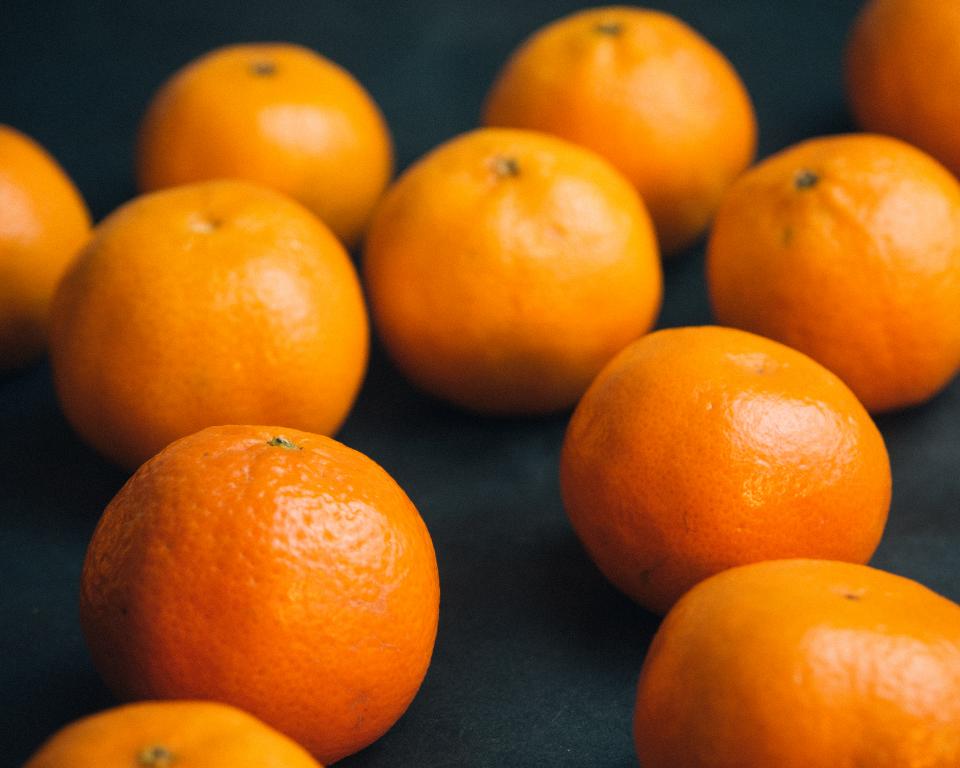
Orange

Orange Tangerines” by Peter Belch/ CC0 1.0

Oranges take 3rd place as one of the fruits richest in vitamin C. They are also packed with potassium and magnesium, essential minerals that regulate various biochemical reactions and cellular functions in the body.

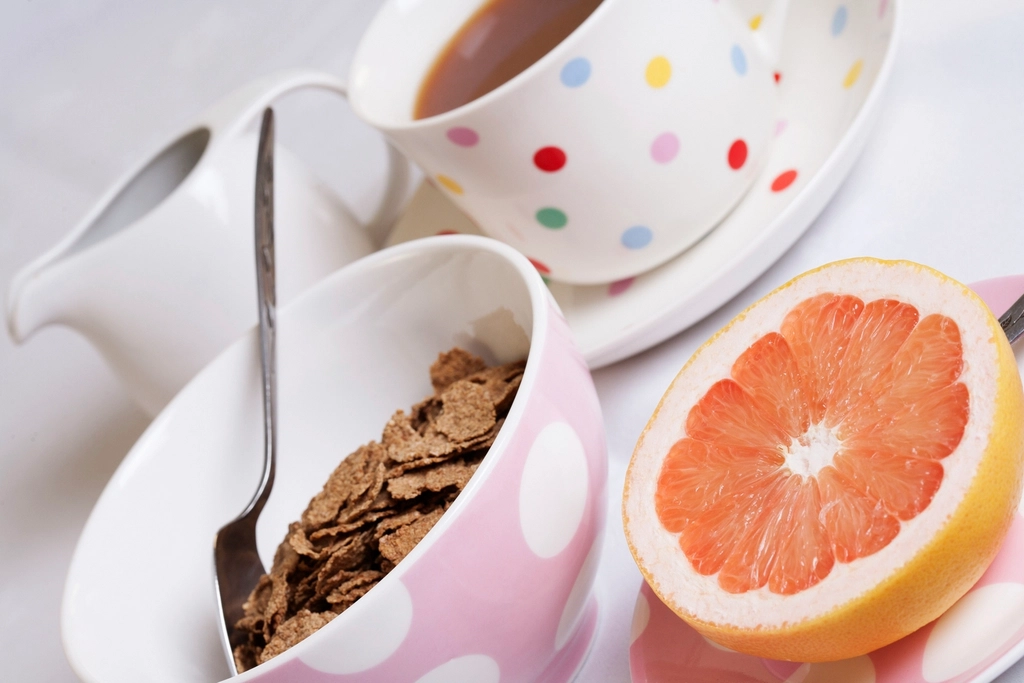
Grapefruit

Breakfast Cereal & Grapefruit“/ CC0 1.0

Red and pink grapefruit stand out among healthy fruits, rich in vitamin A and beta-carotene, which are crucial for vision and for strengthening the immune system.

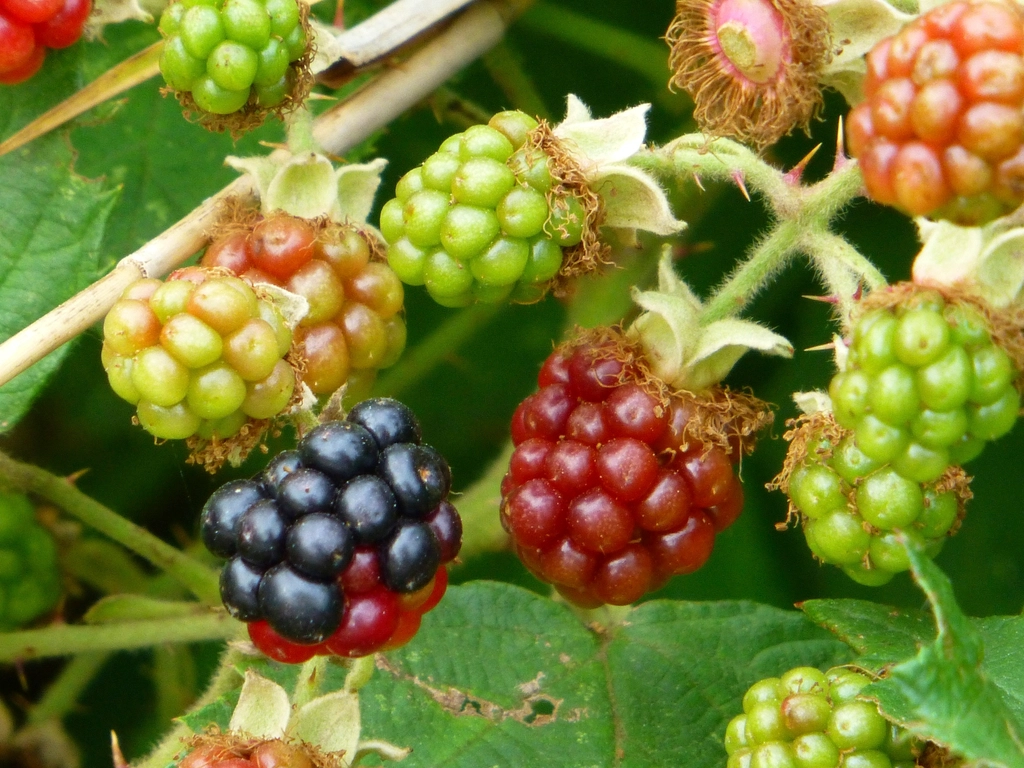
Blackberry

Closeup unripe blackberries“/ CC0 1.0

Blackberries are rich in calcium, potassium, magnesium, iron, and manganese. They also contain anthocyanins, pigments that give them their dark color and protect cells from free radicals.

10 Essential Tips to Improve Your Sleep

0

Getting a good night’s sleep is as crucial for your health as regular exercise and a balanced diet. Yet, many people struggle to get the quality sleep they need. Fortunately, there are several simple but effective strategies you can try to enhance your nighttime rest.

According to a 2023 study by the National Health Profile, 21.7% of people over the age of 16 reported being “very bothered” by sleep problems within the past 14 days. This number was 15.1% in 2010, highlighting a growing trend of poor sleep.

Here are 10 tips to help you sleep better:

Increase Your Exposure to Daylight

Sunset Sun” af Eric Haidara/ CC0 1.0

Natural light during the day helps regulate your circadian rhythm, improving your sleep quality and boosting daytime energy. If you don’t get enough sunlight, consider using a daylight lamp to supplement your exposure.

Reduce Blue Light in the Evening

Iphone Phone” af Alejandro Escamilla/ CC0 1.0

Screens from phones, computers, and TVs emit blue light, which can disrupt melatonin production, the hormone that aids sleep. Avoid screens at least two hours before bed or wear blue light-blocking glasses.

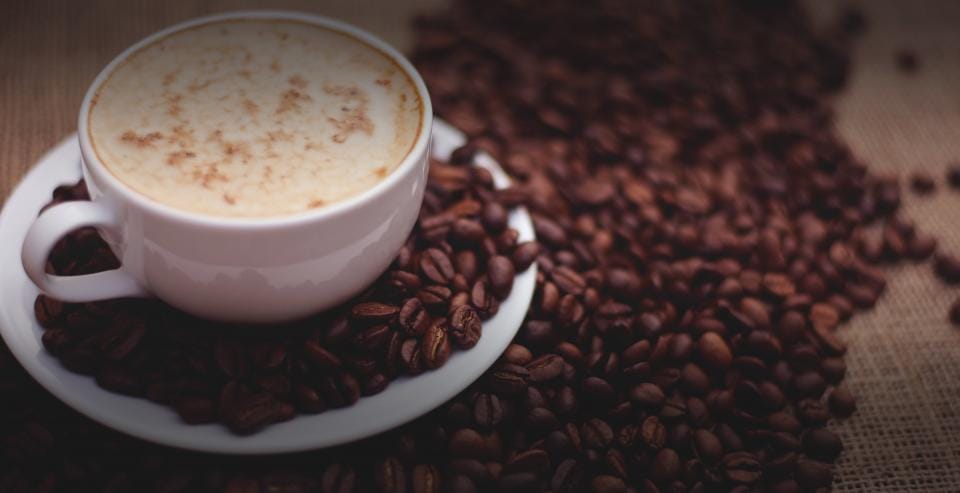
Avoid Caffeine Late in the Day

Coffee Latte” af fireskystudios.com/ CC0 1.0

While caffeine can boost energy and focus, it can interfere with sleep if consumed too late. Avoid caffeine at least eight hours before bedtime. If you need something warm in the evening, opt for decaf coffee or herbal tea.

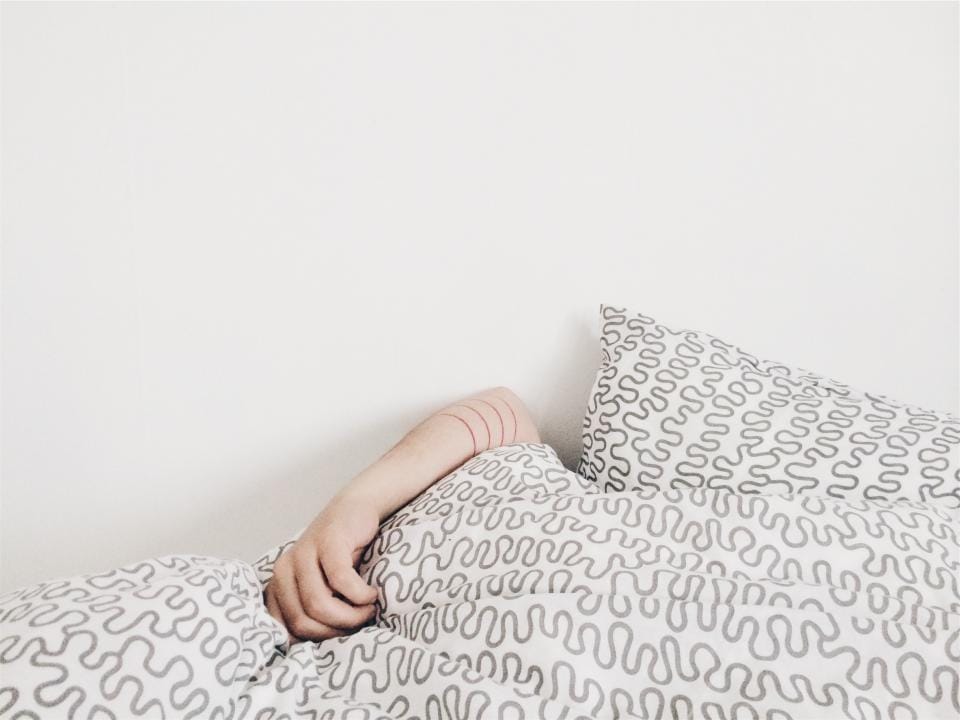
Limit Naps

Sleeping Bed” af elizabeth lies/ CC0 1.0

Short naps can be beneficial, but long or irregular naps may disrupt your sleep-wake cycle, making it harder to fall asleep at night. Keep naps to 20–30 minutes and avoid napping late in the day.

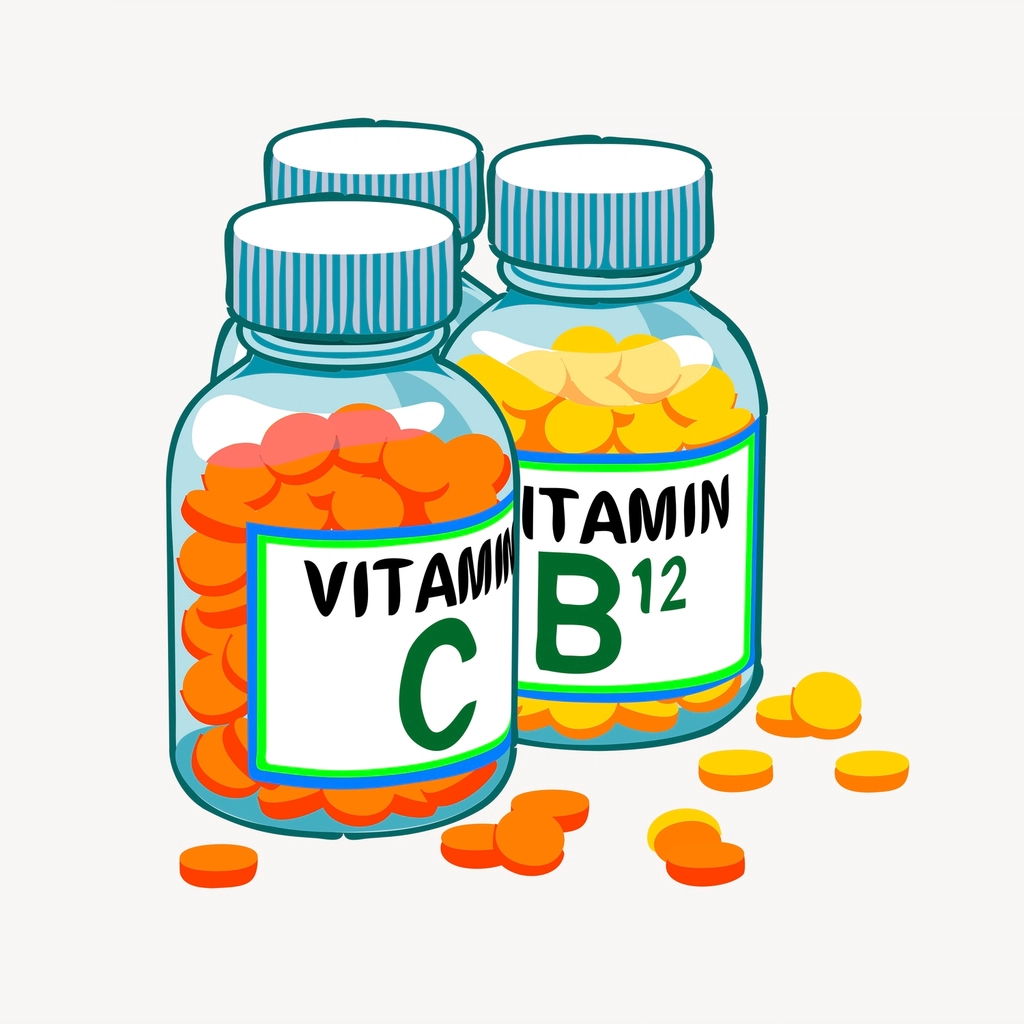
Try Supplements

Vitamin bottle clipart, health supplement“/ CC0 1.0

Supplements like magnesium, omega-3 fatty acids, and zinc can promote better sleep by relaxing the body and mind. Test one at a time to assess effectiveness, and consult your doctor before starting any new supplements.

Avoid Alcohol Before Bed

Beer Alcohol” af Negative Space/ CC0 1.0

Alcohol disrupts your sleep throughout the night by affecting your hormone balance and melatonin production. It can increase the risk of sleep apnea and disturb your circadian rhythm, so avoid drinking close to bedtime.

Optimize Your Sleep Environment

Bedroom Clean” af Burst/ CC0 1.0

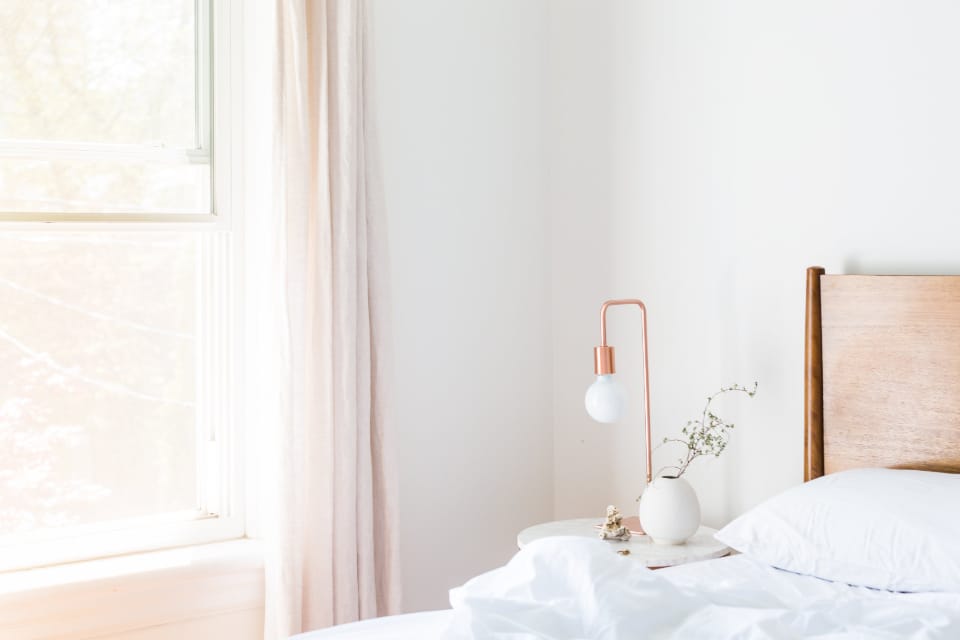
Your bedroom should be dark, quiet, and cool for optimal sleep. Keep the temperature around 18°C (64°F) and ensure good ventilation. Use blackout curtains, noise-canceling tools, or earplugs if needed.

Avoid Eating Late at Night

Hamburger Dinner” af Dana Tentis/ CC0 1.0

Eating a large meal close to bedtime can disrupt your sleep. Try to finish dinner at least 2–3 hours before bed. If you get hungry, choose a small, light snack that’s easy to digest.

Limit Evening Fluid Intake

Water Bottle” af Steve Johnson/ CC0 1.0

Drinking too much fluid in the evening can lead to frequent nighttime trips to the bathroom, disrupting your sleep. Reduce fluid intake in the last few hours before bed and ensure you use the restroom before sleeping.

Exercise Regularly — But Not Before Bed

Fitness Weights” af Kristin Hardwick/ CC0 1.0

Regular exercise improves sleep quality and overall health, but be sure to finish workouts at least three hours before bedtime to avoid being too energized to fall asleep.

This article is based on insights from Healthline and the National Health Profile.