
Peanut butter has become a staple in many households and is used in everything from breakfast meals to snacks. While it is calorie-dense, it can also provide several valuable nutrients when enjoyed as part of a balanced diet.
A popular choice among active people
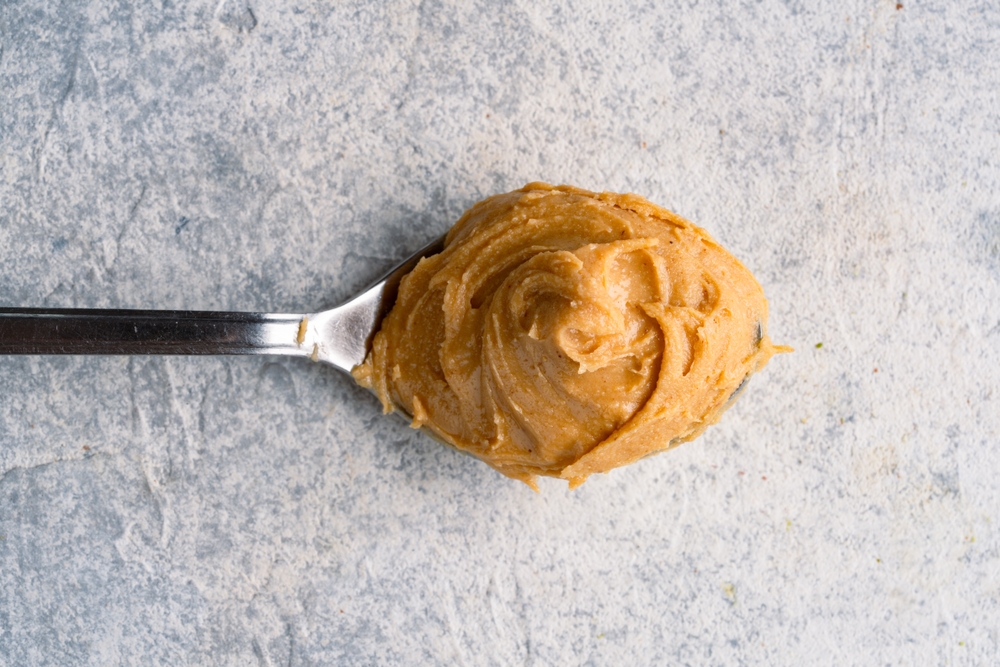
Many people include peanut butter in their diet because it is easy to pair with other foods and can be enjoyed before or after physical activity.
An easy way to add more plant protein
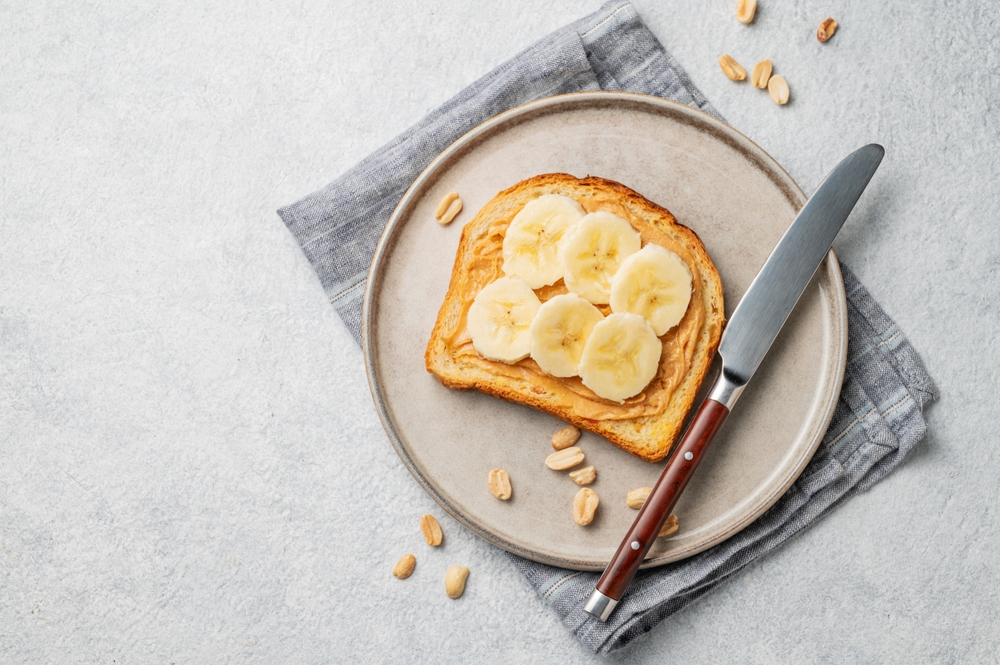
Peanut butter contains plant-based protein, making it a useful option for those looking to increase their intake of plant-derived protein sources.
Suitable for different eating styles
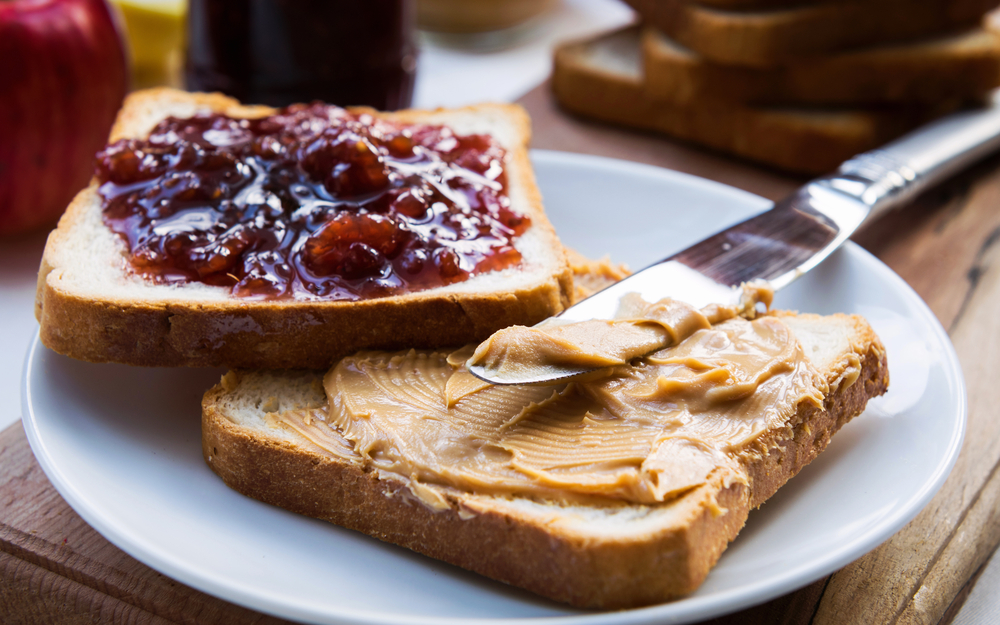
It can easily fit into vegetarian and vegan meal plans and works well alongside a variety of other foods.
Also read: Why perfectionists often struggle more when life changes
Can make breakfast more filling
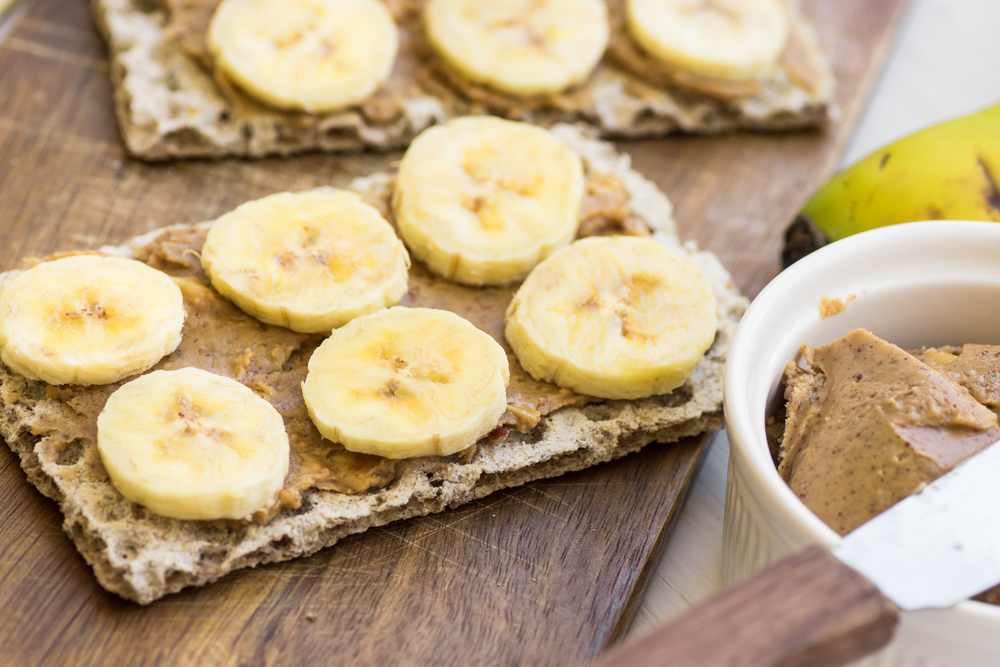
When combined with foods such as whole grain bread or oats, peanut butter may help create a more satisfying breakfast.
Contains a mix of fat, fiber, and protein
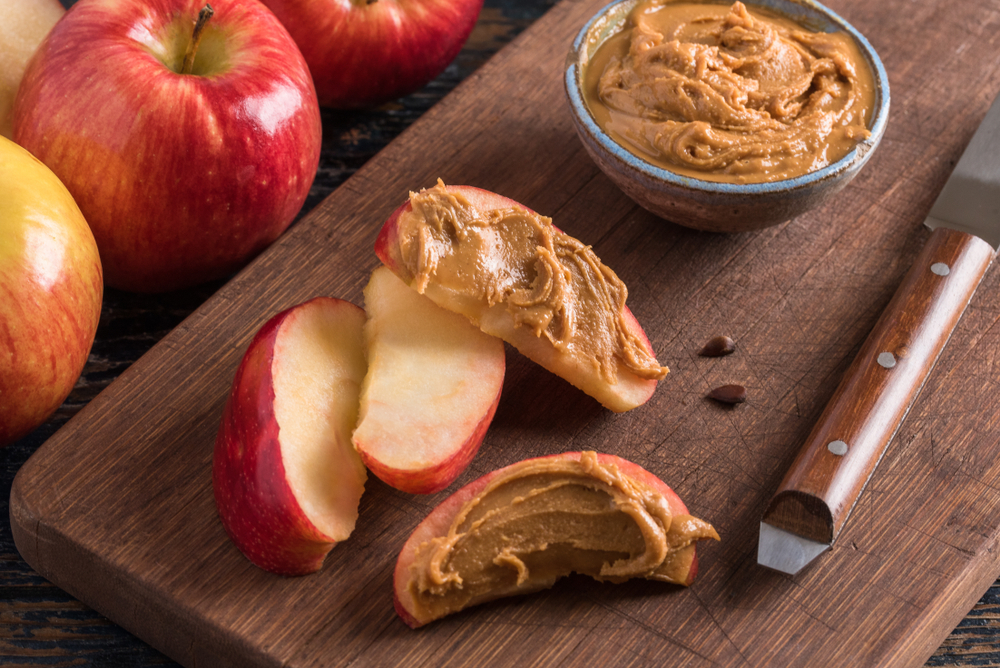
This combination is one reason why peanut butter is often associated with longer-lasting fullness after eating.
A convenient snack option
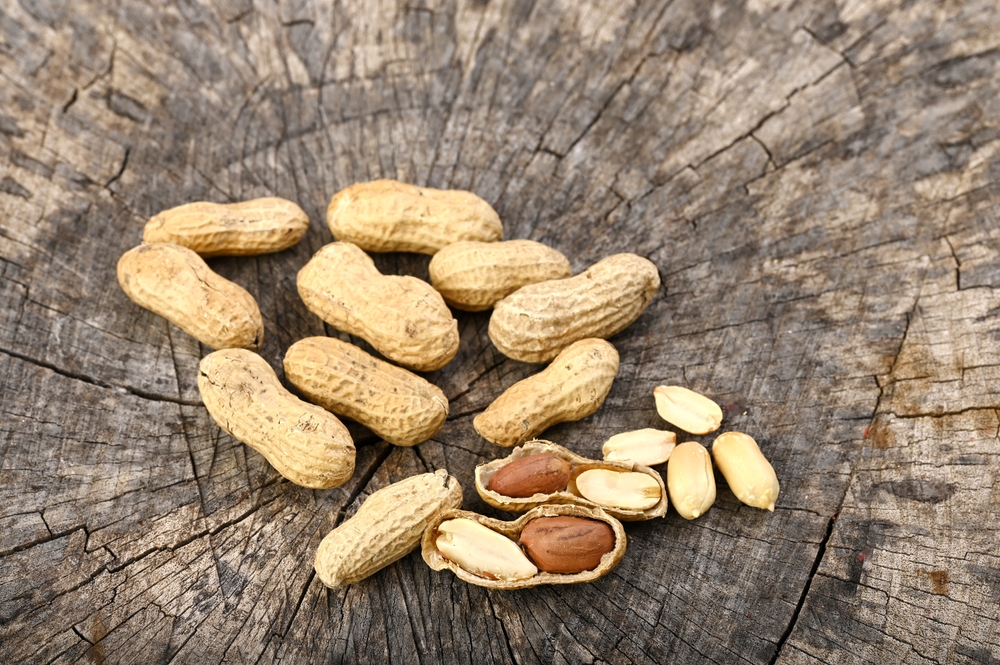
A small serving can be a practical choice on busy days when extra energy is needed between meals.
Can replace sweeter spreads
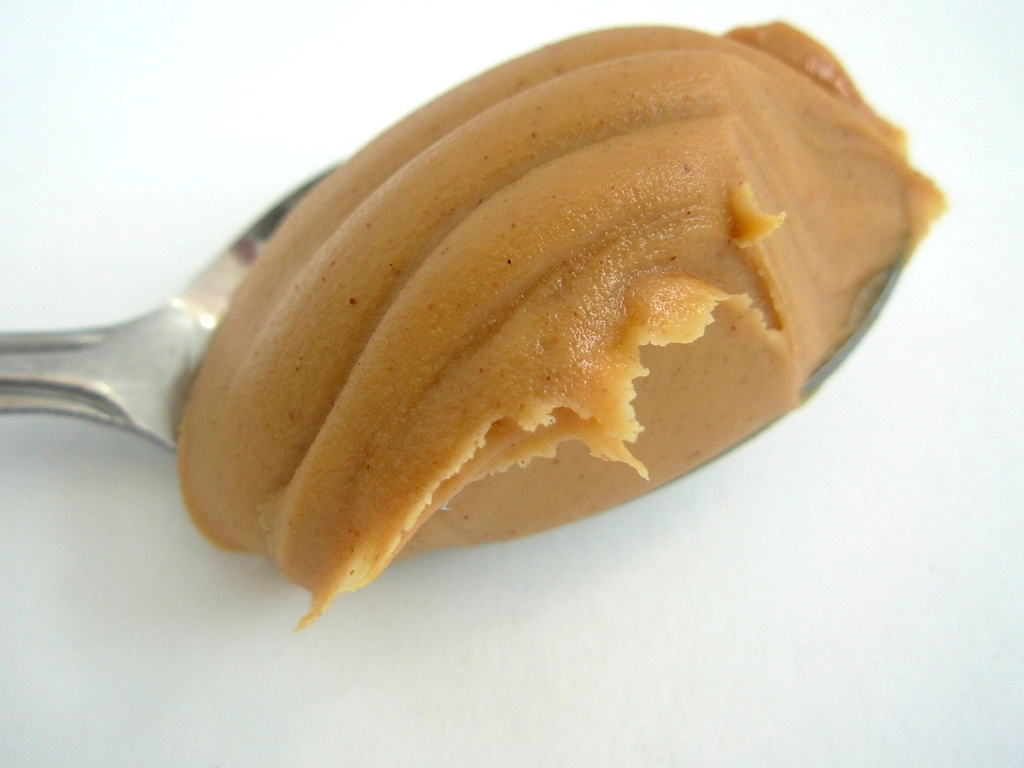
Some people use peanut butter instead of sweeter spreadable products to make breakfasts and snacks more nutritious.
Also read: Can fish oil protect your brain? New study provides answers
Provides concentrated energy

Even a modest portion contains a significant amount of energy, making it a popular choice for people with active lifestyles.
Contains several important minerals

Peanut butter provides minerals including magnesium, potassium, zinc, and phosphorus, all of which play roles in normal bodily functions.
Also provides B vitamins

It contains certain B vitamins that contribute to the body's energy metabolism.
Can be part of a heart-conscious diet

Peanuts contain a high proportion of unsaturated fatty acids, which are often highlighted as part of a balanced eating pattern.
Also read: You might eat them every day: These preservatives could affect your blood pressure
Quality depends on the ingredients
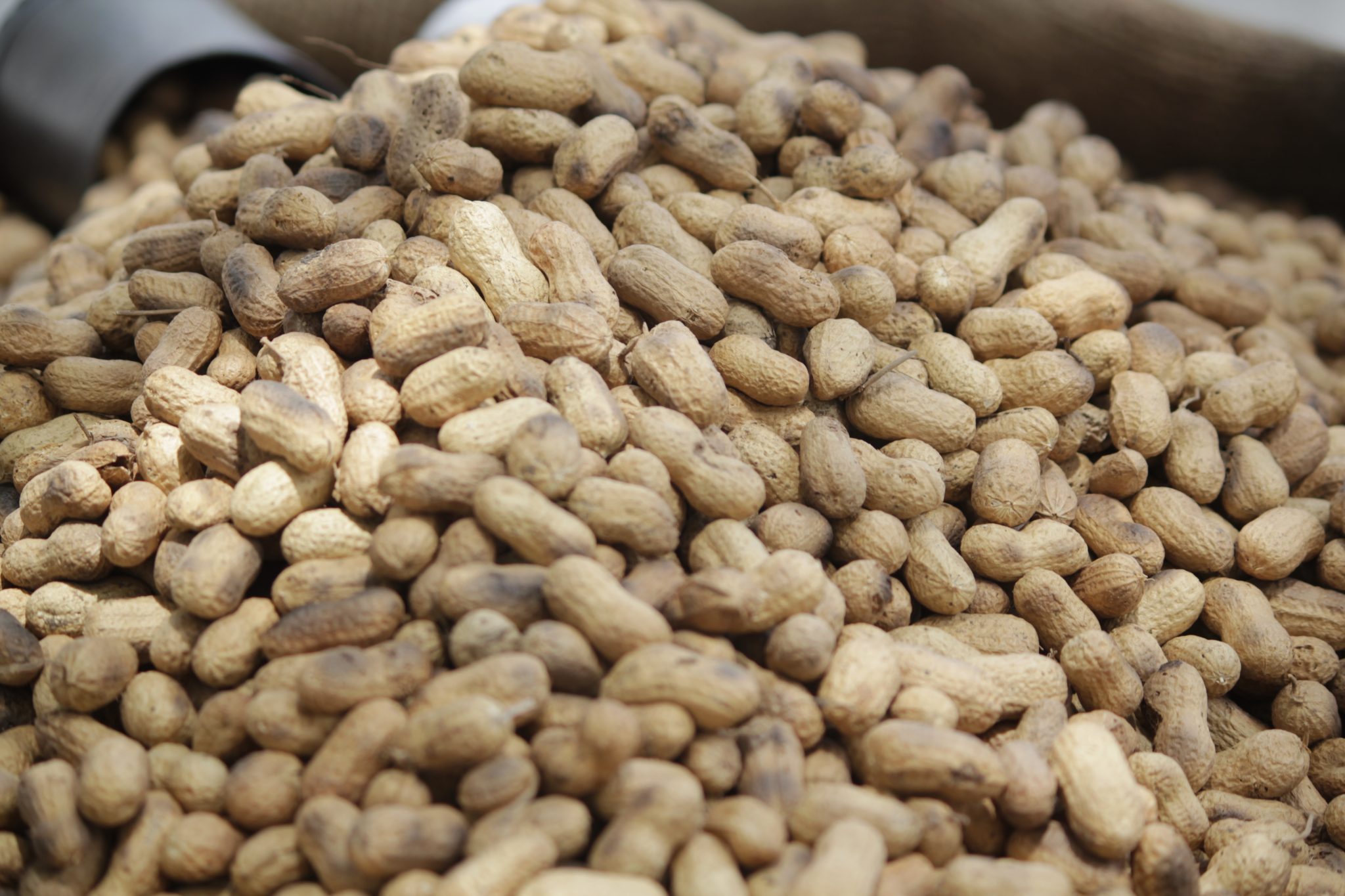
The simplest varieties contain mainly peanuts and possibly a small amount of salt, while products with numerous added ingredients generally offer a less favorable nutritional profile.
Also read: How bananas can affect your body if you eat them every day
This article is made and published by Mie Hermansen, who may have used AI in the preparation.