
Research shows that women’s brains experience striking transformations influenced by hormonal fluctuations.
Hormonal shifts reshape the brain

New MRI studies reveal that the female brain undergoes structural changes during hormonal fluctuations, especially in areas governing emotions, memory, and behavior.
Lifelong repetition of changes
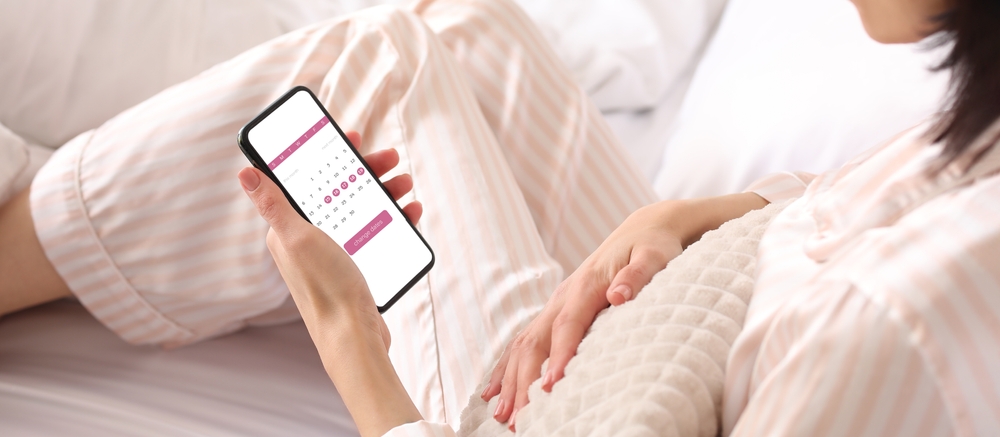
On average, women experience about 450 hormonal cycles throughout their lifetime, continuously exposing the brain to change.
Estrogen stimulates brain regions
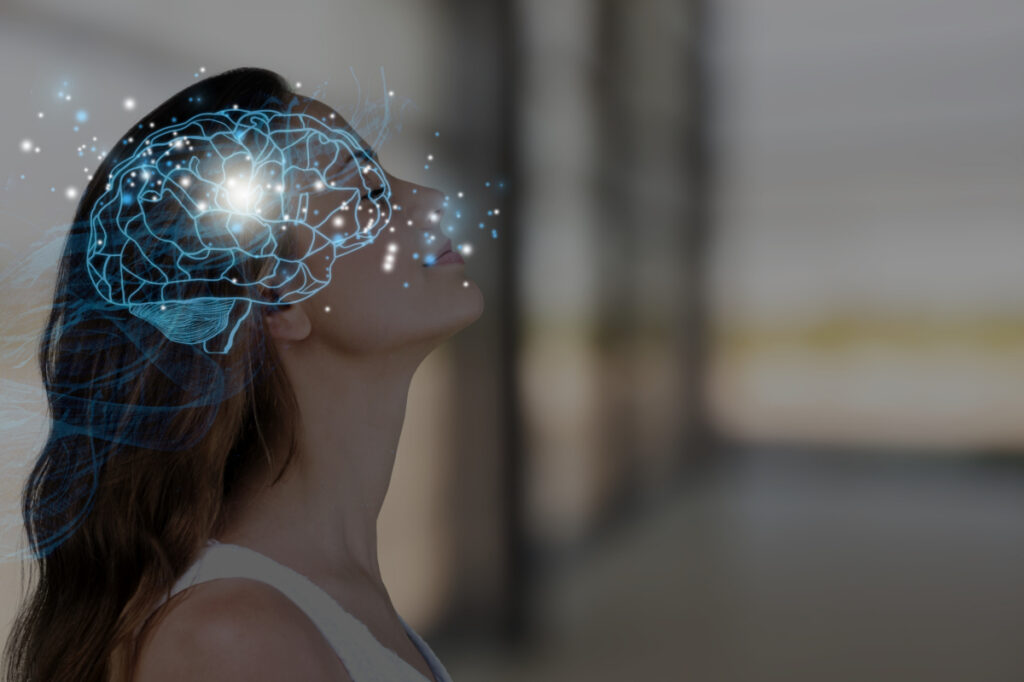
Animal studies first demonstrated that estrogen regulates neural connections in the hippocampus, a finding later confirmed in human research.
Also read: 10 Fruits That Allegedly Could Protect You Against Kidney Stones
The hippocampus is highly sensitive

This brain region, essential for learning and memory, can expand or shrink depending on hormones and mental stimulation.
Rapid transformation in adulthood
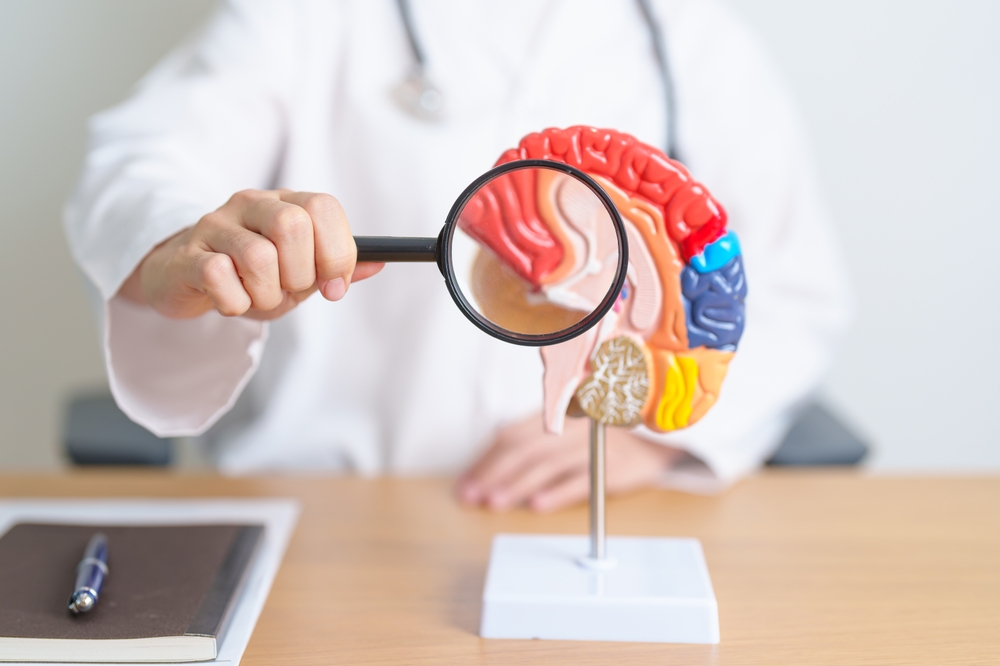
Studies confirm that the adult brain can reorganize itself quickly, with visible structural changes unfolding within a single month.
Precision scans reveal remodeling
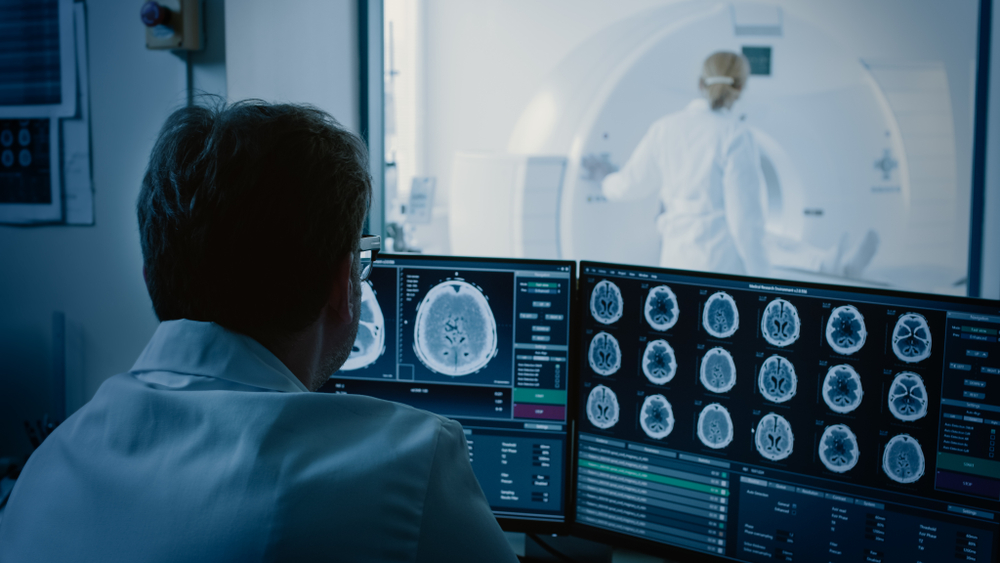
Ultrahigh-resolution MRI allowed scientists to track how the hippocampus remodels in step with hormonal activity.
Layers of the brain vary in thickness

Rising estrogen thickens the outer hippocampal layer, while increasing progesterone alters regions linked to memory.
Also read: Skin Cancer in the U.S.: Where the Numbers Are Rising— and Where They’re Falling
White matter adapts to hormones
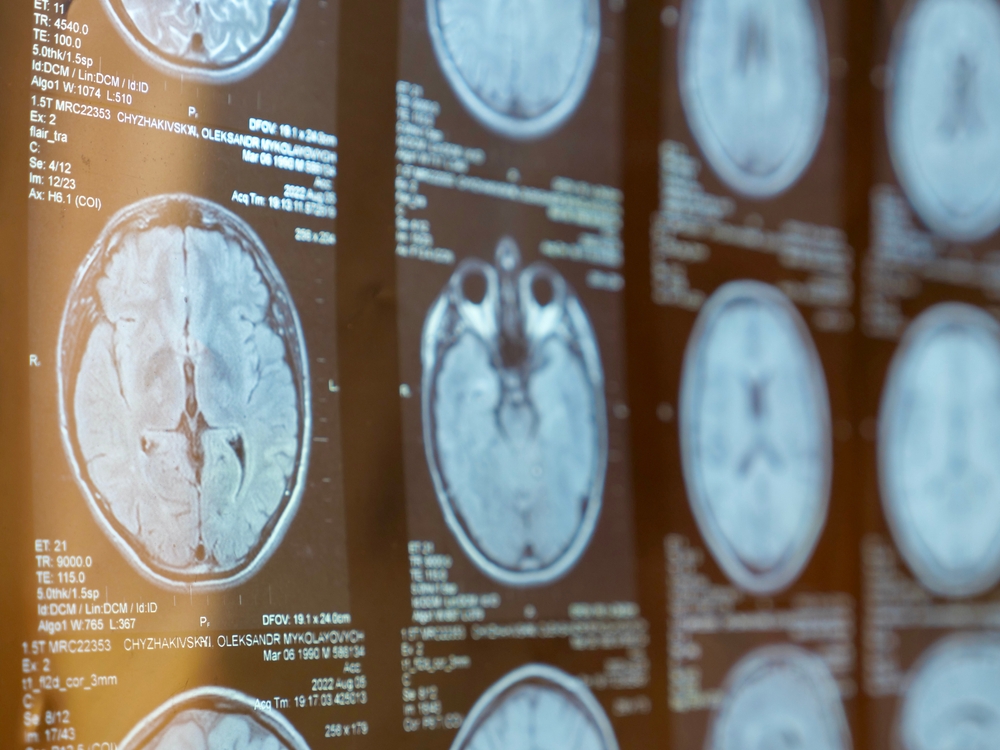
Research also shows hormone-driven shifts in the brain’s white matter, potentially enhancing communication efficiency.
Emotional and cognitive effects remain unclear

Although structural changes are evident, it has not yet been proven how these shifts connect to mood swings or mental performance.
A call for further research

Scientists emphasize the urgent need for more studies addressing women’s unique neuroscience to fully understand the impact of these changes.
This article is based on information from National Geographic.
Also read: Stay fit and energized without ever leaving your home
Also read: Avoid eating cheese if you’re taking these medications
This article is made and published by Ida-Marie Palm Varbæk, who may have used AI in the preparation.